The $7/Day High Protein Cookbook for Weight Loss: 124 Easy Low Carb Recipes + 30-Day Meal
At a glance
The $7/Day High Protein Cookbook for Weight Loss
124 Easy Low Carb Recipes + 30-Day Meal
LuvemBooks Verdict
Best for: Budget-conscious home cooks who want a structured, follow-this program — not a browsable collection — combining high-protein, low-carb eating with a hard $7/day cost ceiling and quick weeknight-friendly recipes.
Worth it? Skip it? Read the full verdict →Ask LuvemBooks
Was this helpful?
- Is it worth reading?
- For the right reader, yes. Those who want a structured, all-in-one program — not just inspiration — will find the combination of a hard $7/day budget ceiling, 124 recipes, a 30-day plan, and under-20-minute prep times a compelling and unusually concrete package. However, readers seeking deep technique instruction, extended headnotes, or verified nutritional data should temper their expectations: at 90 pages covering all of this content, detail per recipe is minimal, and the self-published format means there is no independently documented recipe-testing record from a traditional publisher or culinary authority.
- Who should read this?
- This book is squarely aimed at budget-conscious adults who want a structured, program-style entry point into high-protein, low-carb eating — particularly those juggling work schedules or family demands who need recipes completable in under 20 minutes. It suits readers who prefer a defined plan (30 days, hard budget ceiling, set recipe count) over a loosely organized collection to browse at leisure. Those without access to a wide range of grocery stores or those in higher cost-of-living areas should factor in that the $7/day target may be difficult to replicate exactly.
- Similar books
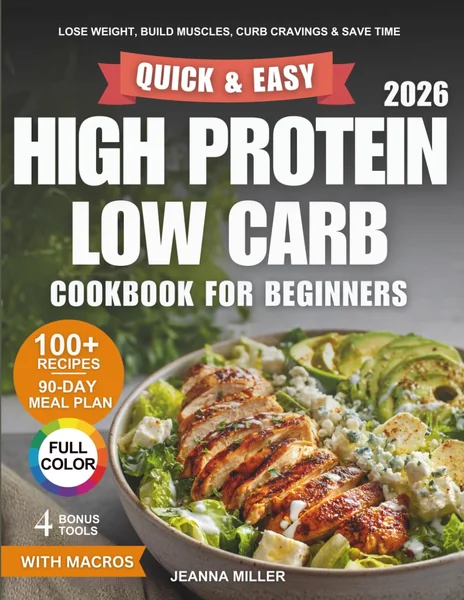
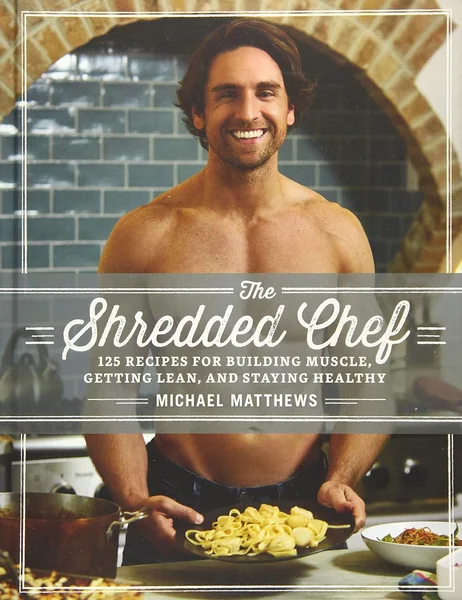
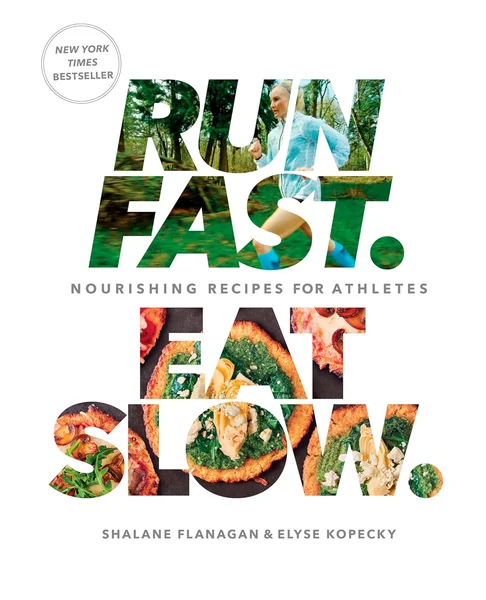
- Readers drawn to this book's high-protein, low-carb focus will find close thematic overlap in Jeanna Miller's Quick and Easy High Protein Low Carb Cookbook for Beginners and Michael Matthews' The Shredded Chef: 125 Recipes for Building Muscle, Getting Lean. For readers whose primary appeal is the speed and simplicity angle, Kylie Sakaida's So Easy So Good: Delicious Recipes and Caroline Chambers' What to Cook When You Don't Feel Like Cooking offer quick, accessible recipe collections without the macronutrient constraints. Those interested in performance nutrition from a more athletic perspective might also explore Run Fast. Eat Slow.: Nourishing Recipes for Athletes by Shalane Flanagan and Elyse Kopecky.
- About Heather Choate
- Heather Choate was born in Littleton, Colorado, and now lives on a farm in a small town in Southern Colorado with her husband and five children. She is currently writing the Way of the Xaltan series, an epic dystopian saga. In her spare time, she chases chickens, tends her garden, and enjoys people-watching.
- What's included in the book?
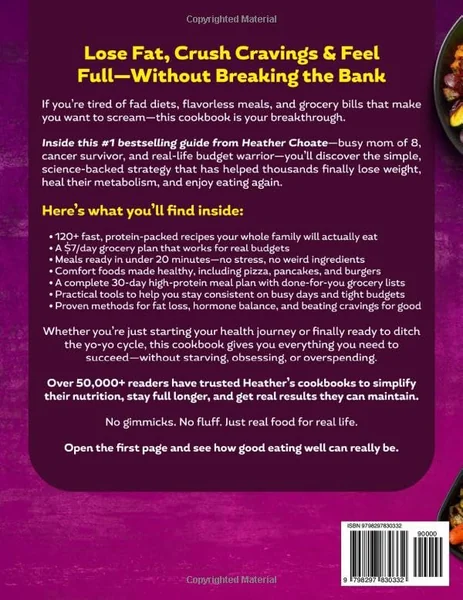
- Beyond the 124 recipes themselves, the book includes a 30-day structured meal plan that applies the $7/day budget constraint on a day-by-day basis, dedicated meal prep guidance, and seven bonus sections the publisher describes as tools to "super-charge" a weight loss program. The combination makes the volume function as a comprehensive, all-in-one program rather than a loose recipe collection — though the total page count of 90 means all of this content is necessarily dense and brief per section.
- Is the quality reliable for a self-published book?
- The review is candid on this point: self-publication means the book reached readers without the developmental editing, recipe-testing documentation, or professional nutrition review that larger publishers typically provide. No named culinary authority or outlet has independently verified the book's recipe accuracy or reproducibility. The publisher does market it as an "Updated Edition," suggesting earlier versions existed and were refined, but that update history is not a substitute for third-party vetting. Readers who prioritize externally verified recipe accuracy before committing to a 30-day program should factor this in.
- How does the $7/day budget work?
- The seven-dollar daily ceiling is the structural backbone of the entire program: the 30-day meal plan applies that constraint on a day-by-day basis, giving budget management a concrete, trackable shape rather than leaving cost calculations to the reader. The review notes this combination of a hard cost ceiling, a time ceiling (under 20 minutes per recipe), and a macronutrient target (high protein, low carb) gives the book a more defined scope than most general weight-loss cookbooks. However, the achievability of the $7/day target depends significantly on regional grocery prices and store access, so results will vary by location.
Summarize this book
Follow up
Synthesized from verified book data & published reviews · How we review
Press Enter to ask. Answers come from our editorial Q&A — start typing to see related questions.
Age & Reading Level
Recommended age
Adult
Reading level
Adult
who it suits
Skip if you want detailed technique instruction, extended recipe headnotes, or independently verified nutritional data per recipe.
Editorial Review
Heather Choate's self-published cookbook sets out to solve three problems at once — tight grocery budgets, low-protein diets, and time-consuming meal prep — by packing 124 high-protein, low-carb recipes and a 30-day meal plan into a single, practically oriented volume. This review assesses the book's content, structure, and stated design intent from published sources, not a kitchen test.
Read the Full ReviewBooks like The $7/Day High Protein Cookbook for Weight Loss
Curated picks for readers who enjoyed The $7/Day High Protein Cookbook for Weight Loss, with our reasoning for each match.
If you liked The $7/Day High Protein Cookbook for Weight Loss