7 min read
4.8
· 2,735 Amazon ratingsShare This Review

Our review
Run Fast. Cook Fast. Eat Slow.
Run Fast. Cook Fast. Eat Slow. by Shalane Flanagan & Elyse Kopecky Review: Speedy Fuel for Serious Athletes
Run Fast. Cook Fast. Eat Slow. Is a New York Times bestseller and IACP Award finalist that delivers quick-prep, nutrition-forward recipes designed for athletes and busy eaters alike, built on the same "indulgent nourishment" philosophy that made the authors' original Run Fast. Eat Slow. A phenomenon.
LuvemBooks Verdict
Best for
Time-pressed runners and endurance athletes who want whole-food, nutrient-dense meals they can realistically prepare on weeknight training schedules without sacrificing the performance nutrition that fuelled an elite marathon champion.
Worth it if
You're training seriously (or feeding someone who is) and need a proven, credible system for eating well fast — grounded in the actual meals behind Shalane Flanagan's historic 2017 NYC Marathon win.
Skip if
You loved the original Run Fast. Eat Slow. for its more unhurried, involved cooking style, or you're looking for broad international flavour exploration and complex culinary technique rather than tightly focused performance nutrition.
What readers & critics say
The book debuted as a New York Times bestseller and earned an IACP Award finalist nomination — one of cookbook publishing's most respected honours — signalling strong mainstream and culinary-industry recognition, per penguinrandomhouse.com and barnesandnoble.com. Parnassus Books notes a "must for the runner or athlete on your list" designation from Cooking Light, reflecting its wide cross-audience appeal.
Sources: Penguin Random House, Barnes & Noble, Parnassus Books, SportTracks, The Storygraph, The Hillamb Blog (Substack)Ask LuvemBooks
Was this helpful?
- Is it worth reading?
- For its core audience — time-pressed athletes and busy households committed to whole-food nutrition — Run Fast. Cook Fast. Eat Slow. delivers on its promise in a way that both the market and the culinary industry have validated: it landed on the New York Times bestseller list and was named an IACP Award finalist, a recognition from one of cookbook publishing's most respected bodies. The dual authority of a four-time Olympian and a Natural Gourmet Institute–trained nutrition coach gives the recipes a performance credibility that generic healthy cookbooks rarely achieve. The key caveat is scope: readers seeking complex culinary technique or wide international flavour profiles will find the book tightly disciplined around quick-prep performance nutrition, which is a deliberate design choice rather than an oversight.
- Similar books
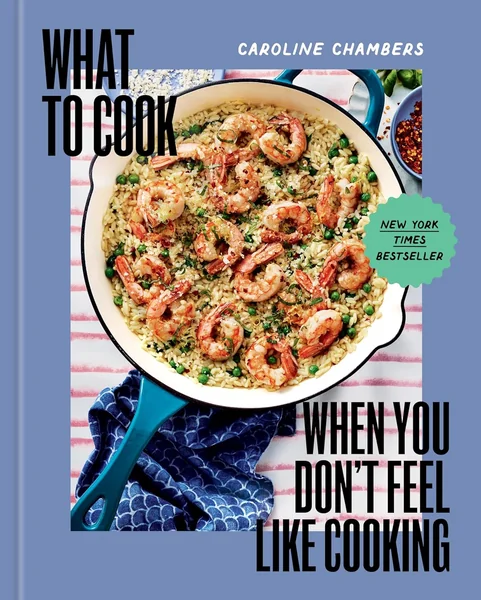
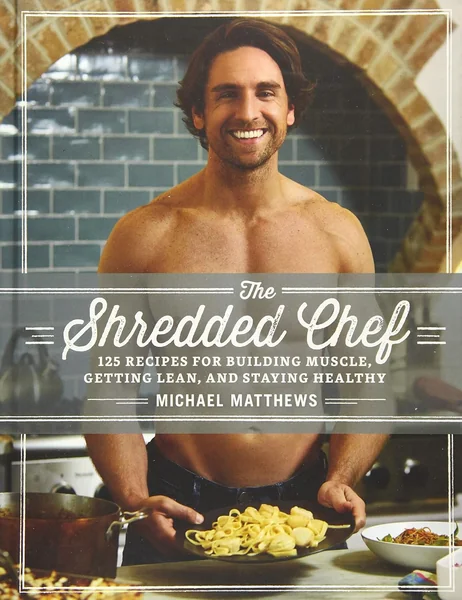
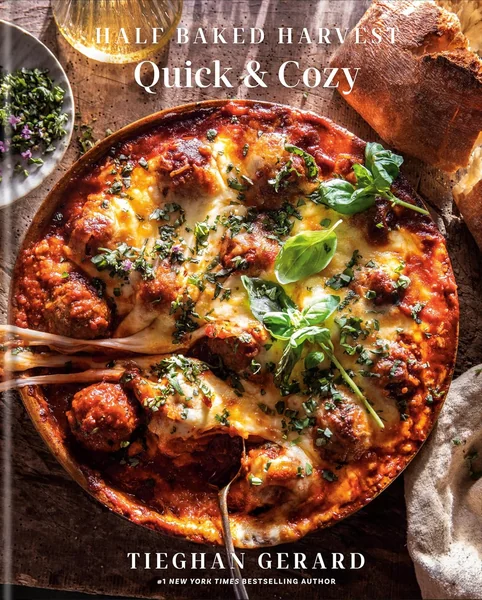
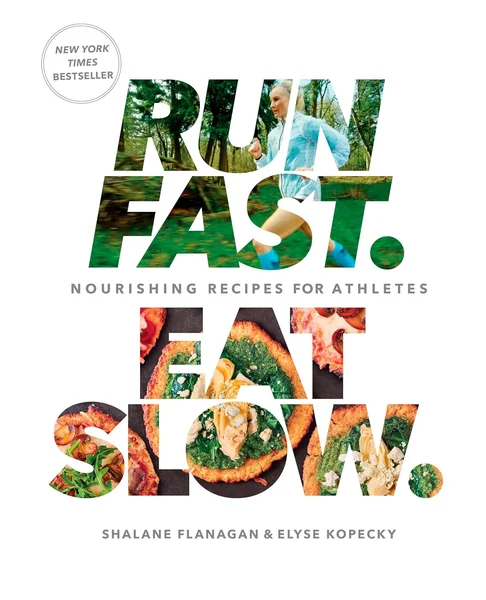
- Readers drawn to Run Fast. Cook Fast. Eat Slow. will find natural next reads among several titles. The direct companion is Run Fast. Eat Slow.: Nourishing Recipes for Athletes by Shalane Flanagan and Elyse Kopecky — the original cookbook that established the 'indulgent nourishment' philosophy. For performance-focused nutrition with a muscle-building angle, The Shredded Chef: 125 Recipes for Building Muscle, Getting Lean by Michael Matthews covers similar ground. Those who appreciate the quick-prep ethos but want a broader culinary scope might enjoy Half Baked Harvest Quick & Cozy: A Cookbook by Tieghan Gerard or What to Cook When You Don't Feel Like Cooking by Caroline Chambers. The Quick and Easy High Protein Low Carb Cookbook for Beginners by Jeanna Miller is another option for readers prioritising protein-forward, efficient meal prep.
- Who should read this?
- Run Fast. Cook Fast. Eat Slow. is designed for time-pressed athletes at every level — from elite marathon runners to recreational runners and busy families — who prioritise whole-food nutrition but cannot commit to lengthy cooking sessions on training days. The publisher's positioning explicitly targets marathon and endurance athletes, but the quick-prep format makes the book broadly accessible to anyone whose schedule leaves little room for elaborate kitchen logistics. Cooks seeking deeply technical culinary instruction, complex techniques, or wide international flavour profiles will find the book's focus tightly narrowed around performance nutrition and speed.
- About Shalane Flanagan, Elyse Kopecky
- Elyse Kopecky is a nutrition coach, marathoner, and co-author with Shalane Flanagan of three running cookbooks, which introduced the now-iconic superhero muffins to the running and food communities.
- How does this differ from Run Fast. Eat Slow.?
- The original Run Fast. Eat Slow.: Nourishing Recipes for Athletes prioritised whole-food cooking without strict time constraints, giving readers room for slower, more involved recipes. Run Fast. Cook Fast. Eat Slow. deliberately pivots: it keeps the same 'indulgent nourishment' philosophy and whole-food nutritional principles, but the entire format is restructured around weeknight speed. Recipes are drawn specifically from what Flanagan ate during her 2017 NYC Marathon training, giving this volume a sharper, more focused performance context. Readers who loved the original's pacing and depth may notice the trade-off, while those who found the first book's prep times impractical on training days are the clear beneficiaries.
- Are the recipes actually proven for athletic performance?
- The recipes carry an unusually concrete performance anchor: per the publisher, they are drawn directly from what Shalane Flanagan ate while training for her 2017 TCS New York City Marathon campaign — the race she won, becoming the first American woman to win the event in 40 years. Elyse Kopecky's training at the Natural Gourmet Institute and her certification as a nutrition coach underpin the nutritional framework. That combination — a four-time Olympian's actual training diet paired with a credentialed nutrition coach's design — is what the review identifies as grounding the book's credibility for performance-minded readers far more concretely than a generic 'athlete-approved' label.
Summarize this book
Follow up
Synthesized from verified book data & published reviews · How we review
What would you like to know about Run Fast. Cook Fast. Eat Slow.?
Answers come from our editorial notes on this book. If we haven't covered something, we'll say so.
Readers often ask
Our Review
What the Book Actually Is
The Recipes and What They Cover
Credentials, Context, and Credibility

Reception and Recognition
Who It's For — and Where It Has Limits
Sources & Further Reading
The key facts and claims in this review are grounded in the retrieved, verified sources listed below.
- Cited in this review
- 1
- 2
runfasteatslow.com
- 3
- Further reading
- 4
Shalane Flanagan, Elyse Kopecky, Wikipedia
- 5
search.schlowlibrary.org
- 6
- 7
- 8
- 9
Age & Reading Level
Recommended age
Adult
who it suits
Skip if you want deeply technical culinary instruction, complex cooking methods, or a wide range of international flavour profiles.
Reader reviews
Be one of the first readers to answer.
Read it? Was it right for you?
Books like Run Fast. Cook Fast. Eat Slow.
Curated picks for readers who enjoyed Run Fast. Cook Fast. Eat Slow., with our reasoning for each match.
If you liked Run Fast. Cook Fast. Eat Slow.