7 min read
4.7
· 2,690 Amazon ratingsShare This Review
Our review
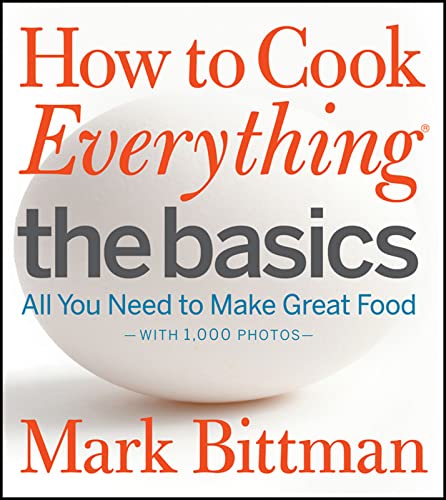
How to Cook Everything: The Basics by Mark Bittman Review: An Essential, Photo-Rich Beginner's Guide
Mark Bittman's How to Cook Everything: The Basics is a foundational beginner's cookbook that pairs 171 recipes with more than 1,000 step-by-step photographs, dedicated "Basics" sections on kitchen setup, pantry stocking, and technique, plus tips and variations designed to build lasting confidence at the stove. This review assesses the book's content, organisation, and published reception — not a kitchen test.
LuvemBooks Verdict
Best for
First-time cooks equipping a kitchen from scratch who learn best through visual guidance and want to build genuine culinary judgment — not just follow recipes — from the very first dish they attempt.
Worth it if
You are starting from zero (or close to it) and want a single, well-structured beginner volume backed by a proven series pedigree, dense photography, and technique explanations built into the recipes themselves rather than buried in a preamble.
Skip if
Experienced home cooks, or anyone who already owns the flagship How to Cook Everything, will find the deliberately narrow recipe selection and introductory technique scope offer little new ground to cover.
What readers & critics say
Shelf Awareness praised the How to Cook Everything series as "densely packed with recipes and ideas," noting that Bittman's confidence in his culinary authority is broadly validated by thousands of readers — though it also acknowledged the books "assume a certain level of competence and knowledge," a caveat this beginner-focused companion directly addresses. OregonLive described the volume as "designed to boost the kitchen confidence of beginning cooks," highlighting Bittman's five golden rules and the step-by-step recipe structure as central to its instructional appeal.
Sources: Shelf Awareness, OregonLive, The Kitchen WhispererAsk LuvemBooks
Was this helpful?
- Is it worth reading?
- For its intended audience — cooks starting from scratch — How to Cook Everything: The Basics earns a strong recommendation. The combination of more than 1,000 four-color photographs, contextually placed "Basics" pages, and recipe-level variation ideas gives beginners both the visual scaffolding and the conceptual grounding to cook with growing confidence rather than just follow steps. Experienced home cooks or those who already own the original How to Cook Everything will find the recipe count and technique scope comparatively modest, and should look to other volumes in the series for broader coverage.
- Similar books
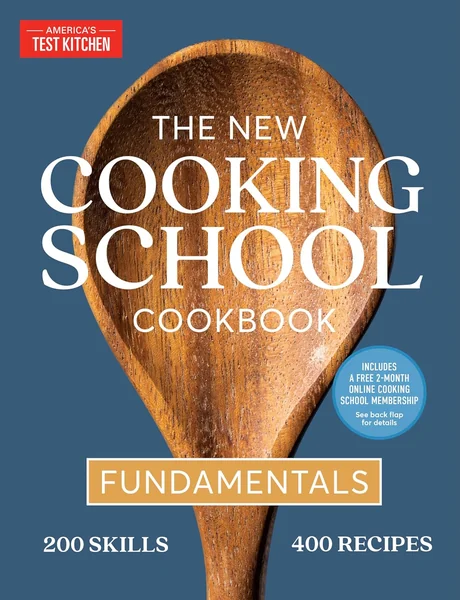
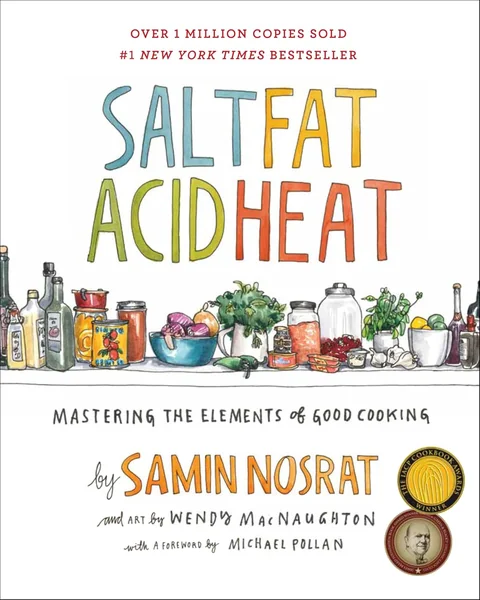
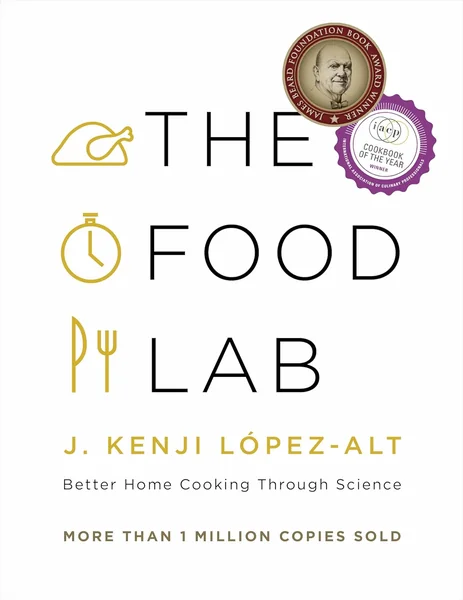
- Readers drawn to How to Cook Everything: The Basics will find strong company in several technique-focused cookbooks. The New Cooking School Cookbook: Fundamentals by America's Test Kitchen shares the same emphasis on building foundational skills before diving into recipes. Salt, Fat, Acid, Heat: Mastering the Elements of Good Cooking by Samin Nosrat takes a complementary approach, teaching the underlying principles that make food taste good rather than a fixed set of recipes. Cook This Book: Techniques That Teach by Molly Baz is another accessible, technique-forward option, while Better Homes and Gardens New Cook Book offers a broad, trusted all-purpose reference in a similar beginner-friendly spirit. For cooks who outgrow The Basics and want rigorous science behind their cooking, The Food Lab: Better Home Cooking Through Science by J. Kenji López-Alt is a natural next step.
- Who should read this?
- How to Cook Everything: The Basics is positioned squarely at cooks starting from scratch — people equipping a kitchen for the first time, learning to read a recipe, or building enough confidence to cook a meal without a safety net. The density of photography and the pre-recipe "Basics" material make it a particularly strong fit for visual learners. Accomplished cooks or those already familiar with Bittman's flagship How to Cook Everything will find the recipe count and technique scope modest, and readers seeking global breadth or advanced technique should look to other volumes in the series or beyond it.
- What is the book's teaching philosophy?
- The book is structured around the idea that learning to cook well means understanding why and how before simply following instructions. Rather than presenting a list of recipes to replicate, the variation ideas built into each of the 171 recipes are designed to teach substitution logic and creative adaptation — producing cooks who can think at the stove, not just execute a single dish. The dedicated "Basics" pages spread throughout the book reinforce this by delivering foundational knowledge — equipment, pantry, produce selection, doneness cues — in context, where it is most actionable.
- Where does this fit in Bittman's series?
- How to Cook Everything: The Basics is a companion volume to Mark Bittman's flagship How to Cook Everything — one of the most celebrated all-purpose cooking references in American kitchens. Where the parent volume is comprehensive to the point of encyclopedic, The Basics is intentionally narrow, offering 171 recipes against the flagship's considerably larger canon. That narrowness is a deliberate editorial choice: the goal is depth of understanding for beginners rather than breadth of coverage, and the series pedigree lends the book credibility in a crowded beginner-cookbook category.
- How do the 1,000+ photographs work?
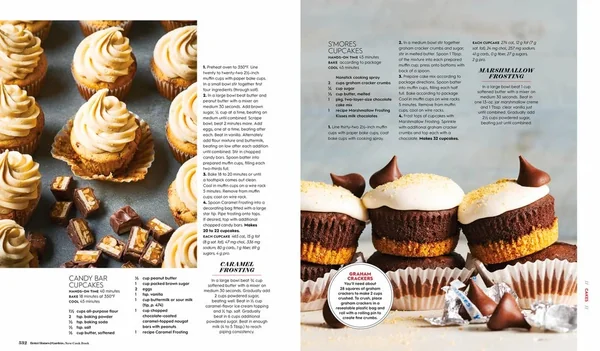
- The more than 1,000 four-color photographs in How to Cook Everything: The Basics are divided between mid-process technique shots and finished-recipe images. The combination is designed to let a cook check their own work visually at each stage of a recipe — not just at the end — functioning as visual cues that run alongside the written directions rather than simply illustrating the final plated dish. This makes the book a particularly strong fit for visual learners and for beginners who lack the experience to judge whether their technique is on track.
Summarize this book
Follow up
Synthesized from verified book data & published reviews · How we review
Press Enter to ask. Answers come from our editorial Q&A — start typing to see related questions.
Our Review
What the Book Actually Is
Structure and Organisation
The Recipe Approach and Visual Support
Place in the How to Cook Everything Series
Who This Book Is For — and Who It Isn't
Sources & Further Reading
The key facts and claims in this review are grounded in the retrieved, verified sources listed below.
- Cited in this review
- 1
- 2
- Further reading
- 3
thekitchenwhisperer.net
- 4
- 5
- 6
Age & Reading Level
Recommended age
Adult
Reading level
Adult
who it suits
Skip if you want the comprehensive recipe breadth of the flagship How to Cook Everything or are looking for advanced technique and global culinary range.
Be one of the first readers to answer.
Read it? Was it right for you?
Reader reviews
No reader reviews yet
Read it? Be the first to say what you thought.
Books like How to Cook Everything: The Basics
Curated picks for readers who enjoyed How to Cook Everything: The Basics, with our reasoning for each match.
If you liked How to Cook Everything: The Basics