8 min read
4.4
· 20,070 Amazon ratingsShare This Review

Our review
The Great Gatsby
The Great Gatsby – Reader's Library Classic by F. Scott Fitzgerald Review: An Essential Jazz Age Novel in Affordable Form
This Reader's Library Classics paperback edition of F. Scott Fitzgerald's The Great Gatsby brings one of American literature's most examined novels into the public-domain era in an accessible, compact format — making the text widely available to new readers and returning students alike, though shoppers should be aware of the broader landscape of post-2021 reprints flooding the market.
LuvemBooks Verdict
Best for
Students, first-time readers, and anyone building an affordable personal library of canonical American fiction who wants a compact, physical copy of Fitzgerald's Jazz Age masterpiece without spending much.
Worth it if
You want an accessible, low-cost entry point to one of the most enduringly debated novels in American literary history — particularly if you're drawn to Jazz Age cultural history, the hollowness of the American Dream, or Fitzgerald's lyrical modernist prose.
Skip if
Readers seeking extended narrative scope or subplot complexity may find the novel's deliberately concentrated, compressed form less satisfying — and anyone buying a public-domain reprint should first verify the edition contains the complete, unaltered text, given Wikipedia's warning that numerous altered and incomplete reprints have flooded the market since 2021.
What readers & critics say
Critical engagement with The Great Gatsby has deepened across a century: BBC Culture documents that the novel was widely misunderstood on first publication in 1925, with early reviewers reading it as crime fiction and Fitzgerald himself lamenting that "not one had the slightest idea what the book was about," while bookmarks.reviews records that even the most enthusiastic early notices left readers in "a mood of chastened wonder" without fully grasping its significance — a belated recognition that only hardened into canonical status through school curricula and later scholarship.
“An anonymous early reviewer described it as a novel requiring only 'a deadened intellect' and producing 'an aftermath of wonder that such things are produced.'”
— The GuardianAsk LuvemBooks
Was this helpful?
- Is it worth reading?
- For readers drawn to American literary modernism, the cultural history of the Prohibition era, or the enduring question of what the American Dream actually costs, The Great Gatsby remains as penetrating now as scholars have long argued it to be. The American Library Association lists it among the most discussed classics in U.S. literature, and decades of scholarship have only deepened critical engagement with the novel. Readers should note that its scope is deliberately compact and concentrated — those seeking extended narrative depth or subplot complexity may find the story more compressed than expected — but that compression is precisely where Fitzgerald's power lies.
- Similar books
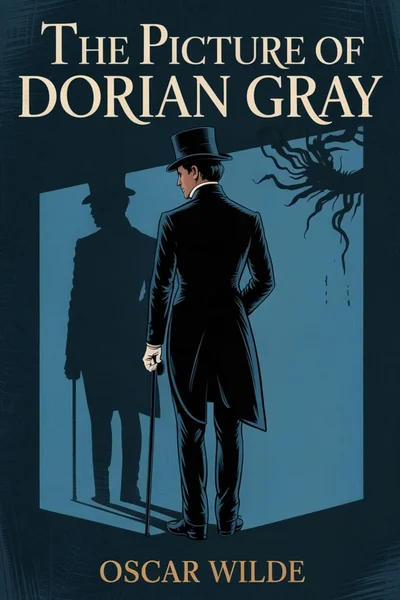
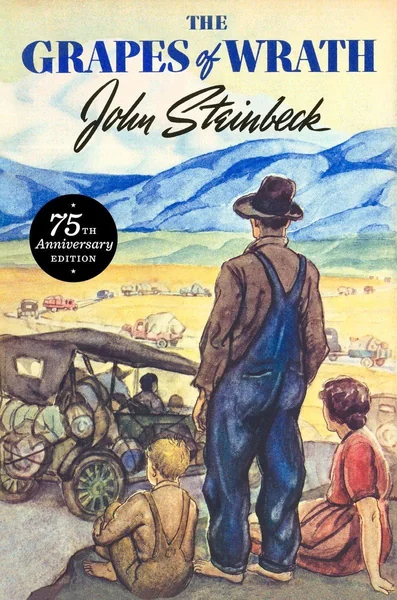
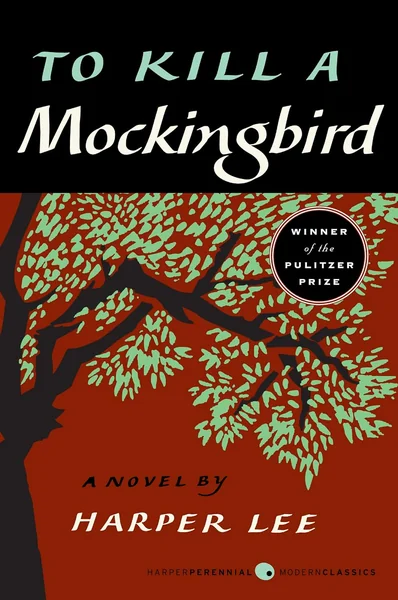
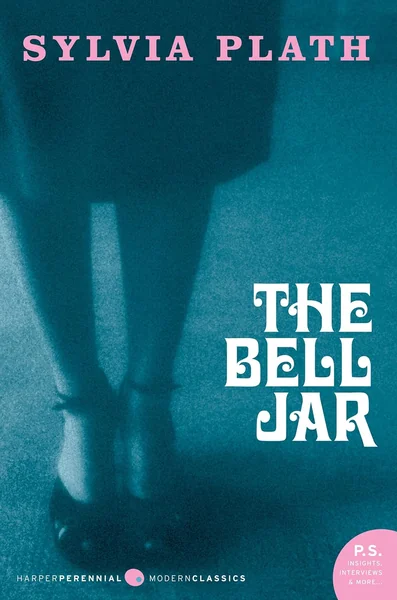
- Readers who respond to The Great Gatsby's dissection of class, ambition, and moral decay will find rich company in several curated titles. Oscar Wilde's The Picture of Dorian Gray shares the novel's fascination with surfaces, corruption beneath beauty, and the price of self-obsession. John Steinbeck's The Grapes of Wrath offers another landmark American critique of the promise versus the reality of prosperity and the Dream. Sylvia Plath's The Bell Jar echoes Fitzgerald's disillusionment — though filtered through mid-century New York — while Harper Lee's To Kill a Mockingbird similarly uses a specific American time and place to expose the gap between national ideals and lived reality. For more Fitzgerald, LuvemBooks has also reviewed The Great Gatsby and Other Works, which collects the novel alongside additional writing for readers who want deeper immersion in his world.
- Who should read this?
- This Reader's Library Classics edition is designed especially for students, first-time readers, and those building a personal library of canonical American fiction. More broadly, The Great Gatsby speaks to anyone drawn to American literary modernism, the cultural history of the Prohibition and Jazz Age eras, or sustained literary explorations of class, wealth, and the gap between aspiration and reality. Readers who prefer long, expansive narratives with intricate subplots may find the novel's deliberately compressed scope less satisfying — but those who value precision and intensity over breadth will find it essential.
- What are the main themes?
- Fitzgerald weaves several interlocking themes through The Great Gatsby: the hollowness of material success, the impossibility of recapturing the past, and the seductive cruelty of class in America. At its core, the novel argues that the pursuit of wealth and status — embodied in Gatsby's relentless fixation on Daisy Buchanan and the green light at the end of her dock — leads not to fulfillment but to emptiness. The Jazz Age setting gives these themes vivid historical specificity, using the era's glittering prosperity as a backdrop that doubles as social criticism of American idealism.
- Where should I start with Fitzgerald?
- The Great Gatsby is widely regarded as the ideal entry point to F. Scott Fitzgerald — it is his most celebrated and most critically examined work, and it encapsulates his preoccupations with wealth, aspiration, and Jazz Age America in their most concentrated form. For readers who want to go deeper after finishing it, LuvemBooks has also reviewed The Great Gatsby and Other Works, which brings together the novel alongside additional Fitzgerald writing. His other major novels — This Side of Paradise, The Beautiful and the Damned, and Tender Is the Night — are also widely noted as natural progressions for readers who want to trace his full literary arc.
- Are all editions the same?
- Not necessarily — this is one of the most important practical considerations for buyers of The Great Gatsby today. When the novel's U.S. copyright expired on January 1, 2021, it entered the public domain, triggering a wave of new reprints. Wikipedia explicitly flags that since the copyright lapsed, 'numerous altered and incomplete reprints have flooded the market.' This caution applies across the category, not as a specific verdict on any single edition, but as essential context: readers should confirm their chosen edition contains the complete, unaltered text before purchasing.
Summarize this book
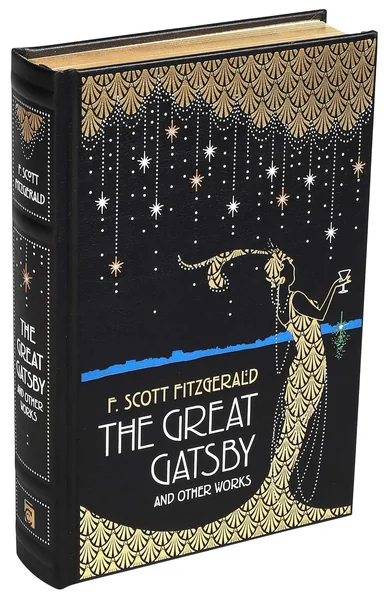
The Great Gatsby and Other Works by F. Scott Fitzgerald
Canterbury Classics' leather-bound collector's edition gathers three of F. Scott Fitzgerald's most celebrated novels — The Great Gatsby, This Side of Paradise, and The Beautiful and Damned — into a single 736-page keepsake volume, with an introduction by scholar Ken Mondschein, gilded page edges, and a ribbon bookmark. This review draws on published sources and the publisher's stated contents; the physical object itself has not been assessed first-hand.
View on LuvemBooks →
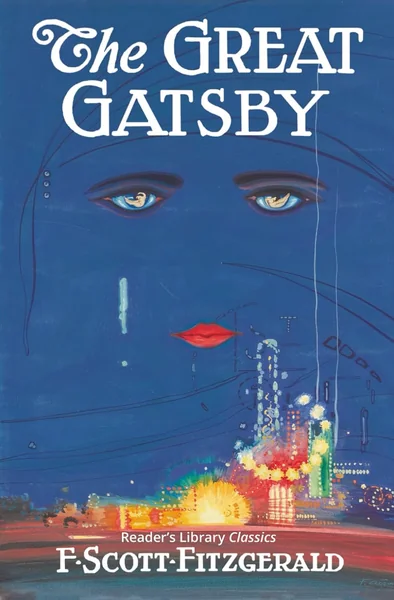
The Great Gatsby by F. Scott Fitzgerald
4.4
/ 5
This Reader's Library Classics paperback edition of F. Scott Fitzgerald's The Great Gatsby brings one of American literature's most examined novels into the public-domain era in an accessible, compact format — making the text widely available to new readers and returning students alike, though shoppers should be aware of the broader landscape of post-2021 reprints flooding the market.
View on LuvemBooks →
Follow up
Synthesized from verified book data & published reviews · How we review
What would you like to know about The Great Gatsby?
Answers come from our editorial notes on this book. If we haven't covered something, we'll say so.
Readers often ask
Our Review
We review the evidence: published critics, reader verdicts and BookTube reviews, gathered and weighed with AI assistance and edited by LuvemBooks, rather than one reader's first-hand take.
What the Novel Is — and What It Argues
The Novel's Place in the Literary Canon
A Novel That Was Not Always Celebrated

The Public Domain Context — and Why Edition Choice Matters
Who This Edition Is For
Sources & Further Reading
The key facts and claims in this review are grounded in the retrieved, verified sources listed below.
- Cited in this review
- 1
- 2
en.wikipedia.org
- Further reading
- 3
- 4
theguardian.com
- 5
- 6
- 7
bookishinsights.com
- 8
- 9
scribblesandquills.com
- 10
- 11
- 12
bookanalysis.com
- 13
- 14
Age & Reading Level
Recommended age
Adult
3 content notes · who it suits
Content to know about
Skip if you're looking for a long, plot-driven narrative with complex subplots and extended character arcs
Reader reviews
Be one of the first readers to answer.
Read it? Was it right for you?
Books like The Great Gatsby
Curated picks for readers who enjoyed The Great Gatsby, with our reasoning for each match.
If you liked The Great Gatsby