
At a glance
About the Author
William Golding1 book reviewed
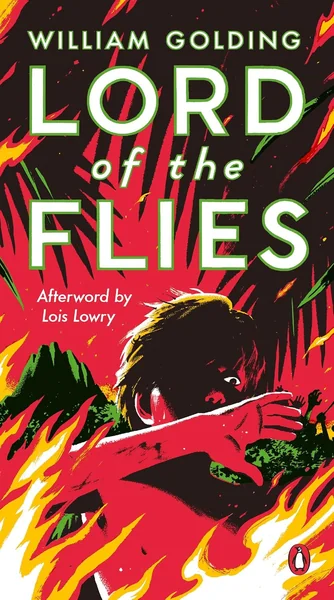
Lord of the Flies
by William Golding
LuvemBooks Verdict
Best for: Students, teachers, and first-time readers (customer guidance puts it at ages 12 and up) encountering a landmark postwar allegory in a compact, affordable Penguin edition that includes E. L. Epstein's classroom-standard afterword.
Worth it? Skip it? Read the full verdict →Ask LuvemBooks
Was this helpful?
- Is it worth reading?
- Yes — few debuts of the twentieth century have entered the common vocabulary so thoroughly; 'Lord of the Flies' now functions as shorthand for any breakdown of order among the unsupervised, and Golding went on to win the Nobel Prize in Literature in 1983. Its greatest strength is escalation: the descent into savagery is engineered from small, believable failures rather than announced, which gives the allegory its force. The key caveat is that the allegorical design can read as schematic to readers wanting psychological realism, and the book is unrelentingly bleak, with violence and cruelty among children. At 224 pages, it is a short, high-yield read.
- Similar books
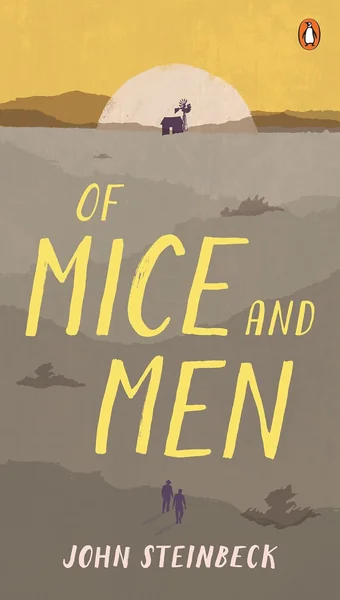
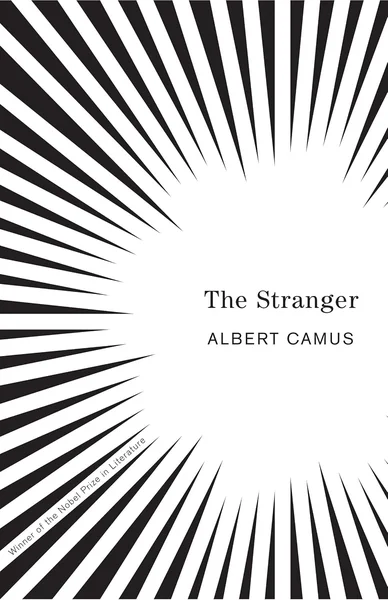
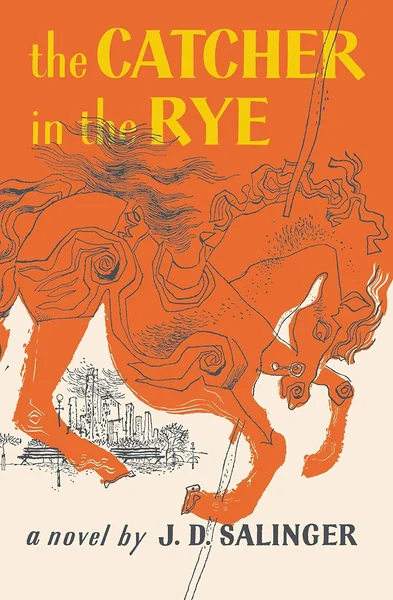
- George Orwell's Animal Farm is the natural companion — another compact, classroom-staple allegory about power corrupting a self-governing community. John Steinbeck's Of Mice and Men shares the short length, school-text status, and a brutal meditation on cruelty among the vulnerable, while Albert Camus's The Stranger offers another stark postwar examination of morality. J.D. Salinger's The Catcher in the Rye, published just three years earlier, is the other great mid-century novel of youth in conflict with the world around it. Golding's own The Inheritors and Gary Paulsen's survival adventure Hatchet are also worth a look for readers chasing the same territory.
- Who should read this?
- This Penguin reissue is aimed squarely at its natural audience: students, teachers, and general readers encountering a landmark of postwar fiction for the first time or returning to it. It is one of the most popularly assigned books in schools, and its dual address — symbols legible enough for a young reader yet layered enough to sustain adult re-reading — explains that durability. It also suits anyone who has absorbed the phrase 'Lord of the Flies' secondhand without reading the source, or who read it at fourteen and wondered whether it holds up. Readers wanting psychological realism or an uplifting arc should look elsewhere.
- What age is it for?
- Best for ages 12 and up — customer-supplied guidance places the reading level there, and it tracks with the novel's long life as a secondary-school text. The reasons are content as much as comprehension: it contains violence and cruelty between children, on-page deaths, and a view of human nature with almost no counterweight until the abrupt final rescue. Sensitive younger readers — and adults reading alongside them — should know the darkness is the point, not an incidental feature.
- Is it good for the classroom?
- Yes — it is arguably the model school text: unusually teachable without being simple. The central symbols — the conch conferring the right to speak, the beast, the signal fire, the titular 'lord of the flies' itself — are legible enough for a young reader to grasp and layered enough to sustain adult re-reading. It poses a genuine question rather than supplying a settled answer, and this Penguin edition's E. L. Epstein afterword gives first-time readers a critical framework without requiring a separate study guide.
- Where should I start with Golding?
- Start here — Lord of the Flies was Golding's 1954 debut and remains his defining work, the one that made his name and functions as shorthand for any breakdown of order among the unsupervised. From there, The Inheritors — his second novel, about the last Neanderthals meeting Homo sapiens — extends his fascination with innocence and the darker strain of humanity. The Nobel Prize in Literature followed in 1983, on the strength of a body of work this novel launched.
Summarize this book
Follow up
Synthesized from verified book data & published reviews · How we review
Press Enter to ask. Answers come from our editorial Q&A — start typing to see related questions.
Age & Reading Level
Recommended age
Ages 12–18
Reading level
Young adult
4 content notes · who it suits
Content to know about
Best for: Ages 12+ — violence and cruelty among children, and an allegorical structure that suits secondary-school readers
Skip if you want psychologically realistic characters or a hopeful view of human nature — the boys are deliberately schematic and the book is unrelentingly bleak
Editorial Review
William Golding's debut strands a group of British schoolboys on an uninhabited island and traces their disastrous attempts at self-government into savagery. A staple of classrooms for decades, it remains one of fiction's starkest studies of civility versus chaos.
Read the Full ReviewBooks like Lord of the Flies
Curated picks for readers who enjoyed Lord of the Flies, with our reasoning for each match.
If you liked Lord of the Flies
Why It’s Trending