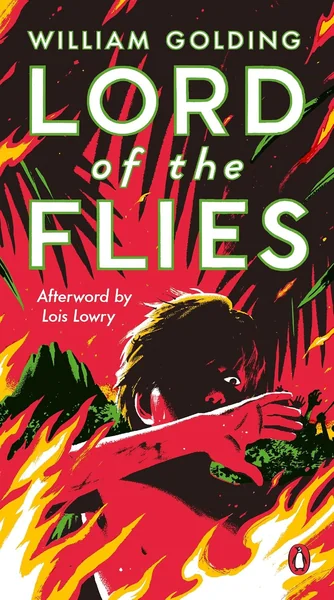
Humans breaking under sufficient strain
Golding compares human beings to architectural ceiling trusses, noting that while adequate for their purpose, any person will inevitably break under enough strain.

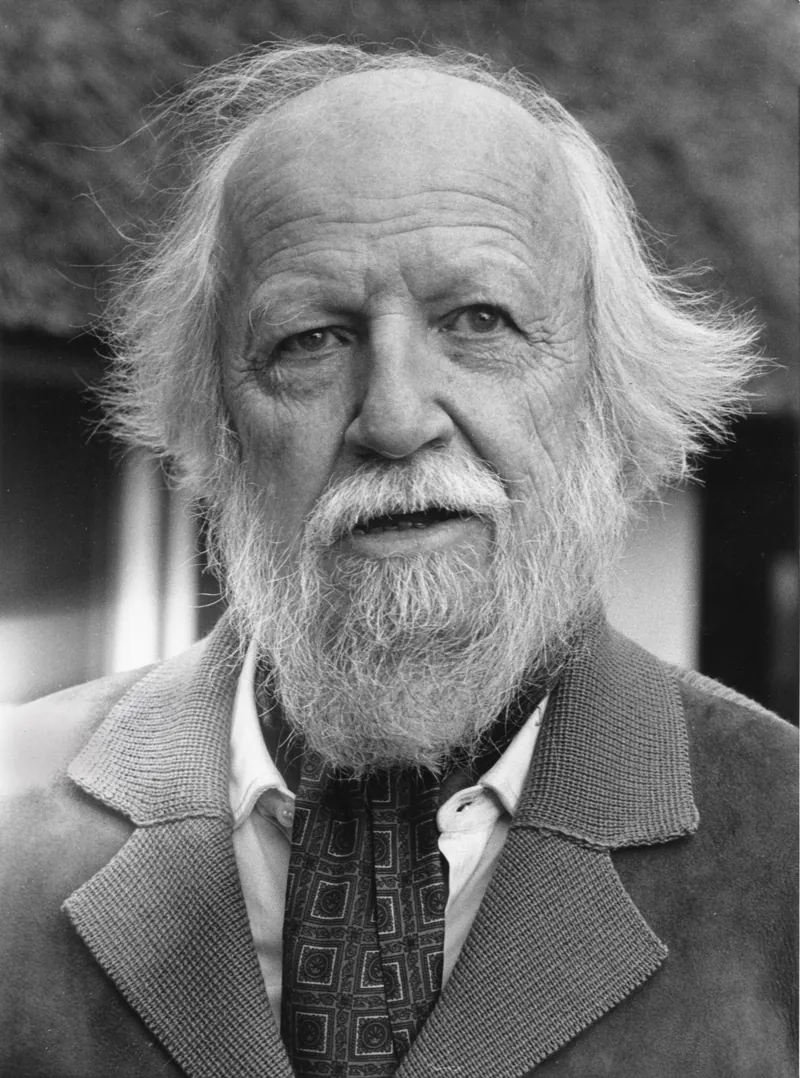
Archival audio of William Golding reflecting on human nature, nobility, and the characters of Lord of the Flies.
Uploaded by Faber Books, 2019 · Watch on YouTube ·
Golding compares human beings to architectural ceiling trusses, noting that while adequate for their purpose, any person will inevitably break under enough strain.
Golding argues that human nobility and breaking points coexist, meaning a person can show extraordinary loyalty beyond expectations and still remain noble even after reaching their breaking point.
Who is William Golding?
Follow up
Synthesized from verified book data & published reviews · How we review
Press Enter to ask. Answers come from our editorial Q&A — start typing to see related questions.
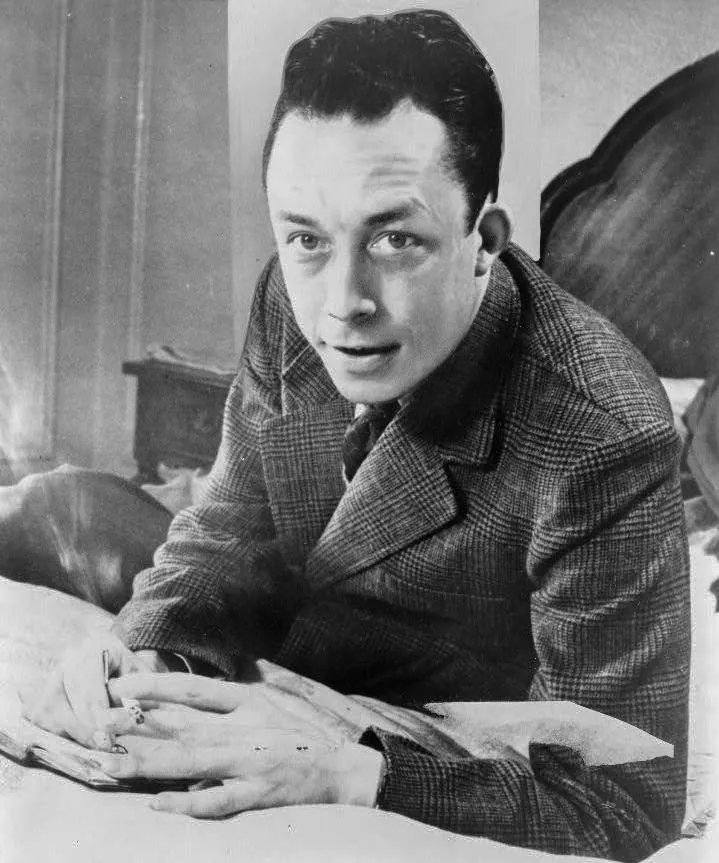
Albert Camus
Albert Camus was a French philosopher, writer, and political activist.
1 book reviewed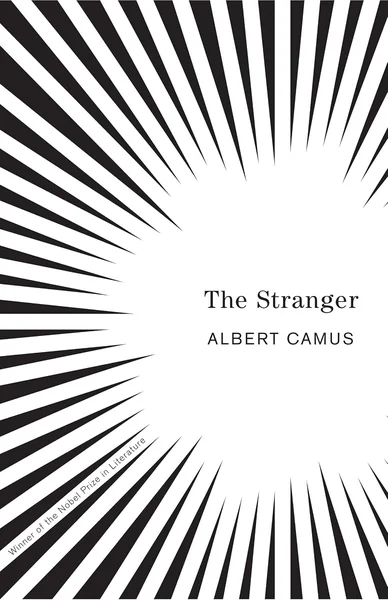
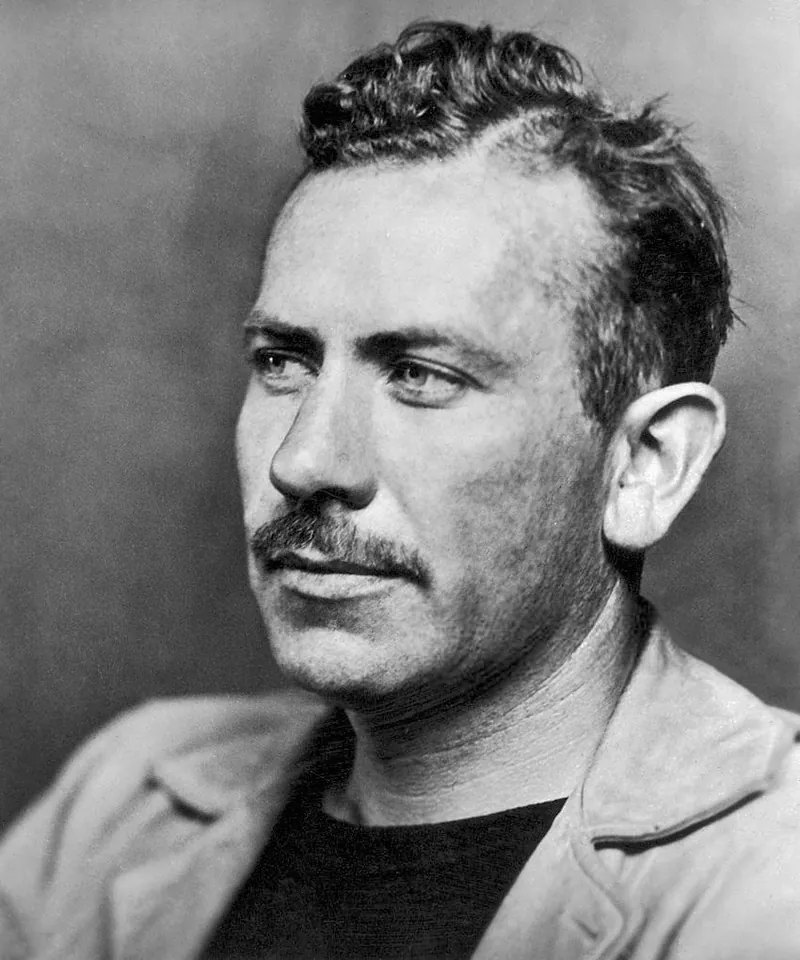
John Steinbeck
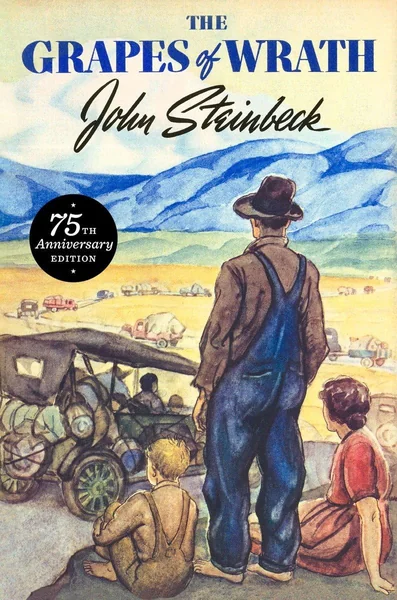
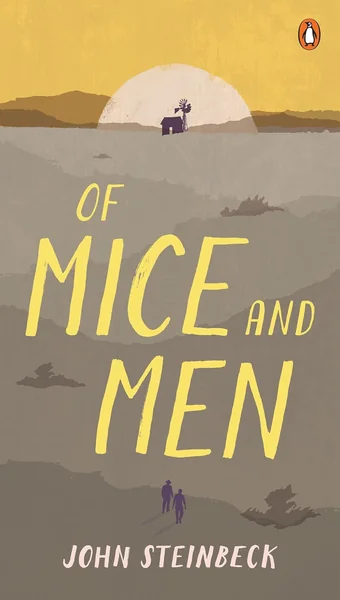
John Ernst Steinbeck was an American writer and novelist.
3 books reviewed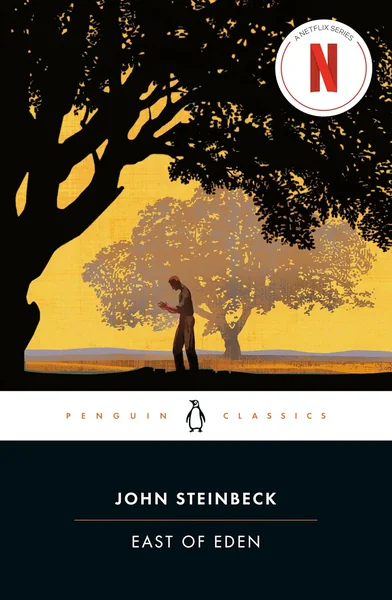
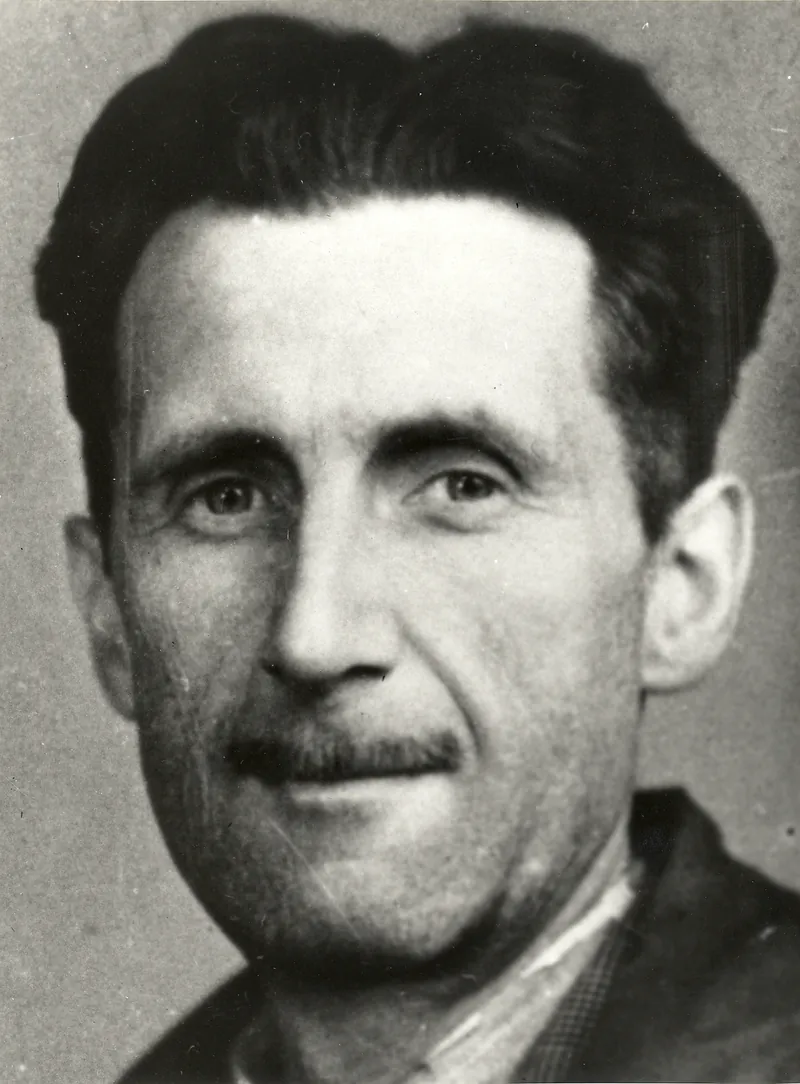
George Orwell
Eric Arthur Blair was an English novelist, poet, essayist, journalist, and critic who wrote under the pen name of George Orwell.
1 book reviewed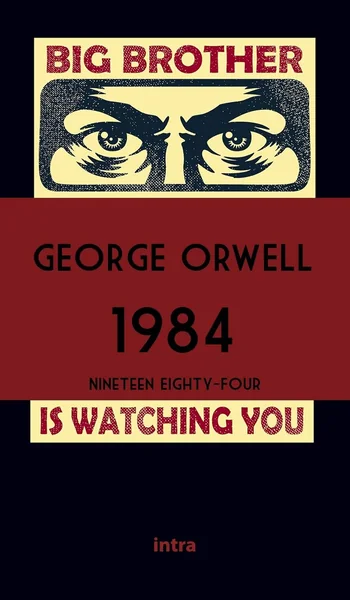
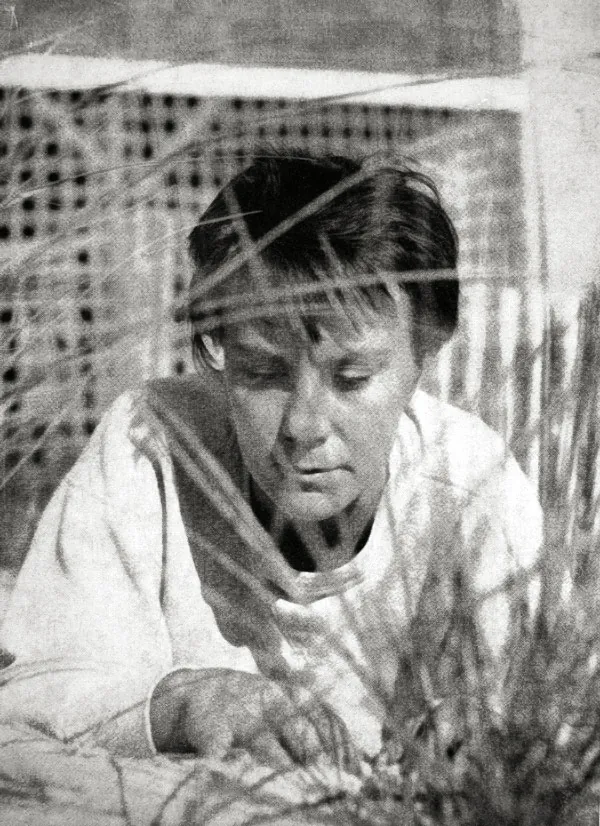
Harper Lee
Nelle Harper Lee was an American novelist whose 1960 novel To Kill a Mockingbird won the 1961 Pulitzer Prize and became a classic of modern American literature.
1 book reviewed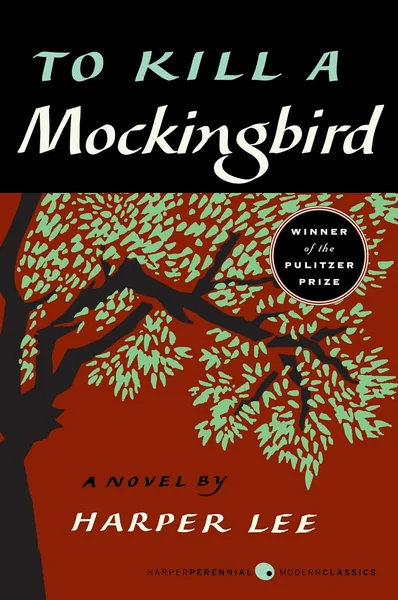
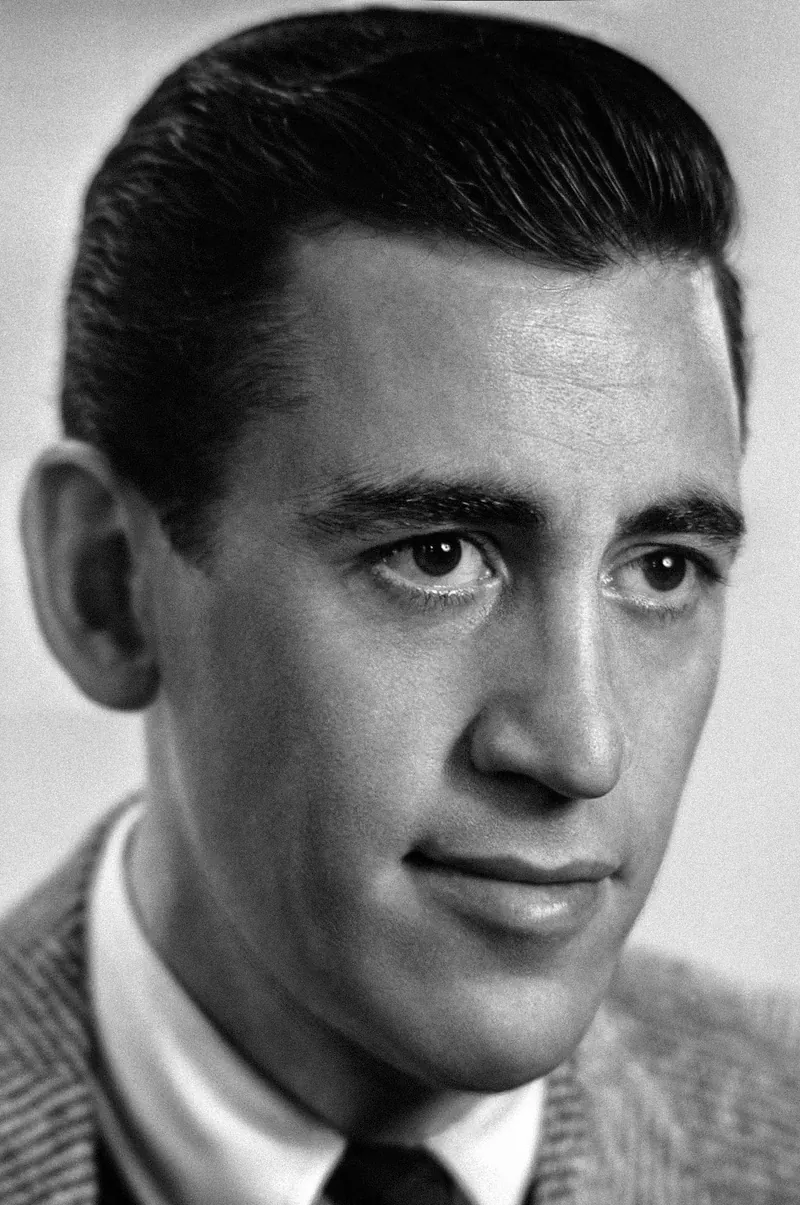
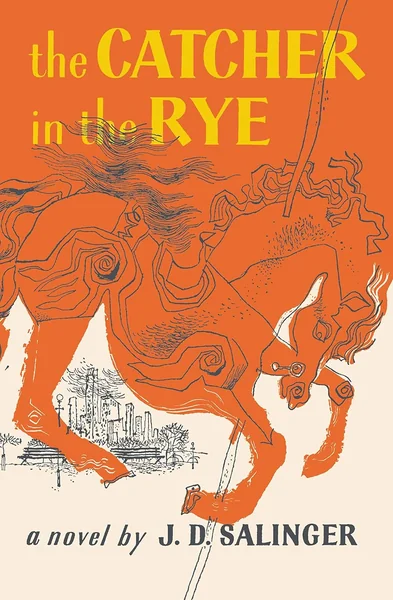
J. D. Salinger
Jerome David Salinger was an American author best known for his 1951 novel The Catcher in the Rye.
2 books reviewed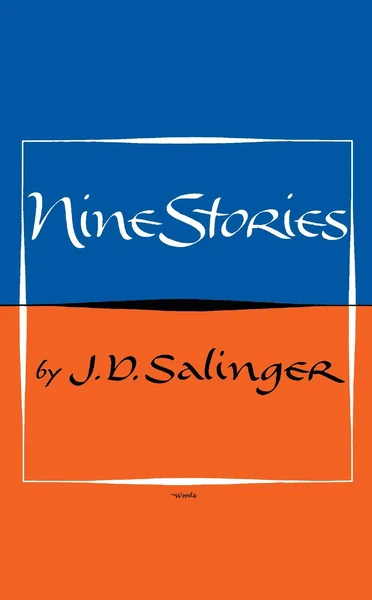

Nick Cutter
Craig Davidson is a Canadian author of short stories and novels, who has published work under both his name and the pen names Patrick Lestewka and Nick Cutter..
1 book reviewed