
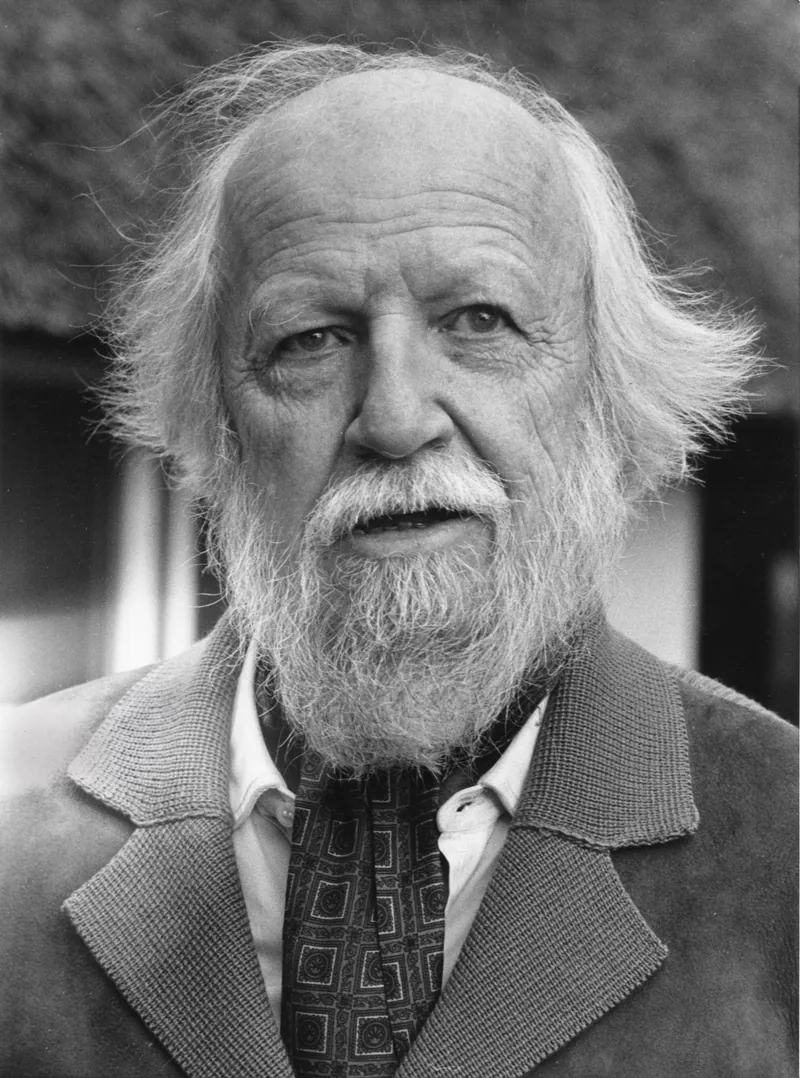
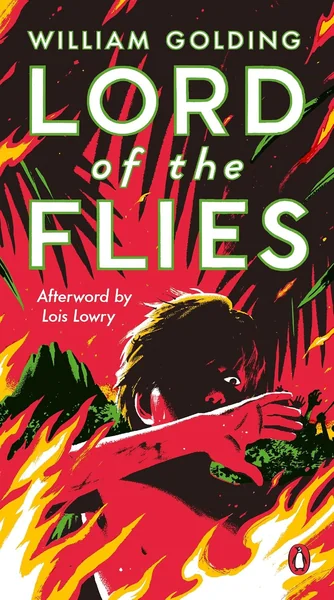
Seven decades after William Golding's Lord of the Flies was first published, the novel has received its first-ever television adaptation — and it is now streaming on Netflix. As The Globe and Mail reports, the series was written by Jack Thorne, whose limited series Adolescence made him one of the most discussed screenwriters working today.
The four-episode series debuted on BBC iPlayer on February 8, 2026, co-produced with Stan, before landing on Deadline on May 4, 2026, starring Winston Sawyers, David McKenna, and Thomas Connor.
Why Lord of the Flies Has Never Had a TV Adaptation — Until Now
It is a striking fact of adaptation history: Golding's 1954 novel, one of the most widely taught books in the English-speaking world, had been adapted for film twice — in 1963 and 1990 — but never for television, as Wikipedia's entry on the series) confirms.
Britannica notes that Thorne and director Marc Munden's limited series is largely faithful to the book, marking a new chapter in the novel's long adaptation history.
Golding's novel strands a group of British schoolboys on an uninhabited island and traces their descent from improvised governance into savagery — a story that has served classrooms and cultural arguments alike for generations.
The choice of Thorne is itself significant. Fresh from Adolescence — a series about a schoolboy arrested for killing a female classmate — Thorne arrives at Lord of the Flies with an established reputation for examining the interior lives of boys in extremis.
In his interview with The Globe and Mail, Thorne discussed his long-standing desire to adapt the novel and how this project differs from Adolescence in tone and intent.
Thorne's Tender Reframe of a Brutal Classic
What is most notable about Thorne's stated approach is what he chose to push against. He described the adaptation as 'a really loving portrait of boys', with the goal of rescuing the story from its own cliché, according to Tudum Magazine.
Rather than leaning into the novel as a horror story — the reading that has dominated its cultural life — Thorne has said he approached it as 'a tender portrait of complicated boys', a framing that sits in productive tension with both Golding's own postwar pessimism and the darkness of Adolescence.
Slate's review captures that ambition well, noting the series 'pulls out the sense of humanity and heartbreak at its core' rather than delivering the orgy of carnivalesque violence the novel's reputation might lead audiences to expect.
Critics have responded positively. Rotten Tomatoes describes the series as 'fleshing out William Golding's text with thoughtful observations about boyhood' and highlights 'a uniformly terrific troupe of child actors.'
JoBlo notes that the series was made with support from the Golding estate, lending the adaptation an authority that the earlier film versions did not always carry.
For a novel that has spent decades being read as a verdict on human nature rather than a portrait of specific boys in a specific cultural moment, Thorne's reframing is not a small editorial choice — it is a substantial interpretive argument about what the book has always been.
That argument arrives at a moment when Thorne's profile has never been higher, and when the question of how boys are shaped — and fail to be shaped — by the societies around them feels anything but academic.
Want the full verdict on Golding's original novel before or after watching? Read our review of Lord of the Flies for a full assessment of what makes the book endure and where it pushes back against its own legend.
Dark
Tense
Power & politics
Survival
Coming of age
Frequently Asked Questions
Is Lord of the Flies on Netflix in 2026?
Yes. The BBC limited series adaptation of Lord of the Flies, written by Jack Thorne and directed by Marc Munden, arrived on Netflix on May 4, 2026, after its BBC iPlayer debut in February.
Should I read Lord of the Flies or watch the Netflix series first?
Both stand on their own terms — the novel is the source of the story's moral and emotional weight, while Thorne's adaptation is reported to reframe it as a tender portrait of boyhood rather than a straightforward horror story. Read our full review of the novel to help you decide where to start.
Is the 2026 Lord of the Flies TV series faithful to William Golding's book?
According to Britannica, the Thorne and Munden adaptation is largely faithful to Golding's 1954 novel, though Thorne has stated his intent was to read the story less as horror and more as a portrait of complicated boys.
Who wrote and directed the Lord of the Flies Netflix series?
The series was written by Jack Thorne, known for co-creating Adolescence, and directed by Marc Munden, produced by the BBC in co-production with Stan.
Is Lord of the Flies by William Golding worth reading in 2026?
Golding's debut remains one of fiction's most discussed studies of civility versus chaos and is still widely taught. For our full assessment of whether it holds up, see our review of Lord of the Flies.
Has Lord of the Flies ever been adapted for television before?
No. The 2026 BBC series written by Jack Thorne is confirmed to be the first-ever television adaptation of Golding's 1954 novel, which had previously been adapted for film in 1963 and 1990.
No Discussion Yet
Be the first to share your thoughts on this news article.