6 min read
Share This Review
Our review
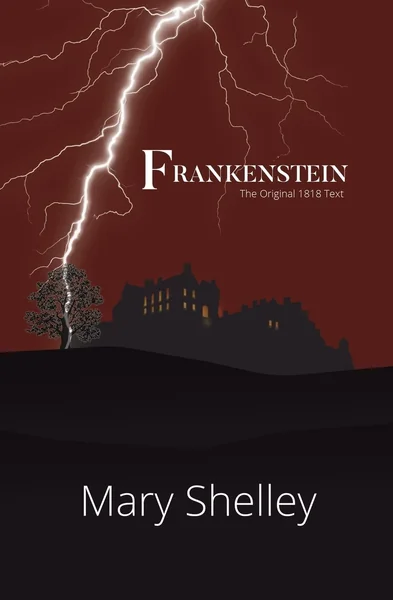
Frankenstein
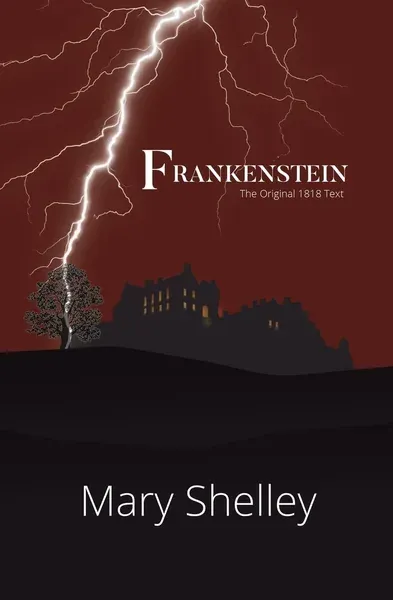
Frankenstein the Original 1818 Text by Mary Shelley Review: A Foundational Gothic Novel
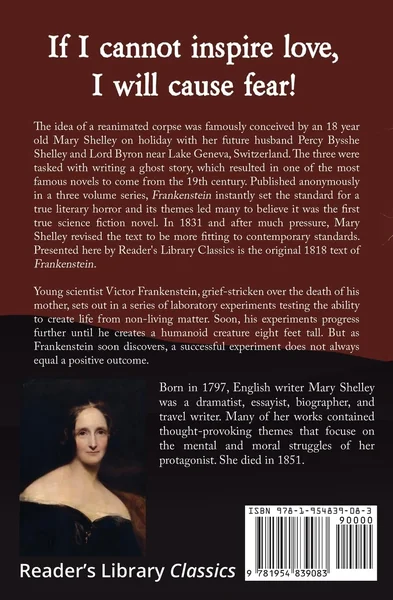
Mary Shelley's 1818 Gothic novel traces young scientist Victor Frankenstein's creation of a sapient creature and the catastrophic fallout of his abandonment. This Reader's Library Classics reprint preserves the original text that established the science fiction genre, though it lacks modern scholarly apparatus.
LuvemBooks Verdict
Best for
Readers who seek a foundational exploration of creator and creation will appreciate this preserved 1818 text that traces the catastrophic fallout of a scientist creating a sapient creature.
Worth it if
Worth reading if you want to experience the original manuscript's raw intensity and unpolished urgency before later revisions.
Skip if
Skip it if you expect a fast-paced modern horror novel and find philosophical digressions tedious.
Where reviewers agree and split
Readers rate it 4.4 on Amazon. The reviews we read that discuss it in depth agree:
- Positive
Kirkus Reviews · Press review: praises the app adaptation's design and interactivity
- Positive
Novel On My Mind · Book blog: initially missed it but ultimately praises its depth and tragedy
What readers & critics say
BBC Culture calls it a groundbreaking classic that spawned a complete horror genre. Novel On My Mind praises its existential depth after initially expecting a standard monster story.
“One which would speak to the mysterious fears of our nature and awaken thrilling horror.”
— BBC Culture“Every book that has been written about artificial intelligence since Frankenstein owes something to Mary Shelley.”
— The GuardianAsk LuvemBooks
Was this helpful?
- Is it worth reading?
- LuvemBooks recommends this edition for readers seeking a profound literary experience. Novel On My Mind highlights its depth and tragedy. Readers should note that the original prose and deliberate pacing may challenge those expecting a faster modern narrative pace.
- Similar books
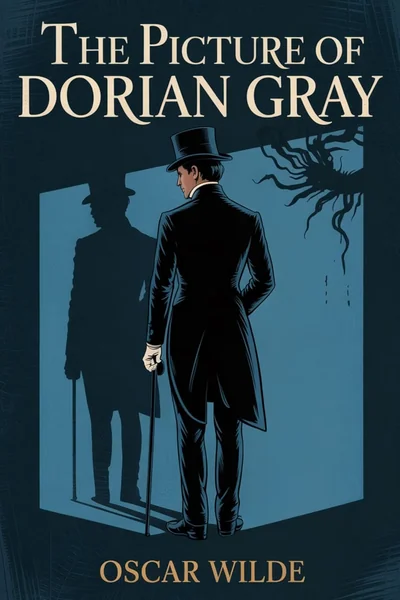
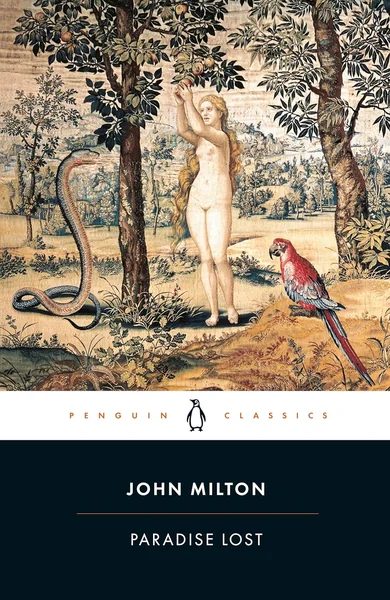
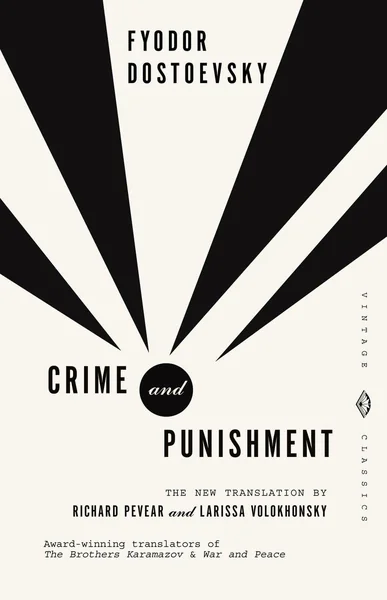
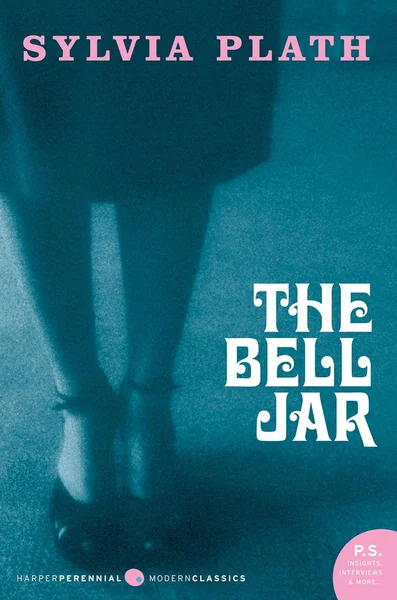
- Readers who appreciate Shelley's blend of Gothic horror and early scientific inquiry will likely enjoy Oscar Wilde's The Picture of Dorian Gray, John Milton's Paradise Lost, Fyodor Dostoevsky's Crime and Punishment, and Sylvia Plath's The Bell Jar. These titles share thematic weight and literary ambition, though Plath's work leans more toward modern psychological realism.
- Who should read this?
- This book is best suited for readers who appreciate foundational literature and Gothic horror. It also appeals to students and scholars examining early nineteenth-century scientific debates and moral philosophy. Those seeking a quick, plot-driven thriller may find the book slow.
- What age is it for?
- Ages 14 and up — complex philosophical themes, 19th-century epistolary prose, and mature psychological content suit confident high school readers and adults. The text's exploration of creation, abandonment, and moral responsibility requires a level of reading comprehension typically developed in late adolescence.
- About Mary Shelley
- Mary Wollstonecraft Shelley was an English novelist who wrote the Gothic novel Frankenstein; or, The Modern Prometheus (1818), which is considered an early example of science fiction.
- What are the main themes?
- The narrative centers on the consequences of playing god and the psychological toll of isolation. The text is widely recognized as establishing conventions for the genre. The framing challenges simple hero-villain dynamics, as noted in the editorial review's analysis of the Monster's eloquent pleas.
- What is the reading experience like?
- The Reader's Library Classics volume presents the unedited 1818 manuscript, which some early readers and reviewers noted captures a raw, urgent intensity. The compact 240-page format allows for a continuous reading session that highlights the plot's relentless momentum. However, the lack of scholarly apparatus means first-time readers must conduct their own research on historical debates.
Summarize this book
Follow up
Synthesized from verified book data & published reviews · How we review
What would you like to know about Frankenstein?
Answers come from our editorial notes on this book. If we haven't covered something, we'll say so.
Readers often ask
Our Review
We review the evidence: reader verdicts, gathered and weighed with AI assistance and edited by LuvemBooks, rather than one reader's first-hand take.
What the Book Is and the Story It Tells
Significance in Literature and Genre
Strengths of the Original Text
Limitations and Reader Considerations
Is Frankenstein Worth Reading Today?
Sources & Further Reading
The key facts and claims in this review are grounded in the retrieved, verified sources listed below.
- Cited in this review
- 1
themediajournal.substack.com
- 2
english.ox.ac.uk
- Further reading
- 3
Mary Shelley, LuvemBooks
- 4
- 5
ia802908.us.archive.org
- 6
en.wikipedia.org
- 7
americanliterature.com
- 8
- 9
- 10
- 11
- 12
bbc.com
- 13
theguardian.com
- 14
novelonmymind.com
Age & Reading Level
Our age band
Adult
Our age band groups books for browsing; it isn't an age a review gave.
3 content notes · who it suits
Content to know about
Best for: Adults — complex philosophical themes and 19th-century prose require mature reading comprehension.
Skip if you expect a fast-paced modern horror novel and find philosophical digressions tedious.
Reader reviews
No LuvemBooks readers have answered yet.
Read it? Was it right for you?
Books like Frankenstein
Curated picks for readers who enjoyed Frankenstein, with our reasoning for each match.

If you liked Frankenstein