
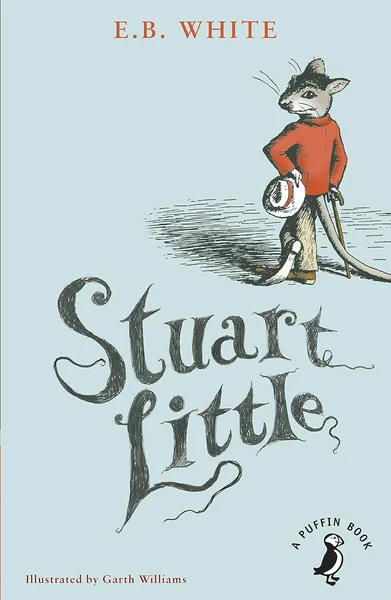
At a glance

Stuart Little
by E. B. White
LuvemBooks Verdict
Best for: Parents, teachers, and early chapter-book readers who love the gentle anthropomorphic tradition of The Wind in the Willows or Charlotte's Web and want a witty, episodic classic well-suited to reading aloud in installments.
Worth it? Skip it? Read the full verdict →Ask LuvemBooks
Was this helpful?
- Is it worth reading?
- For readers who prize quiet, witty storytelling in the anthropomorphic tradition, Stuart Little is well worth the time. Encyclopaedia Britannica credits the novel with understated humour, graceful wit, and an ironic interplay of fantasy and possibility — qualities that allow it to speak meaningfully to adults while remaining fully accessible to children. A 1945 reviewer quoted in Wikipedia judged that calling it one of the best children's books of its year was 'very modest praise for a writer of his talent.' The honest caveat is that Kirkus Reviews' original 1945 notice called the book 'pseudo-fantasy, synthetic,' singling out the schoolroom and romance episodes as serious weaknesses, and the open ending continues to divide readers — those who need narrative closure may come away unsatisfied.
- Similar books
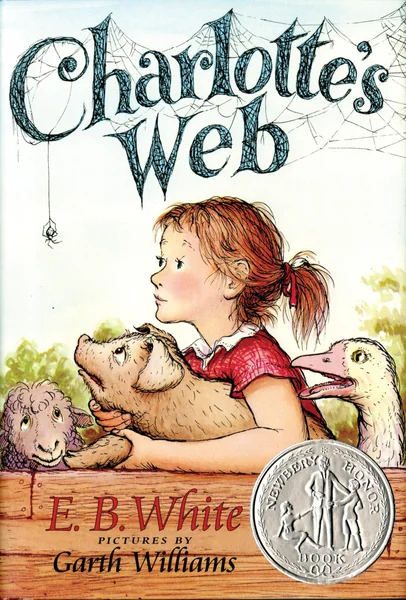
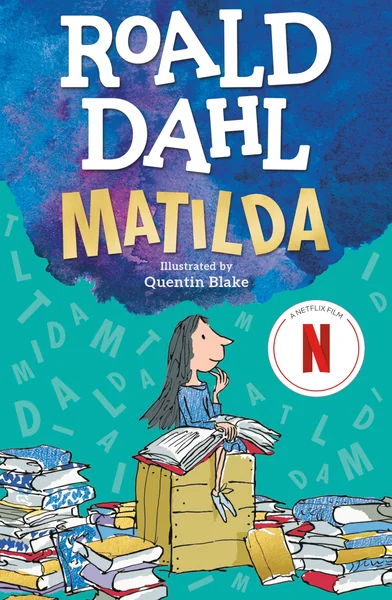
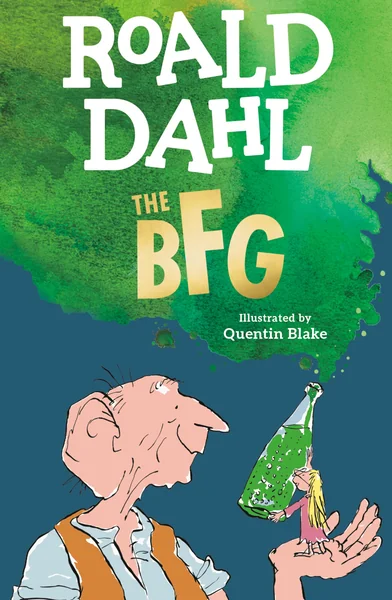
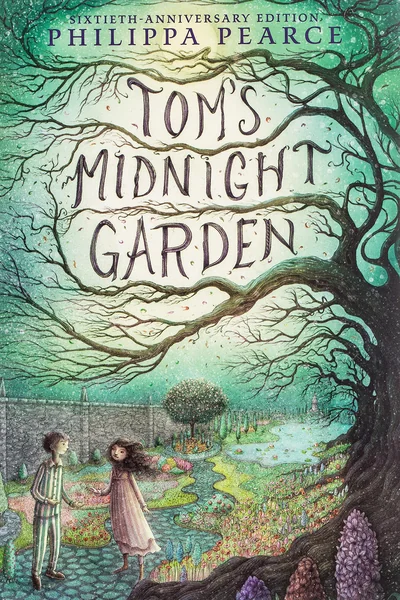
- Readers who love Stuart Little's blend of a small, resourceful protagonist and gentle anthropomorphic wit will find natural companions in the books curated below. E. B. White's own Charlotte's Web is the closest companion — White's later masterwork shares the same understated humour and the same New York pastoral sensibility. Roald Dahl's Matilda and The BFG both feature small, imaginative protagonists navigating a world scaled for larger people, with that same mix of danger and comic dignity. Kenneth Grahame's The Wind in the Willows — which Kirkus Reviews actually invoked in its original 1945 Stuart Little notice as a benchmark of the anthropomorphic tradition — is another essential read, as is Mary Norton's The Borrowers, which shares Stuart's theme of tiny characters surviving in a human-sized world. Philippa Pearce's Tom's Midnight Garden rounds out the list for readers drawn to the quieter, more literary strand of mid-century British children's fiction.
- Who should read this?
- Stuart Little is ideally suited to early chapter-book readers — roughly ages 6 to 10 — and to the adults who read aloud to them. Its episodic structure means each chapter delivers a self-contained adventure, making it well suited to bedtime reading in installments. Adults with an affection for quiet, witty prose will find the layered humour and ironic sensibility reward their own attention alongside a child's. Classroom teachers will find it a flexible teaching text: its brevity and its mix of fantasy and realism make it approachable, and its contested critical history — including the divided reception around its open ending — gives older students something genuinely worth discussing.
- What age is it for?
- Stuart Little is best for ages 6 and up. The episodic structure and short chapters make it accessible to early chapter-book readers and ideal for reading aloud to younger children from around age 5 or 6, while confident independent readers in the 7–10 range will engage with it comfortably on their own. The novel's layered wit and ironic sensibility also hold adult attention, making it a genuine multigenerational read. The one structural note worth flagging for parents: the open, unresolved ending may confuse or frustrate very young children who expect a tidy conclusion.
- About E. B. White
- Born Elwyn Brooks White in 1899, E. B. White was a masterful American writer who carved out a unique literary legacy that bridged the sophisticated world of The New Yorker magazine and the enchanting realm of children's literature.
- Tell me about the adaptation
- Sony Pictures is currently developing a brand-new Stuart Little film, reigniting interest in E. B. White's original 1945 novel. This is not the first time the character has made it to screen — a previous Sony adaptation was released in 1999, with a sequel following in 2002 — but the new project has prompted many readers to return to or discover the source material for the first time. The book's episodic, adventure-driven structure and its memorable protagonist give any adaptation plenty of material to draw from, even if the open ending has historically been a challenge to translate for mainstream audiences.
- Why is this book trending?
- Stuart Little is trending because Sony Pictures has announced it is developing a brand-new Stuart Little film, sparking renewed interest in E. B. White's original 1945 novel. Adaptation announcements reliably send readers back to source material, and this one is no exception — whether readers are rediscovering a childhood favourite or encountering the book for the first time ahead of the film.
Summarize this book
Follow up
Synthesized from verified book data & published reviews · How we review
Press Enter to ask. Answers come from our editorial Q&A — start typing to see related questions.
Age & Reading Level
Recommended age
Ages 8–12
Reading level
Middle grade
who it suits
Best for: Ages 6+ — short chapters and episodic structure suit early chapter-book readers and read-aloud sessions; confident independent readers from around age 7–8 upward.
Skip if you need a tidy narrative arc and a firmly resolved ending.
Books like Stuart Little
Curated picks for readers who enjoyed Stuart Little, with our reasoning for each match.
If you liked Stuart Little
Why It’s Trending
Stuart Little Is Having a Moment as Classic Book-to-Screen Adaptations Dominate 2026
With book-to-screen adaptations flooding streaming platforms throughout 2026, readers are revisiting the source material behind beloved classics — and Stuart Little, one of children's literature's most enduring originals, is getting a fresh look.