E. B. White
2
Books ReviewedAsk LuvemBooks about E. B. White
- Where should I start?
- Charlotte's Web is the natural first book to read if you are new to E. B. White. It is his most celebrated work, holding a reader rating of 4.8/5 from over 33,000 Amazon ratings, and it showcases everything distinctive about his writing — the rural American setting, the plainspoken but emotionally precise prose, and the willingness to address serious themes like death and loss without softening them for young readers. It is also a Newbery Honor Award winner, which reflects its standing in the broader canon of children's literature.
- What's their writing style?
- White writes in a clear, unornamented prose style that refuses to condescend to young readers — he addresses themes of death, belonging, and impermanence directly rather than euphemistically. His animal characters are never purely whimsical; they inhabit specific, grounded physical worlds, whether a barn in rural Maine or the streets of New York City, and their struggles carry genuine emotional weight. This combination of simplicity at the sentence level and seriousness at the thematic level is what has kept his children's books in print across generations.
- Books we've reviewed
- LuvemBooks has reviewed two E. B. White titles. Charlotte's Web: A Newbery Honor Award Winner (reader rating 4.8/5 from 33,036 Amazon ratings) is his most iconic work, following a pig named Wilbur and the spider who works to save his life. Stuart Little (reader rating 4.6/5 from 4,295 Amazon ratings) follows a mouse born into a New York family who sets off on an open-ended journey north — it is a quieter, more episodic book than Charlotte's Web but shares White's precise, unhurried voice.
- How do their books compare?
- Both Charlotte's Web and Stuart Little feature small animal protagonists navigating a world that was not built for them, but the two books differ considerably in structure and tone. Charlotte's Web is tightly plotted around a single farm community and builds to an emotionally resonant conclusion, while Stuart Little is more picaresque — its ending is famously open and unresolved, which some readers find unsatisfying and others find honest. Charlotte's Web also carries the heavier emotional freight of the two; Stuart Little is lighter and more adventurous in feel.
- What genre do they write?
- The two E. B. White titles reviewed on LuvemBooks are both children's fiction, specifically animal-centered stories that blend realistic observation with imaginative premises. White is not a fantasy writer in the traditional sense — his books are grounded in specific, recognizable American landscapes — but they do require readers to accept talking animals as a matter of course. Beyond children's books, White was also a celebrated essayist and journalist, though those works fall outside LuvemBooks' current coverage of his titles.
- What should I read after Charlotte's Web?
- Stuart Little is the most obvious next step after Charlotte's Web — it shares the same author's voice and the same premise of a small, determined creature finding its way through a large world. The experience is somewhat different, with a more meandering plot and an unresolved ending, but readers who responded to White's prose style will find it immediately familiar. After those two, readers often move to other mid-century American children's classics such as E. L. Konigsburg's From the Mixed-Up Files of Mrs. Basil E. Frankweiler or Roald Dahl's work.
Who is E. B. White?
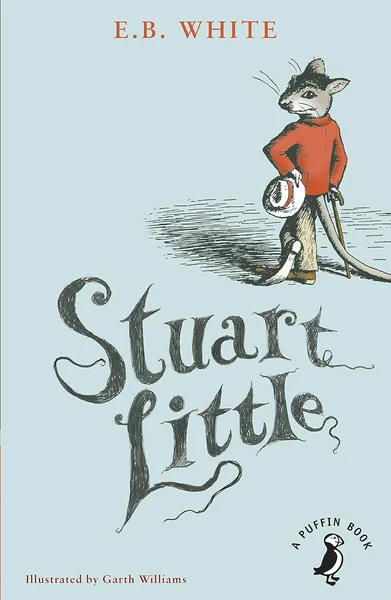
Stuart Little by E. B. White
4.6
/ 5
First published in 1945, Stuart Little is E. B. White's debut children's novel — a picaresque, episodic tale of a two-inch-tall boy born into a normal New York City family who resembles a mouse in every outward respect yet possesses the confidence and courage of a dashing hero. Illustrated by Garth Williams, the book has endured for decades as a recognized classic in children's literature, admired for its understated humour, graceful wit, and ironic interplay of fantasy and everyday possibility, even as it has attracted genuinely divided critical opinion since its original publication.
View on LuvemBooks →
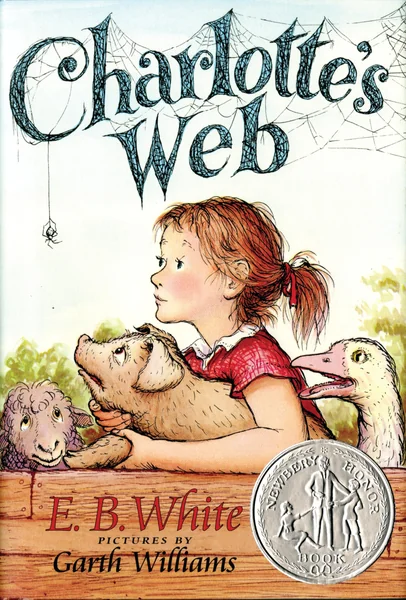
Charlotte's Web: A Newbery Honor Award Winner by E. B. White
4.8
/ 5
First published by Harper & Brothers on October 15, 1952, Charlotte's Web is a Newbery Honor children's novel by E. B. White, illustrated by Garth Williams, that has become one of the best-selling children's books of all time — following a pig named Wilbur and the spider Charlotte, whose ingenious loyalty transforms both their fates.
View on LuvemBooks →
Follow up
Synthesized from verified book data & published reviews · How we review
Press Enter to ask. Answers come from our editorial Q&A — start typing to see related questions.
Charlotte's Web: A Newbery Honor Award Winner by E. B. White
4.8/5
First published by Harper & Brothers on October 15, 1952, Charlotte's Web is a Newbery Honor children's novel by E. B. White, illustrated by Garth Williams, that has become one of the best-selling children's books of all time — following a pig named Wilbur and the spider Charlotte, whose ingenious loyalty transforms both their fates.
Reviewed Feb 26, 2026
Stuart Little by E. B. White
4.6/5
First published in 1945, Stuart Little is E. B. White's debut children's novel — a picaresque, episodic tale of a two-inch-tall boy born into a normal New York City family who resembles a mouse in every outward respect yet possesses the confidence and courage of a dashing hero. Illustrated by Garth Williams, the book has endured for decades as a recognized classic in children's literature, admired for its understated humour, graceful wit, and ironic interplay of fantasy and everyday possibility, even as it has attracted genuinely divided critical opinion since its original publication.
Reviewed Mar 26, 2026
Authors Like E. B. White
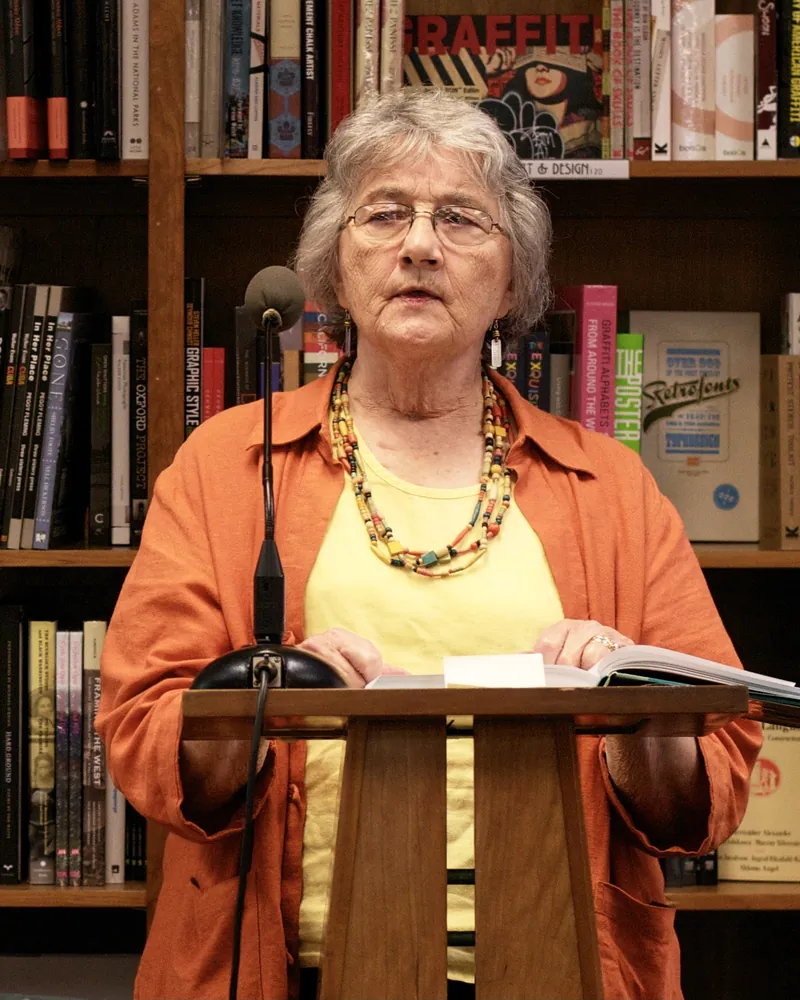
Katherine Paterson
Katherine Paterson is an American writer best known for children's novels, including Bridge to Terabithia (1977), which won the Newbery Medal in 1978.
1 book reviewed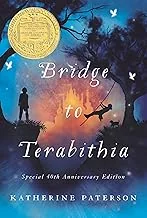

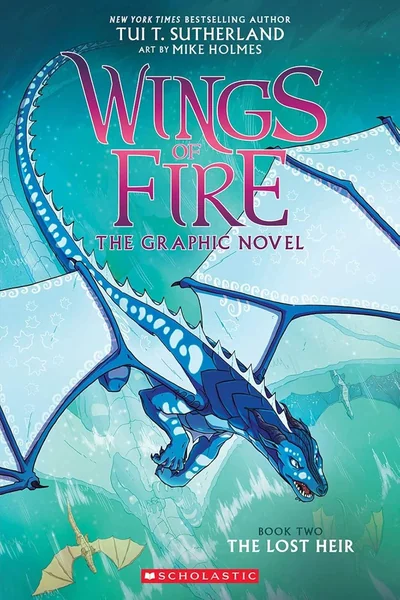
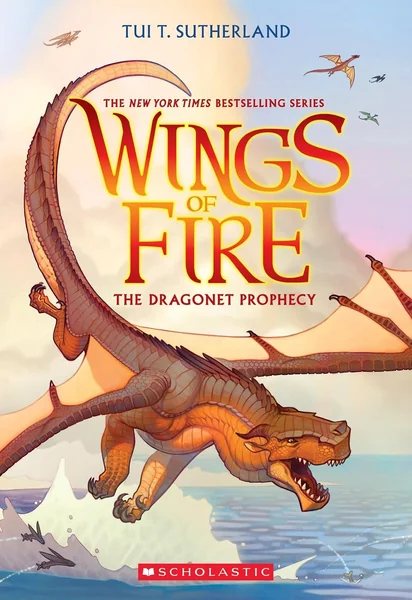
Tui T. Sutherland
Tui Tamara Sutherland is an American children's book author who has written more than 60 books under her own name and under several pen names.
3 books reviewed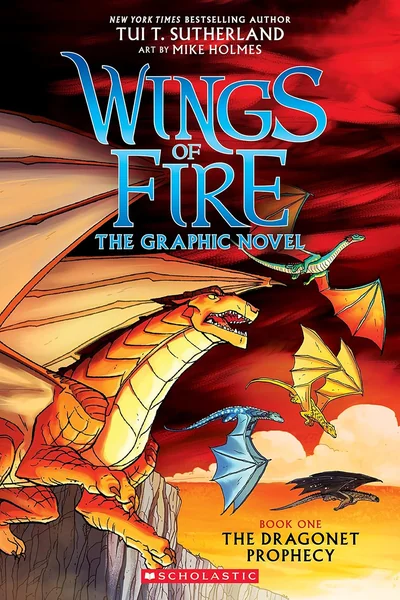
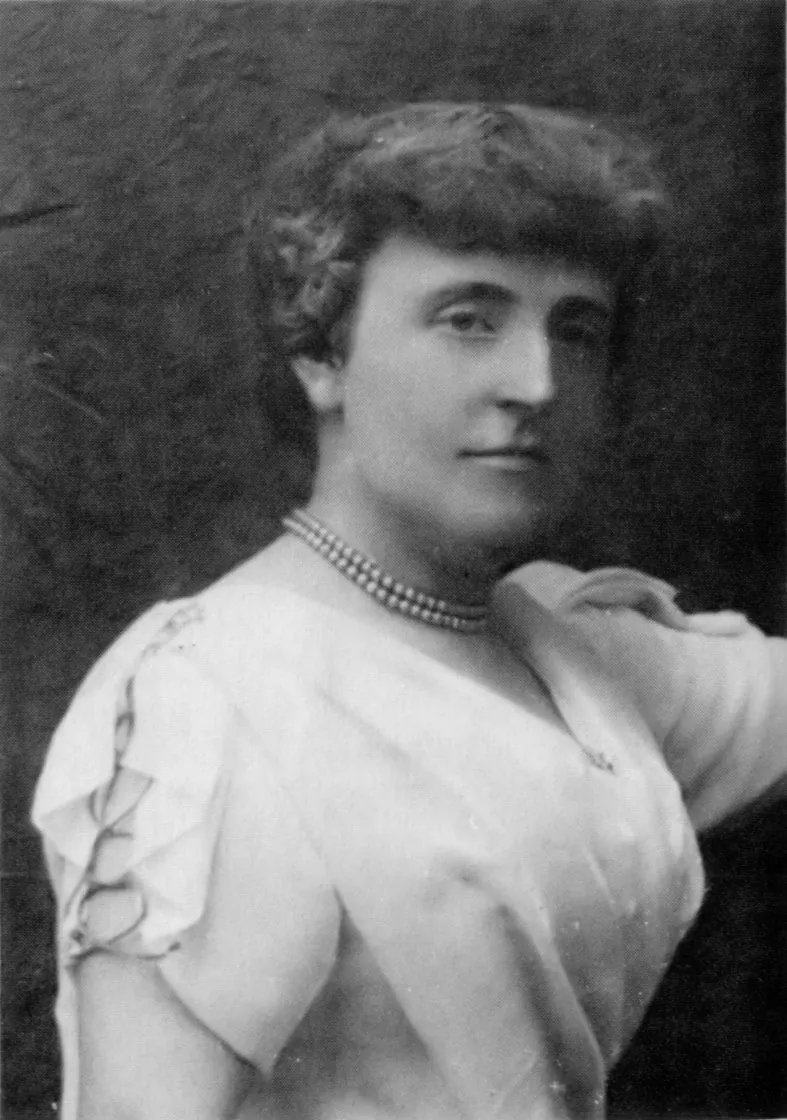
Frances Hodgson Burnett
Frances Eliza Hodgson Burnett was a British-American novelist and playwright.
1 book reviewed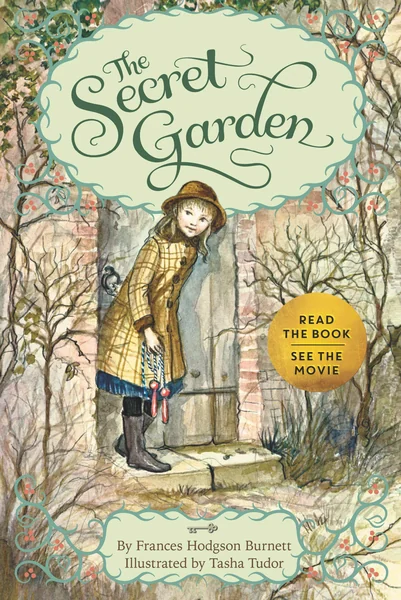

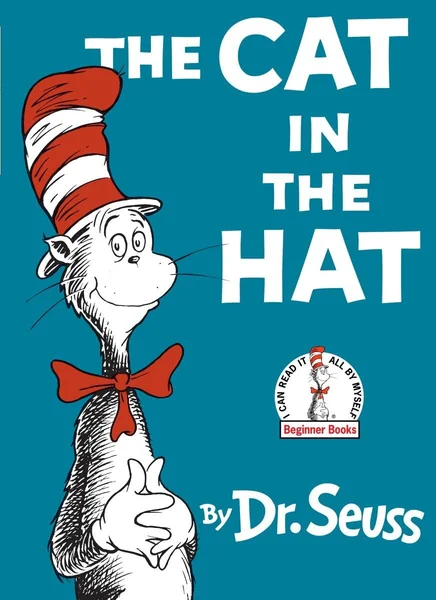
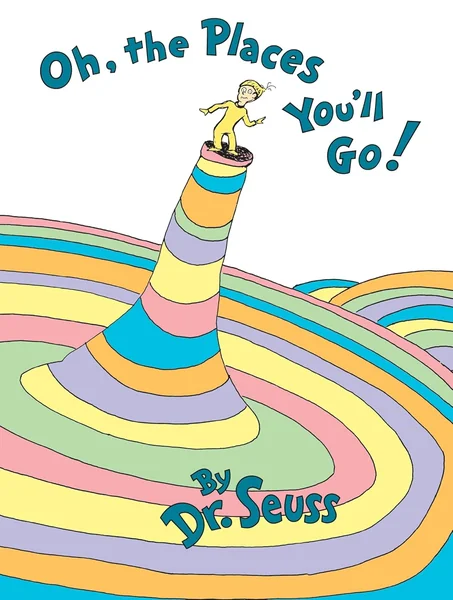
Dr. Seuss
Theodor Seuss Geisel was an American children's author, illustrator, animator, and cartoonist.
5 books reviewed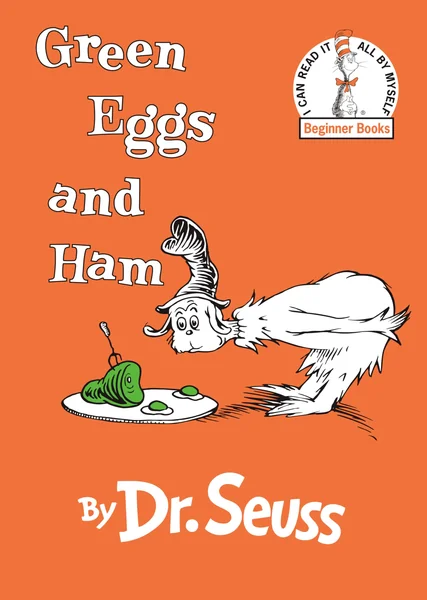

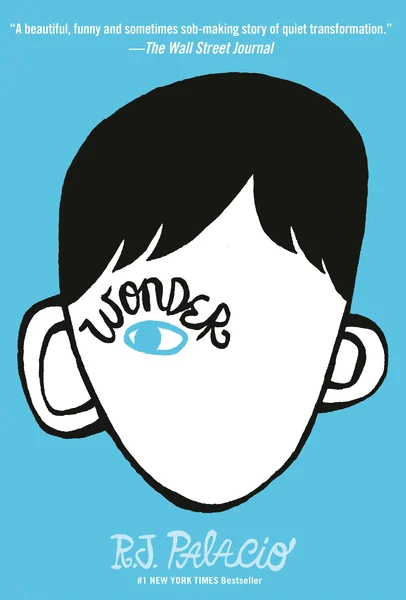
R. J. Palacio
Raquel Jaramillo Palacio is an American author and graphic designer.
2 books reviewed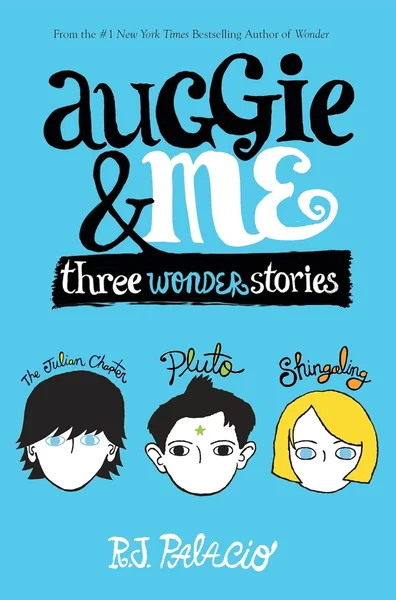

Chris Colfer
Christopher Paul Colfer is an American actor, singer, and author.
2 books reviewed