Skip to content
Reviewed

Updated

Read Time

8 min read

Reader rating
4.7 · 13,383 Amazon ratings
reader ratings, not a LuvemBooks score
Curated & edited by

LuvemBooks Editorial

How we create our reviews →
Share This Review
Front cover of The BFG

Our review

The BFG

The BFG by Roald Dahl Review: A Giant Classic for Young Readers

Originally published in 1982, Roald Dahl's The BFG remains one of children's literature's most enduring novels, built on an unlikely friendship between a small orphaned girl and a gentle giant, and backed by sales of more than 37 million copies worldwide as of 2009.

Our age band: Ages 8–12mild kidnapping peril · descriptions of giants eating humans (played for dark comedy)

LuvemBooks Verdict

Best for

Children aged roughly seven to ten — and the adults reading aloud to them — who delight in invented language, absurdist logic, and a central friendship between a brave small girl and a gentle giant outcast.

Worth it if

The reader (or the child in question) is drawn to imaginative world-building, gleefully gross humour, and the kind of invented dialect — Dahl's "Gobblefunk" — that makes language itself part of the fun; it also works as a strong first entry point into Dahl's wider body of work.

Skip if

Anyone with strong feelings about textual integrity should carefully verify which edition they are buying, given the 2023 Puffin Books editorial revisions.

Kirkus Reviews found the novel's opening irresistibly shivery but judged the BFG's mixed-up speech "simply tiresome," suggesting the book's execution does not always match its premise's promise. Wikipedia's reception entry notes broader cultural validation: the novel ranked 56th in the BBC's "Big Read" public survey and 88th in a critic's all-time best children's novels list, with over 37 million copies sold as of 2009.

“Dahl's elemental fix on kids' consciousness gets this off to a surefire shivery start.”

— Kirkus Reviews
Sources: Kirkus Reviews, Wikipedia
4.7from 13,383 Amazon ratings— reader ratings, not a LuvemBooks score

Ask LuvemBooks

Was this helpful?

The BFG is Roald Dahl's inventive 1982 classic about an unlikely friendship between Sophie, a small orphaned girl, and the Big Friendly Giant — a gentle outcast surrounded by nine far more violent neighbours who roam the earth eating humans each night. With over 37 million copies sold and a Gobblefunk dialect that young readers consistently embrace, it stands as one of children's literature's most enduring novels, equally suited as a read-aloud or an independent read for ages seven to ten. The main caveat for buyers: ongoing editorial revisions by Puffin Books mean those who want Dahl's original, unaltered text should verify the edition before purchasing.
Is it worth reading?
For its target readership of roughly seven-to-ten-year-olds, The BFG is a genuinely strong choice — its central friendship between Sophie and the BFG is specific and emotionally grounded, the Gobblefunk dialect is a creative achievement young readers consistently respond to, and it works both as a read-aloud and an independent read. Its cultural staying power — more than 37 million copies sold, a BBC Big Read listing, Royal Mail commemorative stamps, and a Steven Spielberg film — speaks to its resonance across generations. The one caveat is that buyers should verify which edition they purchase given ongoing editorial revisions by Puffin Books.
Similar books
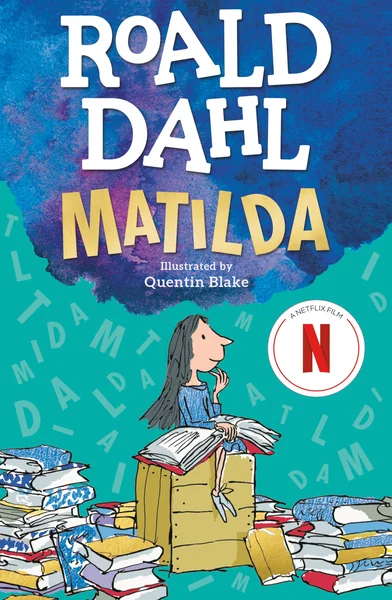
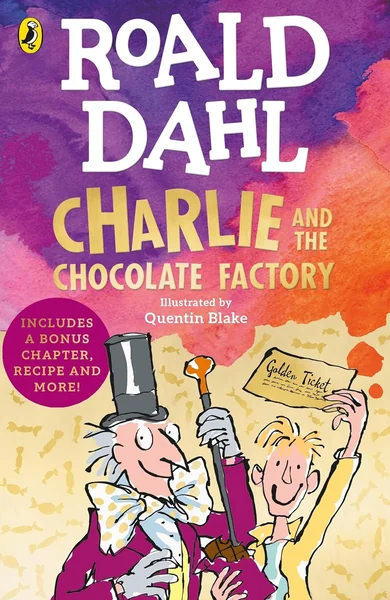
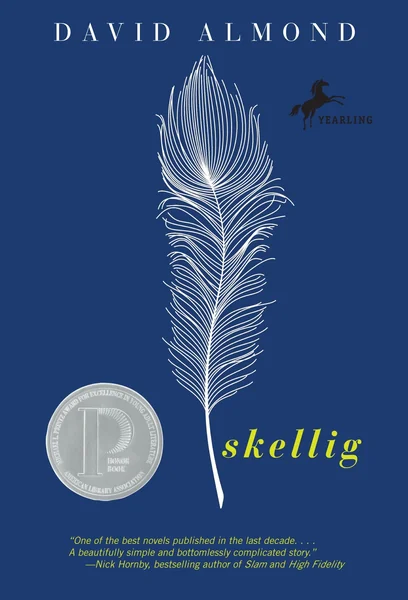
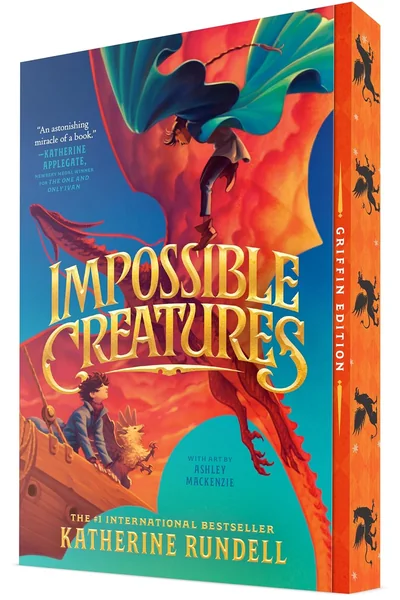
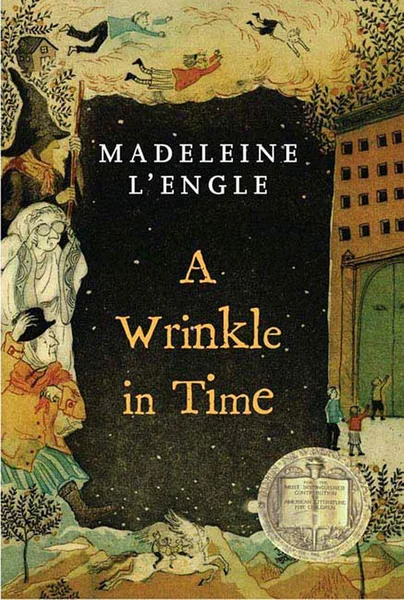
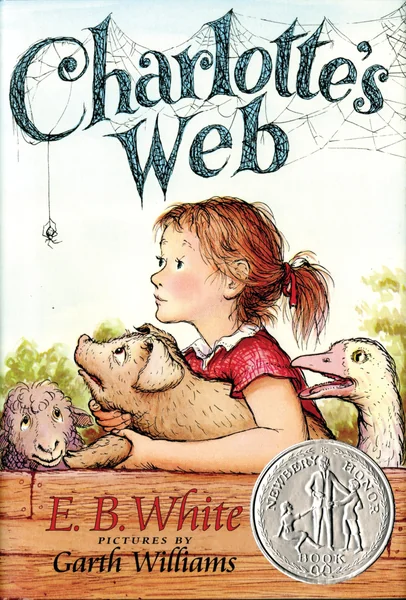
Readers who love The BFG tend to gravitate toward other books that blend genuine threat with absurd invention and a child protagonist who outsmarts the adult world. Dahl's own Matilda and Charlie and the Chocolate Factory operate in the same imaginative register and make natural next reads. For a similarly wonder-filled adventure with mythological creatures, Katherine Rundell's Impossible Creatures is a strong contemporary match, while David Almond's Skellig shares the unlikely cross-species friendship at The BFG's emotional core. Philippa Pearce's Tom's Midnight Garden and E. B. White's Charlotte's Web round out the list for readers drawn to the theme of an unexpected, life-changing bond between a child and an extraordinary being.
Who should read this?
The BFG is designed for readers roughly between the ages of seven and ten, and its mix of genuine threat, absurd comedy, invented language, and a child protagonist who is consistently smarter and braver than the adults around her makes it especially well suited to that range. It's a particularly strong pick for children who enjoy wordplay and language invention, given the Gobblefunk dialect, and for those who respond to friendship stories with real emotional stakes. Readers who have already loved Charlie and the Chocolate Factory or James and the Giant Peach will find The BFG operating in the same imaginative register; those encountering Dahl for the first time will find it a strong entry point.
What age is it for?
Best for ages 7 to 10. The BFG is designed specifically for this range, with a reading level and emotional register — genuine threat balanced with absurd comedy and invented language — that suits confident early readers and strong middle-primary readers alike. The novel's opening, in which Sophie is abducted from her orphanage bedroom at the witching hour by a giant, may feel mildly scary to children at the younger end of the range, but this is calibrated to the audience and is central to the story's appeal.
About Roald Dahl
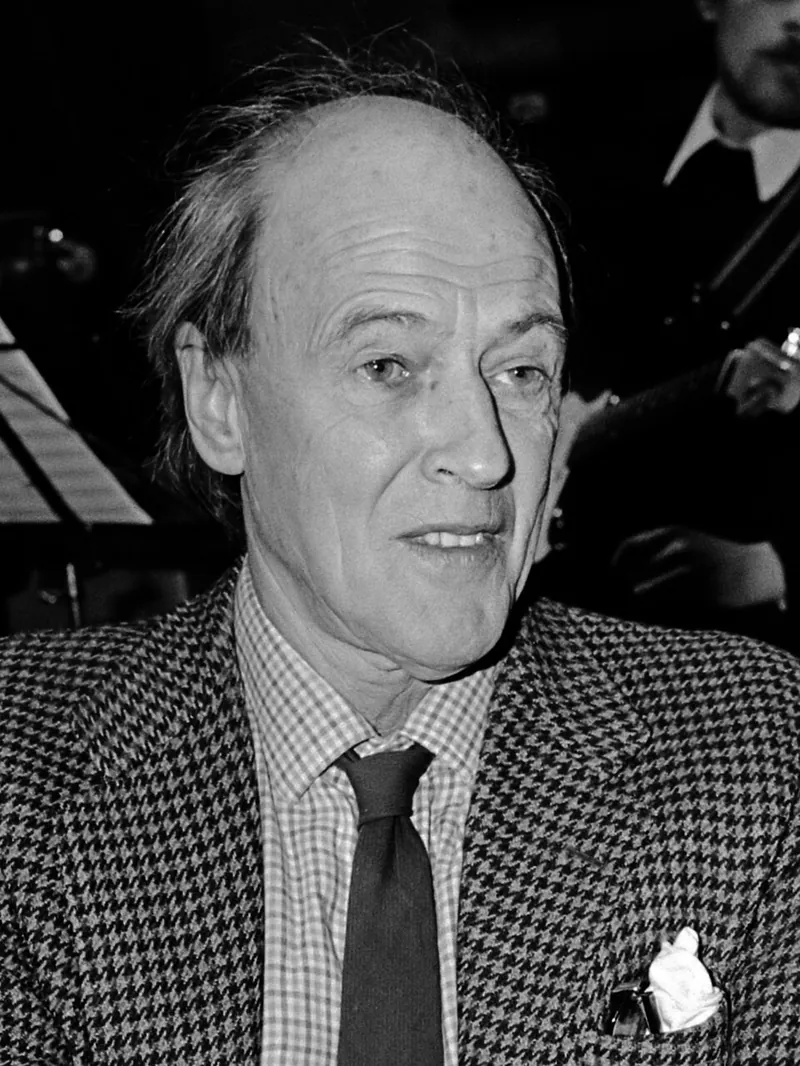
Roald Dahl was a British author of popular children's literature and short stories, a poet, screenwriter, and a wartime fighter ace.
Tell me about the adaptation
The BFG has been adapted multiple times across different media. A 1989 animated film brought the story to a new generation, and a stage version has also extended its reach. Most prominently, Steven Spielberg directed a Disney live-action adaptation released in 2016, with the film widening the novel's audience to successive generations. There was also a 1989 animated television special that preceded the Spielberg version. The novel's combination of a visually distinctive giant and a grounded child protagonist has made it a natural candidate for screen adaptation.
Summarize this book

Summarize this book

The BFG opens at the witching hour when Sophie, a small, imaginative, nearsighted orphan, peers out her window and spots a towering giant carrying a suitcase and a trumpet. The giant — the Big Friendly Giant — whisks her away to Giant Country to prevent her from revealing his existence, but unlike his nine neighbours, the BFG refuses to eat humans. Sophie and the BFG form an unlikely alliance to stop the nine man-eating giants. Originally published in 1982, the novel grew out of a short story Dahl had embedded in Danny, the Champion of the World and is illustrated throughout by Quentin Blake.

Follow up

What is Gobblefunk?
How does the Queen of England fit in?
Who illustrated The BFG?

Synthesized from verified book data & published reviews · How we review

Ask LuvemBooks

What would you like to know about The BFG?

Answers come from our editorial notes on this book. If we haven't covered something, we'll say so.

Readers often ask

Our Review

We review the evidence: published critics, reader verdicts and BookTube reviews, gathered and weighed with AI assistance and edited by LuvemBooks, rather than one reader's first-hand take.

A children's novel that has sold more than 37 million copies and spawned a Steven Spielberg film, The BFG is as close to a modern classic as children's literature gets.

What the Story Is and How It Works

The BFG opens at the witching hour, with Sophie — a small, imaginative, nearsighted girl living in an orphanage — unable to sleep. Peering out her window, she spots a towering figure in the street carrying a suitcase and a trumpet.
The giant sees her looking, reaches through the window, and carries her off to Giant Country: a desolate land populated by ten giants in all. Sophie braces to be eaten, but the giant who took her is the Big Friendly Giant — the BFG — and eating humans is precisely what he refuses to do.
He abducted Sophie solely to prevent her from telling anyone she had seen a real giant, which, he explains, would result in his capture and display in a zoo. The central situation, then, is a mismatched alliance: a tiny orphan and a gentle outcast giant, surrounded by nine far larger and more violent neighbours who roam the earth each night consuming human beings.
The novel traces how Sophie and the BFG devise a plan to stop those nine giants.

Place in the Genre and Its Cultural Footprint

Originally published in 1982, The BFG grew out of a short story Dahl had embedded in his novel Danny, the Champion of the World, and it represents one of the most successful expansions in his body of work. According to Wikipedia's reception summary, the novel was listed at number 56 in the BBC's "Big Read" survey of the British public, and in 2012 School Library Journal ranked it number 88 among all-time best children's novels.
That same year, the BFG and Sophie were commemorated on Royal Mail postage stamps — a mark of cultural penetration that few fictional characters achieve. More than one million copies sell worldwide each year, a figure that places it in genuinely rare company for a four-decade-old children's title.
A 1989 animated adaptation, a stage version, and Steven Spielberg's Disney live-action film have each extended its reach to successive generations.

What Dahl Does Distinctively Well

The novel's greatest creative asset is the BFG's voice. Dahl constructs an entire idiosyncratic dialect for the giant — "Gobblefunk," as it has come to be known — a speech full of invented words, scrambled idioms, and cheerful malapropisms that is as much a character trait as anything the BFG does in the plot.
A blog discussion hosted by Ohio State University noted that the BFG's distinctive speech, which stems from never having been formally taught, functions as a vehicle for one of the book's central ideas: Sophie neither mocks nor dismisses the giant for how he speaks but instead works alongside him, modelling acceptance rather than othering. Dahl also populates Giant Country with the kind of gleefully gross logic that his young readers have always responded to — the giants adjust their nightly human-hunting routes partly on the basis of flavour, so people from Greece taste too greasy and people from Panama taste like hats.
This inventive absurdity, applied with rigorous internal consistency, is a hallmark of Dahl's method and is on full display here.

Genuine Limitations Worth Noting

Not every element of the novel lands with equal force. The novel is also at the centre of an ongoing publishing debate: in February 2023, Puffin Books announced revisions to language across several of Dahl's children's titles, a decision that generated significant public controversy given Dahl's explicit instruction that publishers should not alter his work.
Readers and parents with strong feelings about textual integrity should note which edition they are purchasing, as different printings may reflect different editorial choices.

Who This Book Is For

Dahl dedicated The BFG to his eldest daughter Olivia, who died of measles encephalitis at the age of seven in 1962 — a dedication that gives the novel a quiet emotional gravity its young audience need not fully understand to feel. The book is designed for readers roughly between the ages of seven and ten, and its combination of genuine threat, absurd comedy, invented language, and a child protagonist who is consistently smarter and braver than the adults around her makes it well suited to that audience.
Quentin Blake, whose decades-long collaboration with Dahl is itself a piece of children's publishing history, provides the illustrations. Readers who have already loved Charlie and the Chocolate Factory or James and the Giant Peach will find The BFG operating in the same imaginative register — and those encountering Dahl for the first time will find it a strong entry point into his world.

Sources & Further Reading

The key facts and claims in this review are grounded in the retrieved, verified sources listed below.

  1. Cited in this review
  2. 1
  3. Further reading
  4. 2

    Roald Dahl, LuvemBooks

  5. 3

    en.wikipedia.org

  6. 4
  7. 5

    kirkusreviews.com

  8. 6
  9. 7
  10. 8
  11. 9
  12. 10
  13. 11
  14. 12
  15. 13
  16. 14
  17. 15

Age & Reading Level

Our age band

Ages 8–12

Reading level

Middle grade

Amazon listing

Ages 7–10 (set by customers) · Grade 3–7

Our age band groups books for browsing; it isn't an age a review gave.

Content to know about

mild kidnapping peril
descriptions of giants eating humans (played for dark comedy)

Best for: Ages 7+ — text length, invented language, and reading complexity suit confident early readers; the kidnapping premise and man-eating giants are calibrated for this age range rather than younger children.

Skip if you want a neatly plotted story with a tightly resolved ending — the novel's final act is broadly considered its weakest.

Roald Dahl on The BFG

Author Roald Dahl invites viewers into his writing hut to share his daily writing routines, techniques, and the real-life inspirations behind his books.

Recorded 1988 · Uploaded by PDCS216, 2024 · Watch on YouTube ·

More from this interview on Roald Dahl's page →

Great Missenden inspiring The BFG

Dahl modeled the opening setting of The BFG on the high street of his home village, Great Missenden, including the building he envisioned as Sophie's orphanage.

From our readers

Reader reviews

Be one of the first readers to answer.

Read it? Was it right for you?

Books like The BFG

Curated picks for readers who enjoyed The BFG, with our reasoning for each match.