8 min read
4.8
· 4,511 Amazon ratingsShare This Review
Our review
See You Later, Alligator
See You Later, Alligator by Sally Hopgood Review: A Giggly Goodbye Romp for Preschoolers
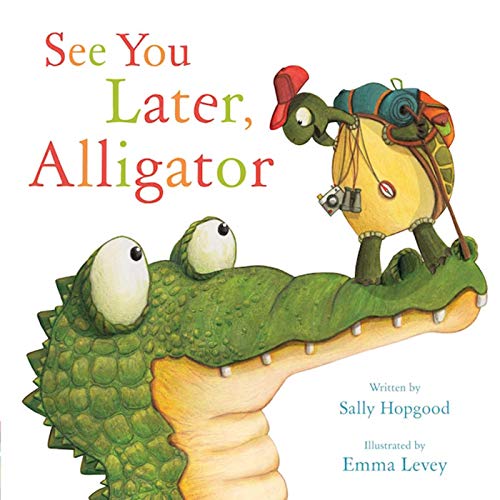
See You Later, Alligator is a rhyming picture book by Sally Hopgood, illustrated by Emma Levey, published by Sky Pony in 2016, in which a tortoise determined to embark on an adventure cannot resist saying an increasingly silly farewell to every animal he encounters — a premise that proved popular enough to spend eighteen weeks on the New York Times Bestseller list.


 Tap to enlarge
LuvemBooks Verdict
Best for
Caregivers, nursery educators, and gift-givers looking for a high-energy, rhyming read-aloud for preschoolers aged two to four who delight in animal characters, comic repetition, and participatory storytelling.
Worth it if
You're after a reliably funny, rhythm-driven bedtime or group read-aloud for the youngest picture-book audience — one with genuine bestseller credentials and a structure children can anticipate and join in with.
Skip if
Readers or gift-givers seeking narrative complexity, emotional depth, or stories suited to children who have moved beyond the preschool-to-kindergarten window are likely to find the single-joke, cumulative format too thin.
What readers & critics say
Picture Book Perfect (picturebookperfect123.com) calls it a "humorous rhyming picture book" that "lends itself to the younger reader" through its clever, predictable farewell rhymes. Father Reading (fatherreading.wordpress.com) describes it as "a nice, easy read suitable for children 2+" that delivers "charming illustration and a little joke at the end," while mehibi.com concludes it is "simple, funny, and very colorful," praising its ability to take a classic phrase and turn it into "a whole adventure."
Sources: Picture Book Perfect, Father Reading, MehibiPreview the book
Ask LuvemBooks
Was this helpful?
- Is it worth reading?
- For families with children in the two-to-four age range, See You Later, Alligator delivers reliably on its core promise: expressive rhyming text, a participatory cumulative structure, and a comic escalation that the publisher's own data suggests children want to revisit again and again. Its eighteen-week run on the New York Times Bestseller list reflects genuine word-of-mouth traction, most plausibly driven by caregivers and early childhood educators seeking dependable read-aloud material. The honest caveat is that the book's commitment to a single joke — Tortoise's ever-sillier goodbyes — is also the ceiling of its ambition; it is not trying to be a layered or emotionally weighty picture book, and it succeeds precisely because it knows what it is.
- What age is it for?
- Best for ages 2 to 4. The book is specifically calibrated for the preschool-to-kindergarten range — the animal characters, comic repetition, and predictable rhyme schemes are reliably effective tools for that developmental stage, and the publisher's verified reading-age data confirms two to four years as the core target. Children at the upper end of that range will get the most from the participatory, read-aloud format, while those who have moved beyond early picture books may find the single escalating joke thinner than they'd like.
- Similar books
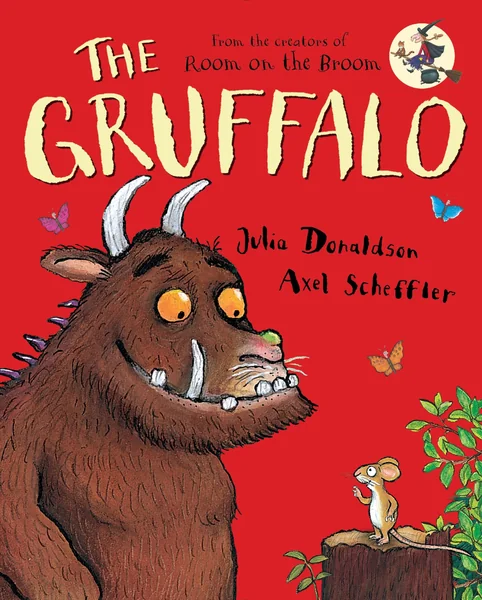
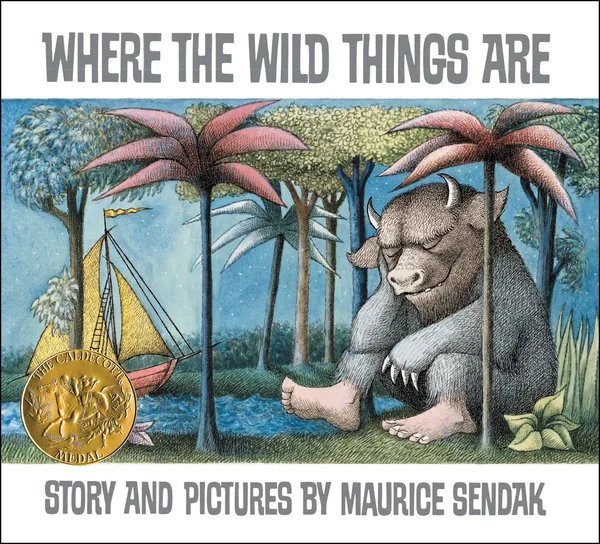
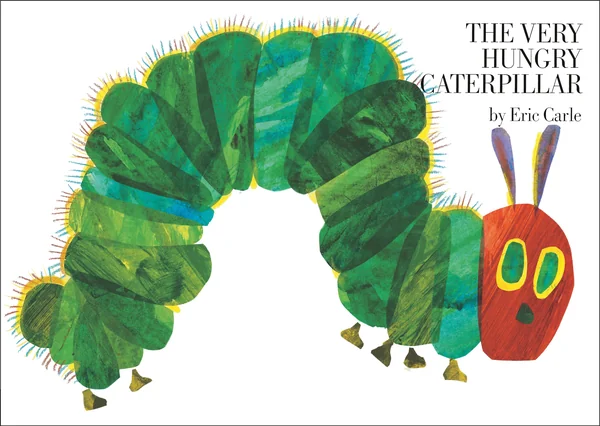
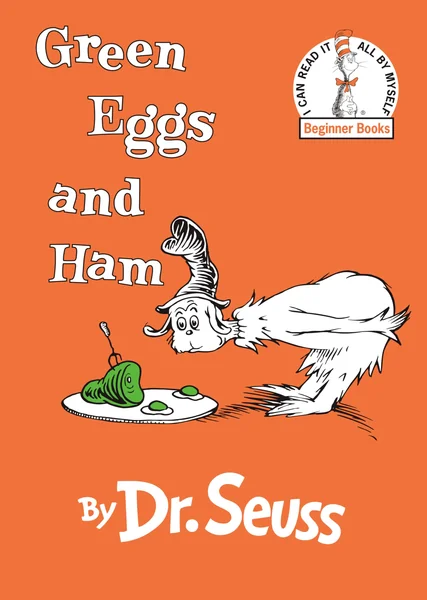
- Readers who enjoy See You Later, Alligator's rhyming animal comedy and read-aloud rhythm will find close company in several picture-book classics. Julia Donaldson's The Gruffalo shares the cumulative animal-encounter structure and the pleasures of repeated, rhythmic text. Dr. Seuss's Green Eggs and Ham is built on a similarly relentless single premise, with repetition as its primary comic tool. Where the Wild Things Are by Maurice Sendak and The Very Hungry Caterpillar by Eric Carle both reward repeated readings with young children through visual and structural patterning. For families drawn to the adventure-and-exploration thread in Tortoise's story, Dr. Seuss's Oh, the Places You'll Go! offers a warmly absurdist take on setting out into the world.
- Who should read this?
- See You Later, Alligator is aimed squarely at children aged two to four and the caregivers, parents, and early childhood educators who read aloud to them. Its rhyming, repetitive farewell structure is designed for preschool participation — children can anticipate the pattern and begin reciting along — making it especially useful in read-aloud group settings as well as at home. Adults reading alongside toddlers will find a mild layer of self-aware humour in the possibility that Tortoise is simply stalling the start of a scary adventure, though the comedy will be front and centre for young readers. Families or gift-givers seeking narrative complexity or emotional depth beyond wordplay are not the intended audience.
- How does it perform as a read-aloud?
- Read-aloud performance is central to what See You Later, Alligator is designed to deliver. The publisher describes the text as 'expressive, rhyming,' and the cumulative farewell structure gives each reading a performative dimension — adults can play up the escalating silliness of each goodbye while children begin to anticipate and recite the rhymes. The review notes that the experience is at its best when read aloud, and that the interactive, participatory nature of the text is not incidental but the primary tool of engagement. The book's eighteen-week run on the New York Times Bestseller list is attributed most plausibly to caregivers and early childhood educators seeking reliable read-aloud material.
- What is the rhinoceros-unicorn moment?
- One standout moment flagged in the publisher synopsis involves Tortoise cheerfully mistaking a perplexed rhinoceros for a unicorn — a detail the review identifies as emblematic of the book's tone of 'affectionate absurdity.' It captures the logic of the book's comedy: Tortoise is so caught up in the ritual of farewell that his perception of the world around him becomes delightfully skewed. It is the kind of specific, visual gag that lands well in read-aloud performance and illustrates why the escalating joke works across the book's 32 pages.
- Is there a deeper meaning to the goodbyes?
- The review identifies a quiet layer of subtext that sits beneath the comedy: Tortoise's endless farewells may not be purely affectionate — the publisher's own description floats the possibility that he is stalling the start of his trip. That small note of self-aware hesitation, the idea that adventure is exciting but goodbyes are also a way of delaying the scary thing, gives the story a mild emotional undercurrent without leaning into sentiment. For preschool-aged readers, the comedy will be front and centre; the subtext is there for parents reading along.
Summarize this book
Follow up
Synthesized from verified book data & published reviews · How we review
What would you like to know about See You Later, Alligator?
Answers come from our editorial notes on this book. If we haven't covered something, we'll say so.
Readers often ask
Our Review
This review covers the book's content, premise and published critical reception, not a first-hand reading.
What the Book Is About
The Premise and Its Gentle Subtext
Rhyme, Repetition, and Read-Aloud Design
Bestseller Reception and Audience Fit
Limitations and Considerations
Sources & Further Reading
The key facts and claims in this review are grounded in the retrieved, verified sources listed below.
- Cited in this review
- 1
skyhorsepublishing.com
- 2
- 3
bookroo.com
- Further reading
- 4
militaryfamilybooks.com
- 5
- 6
- 7
books.google.com
Age & Reading Level
Recommended age
Ages 5–8
who it suits
Best for: Ages 2–4 — the rhyming, repetitive structure and animal-comedy format are calibrated for preschool and kindergarten comprehension; children significantly beyond that window are unlikely to be the intended audience.
Skip if you're looking for a picture book with narrative complexity, emotional weight, or characters developed beyond a single comic premise.
Reader reviews
Be one of the first readers to answer.
Read it? Was it right for you?
Books like See You Later, Alligator
Curated picks for readers who enjoyed See You Later, Alligator, with our reasoning for each match.
If you liked See You Later, Alligator