8 min read
4.5
· 926 Amazon ratingsShare This Review
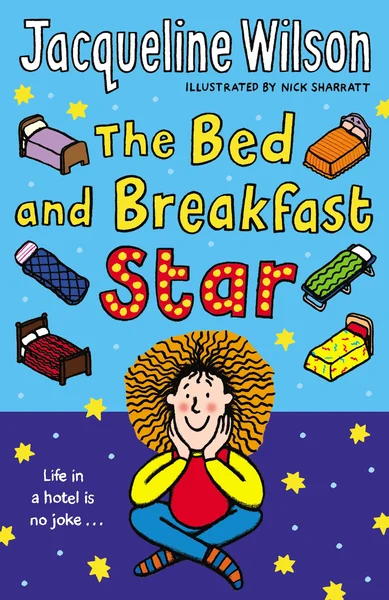
The Bed and Breakfast Star by Jacqueline Wilson Review: A Brave, Joke-Telling Heroine Shines
Jacqueline Wilson's children's novel The Bed and Breakfast Star puts ten-year-old Elsa — a ginger-haired, joke-cracking girl who dreams of becoming a comedian — at the centre of a story about family hardship, resilience, and finding light in genuinely difficult circumstances. With illustrations by Nick Sharratt, the book follows Elsa and her family as they are forced into a cramped, run-down bed and breakfast after her short-tempered stepfather Mack loses his job, and charts her attempts to hold her world together with humour. Young readers in the 9–11 age range will find both a vivid, strongly characterised narrator and an unflinching look at child poverty that is rare in fiction aimed at this audience.
LuvemBooks Verdict
Best for
Children aged 9–11 who respond to resilient, funny protagonists and are ready for fiction that handles family instability, poverty, and emotional hardship honestly rather than softening them.
Worth it if
The reader — young or adult — wants a children's novel where comedy and pathos genuinely coexist, and where a narrator's cheerfulness is earned through real adversity rather than assumed from the outset.
Skip if
Readers expecting a lighthearted joke-book throughout will find the depictions of domestic volatility, a punitive stepfather, and a mother's depression more sustained and specific than the comic surface initially suggests — and parents choosing for children on the younger end of the 9–11 range may want to read alongside them.
What readers & critics say
Young reviewers on The Guardian's children's review pages praised Elsa as an adventurous, memorable character and highlighted the dramatic hotel-fire sequence as a standout moment, recommending the book to readers who enjoy spirited protagonists. AudioFile Magazine noted that despite the cards being stacked against ten-year-old Elsa — family breakup, frequent moves, intermittent poverty — her "feisty, joyful" character carries the story.
“I would recommend the book to someone who wants to read about an adventurous character, because Elsa sometimes does some crazy things.”
— The Guardian (children's books site)“One of my favourite parts is when there is a fire in the cruddy hotel — Elsa wakes up and starts shouting 'FIRE' and is on the news.”
— The Guardian (children's books site)Ask LuvemBooks
Was this helpful?
- Is it worth reading?
- For readers in the 9–11 age range who can engage with a narrator whose cheerfulness is hard-won, The Bed and Breakfast Star stands out as one of Wilson's most resonant works. Elsa is a richly drawn comic narrator, and Wilson's willingness to address child poverty, domestic volatility, and the stigma of homelessness with unusual honesty gives the novel genuine depth. Young readers from Guardian children's review pages called Elsa "a sensational character" and praised the book's message — "never lose hope, no matter what" — as "so powerful." The key caveat is that readers expecting a lighthearted, joke-filled story throughout may find the domestic hardship more sustained and specific than the comic premise initially suggests.
- Similar books
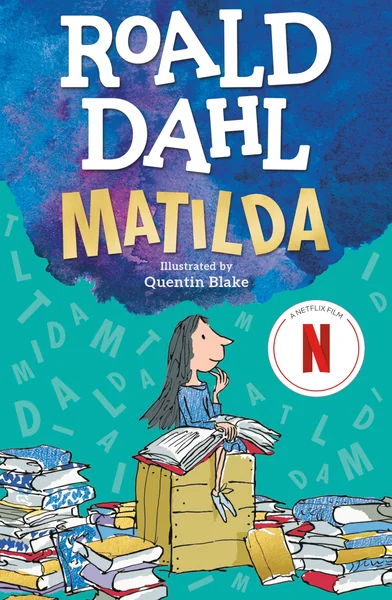
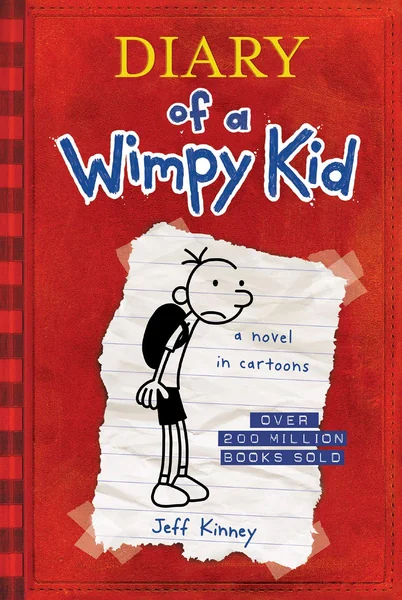
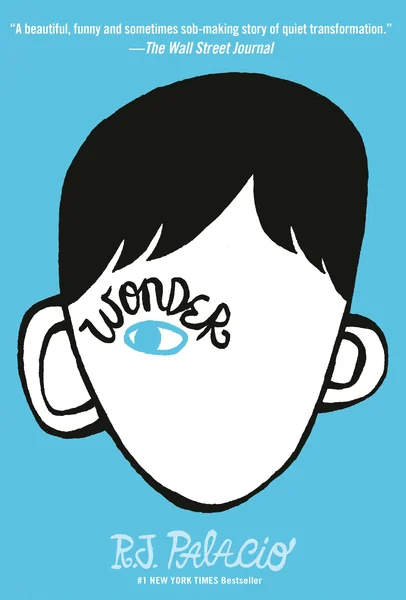
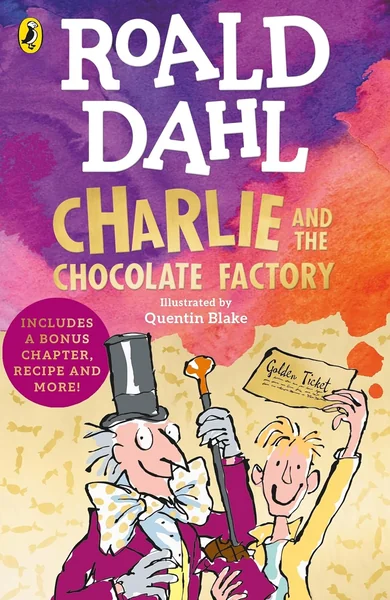
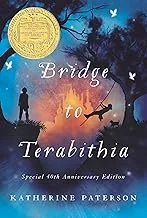
- Readers drawn to The Bed and Breakfast Star will find much to love in other novels that pair resilient child protagonists with difficult circumstances. Roald Dahl's Matilda features a similarly resourceful and warm-hearted young girl navigating a hostile home environment, and his Charlie and the Chocolate Factory explores childhood poverty with a fundamentally optimistic heart. R. J. Palacio's Wonder offers another richly drawn child narrator dealing with social stigma and the search for belonging. For readers who enjoy the diary-style voice and comic energy, Diary of a Wimpy Kid by Jeff Kinney is a natural companion, and Bridge to Terabithia by Katherine Paterson shares the emotional honesty and willingness to sit with difficult themes that define Wilson's approach.
- Who should read this?
- The Bed and Breakfast Star is best suited to confident readers aged 9–11 who respond to resilient, funny, warm-hearted protagonists navigating genuinely hard situations. Young readers who have experienced family instability or house moves may find in Elsa an unusually honest fictional companion; those encountering these themes from the outside will find the novel a genuine window into circumstances that children's fiction often avoids. It is not the right choice for readers expecting a lighthearted, joke-filled story throughout, nor for those who find depictions of domestic volatility or parental depression distressing.
- What age is it for?
- Best for ages 9 and up, with the 9–11 bracket being the sweet spot. The first-person comic voice and accessible pace suit confident readers in this range, though adults choosing it for children at the younger end should be aware that the book depicts a physically punitive stepfather (Mack, nicknamed "Mack the Smack"), a mother sinking into depression, and the sustained reality of a family living in poverty in a cramped, run-down bed and breakfast. These elements are handled with emotional honesty rather than sensationalism, but they are more sustained and specific than the comic premise initially suggests.
- About Jacqueline Wilson
- Born in 1945, Dame Jacqueline Wilson has become one of Britain's most beloved children's authors, fearlessly tackling the real challenges young people face in their daily lives.
- What are the main themes?
- At its core, The Bed and Breakfast Star explores child poverty, family instability, and the resilience required to survive both. Wilson depicts the social stigma that accompanies homelessness and state-supported accommodation with specificity, and Elsa's jokes function as a survival strategy as much as a personality trait — a theme the novel explores with unusual honesty for its age range. A secondary but thematically ambitious strand involves a TV documentary crew filming a family in poverty, introducing questions about how disadvantaged families are represented and used by the media. Underpinning all of this is the book's central emotional message, captured by a young Guardian reviewer: "never lose hope, no matter what."
Summarize this book
Follow up
Synthesized from verified book data & published reviews · How we review
Press Enter to ask. Answers come from our editorial Q&A — start typing to see related questions.
Age & Reading Level
Recommended age
Ages 8–12
Reading level
Middle grade
4 content notes · who it suits
Content to know about
Best for: Ages 9+ — first-person comic voice and pace suit confident readers in the 9–11 range; the sustained depictions of a physically punitive stepfather, parental depression, and family poverty are more specific and emotionally heavy than the comic premise suggests, so adults may wish to read alongside children at the younger end of this range.
Skip if you're looking for a lighthearted, joke-filled story with little emotional weight.
Our Review
What the Book Is and What It Contains
The Novel's Place in Wilson's Body of Work and the Genre
Strengths: Character, Humour, and Emotional Honesty
What May Challenge Younger or More Sensitive Readers
Who Will Get the Most from This Book
Sources & Further Reading
The key facts and claims in this review are grounded in the retrieved, verified sources listed below.
- Cited in this review
- 1
- 2
- 3
- Further reading
- 4
Jacqueline Wilson, Wikipedia
- 5
en.wikipedia.org
- 6
- 7
app.thestorygraph.com
- 8
booksfortopics.com
- 9
- 10
- 11
Books like The Bed and Breakfast Star
Curated picks for readers who enjoyed The Bed and Breakfast Star, with our reasoning for each match.
If you liked The Bed and Breakfast Star