

9 min read
4.7
· 22,329 Amazon ratingsShare This Review
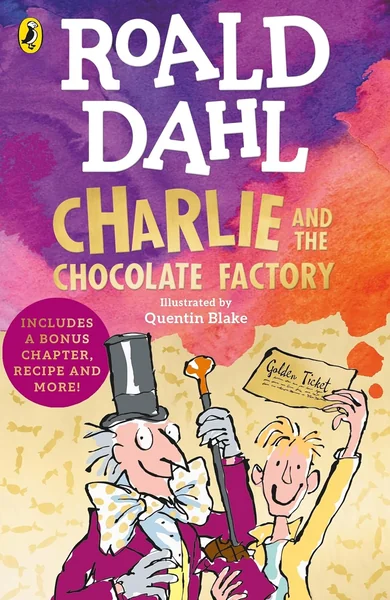
Charlie and the Chocolate Factory by Roald Dahl Review: A Timeless Children's Classic Worth Revisiting
First published in 1964, Roald Dahl's Charlie and the Chocolate Factory remains one of the most enduringly popular works in children's literature, following the impoverished but kind-hearted Charlie Bucket as he wins a golden ticket to tour the mysterious factory of the eccentric chocolatier Willy Wonka — a premise rooted in Dahl's own schoolboy encounters with the secretive world of chocolate making.
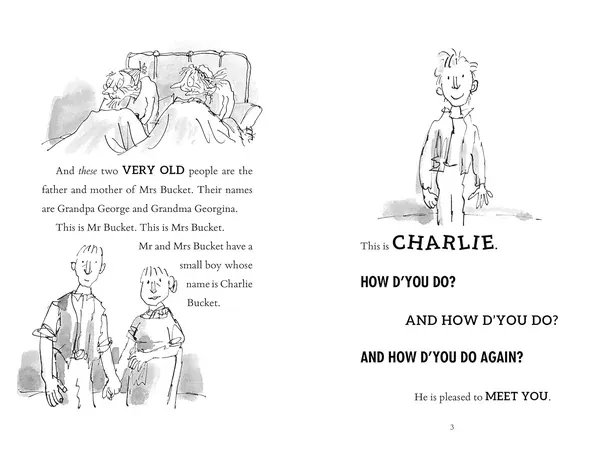
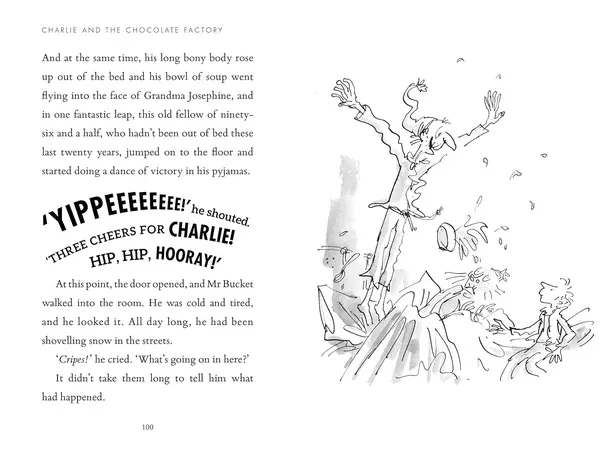
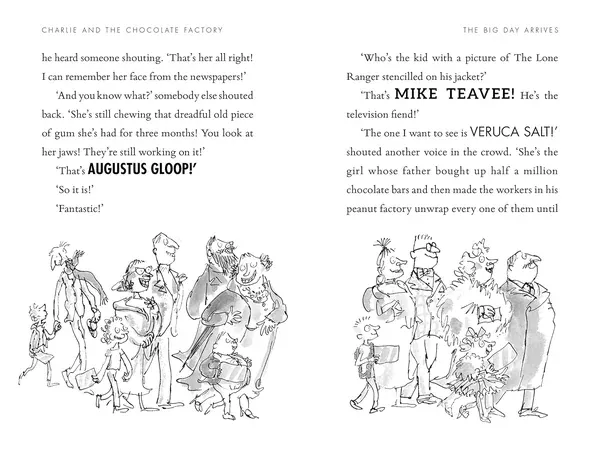 Tap to enlarge
LuvemBooks Verdict
Best for
Children aged eight and up — and the adults reading aloud to them — who want a propulsive, consequence-driven story that rewards good behaviour without sugarcoating the outcomes for those who misbehave.
Worth it if
You (or the child you're buying for) relish wit with a genuine edge: a plot where each character's specific flaw drives a tailored, darkly comic fate, and where wish-fulfilment and moral consequence sit side by side without heavy-handedness.
Skip if
Caregivers seeking a purely gentle or cosy children's read should be aware that Dahl's satirical sharpness — and the unspared fates of the four misbehaving ticket winners — can be more bracing than the cheerful cover art suggests.
What readers & critics say
Encyclopaedia Britannica describes it as Dahl's "most popular" irreverent, darkly comic novel written for children, while Common Sense Media characterises it as a "classic morality tale" that is "wildly entertaining," recommending it from age six upward.
“Charlie is a caring boy and has a tough life… what does go wrong [in the factory]? That is my favourite part.”
— The Guardian (young reader review)“A classic morality tale that is wildly entertaining — poor Charlie Bucket is practically starving, yet rich in love.”
— Common Sense MediaAge & Reading Level
Recommended age
Ages 8–12
Reading level
Middle grade
2 content notes · who it suits
Content to know about
Best for: Ages 8+ — the complexity of the factory visit's consequences and Dahl's satirical sharpness suit confident readers of eight and over, as noted by The Guardian's young reviewer.
Skip if you're looking for a purely gentle or cozy children's story with no edge of jeopardy or consequence.
Charlie and the Chocolate Factory by Roald Dahl is Trending
Netflix Animated Film 'Charlie vs. the Chocolate Factory' Set for 2027 Release
Netflix just announced a new animated take on Roald Dahl's classic, with a theatrical release planned for November 2027 and a streaming debut in December 2027. With the Depp/Burton version also newly available on Netflix, there's a lot of Wonka buzz in the air right now.
Netflix has officially dated its animated film *Charlie vs. the Chocolate Factory*, announcing on August 12, 2026 that it will hit theaters globally on November 5, 2027, before landing on Netflix itself on December 22, 2027. The full voice cast has been revealed, and the project is coming from Netflix Animation Studios — so this is a proper big-budget production, not a small side project. That kind of announcement tends to send people back to the source material.
Adding to the moment, Netflix also recently added the 2005 Tim Burton/Johnny Depp adaptation to its library, giving the story a fresh wave of viewers who may be discovering — or rediscovering — Dahl's original novel for the first time. That film is notably faithful to the book, which makes picking up the actual story an easy next step for anyone who watched it.
If you've got kids (or just a soft spot for a good underdog story), now is a great time to read or reread *Charlie and the Chocolate Factory* before the new adaptation arrives. The book is short, genuinely funny, and holds up remarkably well — and it's always more satisfying to read the original before the movie hits.
In This Review
- What Works & What Doesn't
- What the Story Actually Is
- Origins, Significance, and Place in the Canon
- Strengths: Dahl's Darkly Comic Design
- Editions and Presentation
- Who the Book Is For — and One Genuine Caveat
What Works & What Doesn't
What Works
- One of the most frequently ranked works in children's literature, with sustained cultural relevance across six decades
- Rooted in real industrial history — Dahl's schoolboy experience with Cadbury's factory secrecy gives the premise an authentic, inventive origin
- Propulsive, consequence-driven plot structure in which each child's distinct flaw leads to a tailored outcome, rewarding attentive young readers
- Available in a richly expanded deluxe edition (illustrated by Armando Veve) with collectible inserts for fans seeking a premium experience
- A cultural landmark recognized with a Royal Mail commemorative stamp in 2012, reflecting its enduring place in the canon
What Doesn't
- Dahl's satirical edge and the fates of the four misbehaving children give the novel a sharpness that may be more intense than some caregivers expect from children's fiction
- The standard paperback and the deluxe illustrated edition differ substantially in content and extras, which can create confusion for buyers expecting the same product across formats
What the Story Actually Is
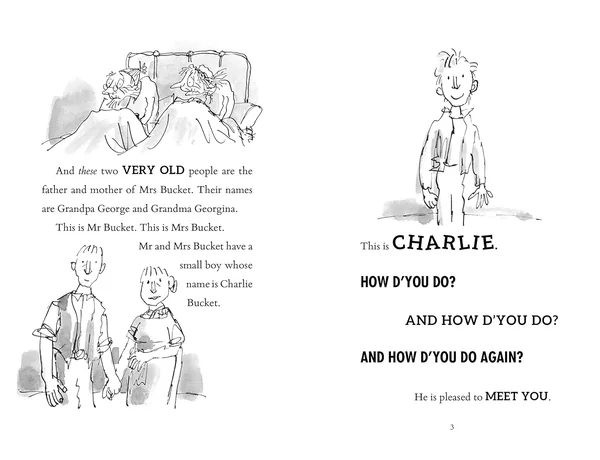
Origins, Significance, and Place in the Canon
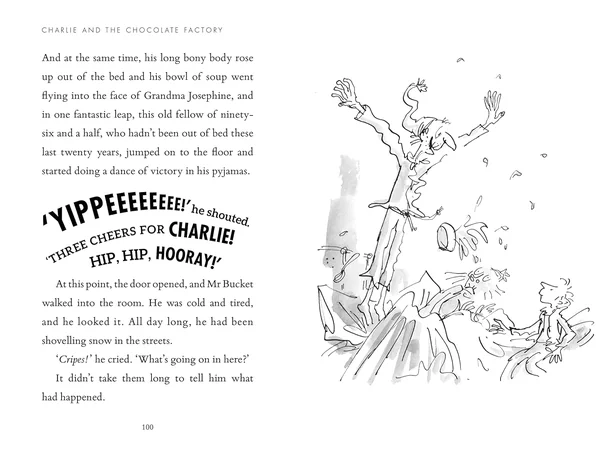
Strengths: Dahl's Darkly Comic Design
Editions and Presentation
Who the Book Is For — and One Genuine Caveat
Frequently Asked Questions
Sources & Further Reading
The key facts and claims in this review are grounded in the retrieved, verified sources listed below.
- Cited in this review
- 1
- 2
- 3
- Further reading
- 4
Roald Dahl, Wikipedia
- 5
en.wikipedia.org
- 6
- 7
- 8
commonsensemedia.org
- 9
americanliterature.com
- 10
fantasybookreview.co.uk
- 11
- 12
nordangliaeducation.com
- 13
greenishbookshelf.com
- 14
Related Reviews
Reviews of books we picked for readers who enjoyed Charlie and the Chocolate Factory.
Reader Comments
No comments yet
Be the first to share your thoughts!