
9 min read
4.7
· 13,383 Amazon ratingsShare This Review
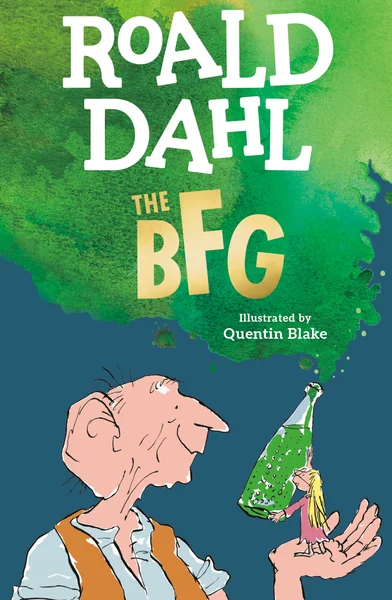
The BFG by Roald Dahl Review: A Giant Classic for Young Readers
Originally published in 1982, Roald Dahl's The BFG remains one of children's literature's most enduring novels, built on an unlikely friendship between a small orphaned girl and a gentle giant, and backed by sales of more than 37 million copies worldwide as of 2009.
LuvemBooks Verdict
Best for
Children aged roughly seven to ten — and the adults reading aloud to them — who delight in invented language, absurdist logic, and a central friendship between a brave small girl and a gentle giant outcast.
Worth it if
The reader (or the child in question) is drawn to imaginative world-building, gleefully gross humour, and the kind of invented dialect — Dahl's "Gobblefunk" — that makes language itself part of the fun; it also works as a strong first entry point into Dahl's wider body of work.
Skip if
Readers who found the opening chapters thrillingly menacing may be disappointed by a final act that critics have described as loose and convenient — and anyone with strong feelings about textual integrity should carefully verify which edition they are buying, given the 2023 Puffin Books editorial revisions.
What readers & critics say
Kirkus Reviews found the novel's opening irresistibly shivery but judged the BFG's mixed-up speech "simply tiresome" and the resolution told in a "higgledy-piggledy home-made manner," suggesting the book's execution does not always match its premise's promise. Wikipedia's reception entry notes broader cultural validation: the novel ranked 56th in the BBC's "Big Read" public survey and 88th in School critical coverage's all-time best children's novels list, with over 37 million copies sold as of 2009.
“Dahl's elemental fix on kids' consciousness gets this off to a surefire shivery start.”
— Kirkus ReviewsAge & Reading Level
Recommended age
Ages 8–12
Reading level
Middle grade
2 content notes · who it suits
Content to know about
Best for: Ages 7+ — text length, invented language, and reading complexity suit confident early readers; the kidnapping premise and man-eating giants are calibrated for this age range rather than younger children.
Skip if you want a neatly plotted story with a tightly resolved ending — the novel's final act is broadly considered its weakest.
The BFG by Roald Dahl is Trending
Netflix Animated Adaptation of The BFG in the Works
Netflix is developing an animated adaptation of The BFG as part of its broader Roald Dahl deal, and that news has readers revisiting the beloved 1982 classic. If you haven't picked it up in a while — or ever — now's a great time.
Netflix is working on an animated adaptation of The BFG as part of its ongoing Roald Dahl content partnership, and that's got people talking about the book again. The story of Sophie and her Big Friendly Giant has already made the jump to screen twice — once as a 1989 animated TV film and again in 2016 as a Steven Spielberg-directed live-action feature with Mark Rylance in the title role — so a Netflix version would be its third adaptation.
That kind of renewed screen attention tends to bring a classic back into the conversation, and The BFG is no exception. With over 37 million copies sold worldwide, it's not like the book ever went away, but a new adaptation gives families a fresh reason to read it together before the release — or to introduce it to kids who missed the earlier films.
If you're new to the book, the setup is simple and charming: a young orphan named Sophie is whisked away by a giant who, unlike his terrifying counterparts, prefers catching and delivering dreams over eating children. It's warm, funny, and genuinely imaginative — exactly the kind of story that holds up across multiple generations.
In This Review
- What Works & What Doesn't
- What the Story Is and How It Works
- Place in the Genre and Its Cultural Footprint
- What Dahl Does Distinctively Well
- Genuine Limitations Worth Noting
- Who This Book Is For
What Works & What Doesn't
What Works
- A genuinely inventive premise built on a specific, memorable central friendship between Sophie and the BFG
- The BFG's invented 'Gobblefunk' dialect is a distinctive creative achievement that young readers consistently respond to
- Extraordinary cultural staying power — over 37 million copies sold, BBC Big Read recognition, and Royal Mail commemorative stamps
- Illustrated by Quentin Blake, whose long creative partnership with Dahl is itself part of the novel's legacy
- Works as both a read-aloud and an independent read for its target age range of roughly seven to ten
What Doesn't
- Some critics find the novel's final act — the military helicopter rescue orchestrated by the BFG — anticlimactic relative to the menacing energy of its opening
- The ongoing editorial revisions to Dahl's texts by Puffin Books mean that buyers seeking the original, unaltered text should verify which edition they are purchasing
What the Story Is and How It Works
Place in the Genre and Its Cultural Footprint
What Dahl Does Distinctively Well
Genuine Limitations Worth Noting
Who This Book Is For
Frequently Asked Questions
Sources & Further Reading
The key facts and claims in this review are grounded in the retrieved, verified sources listed below.
- Cited in this review
- 1
- Further reading
- 2
Roald Dahl, Wikipedia
- 3
en.wikipedia.org
- 4
- 5
kirkusreviews.com
- 6
clubs.scholastic.com
- 7
shop.scholastic.com
- 8
americanliterature.com
- 9
fantasybookreview.co.uk
- 10
greenishbookshelf.com
- 11
sisandchrys.com
- 12
yabookscentral.com
- 13
berniegourley.com
- 14
- 15
penguinrandomhouse.com
Related Reviews
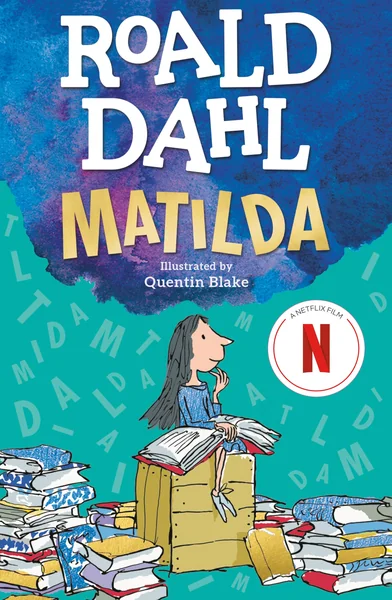
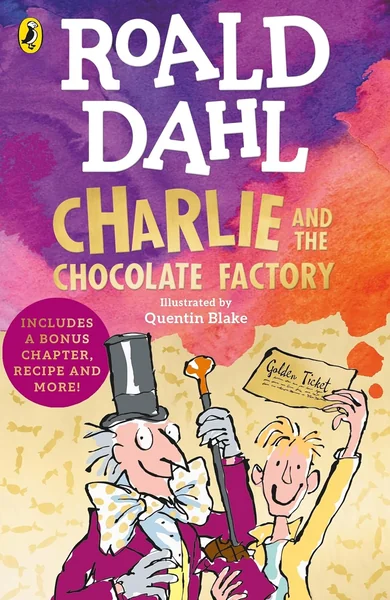
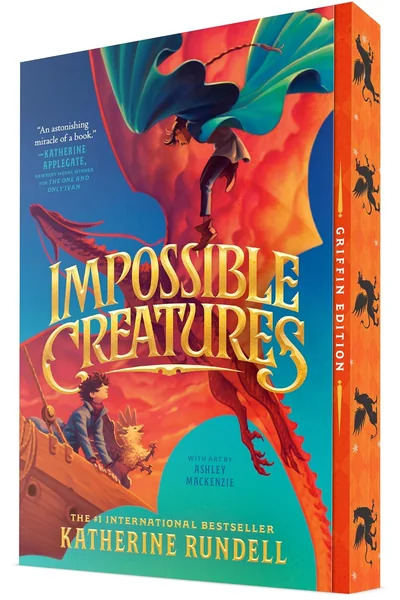
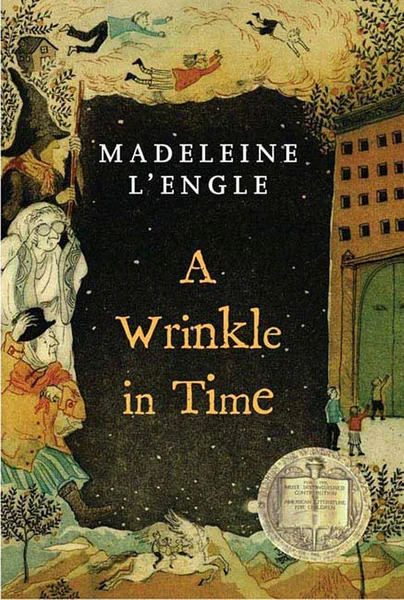
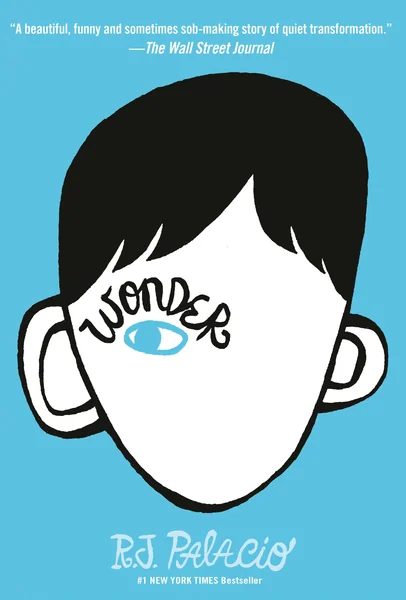
Reviews of books we picked for readers who enjoyed The BFG.

Reader Comments
No comments yet
Be the first to share your thoughts!