7 min read
4.8
· 7,359 Amazon ratingsShare This Review

Our review
Auggie & Me: Three Wonder Stories
Auggie & Me: Three Wonder Stories by R. J. Palacio Review: A Rich Companion That Expands Wonder's World
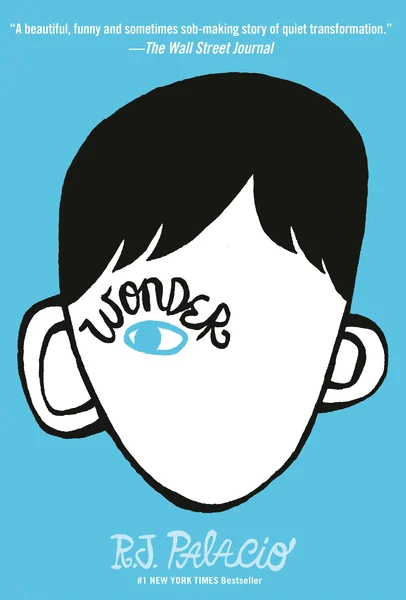
Auggie & Me: Three Wonder Stories is a companion volume to R. J. Palacio's widely beloved middle-grade novel Wonder, offering three separate narratives that place Auggie Pullman—the boy with a facial difference at the heart of the original book—in the background while three of his schoolmates take center stage. The collection brings together stories originally published as ebooks by Alfred A. Knopf/Random House in 2014 and 2015, gathered here in a single hardcover edition published by Knopf Books for Young Readers on August 18, 2015. With a Goodreads rating of 4.28 across nearly 39,000 ratings, it stands as a well-received extension of the Wonder universe, designed for readers ages 9–11 who want to stay in Auggie's world a little longer.
LuvemBooks Verdict
Best for
Devoted fans of Wonder who finished the original novel and want to spend more time in Auggie's world through the eyes of the people around him — particularly readers aged 9–11 and teachers looking for flexible, classroom-ready companion material.
Worth it if
You've already read Wonder and want the emotional payoff of stepping inside Julian's, Christopher's, and Charlotte's heads to understand how one extraordinary boy reshaped the people closest to him.
Skip if
You haven't read Wonder yet — the emotional stakes of all three narrators depend entirely on context built in the original novel, and newcomers will find the connections and consequences largely hollow.
What readers & critics say
Common Sense Media's Darienne Stewart describes the collection as offering "thought-provoking stories of kindness and friendship," singling out how Julian's story forces him to confront his own cruelty and his parents' enabling role. Kirkus Reviews, as quoted on barnesandnoble.com, calls it "a memorable story of kindness, courage and wonder."
Sources: Common Sense Media, Barnes & NobleAsk LuvemBooks
Was this helpful?
- Is it worth reading?
- For readers who finished Wonder and weren't ready to say goodbye to Beecher Prep, Auggie & Me delivers exactly what they're looking for: three distinct first-person narrators who give Auggie's story genuine new dimensions without simply rehashing the original novel. The Julian story stands out for its moral complexity — his inner voice simmers with resentment ("I wish Auggie Pullman had never come to Beecher Prep in the first place!") and the story confronts how his parents enabled his cruelty, going well beyond a simple bully portrait. Common Sense Media describes the collection as offering "thought-provoking stories of kindness and friendship," consistent with the Choose Kind spirit that made Wonder a cultural phenomenon. Readers new to Auggie's world, however, will lack the emotional context that makes each narrator's relationship with him meaningful — this is a companion, not an entry point.
- Similar books
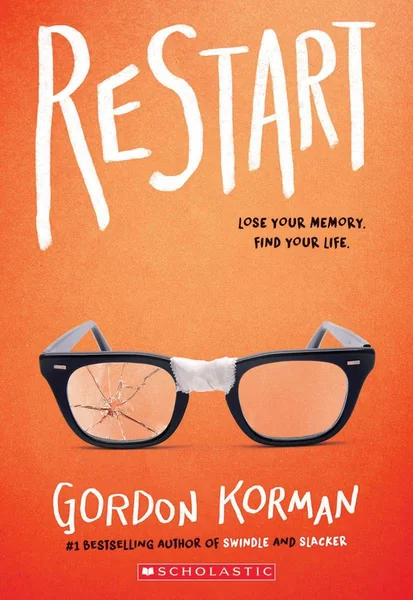
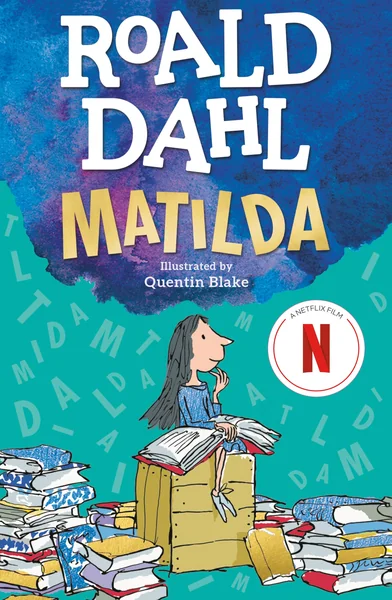
- Readers who love Auggie & Me will want to start — or revisit — Wonder by R. J. Palacio, the original novel that gives every story in this companion its emotional foundation. Gordon Korman's Restart offers another middle-grade exploration of a former bully's reckoning with his own behavior, told with similarly shifting perspectives. Katherine Paterson's Bridge to Terabithia and Roald Dahl's Matilda are perennial middle-grade favorites that explore friendship, difference, and resilience in emotionally resonant ways. Erin Entrada Kelly's The First State of Being rounds out the list with the kind of thoughtful, character-driven middle-grade storytelling that fans of Palacio's universe tend to gravitate toward.
- Who should read this?
- Auggie & Me is aimed squarely at existing fans of Wonder — readers in roughly grades 3–7 (ages 9–11) who finished the original novel and want to spend more time in Auggie Pullman's world. The collection's flexible, self-contained structure also makes it a strong pick for teachers and librarians looking for classroom read-alouds or independent reading options that prompt discussion about empathy, bullying, and belonging. Readers who haven't yet encountered Wonder should start there first, as this companion's emotional stakes rely entirely on prior knowledge of Auggie and Beecher Prep.
- What age is it for?
- Best for ages 9 and up — the book is aimed at readers in grades 3–7, roughly ages 9–11, and the three self-contained narratives suit confident independent readers in that range. Julian's story introduces the perspective of a bully confronting his own cruelty and his parents' enabling role, which adds a layer of moral complexity that older readers in the range will engage with more deeply. Common Sense Media describes the collection as offering thought-provoking stories of kindness and friendship, consistent with the Choose Kind spirit of the original Wonder.
- About R. J. Palacio
- R. J. Palacio — full name Raquel Jaramillo Palacio — is an American author and graphic designer.
- How does it compare to Wonder?
- Where Wonder gives Auggie Pullman the full narrative stage — a sustained, single-arc novel told largely from his perspective — Auggie & Me deliberately sidelines him, letting Julian, Christopher, and Charlotte each take the spotlight in shorter, self-contained stories. This shift in perspective is the collection's greatest strength: placing readers inside the perspective of a bully like Julian, or tracing Christopher's struggle with friendship across distance, adds dimensions the original novel couldn't explore. The trade-off, however, is narrative space — no single story in this anthology has the room to breathe as fully as Wonder did, and readers expecting the same sustained arc may find the episodic structure feels compressed by comparison.
- What is Charlotte's story about?
- Charlotte's narrative, "Shingaling," rounds out the triptych with a quieter perspective on belonging. As one of Auggie's new allies at Beecher Prep, Charlotte's story offers a counterpoint to the heavier moral weight of Julian's chapter and the friendship-across-distance themes of Christopher's, focusing instead on what it means to find one's place in a middle school social world that Auggie's presence has quietly rearranged. Commentary cited in the review notes that each story showcases not only personal challenges but also meaningful lessons about growth — Charlotte's is no exception.
Summarize this book
Follow up
Synthesized from verified book data & published reviews · How we review
What would you like to know about Auggie & Me: Three Wonder Stories?
Answers come from our editorial notes on this book. If we haven't covered something, we'll say so.
Readers often ask
Our Review
This review covers the book's content, premise and published critical reception, not a first-hand reading.
What the Book Actually Contains
The Central Tension: Auggie as Catalyst, Not Protagonist
Significance and Reception
Strengths: Empathy Through Multiplicity
Limitations and Who It's For
Sources & Further Reading
The key facts and claims in this review are grounded in the retrieved, verified sources listed below.
- Cited in this review
- 1
- 2
- 3
- Further reading
- 4
R. J. Palacio, LuvemBooks
- 5
- 6
newbookrecommendation.com
- 7
commonsensemedia.org
- 8
jennsbookshelves.com
- 9
- 10
- 11
greenishbookshelf.com
Age & Reading Level
Recommended age
Ages 9+
Reading level
Middle grade
2 content notes · who it suits
Content to know about
Best for: Ages 9+ — three distinct narrative voices and moderately complex moral themes (including a bully's interior reckoning) suit confident readers in the middle-grade range
Skip if you're looking for a standalone story with a full sustained arc rather than a short companion to a book you've already read
Reader reviews
Be one of the first readers to answer.
Read it? Was it right for you?
Books like Auggie & Me: Three Wonder Stories
Curated picks for readers who enjoyed Auggie & Me: Three Wonder Stories, with our reasoning for each match.
If you liked Auggie & Me: Three Wonder Stories