8 min read
4.6
· 48,292 Amazon ratingsShare This Review
Thinking, Fast and Slow by Daniel Kahneman Review: A Landmark Popular Science Classic
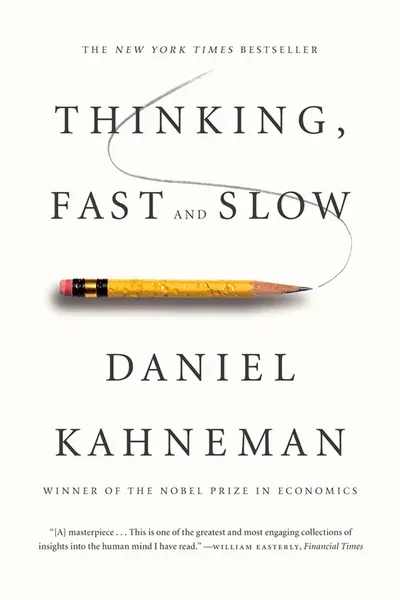
Thinking, Fast and Slow is Daniel Kahneman's landmark popular science book presenting his decades of research on human judgment and decision-making through the lens of two cognitive systems — with more than 2.6 million copies sold and recognition as a New York Times bestseller, it is one of the most influential works of behavioral science written for a general audience, though some of the priming studies it cites have since come under scrutiny during the psychological replication crisis.
 Tap to enlarge
LuvemBooks Verdict
Best for
Readers curious about the hidden mechanics of human decision-making — whether in markets, careers, or everyday life — who want a rigorous yet accessible survey of behavioral economics and cognitive psychology from one of the field's founding figures.
Worth it if
You want a single, authoritative volume that takes you from the basics of cognitive bias all the way through prospect theory and hedonic psychology, and you're willing to engage with the replication-crisis caveats that now accompany some of its empirical claims.
Skip if
You're looking for a fast, prescriptive decision-making guide — the book's academic depth and considerable length make it a slower, more demanding read than a typical self-help title.
What readers & critics say
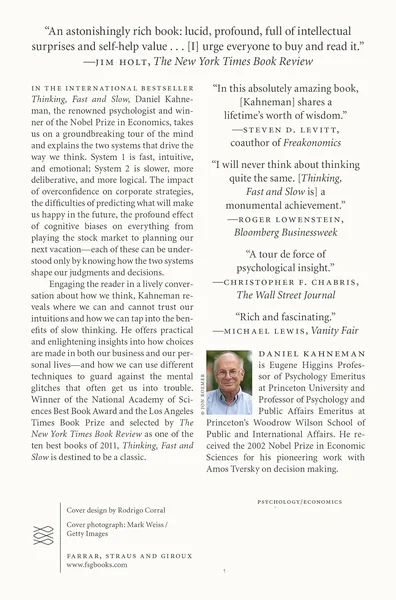
Kirkus Reviews praised the book for "striking research showing the immense complexity of ordinary thought," noting Kahneman's rare ability to bring both research findings and the scientific process itself to general readers. Bookmarks.reviews synthesised critical consensus describing it as "an astonishingly rich book: lucid, profound, full of intellectual surprises and self-help value," while Wikipedia's reception summary documents that several priming studies cited in the book were difficult to replicate, a concern Kahneman himself has publicly acknowledged.
“Striking research showing the immense complexity of ordinary thought and revealing the identities of the gatekeepers in our minds.”
— Kirkus ReviewsAsk LuvemBooks
Was this helpful?
- Is it worth reading?
- Thinking, Fast and Slow has earned its reputation: it won the 2012 American National Academies Communication Award, appeared on the New York Times Book Review's ten best books of the year list, and has sold more than 2.6 million copies — testament to its sustained relevance. Economist Steven Levitt, co-author of Freakonomics, called it 'absolutely amazing' and credited Kahneman with sharing 'a lifetime's worth of wisdom presented in a manner that is simple and engaging, but nonetheless stunningly profound.' The essential caveat for today's reader is that several priming studies cited in the book have been challenged during the psychological replication crisis, and the book's confident framing of some experimental evidence warrants more skepticism than it did at publication — a context Kahneman himself has acknowledged.
- Similar books
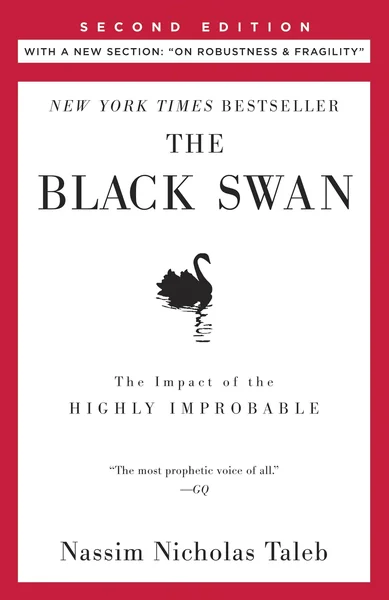
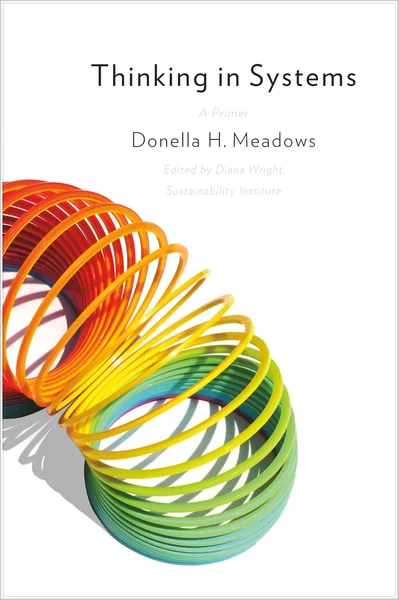
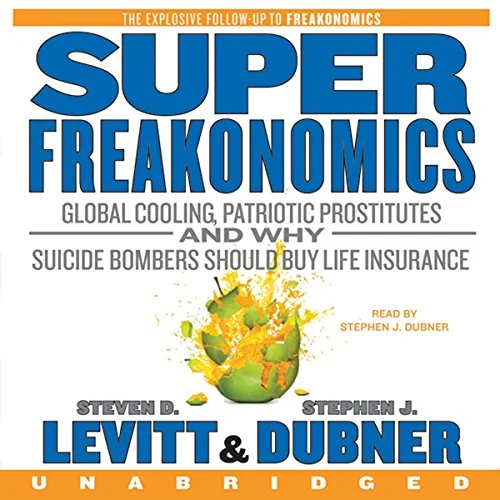
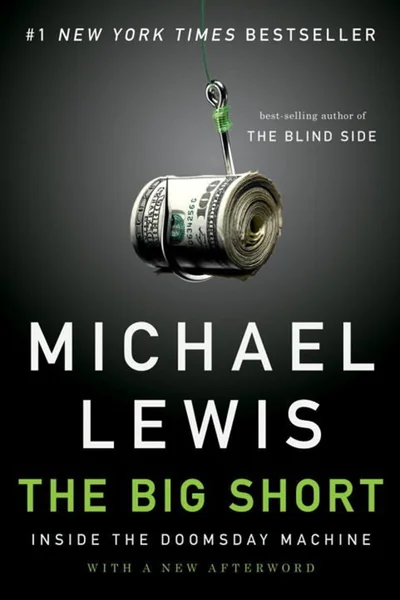
- Readers who find Thinking, Fast and Slow compelling have several strong follow-up options. Nassim Nicholas Taleb's The Black Swan: The Impact of the Highly Improbable explores how unpredictable, high-impact events confound human reasoning — a natural companion on the limits of prediction. Dan Ariely's Predictably Irrational covers adjacent territory on irrational human behavior in an equally accessible style. Donella H. Meadows' Thinking in Systems broadens the lens to how complex systems behave in ways that defeat intuitive thinking. Steven Levitt and Stephen J. Dubner's Freakonomics: A Rogue Economist Explores the Hidden Side of Everything — whose co-author Levitt praised Kahneman's book directly — applies similarly counterintuitive analysis to economics and society. Michael Lewis's The Big Short offers a gripping real-world case study of the kind of market overconfidence and cognitive failure that Kahneman's research explains.
- Who should read this?
- Thinking, Fast and Slow is designed for readers curious about why humans make the decisions they do — not only in laboratories but in markets, relationships, careers, and everyday life. It is especially well-suited to those drawn to the intersection of behavioral economics and practical decision-making, to professionals in finance, strategy, or policy who want to understand the cognitive roots of institutional overconfidence, and to intellectually curious general readers with no background in psychology or economics. Those seeking a fast, prescriptive self-help framework — rather than a rigorous and wide-ranging exploration of behavioral science — may find the book's academic depth and length a slower read than expected.
- About Daniel Kahneman
- Daniel Kahneman (March 5, 1934 – March 27, 2024) was an Israeli-American psychologist best known for his work on the psychology of judgment, decision-making, and behavioral economics. Born in Tel Aviv, he was awarded the 2002 Nobel Prize in Economics and authored the bestselling popular science book Thinking, Fast and Slow (2011), which explores two distinct systems that drive human thought.
- What are the main themes?
- Thinking, Fast and Slow weaves together several interconnected themes: the mechanics of cognitive bias and how mental shortcuts corrupt judgment; loss aversion and the asymmetry between how people experience gains and losses; overconfidence and its consequences in corporate strategy and financial markets; the difficulty of happiness prediction — how poorly humans forecast what will make them happy; and the distorting power of framing, whereby presenting the same information differently produces radically different decisions. Underpinning all of these is the central tension between System 1's fast, automatic processing and System 2's slow, deliberate reasoning.
- Is the science still valid?
- This is the most important caveat for any reader approaching Thinking, Fast and Slow today. Several priming studies cited in the book have been challenged during the broader psychological replication crisis — many prominent research findings referenced in the book were difficult or impossible for other researchers to replicate, and Kahneman himself has publicly acknowledged concerns about the priming research chapter. Critically, this does not invalidate the book's central framework or its core findings on cognitive bias and prospect theory, but it does mean readers should approach some specific experimental evidence with greater skepticism than the book's original confident framing invites.
Summarize this book
Follow up
Synthesized from verified book data & published reviews · How we review
Press Enter to ask. Answers come from our editorial Q&A — start typing to see related questions.
Age & Reading Level
Recommended age
Adult
Reading level
Adult
who it suits
Skip if you want a fast, prescriptive self-help guide to better decisions rather than a rigorous, wide-ranging exploration of behavioral science research.
Our Review
What the Book Actually Is and Argues
Scope and Significance
Strengths: Depth, Range, and Accessibility
A Genuine Limitation: The Replication Problem
Who This Book Is For
Sources & Further Reading
The key facts and claims in this review are grounded in the retrieved, verified sources listed below.
- Cited in this review
- 1
- 2
- 3
- 4
en.wikipedia.org
- Further reading
- 5
- 6
- 7
- 8
richardblackaby.com
- 9
- 10
- 11
us.macmillan.com
Books like Thinking, Fast and Slow
Curated picks for readers who enjoyed Thinking, Fast and Slow, with our reasoning for each match.
If you liked Thinking, Fast and Slow