
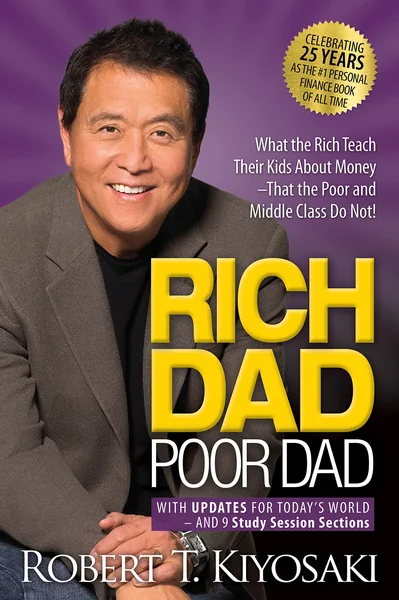
Rich Dad Poor Dad: What the Rich Teach Their Kids About Money That the Poor and Middle Class Do Not!
At a glance
Rich Dad Poor Dad
What the Rich Teach Their Kids About Money That the Poor and Middle Class Do Not!
LuvemBooks Verdict
Best for: First-time readers of personal finance who have never encountered concepts like assets vs. liabilities, passive income, or the distinction between earning a salary and building wealth — and who respond better to parable-driven narrative than to technical instruction.
Worth it? Skip it? Read the full verdict →Ask LuvemBooks
Was this helpful?
- Is it worth reading?
- For readers encountering financial self-help for the first time — especially those who have never been exposed to concepts like asset-building, cash flow, or the difference between working for money and having money work for them — Rich Dad Poor Dad remains a compelling entry point, and its mass cultural footprint gives it a contextual relevance few personal finance titles can match. Its endorsements from figures like Daymond John and Will Smith, and its more than six years on the New York Times bestsellers list, reflect genuine resonance with a broad audience. However, readers seeking rigorous, actionable, or data-driven financial guidance should approach with caution: Slate reviewer Rob Walker characterized much of the content as 'self-help boilerplate,' and competing financial writer John T. Reed has argued the book contains predominantly wrong or bad advice. It is best understood as a motivational reframing of financial thinking, not a practical investment guide.
- Similar books
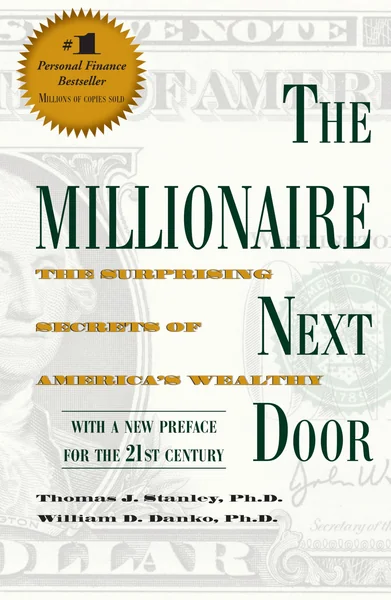
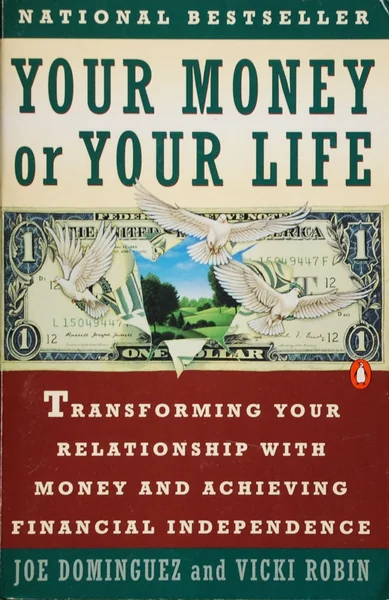
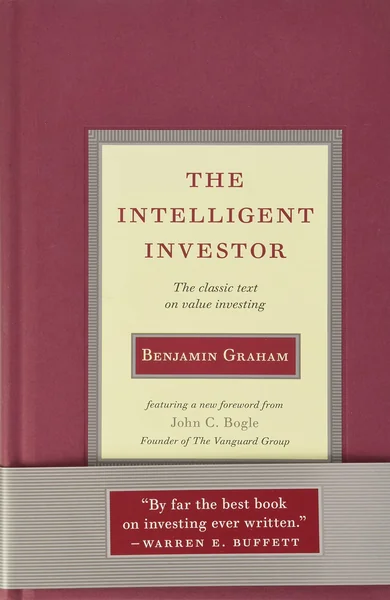
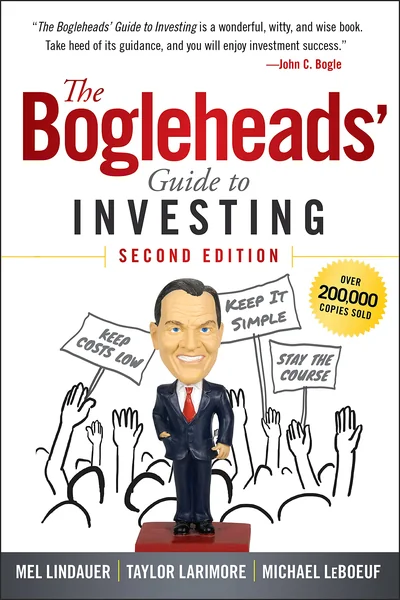
- Readers drawn to Rich Dad Poor Dad's themes of wealth-building and financial independence have several strong follow-on titles to consider. The Millionaire Next Door by Thomas J. Stanley and William D. Danko takes a data-driven look at how ordinary Americans actually accumulate wealth, offering an empirical counterpart to Kiyosaki's parable approach. The Intelligent Investor by Benjamin Graham is the classic text for readers ready to graduate to rigorous, principle-based investing strategy. Your Money or Your Life by Joe Dominguez and Vicki Robin explores the relationship between money, time, and life values — a thematic cousin to Kiyosaki's challenge to conventional employment thinking. For a straightforward, index-fund-focused path to financial independence, The Simple Path to Wealth by J.L. Collins and The Bogleheads' Guide to Investing by Mel Lindauer, Taylor Larimore, and Michael LeBoeuf both provide the actionable, step-by-step guidance that Rich Dad Poor Dad deliberately avoids.
- Who should read this?
- Rich Dad Poor Dad is most clearly designed for adult readers who are new to financial self-help and have never been exposed to concepts like asset-building, passive income, or the structural difference between working for a salary and generating cash flow from investments. It is particularly well suited to readers who find dry, technical financial texts disengaging — the parable format is designed to make abstract economic ideas emotionally resonant and memorable. High-profile endorsements from Will Smith (who used the book to teach his son Jaden Smith about financial independence) and Daymond John suggest it has particular appeal as a motivational first step. Experienced investors, readers seeking actionable portfolio guidance, or those already familiar with the personal finance genre are likely to find it too abstract and too light on rigor.
- About Robert T. Kiyosaki
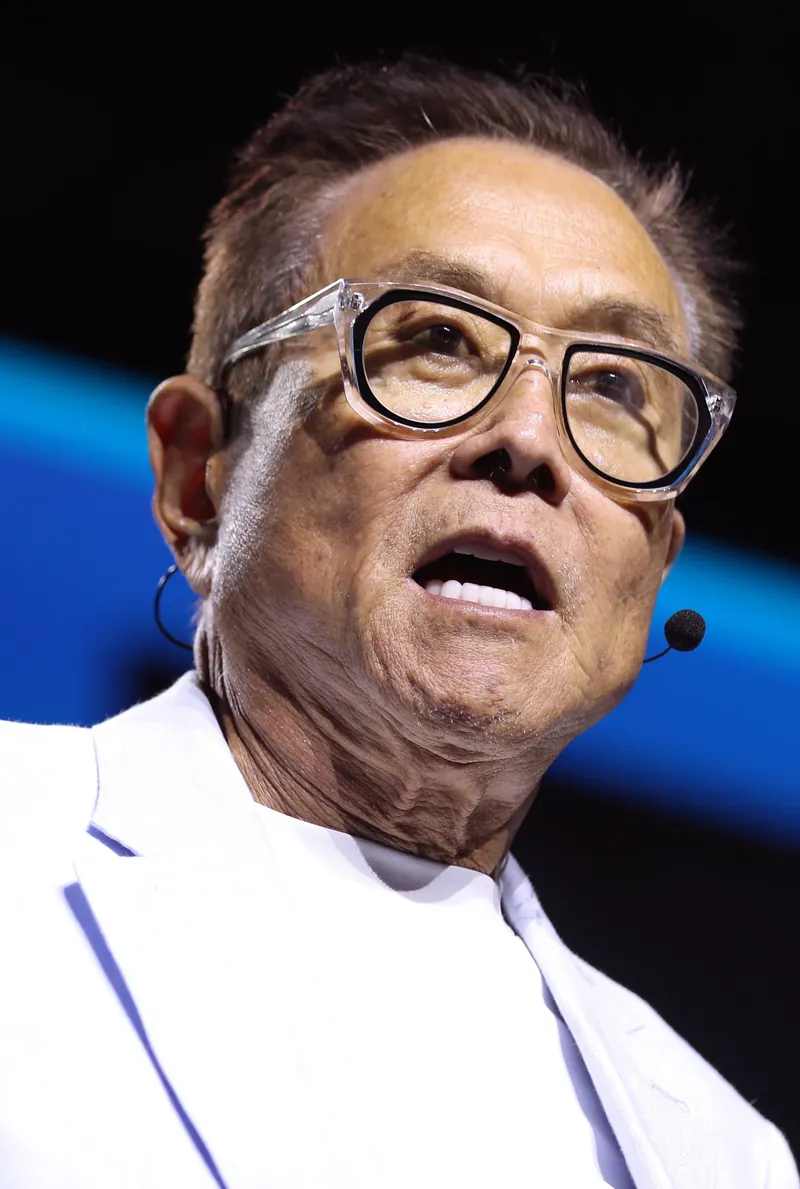
- Robert Toru Kiyosaki is an American businessman, entrepreneur, and author, known for the Rich Dad Poor Dad series of personal finance books.
- Why is this book trending?
- Rich Dad Poor Dad is currently drawing renewed attention because Robert Kiyosaki has been making headlines with bold predictions about an imminent market crash and silver reaching $200 per ounce. His high-profile warnings about paper assets and a recommended shift toward hard assets are generating significant traction online, sending readers back to his foundational text. The book's long-standing themes around financial independence from conventional employment and asset diversification feel newly relevant to audiences following his commentary.
- What are the biggest criticisms?
- The criticisms of Rich Dad Poor Dad are pointed and have endured across the book's nearly three-decade life. Slate reviewer Rob Walker called the book full of nonsense, characterizing its advice as often vague, its narrative as 'fablelike,' and much of its content as 'self-help boilerplate' that follows predictable genre conventions. Competing financial writer John T. Reed went further, stating the book contains 'a large amount of wrong advice, much bad advice, and virtually no good advice.' Separately, the book's autobiographical framing drew sustained skepticism: for many years Kiyosaki declined to identify the 'rich dad' figure, fueling doubts about whether the character was fictional — the figure was eventually linked to Hawaiian hotel developer Richard Kimi following Kimi's death.
- What does it teach about assets vs. liabilities?
- One of the book's most widely cited lessons is its accessible framing of the difference between assets — things that put money in your pocket through passive income or appreciation — and liabilities, which take money out. Kiyosaki uses this distinction to challenge conventional assumptions, most notably the idea that a personal home is automatically an asset, arguing instead that it functions as a liability if it generates ongoing costs rather than income. This conceptual reframing is presented through the 'rich dad' versus 'poor dad' parable structure, making it accessible to readers who have never engaged with formal financial education. Critics note that while the framework is memorable, it is also simplified to the point where Slate reviewer Rob Walker and others have questioned its practical applicability.
Summarize this book
Follow up
Synthesized from verified book data & published reviews · How we review
Press Enter to ask. Answers come from our editorial Q&A — start typing to see related questions.
Age & Reading Level
Recommended age
Adult
Reading level
Adult
who it suits
Skip if you're looking for rigorous, step-by-step, data-driven financial planning advice you can apply directly to a portfolio or tax situation.
Editorial Review
First published in 1997 and now in a 25th Anniversary edition from Plata Publishing, Rich Dad Poor Dad by Robert T. Kiyosaki is one of the most widely read personal finance books ever written, with over 32 million copies sold and more than six years on the New York Times bestsellers list — yet it remains as contested as it is celebrated, praised for shifting readers' mindsets around money and criticized for vague, parable-style advice that critics argue rarely translates into concrete action.
Read the Full ReviewBooks like Rich Dad Poor Dad
Curated picks for readers who enjoyed Rich Dad Poor Dad, with our reasoning for each match.
If you liked Rich Dad Poor Dad
Why It’s Trending
Rich Dad Poor Dad Is Sparking Fresh Debate About Whether Its Advice Actually Works
Readers are actively arguing about Rich Dad Poor Dad again, with sharp criticism circulating online about whether Kiyosaki's wealth mindset advice holds up — or just lets the ultra-rich off the hook. It's one of those books people can't stop debating.