Classic Business Books Experiencing a Cultural Resurgence

5 books
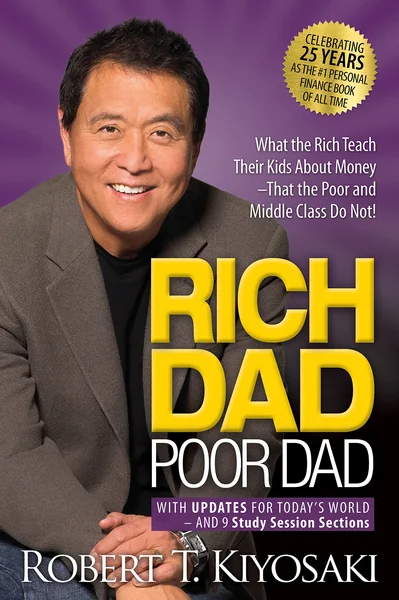
Rich Dad Poor Dad: What the Rich Teach Their Kids About Money That the Poor and Middle Class Do Not! by Robert T. Kiyosaki
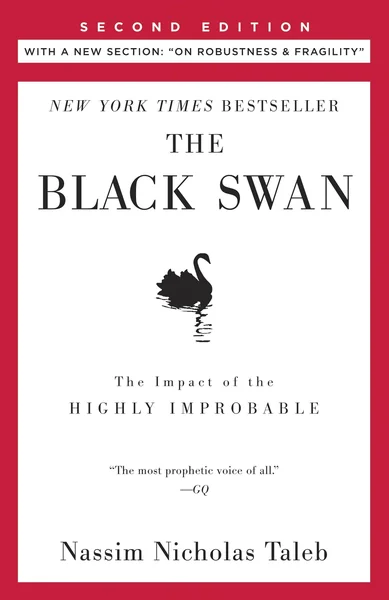
The Black Swan: The Impact of the Highly Improbable by Nassim Nicholas Taleb
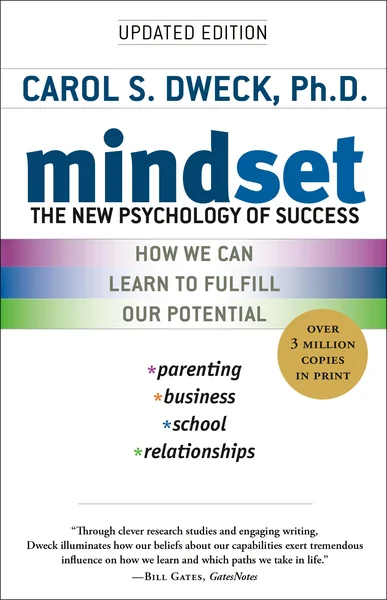
Mindset: The New Psychology of Success by Carol S. Dweck
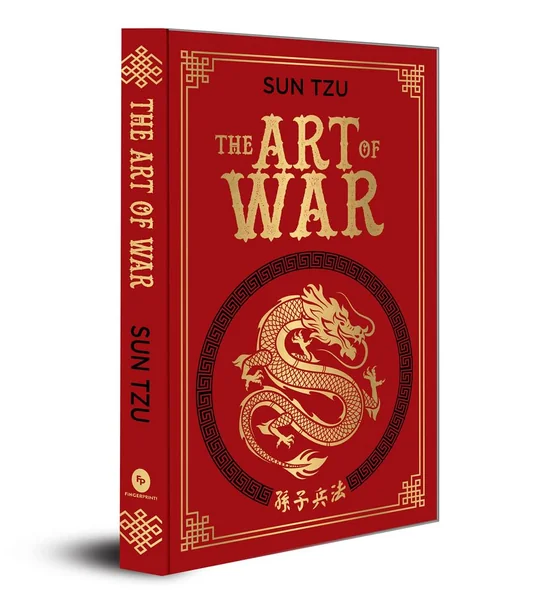
The Art of War by Sun Tzu
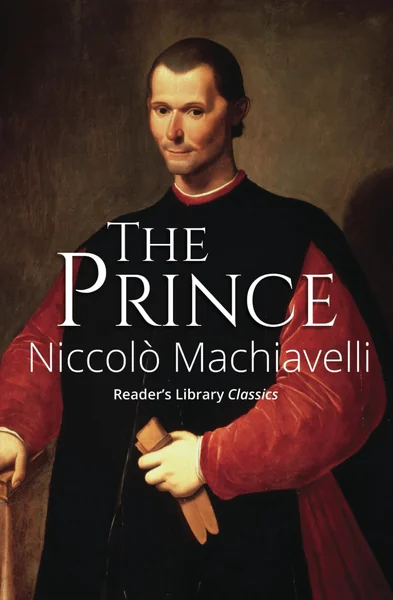
The Prince by Niccolò Machiavelli
Business & Economics

Classic Business Books Experiencing a Cultural Resurgence

Curated recommendations for readers rediscovering classic and backlist titles getting renewed attention

5 Books
4.6 Avg
Updated Jul 11, 2026

Some books don't just sell once — they sell forever. In business and economics, a handful of titles keep finding new audiences, decade after decade, because the ideas inside them refuse to age. Whether it's a financial crash, a cultural moment on social media, or a fresh wave of entrepreneurial ambition, certain books get rediscovered and suddenly feel more urgent than ever.

This list brings together five essential titles experiencing renewed cultural relevance right now. You'll find personal finance wisdom, philosophical frameworks for navigating uncertainty, and ancient strategies repurposed for the modern boardroom. From Rich Dad Poor Dad to The Art of War, these are the books being passed between colleagues, recommended in podcasts, and debated in comment sections all over again. Whether you're encountering them for the first time or returning with fresh eyes, each one offers something genuinely worth your time.

#1
Rich Dad Poor Dad: What the Rich Teach Their Kids About Money That the Poor and Middle Class Do Not! by Robert T. Kiyosaki by Robert T. Kiyosaki - book cover
Rich Dad Poor Dad: What the Rich Teach Their Kids About Money That the Poor and Middle Class Do Not! by Robert T. Kiyosaki

by Robert T. Kiyosaki

4.7/5

One of the most argued-over books in personal finance, Rich Dad Poor Dad by Robert T. Kiyosaki has been passed between friends, debated in comment sections, and dismissed and defended in equal measure for nearly three decades. Its 25th Anniversary edition is a good moment to take stock of why it still circulates. The book's central device — contrasting Kiyosaki's own "poor dad," a hardworking employee who never built lasting wealth, with his friend's entrepreneurial "rich dad" — is a parable, not a blueprint, and readers who come expecting a step-by-step investment manual will leave frustrated. What it actually delivers is a mindset shift: the argument that assets put money in your pocket and liabilities take it out sounds almost embarrassingly simple, yet for many readers it genuinely reorients how they think about a paycheck. Over 32 million copies sold suggests it's landing somewhere real. Just go in knowing the advice stays philosophical — specifics are largely left to you.
"praised for shifting readers' mindsets around money and criticized for vague, parable-style advice that critics argue rarely translates into concrete action"
Level: N/A
#2
The Black Swan: The Impact of the Highly Improbable by Nassim Nicholas Taleb by Nassim Nicholas Taleb - book cover
The Black Swan: The Impact of the Highly Improbable by Nassim Nicholas Taleb

by Nassim Nicholas Taleb

4.4/5

Published just two years before the 2008 financial crisis made its central argument look prophetic, The Black Swan by Nassim Nicholas Taleb introduced a concept so useful it has become part of how we talk about the world. The idea that rare, catastrophic, unpredictable events drive history far more than our tidy models suggest — and that we instinctively explain them away in hindsight as though they were inevitable — is one of those arguments that, once absorbed, you cannot stop noticing everywhere. Taleb, a former options trader with an unusually wide reading habit, is a combative and often digressive writer; his tone has alienated as many readers as it has electrified. The book also works better as a critique of financial modeling than as a grand unified theory of history, and the later sections can feel overstretched. But the core chapters on prediction, narrative fallacy, and what he calls "the turkey problem" — the danger of mistaking an absence of evidence for evidence of absence — are genuinely worth the time of anyone trying to think more clearly about uncertainty. Its cultural resurgence makes sense: the past several years have handed us no shortage of Black Swans.
"The objective, he argues, is to 'avoid being the turkey' — to identify one's own areas of vulnerability before disaster arrives."
Level: N/A
#3
Mindset: The New Psychology of Success by Carol S. Dweck by Carol S. Dweck - book cover
Mindset: The New Psychology of Success by Carol S. Dweck

by Carol S. Dweck

4.6/5

Carol S. Dweck's Mindset has by now reached the status of required reading in education circles, coaching programs, and corporate training sessions — which means a lot of people know the vocabulary without having read the actual book. The distinction between a fixed mindset and a growth mindset is deceptively simple on its surface, but Dweck's decades of original research give it real weight. The book moves outward from its core framework through sports, business leadership, relationships, and parenting, showing how the same psychological orientation — believing abilities are fixed versus believing they can grow — plays out differently across nearly every life context. It's an accessible read without being shallow, and the research backing it is substantial. That said, some subsequent studies have had difficulty replicating parts of Dweck's findings, and critics have noted that the concept can be oversimplified in practice into a kind of "just try harder" message she never quite intended. Readers revisiting it now will find it more nuanced than the pop-psychology shorthand suggests, and more honest about what changing a mindset actually requires.
"It's not always the people who start out the smartest who end up the smartest."
Level: N/A
#4
The Art of War by Sun Tzu by Sun Tzu - book cover
The Art of War by Sun Tzu

by Sun Tzu

4.7/5

Nearly 2,500 years old and still unsettling in how much it applies — that's the quiet shock of returning to *The Art of War*. Sun Tzu's 13 chapters cover the full machinery of ancient Chinese warfare: weapons, terrain, morale, discipline, and the financial logistics that make or break a campaign. But his governing argument cuts against what you might expect from a military manual. War, he insists, is ruinously expensive, and the smartest commanders are the ones who end conflicts quickly or avoid them altogether through diplomacy and intelligence. A substantial portion of the text is devoted to espionage — not as a dramatic flourish, but as the most economical tool available. For nearly 1,500 years, this was the lead text in China's officially recognized Seven Military Classics, and its influence eventually crossed into Western military and political thought centuries later. This Fingerprint hardcover reprint makes it newly accessible. Fair warning: readers hoping for narrative or storytelling will find instead a terse, aphoristic treatise — dense with principle, light on example. It rewards slow reading and patience more than it rewards speed.
"Sun Tzu's governing argument is that war is a costly, destructive last resort: prolonged campaigns erode a state faster than any enemy could."
Level: Advanced
#5
The Prince by Niccolò Machiavelli by Niccolò Machiavelli - book cover
The Prince by Niccolò Machiavelli

by Niccolò Machiavelli

4.6/5

Nearly 2,500 years old and still unsettling in how much it applies — that's the quiet shock of returning to *The Art of War*. Sun Tzu's 13 chapters cover the full machinery of ancient Chinese warfare: weapons, terrain, morale, discipline, and the financial logistics that make or break a campaign. But his governing argument cuts against what you might expect from a military manual. War, he insists, is ruinously expensive, and the smartest commanders are the ones who end conflicts quickly or avoid them altogether through diplomacy and intelligence. A substantial portion of the text is devoted to espionage — not as a dramatic flourish, but as the most economical tool available. For nearly 1,500 years, this was the lead text in China's officially recognized Seven Military Classics, and its influence eventually crossed into Western military and political thought centuries later. This Fingerprint hardcover reprint makes it newly accessible. Fair warning: readers hoping for narrative or storytelling will find instead a terse, aphoristic treatise — dense with principle, light on example. It rewards slow reading and patience more than it rewards speed.
"Sun Tzu's governing argument is that war is a costly, destructive last resort: prolonged campaigns erode a state faster than any enemy could."
Level: Advanced
Final Thoughts

What makes a business book truly endure? It's rarely the tactics — those date quickly. It's the underlying ideas about human nature, risk, and ambition that keep readers coming back. The titles on this list have each survived long enough to prove their staying power, and their current resurgence suggests they still have something meaningful to say.

Pick up the one that speaks most directly to where you are right now. If you're rethinking your finances, start with Rich Dad Poor Dad. If uncertainty feels overwhelming, let The Black Swan reframe it. However you enter this list, you'll leave it with ideas worth sitting with — and probably a few you'll want to share.

Frequently Asked Questions

Cultural moments, economic uncertainty, and social media recommendations have a way of pulling older titles back into the spotlight. Books like The Black Swan and Mindset keep resurfacing because their core ideas feel freshly relevant whenever the world shifts in unpredictable ways.
Yes — while some of its specific financial advice has drawn criticism over the years, Rich Dad Poor Dad remains valuable for its foundational shift in how readers think about money, assets, and financial independence. The 25th Anniversary edition makes it feel like a timely revisit rather than a dated relic.
The Art of War by Sun Tzu is one of the most cited texts in business strategy because its principles — knowing your competition, adapting to changing conditions, and conserving resources — translate surprisingly well from the battlefield to the boardroom.
The Black Swan argues that rare, unpredictable, high-impact events shape the world far more than we acknowledge. For business readers, it's a powerful challenge to overconfident forecasting and a call to build strategies that are resilient to the unexpected.
Mindset by Carol S. Dweck comfortably sits in both categories. Its research-backed distinction between fixed and growth mindsets has been widely adopted in leadership development, team management, and entrepreneurial culture — making it essential reading for anyone in a business context.
Absolutely. The Prince is one of the earliest texts to examine power, leadership, and strategic decision-making without sentiment or illusion. Modern readers — especially in competitive industries — find its unflinching honesty about human behavior and organizational dynamics as sharp today as it was in the 16th century.
Classic Business Books Experiencing a Cultural Resurgence | LuvemBooks