Visionary Leaders: 6 Transformative Biographies for Innovators
6 books

Biography & Memoir
Visionary Leaders: 6 Transformative Biographies for Innovators
Curated recommendations for Adults fascinated by innovation and leadership who want inspiring stories of transformative figures
6 Books
4.6 Avg
The greatest innovations in history didn't emerge from vacuum—they came from extraordinary individuals who dared to challenge convention, persist through adversity, and transform not just their fields, but the world itself. These six carefully selected biographies offer unprecedented access to the minds that shaped our modern era, from scientific breakthroughs to social revolutions.
Whether you're leading a startup, managing a team, or simply seeking to understand what separates visionaries from the crowd, these stories reveal the common threads that bind transformative figures: relentless curiosity, the courage to fail, and an unwavering commitment to their vision. Each biography presents not just achievements, but the struggles, setbacks, and human complexities that make these leaders truly inspirational. These aren't hagiographies—they're honest portraits of individuals who changed everything.
Featured Books
6
Books in Collection4.6/5
Average RatingFeb 27, 2026
Published#1
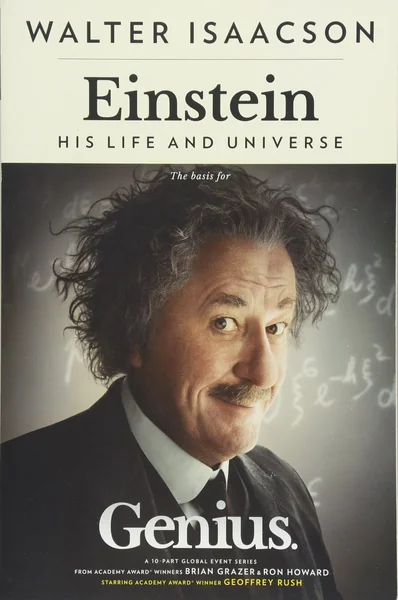
Einstein: His Life and Universe by Walter Isaacson
by Walter Isaacson
4.4/5
Isaacson's Einstein biography succeeds where others fail by refusing to worship at the altar of genius. Instead of the mythical figure with wild hair, we meet a man whose revolutionary physics emerged from deeply human contradictions—a pacifist whose theories enabled atomic weapons, a seeker of universal truths who struggled with intimate relationships. Isaacson's journalistic background shines through his ability to translate quantum mechanics into compelling analogies without sacrificing scientific rigor. The 700-page scope might intimidate casual readers, but the narrative structure follows personal struggles alongside scientific breakthroughs, creating emotional investment in Einstein's intellectual journey. What makes this particularly valuable for leaders is how it demonstrates that transformative thinking often comes from embracing paradox rather than resolving it—Einstein's willingness to challenge fundamental assumptions about space and time mirrors the kind of contrarian thinking that drives innovation.
"Isaacson transforms the wild-haired symbol of genius into flesh and blood."
#2
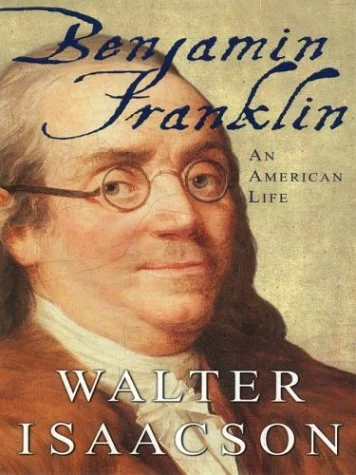
Benjamin Franklin: An American Life by Walter Isaacson
by Walter Isaacson
4.6/5
Franklin emerges from Isaacson's careful research as perhaps America's first great innovator—a man who embodied the restless entrepreneurial spirit that would define the nation. Rather than the staid figure from currency, we discover a pragmatic genius who moved seamlessly between scientific experiments and diplomatic negotiations, always asking "how can this work better?" Isaacson's thematic approach weaves together Franklin's roles as inventor, statesman, and social climber without artificially resolving his contradictions. The author's gift for making 18th-century political machinations feel immediate serves leaders well—Franklin's diplomatic strategies during the Revolutionary War read like contemporary case studies in negotiation and alliance-building. His willingness to present Franklin's moral blind spots (slavery ownership, marital infidelity) alongside his virtues offers a nuanced portrait of leadership that acknowledges human complexity. For modern innovators, Franklin's systematic approach to self-improvement and his talent for building networks across social boundaries provide timeless lessons in personal development and strategic relationship-building.
"The man who preached virtue while maintaining mistresses, who championed liberty while owning slaves—Isaacson lets these paradoxes stand."
#3
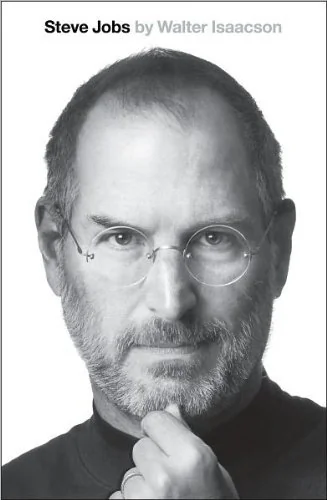
Steve Jobs by Walter Isaacson
by Walter Isaacson
4.6/5
The ultimate leadership paradox: Jobs gave Isaacson complete editorial freedom to write about a man obsessed with controlling every detail. What emerged is brutally honest—a visionary who revolutionized industries while treating employees with casual cruelty. Isaacson's unprecedented access (forty interviews with Jobs himself) creates a portrait that refuses hagiography in favor of hard truth. The narrative connects personal psychology to professional innovation, showing how Jobs's need for perfection shaped everything from the Macintosh to the iPad. For leaders fascinated by transformative figures, this biography offers uncomfortable lessons about the relationship between genius and humanity. The comprehensive scope might overwhelm readers seeking quick inspiration, but those willing to grapple with complexity will find invaluable insights into how revolutionary thinking emerges from the intersection of vision, obsession, and relentless dissatisfaction with the status quo.
"This isn't hagiography—it's journalism."
#4
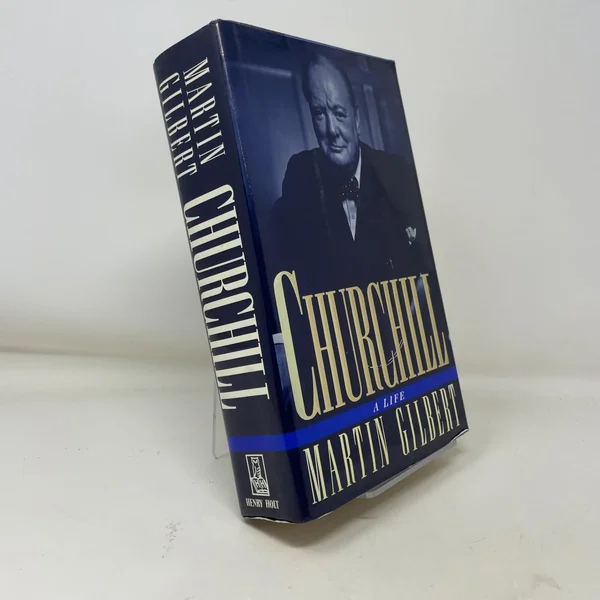
Churchill: A Life by Martin Gilbert
by Martin Gilbert
4.6/5
Gilbert's exhaustive Churchill biography represents the gold standard of documentary scholarship, but comes with fair warning: this is Churchill for serious students of history, not casual readers seeking inspiration. Drawing from his unprecedented access as Churchill's authorized biographer, Gilbert constructs a meticulous portrait that prioritizes archival completeness over narrative momentum. The result feels more like witnessing history through primary documents than reading a traditional biography. Gilbert's methodical approach reveals Churchill's complexities—his political missteps alongside his wartime brilliance—without the mythmaking that characterizes more popular treatments. Leaders seeking to understand how historical reputation is built versus lived reality will find this invaluable, though the academic tone and substantial length demand genuine commitment. This isn't your typical leadership biography; it's a masterclass in how thorough documentation can illuminate the gap between public persona and private struggle.
"Gilbert presents Churchill not as the mythic wartime leader of popular imagination, but as a complex political figure whose career spanned dramatic transformations in British society."
#5
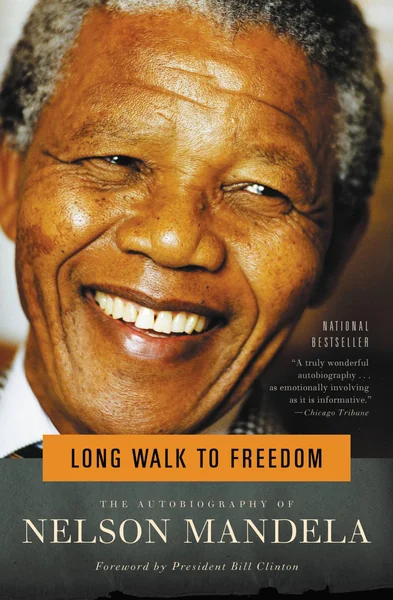
Long Walk to Freedom: The Autobiography of Nelson Mandela by Nelson Mandela
by Nelson Mandela
4.7/5
Few autobiographies capture the complete arc of moral leadership like Mandela's unflinching account of his transformation from village boy to global icon. Written with the precision of his legal training and the wisdom of 27 years in prison, Mandela traces his evolution through multiple identities—from Rolihlahla to revolutionary to president—without sanitizing the costs of resistance. His contemplative voice guides readers through intimate family moments and pivotal historical events, creating a narrative that feels both deeply personal and universally significant. The book's 750 pages never feel excessive because Mandela understands that leadership isn't just about grand gestures but about the daily choices that define character. Leaders will find profound lessons in how he maintained dignity under dehumanizing conditions and emerged from decades of imprisonment without bitterness. This isn't just civil rights history; it's a masterclass in how principled persistence can reshape societies.
"This sweeping memoir chronicles Mandela's journey through 27 years of imprisonment and his eventual rise to become South Africa's first Black president."
#6
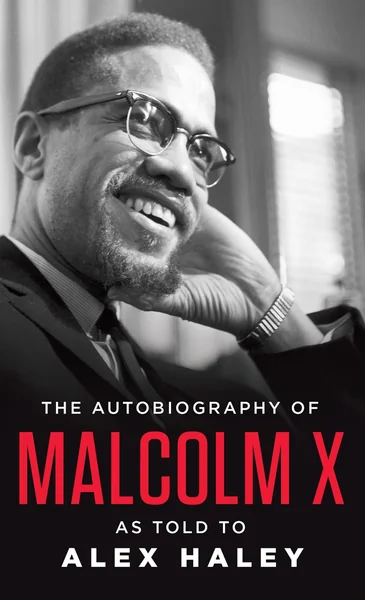
The Autobiography of Malcolm X by Malcolm X and Alex Haley
by Malcolm X and Alex Haley
4.8/5
The collaboration between Malcolm X and Alex Haley produced something rare: an autobiography that captures radical intellectual transformation in real time. Through extensive interviews in Malcolm's final years, Haley preserved the distinctive voice of a man who refused to sanitize his journey from Malcolm Little to Detroit Red to the global figure who challenged America's conscience. The book's power lies in its unflinching honesty—the criminal years, prison transformation, and eventual philosophical evolution from the Nation of Islam toward a more inclusive worldview are all presented with brutal clarity. Haley's journalistic background provides crucial structure without diminishing Malcolm's authentic voice. Leaders will find profound lessons in how intellectual courage can drive personal reinvention, even when it means abandoning previously held beliefs. The autobiography doesn't offer easy answers about racial justice, making it both essential and challenging reading for understanding American civil rights history.
"This biographical masterpiece doesn't shy away from difficult truths, making it both essential and challenging reading."
Final Thoughts
These six biographies represent more than historical accounts—they're masterclasses in leadership, innovation, and human potential. From Einstein's revolutionary thinking to Mandela's moral courage, each story offers timeless lessons for today's leaders and innovators. The common thread running through all these lives is the power of persistence, vision, and the willingness to challenge the status quo.
As you dive into these transformative stories, you'll discover that greatness isn't about perfection—it's about the courage to pursue meaningful change despite uncertainty and opposition. Let these remarkable individuals inspire your own journey toward making a lasting impact.
Frequently Asked Questions
Which biography is best for understanding innovative thinking?
Einstein: His Life and Universe excels at showing how revolutionary scientific thinking develops, while Steve Jobs demonstrates innovation in business and technology. Both offer unique perspectives on creative problem-solving.
Are these biographies accessible to non-academic readers?
Absolutely. Walter Isaacson's books (Einstein, Franklin, Jobs) are particularly known for making complex subjects engaging for general audiences, while Mandela's autobiography is remarkably accessible and personal.
Which book offers the best leadership lessons?
Churchill: A Life provides extensive examples of leadership during crisis, while Long Walk to Freedom shows moral leadership and reconciliation. Both complement each other beautifully for understanding different leadership styles.
Do these books focus more on personal struggles or achievements?
These biographies strike an excellent balance, showing how personal challenges shaped these leaders' greatest achievements. The Autobiography of Malcolm X particularly excels at demonstrating personal transformation.
Which biography is most inspiring for overcoming adversity?
Long Walk to Freedom stands out for showing how 27 years of imprisonment strengthened rather than broke Mandela's resolve, while Malcolm X's story demonstrates the power of continuous self-improvement and growth.
Are there any common themes across all these biographies?
Yes—all six figures shared relentless curiosity, willingness to challenge conventional wisdom, and the ability to turn setbacks into opportunities for growth and learning.