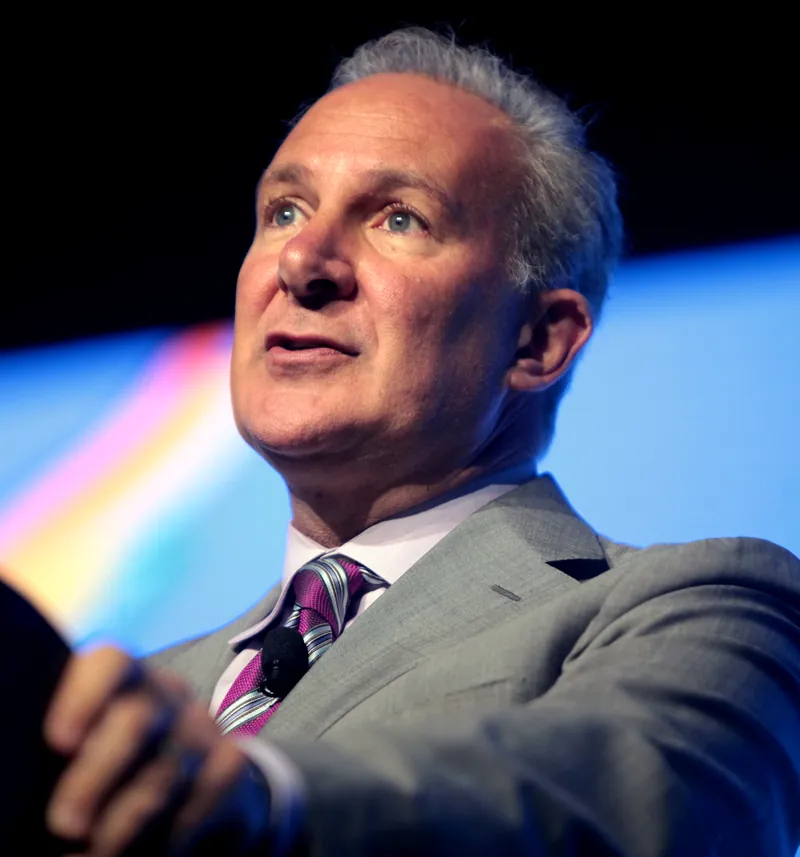
Peter D. Schiff
1
Books ReviewedAsk LuvemBooks about Peter D. Schiff
- Where should I start?
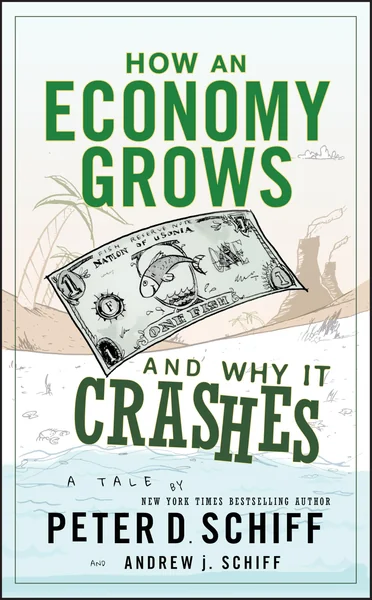
- If you're new to Peter Schiff's work, How an Economy Grows and Why It Crashes is an excellent entry point. Co-written with his brother Andrew J. Schiff, the book uses a simple island-based fable to walk readers through foundational economic principles — from savings and capital formation to credit, debt, and government intervention — without requiring any prior knowledge of economics. Its allegorical structure makes abstract ideas genuinely accessible, and its 4.7-star Amazon rating across more than 1,300 readers suggests it lands well with a broad audience. It's a natural starting place before moving on to his more investment-focused titles like Crash Proof 2.0.
- What's their writing style?
- Schiff's writing is direct, polemical, and deliberately accessible — he consistently prioritizes clarity and persuasion over academic nuance. His most distinctive technique, on display in How an Economy Grows and Why It Crashes, is the use of extended allegory: he constructs simplified fictional economies to illustrate macroeconomic cause and effect, making it easier for lay readers to follow chains of economic logic without getting lost in terminology. His tone carries a sense of urgency that reflects his broader role as a financial forecaster — he writes as someone trying to convince readers of an uncomfortable truth, not merely inform them. That combination of storytelling structure and argumentative drive is what separates his books from standard personal finance or economics texts.
- Books we've reviewed
- LuvemBooks has reviewed one book by Peter D. Schiff: How an Economy Grows and Why It Crashes, co-authored with Andrew J. Schiff, which uses a stripped-back allegorical fable to explain the mechanics of economies, capital formation, and financial crises in terms accessible to any reader. It carries an Amazon reader rating of 4.7 out of 5 from over 1,300 ratings.
- What genre does Peter Schiff write?
- Peter Schiff writes primarily in the Business and Economics genre, with a focus on macroeconomic education and personal financial strategy. His books blend economic theory — drawn from the Austrian school tradition — with accessible storytelling and practical investment commentary, making them relevant to both curious general readers and people actively thinking about how to manage money in uncertain economic conditions. How an Economy Grows and Why It Crashes sits at the educational end of that spectrum, while titles like Crash Proof 2.0 lean more toward actionable financial advice.
- What should I read after How an Economy Grows and Why It Crashes?
- After How an Economy Grows and Why It Crashes, the most natural next step within Schiff's own catalogue is Crash Proof 2.0, which translates the economic principles introduced in the fable into a practical framework for protecting personal wealth against the kind of systemic risks Schiff has long warned about. For readers who want to broaden into related territory, Henry Hazlitt's Economics in One Lesson covers complementary free-market ideas with similar clarity, and Thomas Sowell's Basic Economics offers a deeper but still accessible treatment of the same tradition. All three pair well as a self-directed curriculum in Austrian-influenced economic thinking.
Who is Peter D. Schiff?
Follow up
Synthesized from verified book data & published reviews · How we review
Press Enter to ask. Answers come from our editorial Q&A — start typing to see related questions.
Authors Like Peter D. Schiff
Stephen R. Covey
Stephen Richards Covey was an American educator, author, businessman, and speaker.
1 book reviewed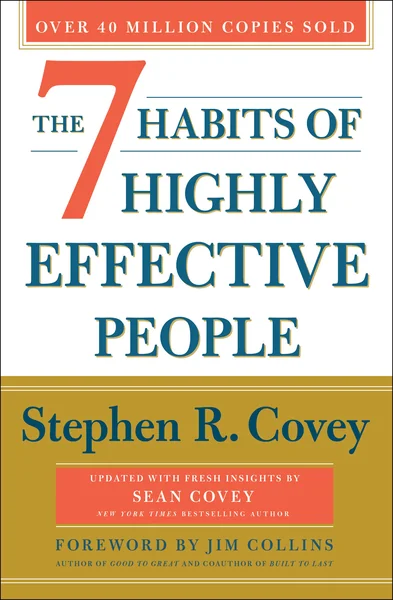

Daron Acemoglu
Kamer Daron Acemoğlu is a Turkish-American economist of Armenian descent who has taught at the Massachusetts Institute of Technology since 1993, where he is currently the Elizabeth and James Killian Professor of Economics, and was named an Institute Professor at MIT in 2019.
1 book reviewed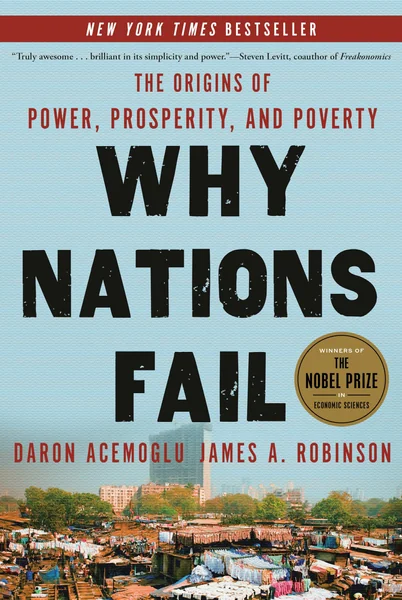

James A. Robinson
James Alan Robinson is a British-American economist and political scientist.
1 book reviewed
Thomas Piketty
Thomas Piketty is a French economist who is a professor of economics at the School for Advanced Studies in the Social Sciences, associate chair at the Paris School of Economics (PSE) and Centennial Professor of Economics in the International Inequalities Institute at the London School of Economics (LSE)..
1 book reviewed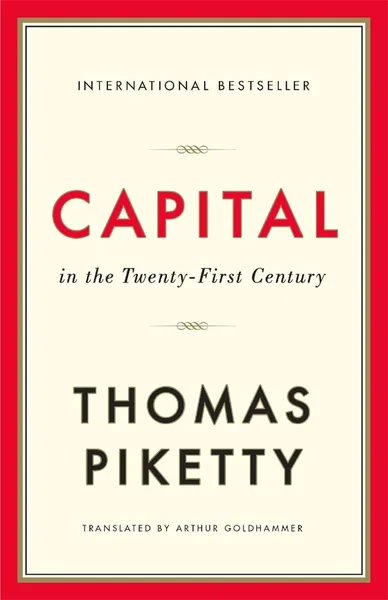
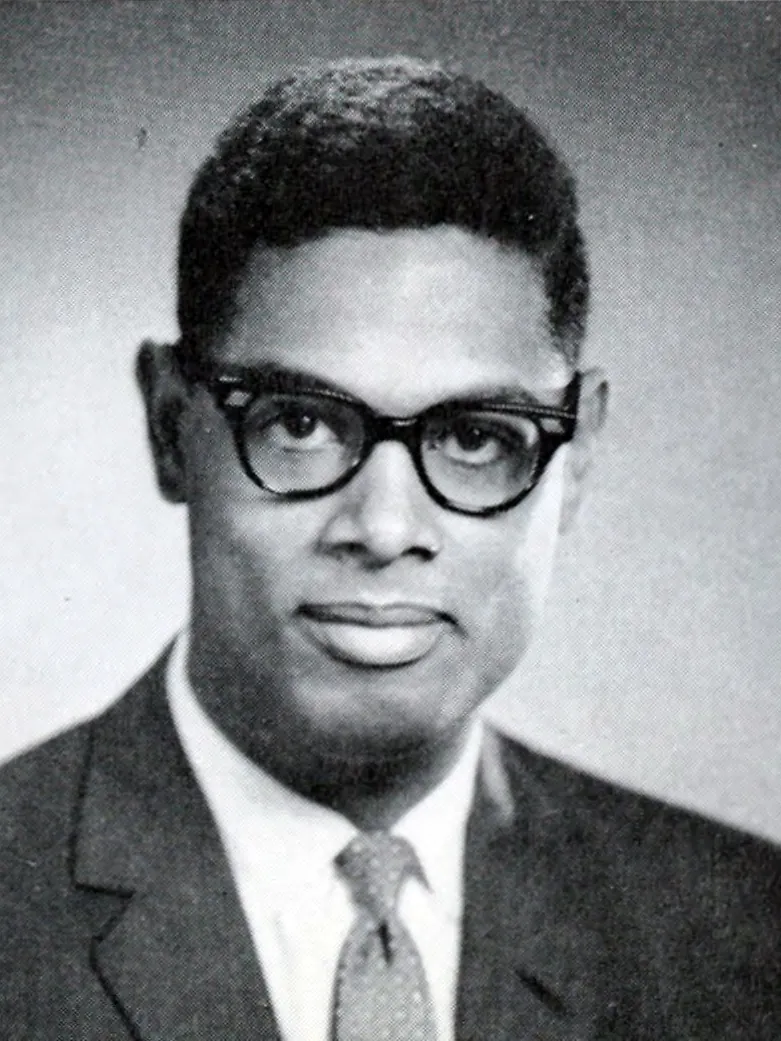
Thomas Sowell
Thomas Sowell is an American economist, economic historian, and social theorist.
1 book reviewed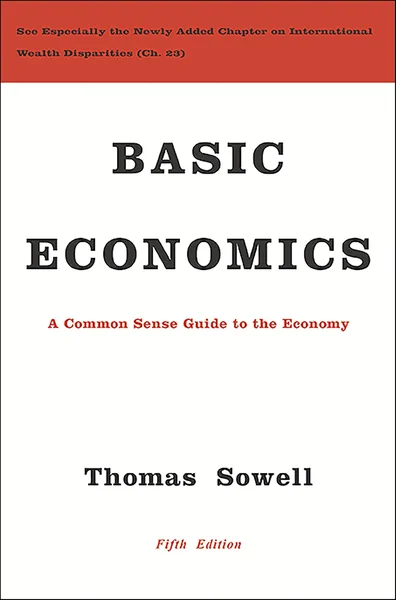
F. A. Hayek
This is the chronological list of books by the Austrian school economist and philosopher Friedrich Hayek.
1 book reviewed