

James A. Robinson
1
Books ReviewedAsk LuvemBooks about James A. Robinson
- Where should I start?
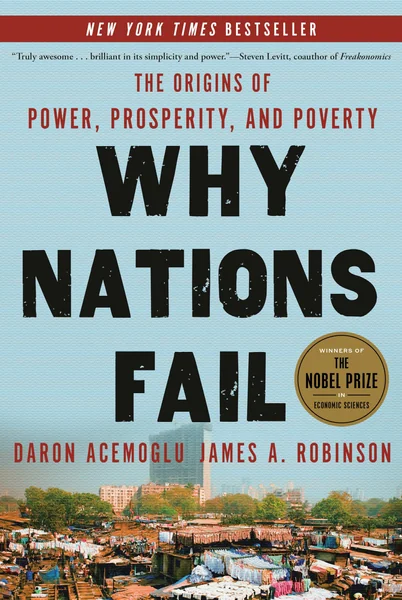
- With only one reviewed title on LuvemBooks, the answer is straightforward: start with Why Nations Fail. It is Robinson's most accessible work, designed for a general audience rather than academic specialists, and it lays out the core institutional argument — that inclusive political and economic systems create broadly shared prosperity while extractive ones concentrate power and wealth — with extensive historical examples from Rome to colonial Africa to modern North Korea.
- What's their writing style?
- Robinson, writing with Acemoglu, works in a style that is analytical but deliberately accessible — they build a single, clearly stated thesis and then test it across dozens of historical cases, from the divergence of Nogales on the US-Mexico border to the contrasting fates of North and South Korea. The prose is direct and argument-driven rather than literary, with each example serving an evidential function rather than decoration. Readers who enjoy history explained through a unifying structural idea tend to find the approach persuasive; readers who prefer nuanced, case-by-case analysis sometimes push back on what they see as an overly tidy framework.
- Books we've reviewed
- We have reviewed one book by James A. Robinson on LuvemBooks: Why Nations Fail (co-authored with Daron Acemoglu), which carries an Amazon reader rating of 4.5/5 from over 10,000 ratings — an ambitious institutional history arguing that political and economic structures, not geography or culture, determine whether nations thrive or fail.
- What genre do they write?
- Robinson writes in the Politics and Society space — specifically the sub-genre of popular institutional economics and comparative political history. His work sits alongside titles like Guns, Germs, and Steel or The Wealth of Nations in attempting to answer large-scale questions about human development through a single explanatory framework. It appeals to readers interested in economics, political science, and global history without requiring formal training in any of those fields.
- What should I read after Why Nations Fail?
- The most natural follow-up is The Narrow Corridor: States, Societies, and the Fate of Liberty (2019), in which Robinson and Acemoglu develop their institutional framework further, focusing specifically on how societies balance state power against individual freedom. For readers who want a different perspective on similar questions, Daron Acemoglu and Simon Johnson's Power and Progress (2023) examines how technology and institutions interact — or Jared Diamond's Guns, Germs, and Steel offers a contrasting geographic account of development that Why Nations Fail explicitly argues against.
Who is James A. Robinson?
Follow up
Synthesized from verified book data & published reviews · How we review
Press Enter to ask. Answers come from our editorial Q&A — start typing to see related questions.
Authors Like James A. Robinson

Thomas Piketty
Thomas Piketty is a French economist who is a professor of economics at the School for Advanced Studies in the Social Sciences, associate chair at the Paris School of Economics (PSE) and Centennial Professor of Economics in the International Inequalities Institute at the London School of Economics (LSE)..
1 book reviewed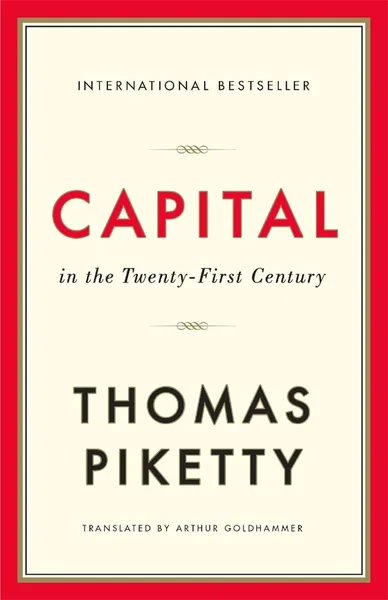
F. A. Hayek
This is the chronological list of books by the Austrian school economist and philosopher Friedrich Hayek.
1 book reviewed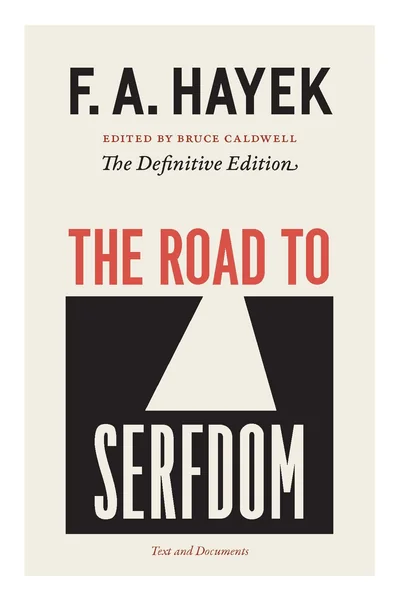
James Madison
James Madison, the pen name of Charles Aronstein (August 27, 1870 – March 27, 1943), was an American theatre manager, writer, and publisher, best known for writing and publishing the periodical *Madison's Budget*.
1 book reviewed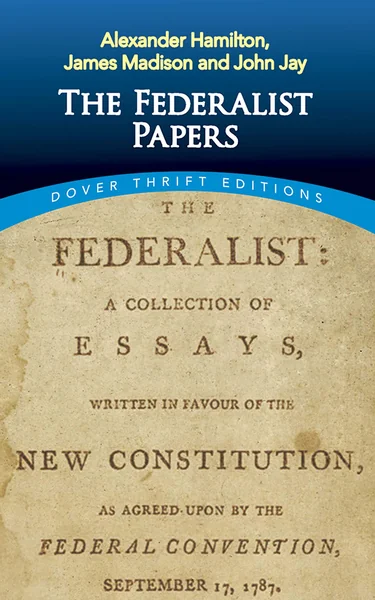
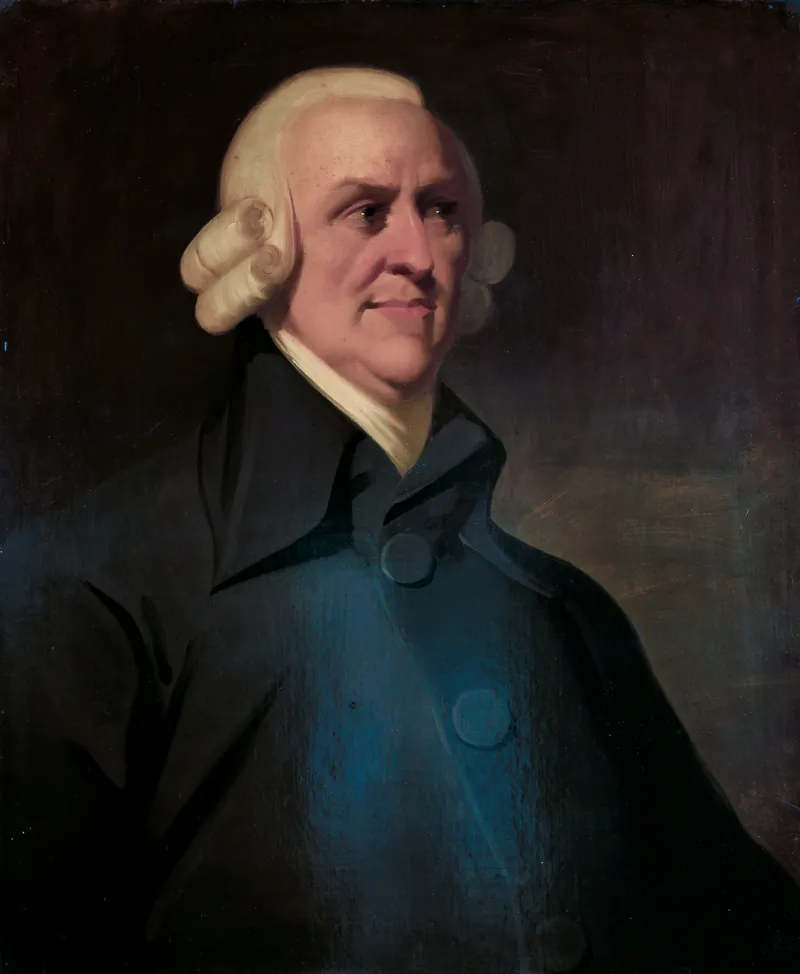
Adam Smith
Adam Smith was a Scottish economist and philosopher who was a pioneer in the field of political economy and key figure during the Scottish Enlightenment.
1 book reviewed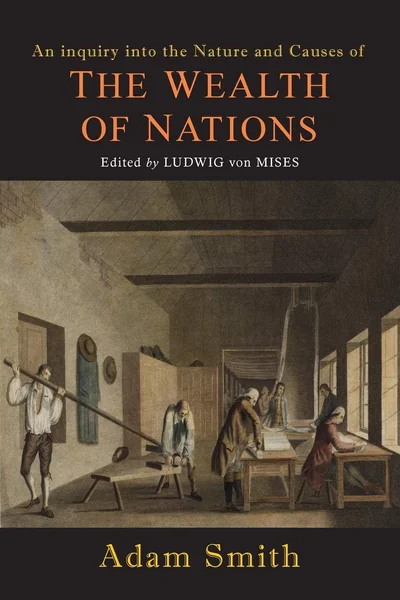
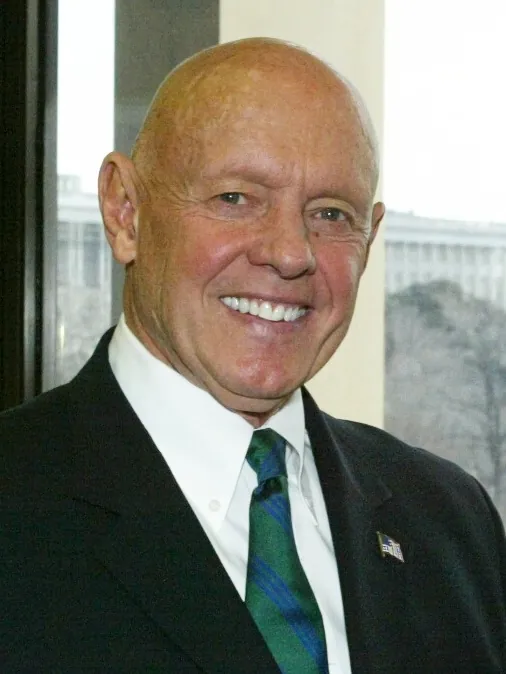
Stephen R. Covey
Stephen Richards Covey was an American educator, author, businessman, and speaker.
1 book reviewed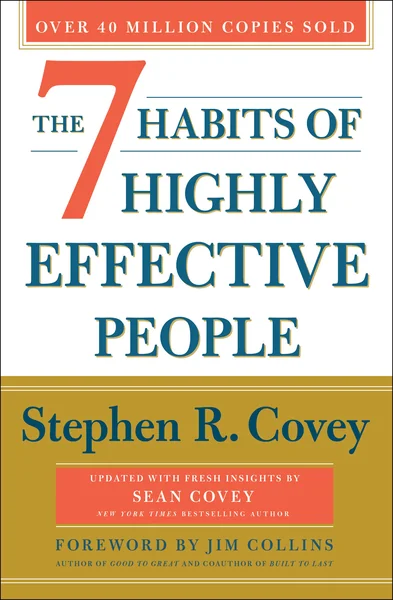
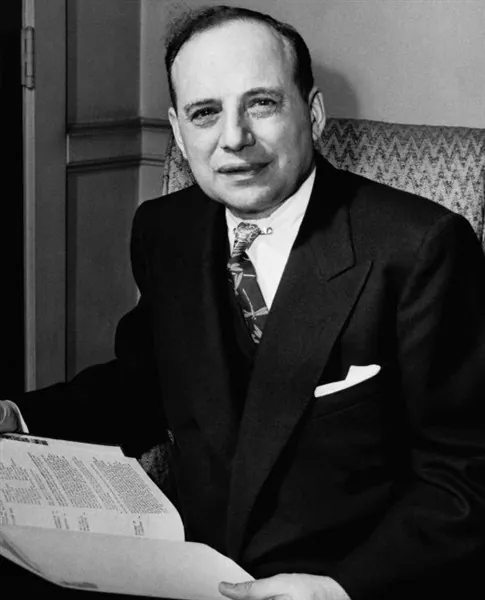
Benjamin Graham
Benjamin Graham was an English-American financial analyst, economist, accountant, investor and professor.
1 book reviewed