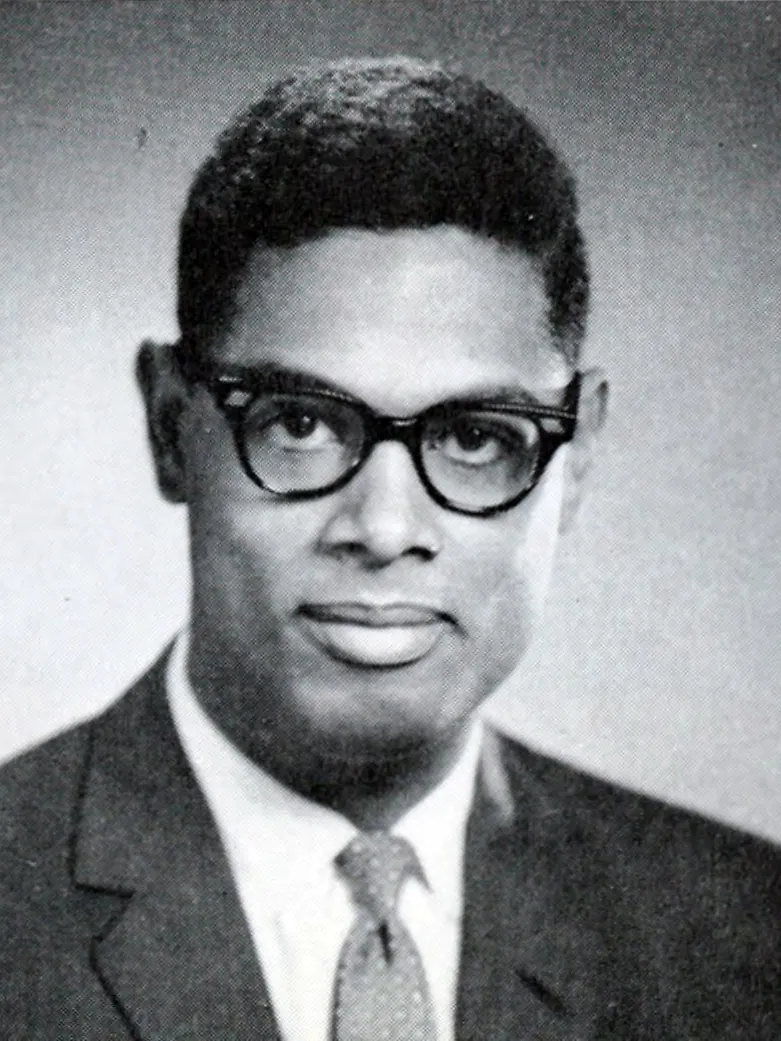
Thomas Sowell
American
Born 1930
Thomas Sowell is an American economist, economic historian, and social theorist. With widely published commentary and books—and as a guest on TV and radio—he is a well-known voice in the American conservative movement as a prominent black conservative. He is a senior fellow at the Hoover Institution and was a recipient of the National Humanities Medal from President George W. Bush in 2002.
On LuvemBooks, we've reviewed Basic Economics.
1
Books ReviewedThomas Sowell books in order
48 books, 1 series; 1 reviewed on LuvemBooks. Dates and covers from Amazon.
Hoover Institution Press Publication2 books


Standalones and other books
 1972Say's LawAmazon ↗
 1972Black Education: Myths and TragediesAmazon ↗
 1974Classical Economics ReconsideredAmazon ↗
 1975Race and EconomicsAmazon ↗
 1980Fairmont Papers: Black Alternatives ConferenceAmazon ↗
 1981Ethnic AmericaAmazon ↗
 1981Markets And MinoritiesAmazon ↗
 1981Pink and Brown People and Other Controversial EssaysAmazon ↗
 1982Discrimination, Affirmative Action, and Equal OpportunityAmazon ↗
 1983The Economics and Politics of RaceAmazon ↗
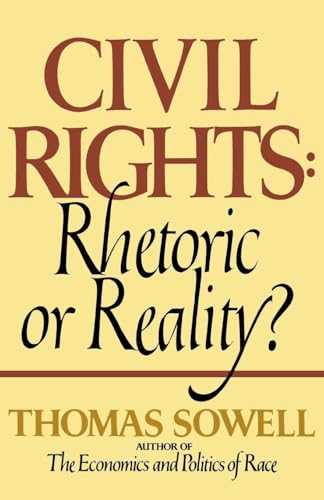 1984Civil Rights: Rhetoric or Reality?Amazon ↗
 1985Education: Assumptions versus HistoryAmazon ↗
 1985MarxismAmazon ↗
 1987A Conflict of VisionsAmazon ↗
 1987Compassion versus guilt, and other essaysAmazon ↗
 1989Choosing a CollegeAmazon ↗
 1990Preferential PoliciesAmazon ↗
 1995Race And CultureAmazon ↗
 1995The Vision Of The AnointedAmazon ↗
 1996Migrations And CulturesAmazon ↗
 1997Hoover Digest Research and Opinion on Public Opinion, 1997 No. 3Amazon ↗
 1997Late-talking ChildrenAmazon ↗
 1998Conquests and CulturesAmazon ↗
 1999The Quest for Cosmic JusticeAmazon ↗
 2000A Personal OdysseyAmazon ↗
Ask LuvemBooks about Thomas Sowell
Thomas Sowell is an economist and social theorist who applies rigorous economic analysis to everyday financial questions. In Basic Economics: A Common Sense Guide to the Economy, he strips away jargon to explain how prices, incentives, and trade-offs shape real-world outcomes—the kind of concrete, data-driven reasoning that defines his single reviewed work on LuvemBooks.
- Where should I start?
- Start with Basic Economics, Sowell's clearest entry point. It's designed for readers with no economics background and uses real examples to explain how supply, demand, prices, and incentives actually work in practice. The Amazon reader rating of 4.8/5 reflects how well it connects economic theory to everyday life.
- What's their writing style?
- Sowell writes in clear, direct prose designed to make economics accessible without dumbing it down. He favors concrete examples over abstract theory, and he's willing to challenge conventional wisdom backed only by good intentions. His tone is measured and evidence-focused, avoiding both jargon and sensationalism.
- Books we've reviewed
- We've reviewed one Thomas Sowell book so far. Basic Economics breaks down how markets, prices, and incentives shape economic reality with clarity and real-world examples.
- What genre do they write?
- Sowell writes nonfiction in the economics and social theory category. His work straddles business economics and cultural commentary—he's less interested in technical economic models and more focused on how economic principles explain real behavior and policy outcomes.
- What should I read after Basic Economics?
- After Basic Economics, readers often move to Sowell's thematic deep dives: Knowledge and Decisions examines how information flows through markets and institutions, or Discrimination and Disparities applies economic thinking to social inequality. Both assume the foundational concepts from Basic Economics but explore specific domains in greater depth.
Who is Thomas Sowell?
Where should I start?
What's their writing style?
Books we've reviewed
What genre do they write?
What should I read after Basic Economics?
Who is Thomas Sowell?
Thomas Sowell is an American economist and economic historian known for applying economic principles to social and policy questions. He has spent decades analyzing how markets, prices, and incentives shape behavior and outcomes across economics, history, and society. His work focuses on debunking common assumptions about how the economy actually works.
Follow up
What subjects does he focus on?
Is he an academic or a public intellectual?
Synthesized from verified book data & published reviews · How we review
Press Enter to ask. Answers come from our editorial Q&A — start typing to see related questions.
Authors Like Thomas Sowell

Steven D. Levitt
Business & Economics
Steven D. Levitt applies the same cause-and-effect economic logic to surprising everyday questions in Freakonomics, presenting his arguments in short, punchy chapters.
2 books reviewed
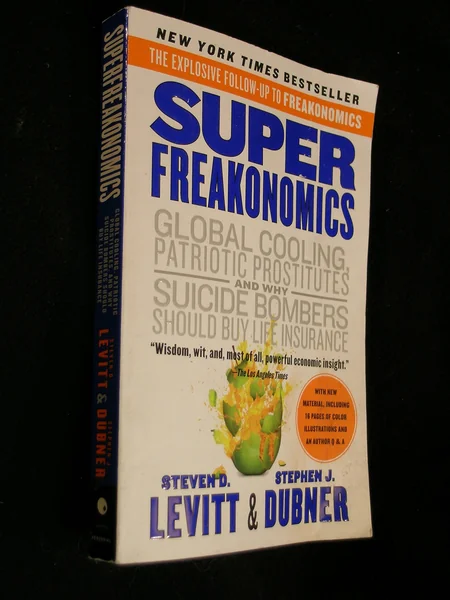

Stephen J. Dubner
Business & Economics
Stephen J. Dubner’s Freakonomics applies the same cause-and-effect economic logic to surprising real-world questions like crime and cheating, using short, punchy chapters.
2 books reviewedF
F. A. Hayek
Politics & Society
Business & Economics
In The Road to Serfdom, Hayek similarly argues that central economic planning undermines prosperity and freedom, delivering his critique with sharp political urgency against wartime Europe.
1 book reviewed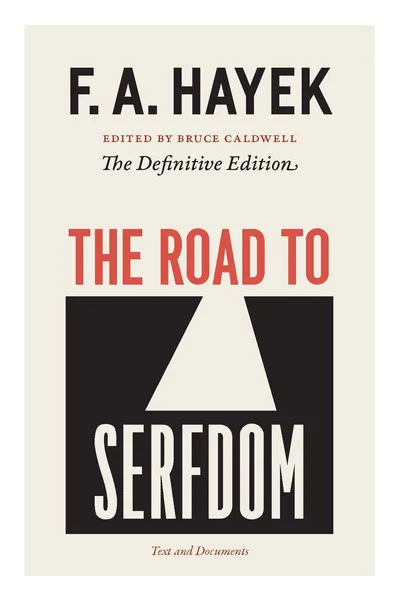
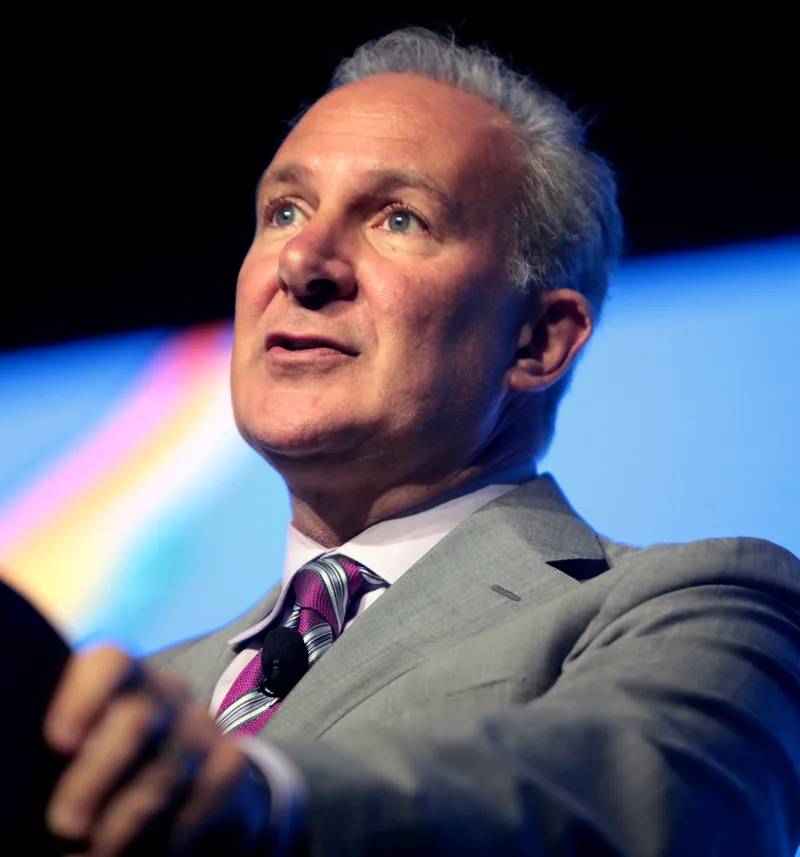
Peter D. Schiff
Politics & Society
Business & Economics
Peter D. Schiff's How an Economy Grows and Why It Crashes walks through the same economic principles using an illustrated stranded-island fable with concrete characters and visuals.
1 book reviewed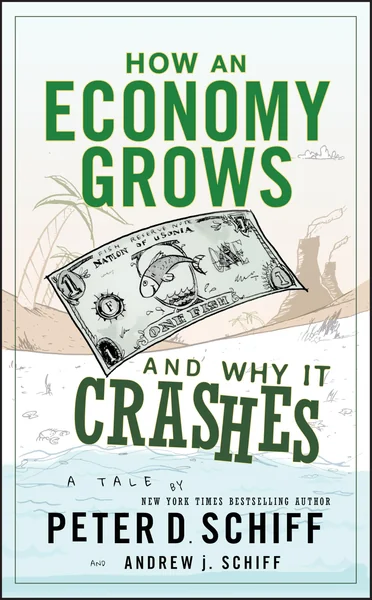
A
Andrew J. Schiff
Politics & Society
Business & Economics
Andrew J. Schiff’s How an Economy Grows and Why It Crashes walks through the same economic principles using an illustrated stranded-island fable with concrete characters and visuals.
1 book reviewed
Henry Hazlitt
Business & Economics
Henry Hazlitt's Economics in One Lesson shares the same plain-English, zero-math approach, focusing on a core principle to trace all economic effects beyond their immediate consequences.
1 book reviewed