Thomas Piketty
1
Books ReviewedAsk LuvemBooks about Thomas Piketty
- Where should I start?
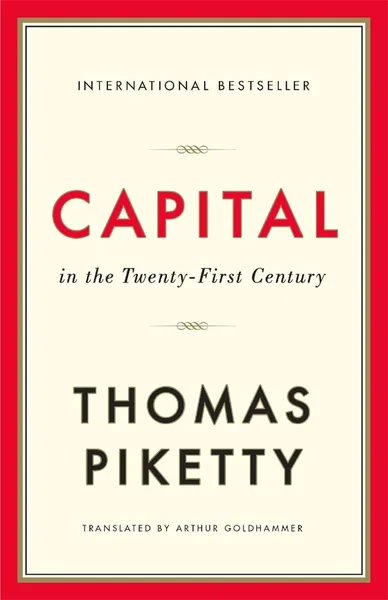
- Given that we've reviewed one book by Piketty on LuvemBooks, the natural starting point is Capital in the Twenty-First Century — and it's also the work that established his international reputation. It introduces his central thesis about the relationship between the rate of return on capital and economic growth (r > g) while walking readers through an impressive sweep of historical data. It is a substantial read, but Piketty structures it accessibly enough that engaged non-economists have taken to it in large numbers, as its Amazon reader rating of 4.5/5 from over 5,700 ratings suggests.
- What's their writing style?
- Piketty writes as an empiricist first — his arguments are built up from large historical datasets rather than from theoretical models, which gives his prose a cumulative, evidence-led quality. He frequently uses concrete examples from literature (Balzac and Jane Austen appear regularly in Capital in the Twenty-First Century) to illustrate how wealth inequality shaped everyday life in earlier centuries, which helps ground abstract economic trends in recognisable human terms. His tone is analytical and measured rather than polemical, though the implications of his findings are often politically charged.
- Books we've reviewed
- We've reviewed one book by Thomas Piketty on LuvemBooks: Capital in the Twenty-First Century, his landmark study of how wealth and income inequality have evolved over three centuries and why he argues capital tends to concentrate without active redistribution — rated 4.5/5 by over 5,700 Amazon readers.
- What genre does Piketty write?
- Piketty writes in the field of Business and Economics, specifically within the sub-disciplines of economic history and political economy. His books are works of non-fiction that combine quantitative research with historical narrative, making them most comparable to other major works of popular economics — but with a stronger empirical foundation than most. Readers drawn to works that use data to reframe how we understand society and history tend to find his approach rewarding.
- What should I read after Capital in the Twenty-First Century?
- After Capital in the Twenty-First Century, the most natural next step within Piketty's own work is Capital and Ideology (2020), which extends the argument across a broader range of societies and time periods and engages more directly with the political systems that shape inequality. If you'd prefer to step outside Piketty, Tony Atkinson's Inequality: What Can Be Done? offers a more policy-focused complement, while Daron Acemoglu and James Robinson's Why Nations Fail approaches questions of wealth and power from an institutional economics perspective.
Who is Thomas Piketty?
Follow up
Synthesized from verified book data & published reviews · How we review
Press Enter to ask. Answers come from our editorial Q&A — start typing to see related questions.
Authors Like Thomas Piketty

Daron Acemoglu
Kamer Daron Acemoğlu is a Turkish-American economist of Armenian descent who has taught at the Massachusetts Institute of Technology since 1993, where he is currently the Elizabeth and James Killian Professor of Economics, and was named an Institute Professor at MIT in 2019.
1 book reviewed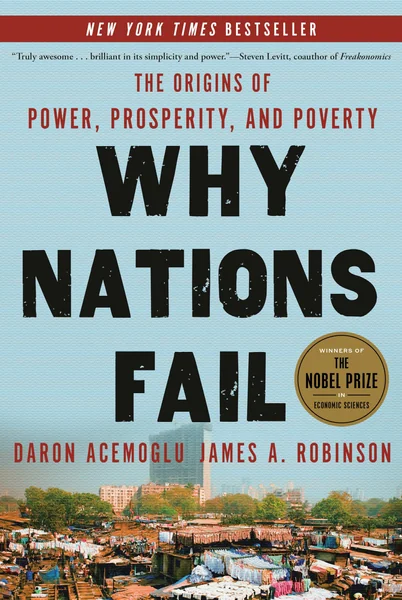

James A. Robinson
James Alan Robinson is a British-American economist and political scientist.
1 book reviewedF. A. Hayek
This is the chronological list of books by the Austrian school economist and philosopher Friedrich Hayek.
1 book reviewed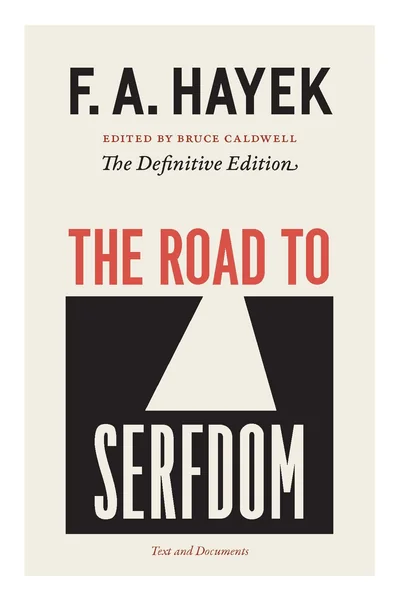
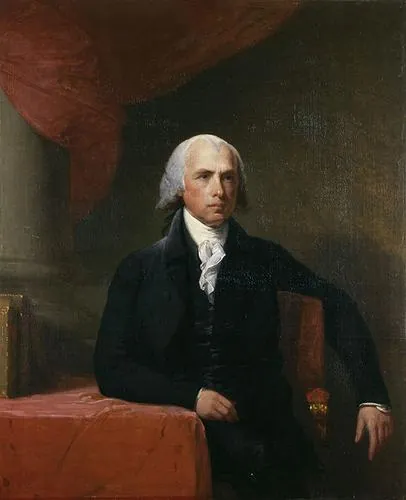
James Madison
James Madison, the pen name of Charles Aronstein (August 27, 1870 – March 27, 1943), was an American theatre manager, writer, and publisher, best known for writing and publishing the periodical *Madison's Budget*.
1 book reviewed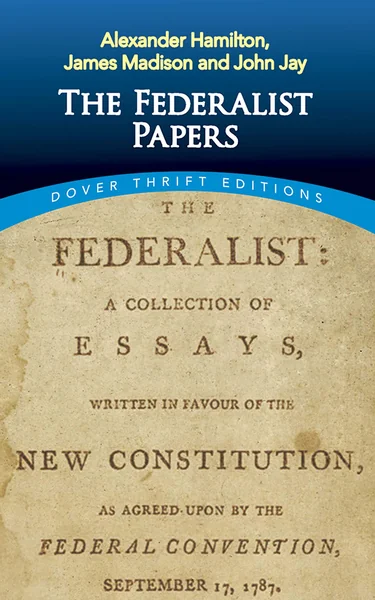
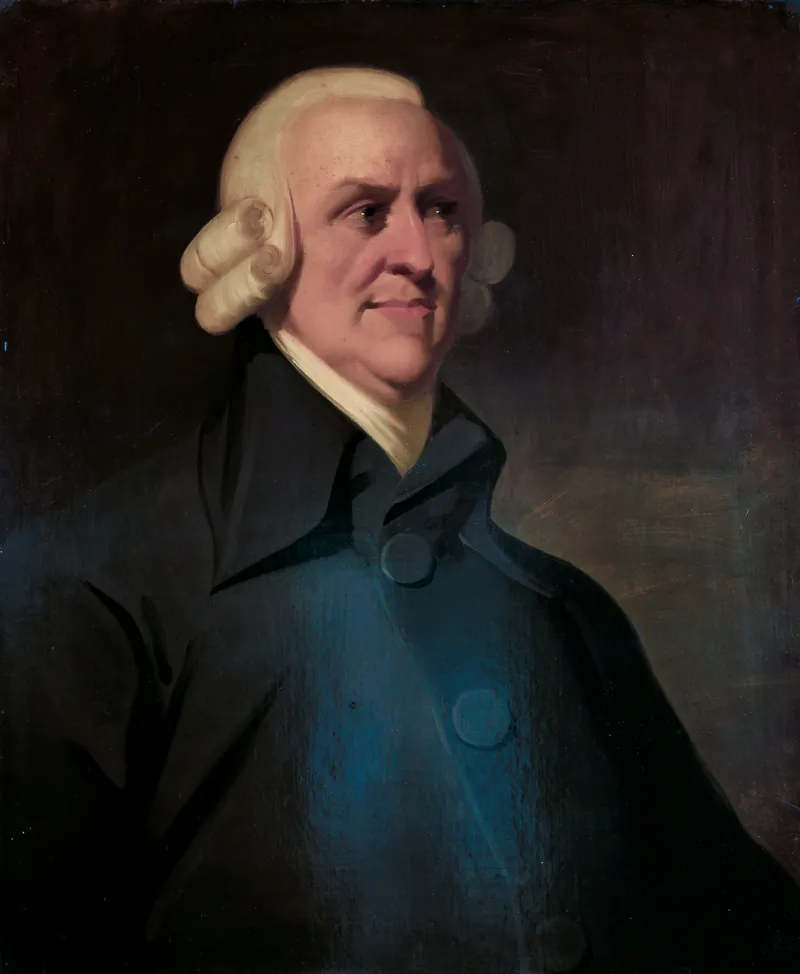
Adam Smith
Adam Smith was a Scottish economist and philosopher who was a pioneer in the field of political economy and key figure during the Scottish Enlightenment.
1 book reviewed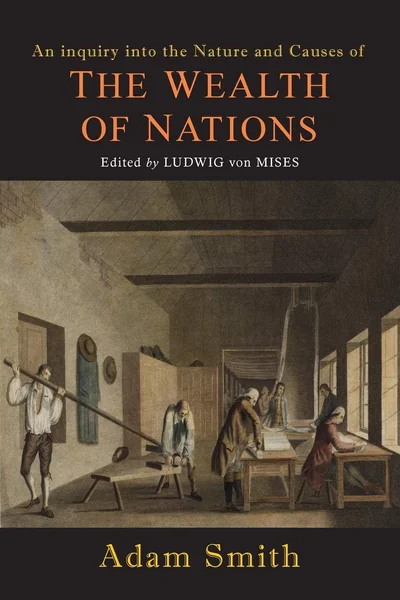
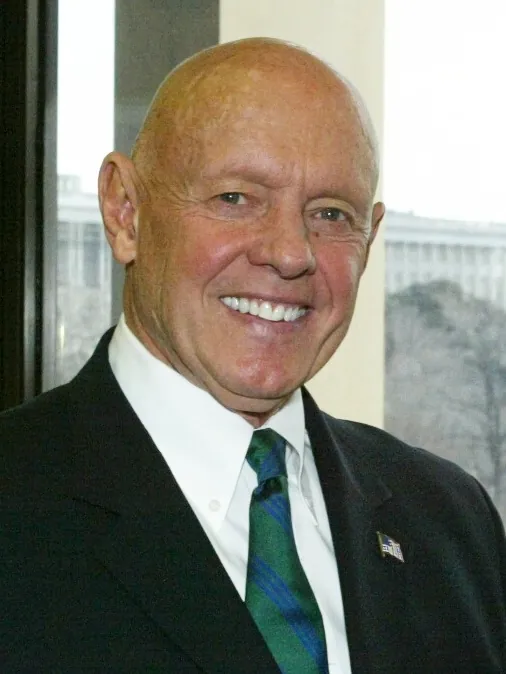
Stephen R. Covey
Stephen Richards Covey was an American educator, author, businessman, and speaker.
1 book reviewed