F. A. Hayek
1
Books ReviewedAsk LuvemBooks about F. A. Hayek
- Where should I start?
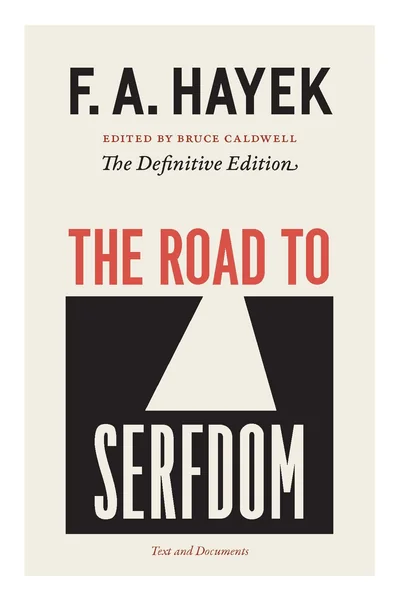
- The Road to Serfdom is the natural starting point for readers new to Hayek. Written in 1944 for a general audience, it is his most accessible work and lays out the core argument that ties together much of his later thinking: that economic freedom and political freedom are inseparable, and that central planning poses a fundamental threat to both. Its relatively short length and direct prose make it far less demanding than his more technical works, and its 4.7/5 reader rating across thousands of reviews suggests it continues to resonate widely.
- What's their writing style?
- Hayek writes as a systematic thinker first and a stylist second — his prose is precise and measured rather than rhetorical, building arguments through careful definition and logical progression. In The Road to Serfdom he adopts a notably accessible register compared to his academic economics work, addressing educated general readers directly and anticipating their objections as he goes. His strength lies in tracing long chains of cause and effect across economics, politics, and social organisation, which gives his books a cumulative argumentative weight rather than relying on dramatic set-pieces.
- Books we've reviewed
- LuvemBooks has reviewed one book by Hayek so far: The Road to Serfdom (reader rating 4.7/5 from 3,084 Amazon ratings) — his landmark 1944 argument that socialist central planning and political freedom are fundamentally incompatible, and still the best entry point into his work.
- What genre do they write?
- Hayek writes primarily in the fields of economics and political philosophy, sitting within the broader category of Business & Economics. His work ranges from technical contributions to capital theory and business cycle theory at one end, to accessible works of political argument and social philosophy at the other. Readers drawn to thinkers like Milton Friedman, Karl Popper, or John Stuart Mill will find Hayek occupies a similar intellectual space.
- What should I read after The Road to Serfdom?
- Readers who want to stay with Hayek should move on to The Constitution of Liberty (1960), his most thorough statement of liberal political philosophy and the work he himself considered his most important. Those interested specifically in his economics might explore Prices and Production or his essays collected in Individualism and Economic Order. For a broader reading path, Karl Popper's The Open Society and Its Enemies and Milton Friedman's Capitalism and Freedom make natural companions.
Who is F. A. Hayek?
Follow up
Synthesized from verified book data & published reviews · How we review
Press Enter to ask. Answers come from our editorial Q&A — start typing to see related questions.
Authors Like F. A. Hayek
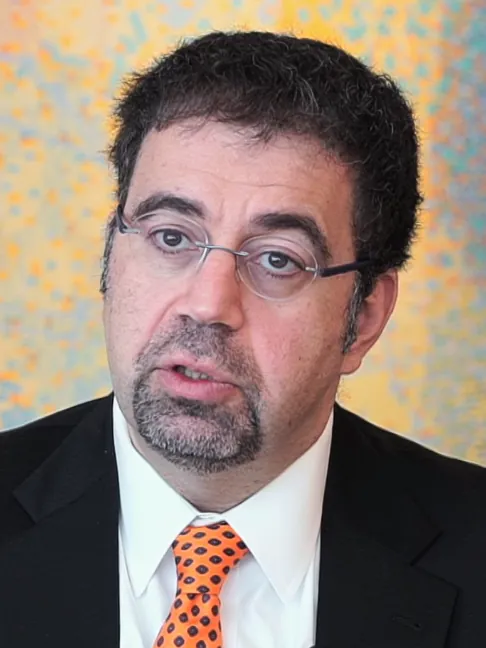
Daron Acemoglu
Kamer Daron Acemoğlu is a Turkish-American economist of Armenian descent who has taught at the Massachusetts Institute of Technology since 1993, where he is currently the Elizabeth and James Killian Professor of Economics, and was named an Institute Professor at MIT in 2019.
1 book reviewed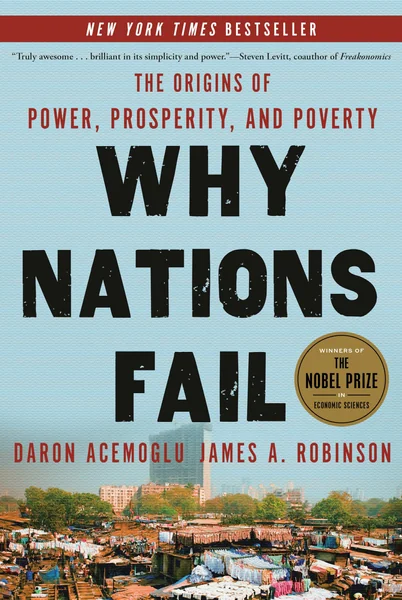
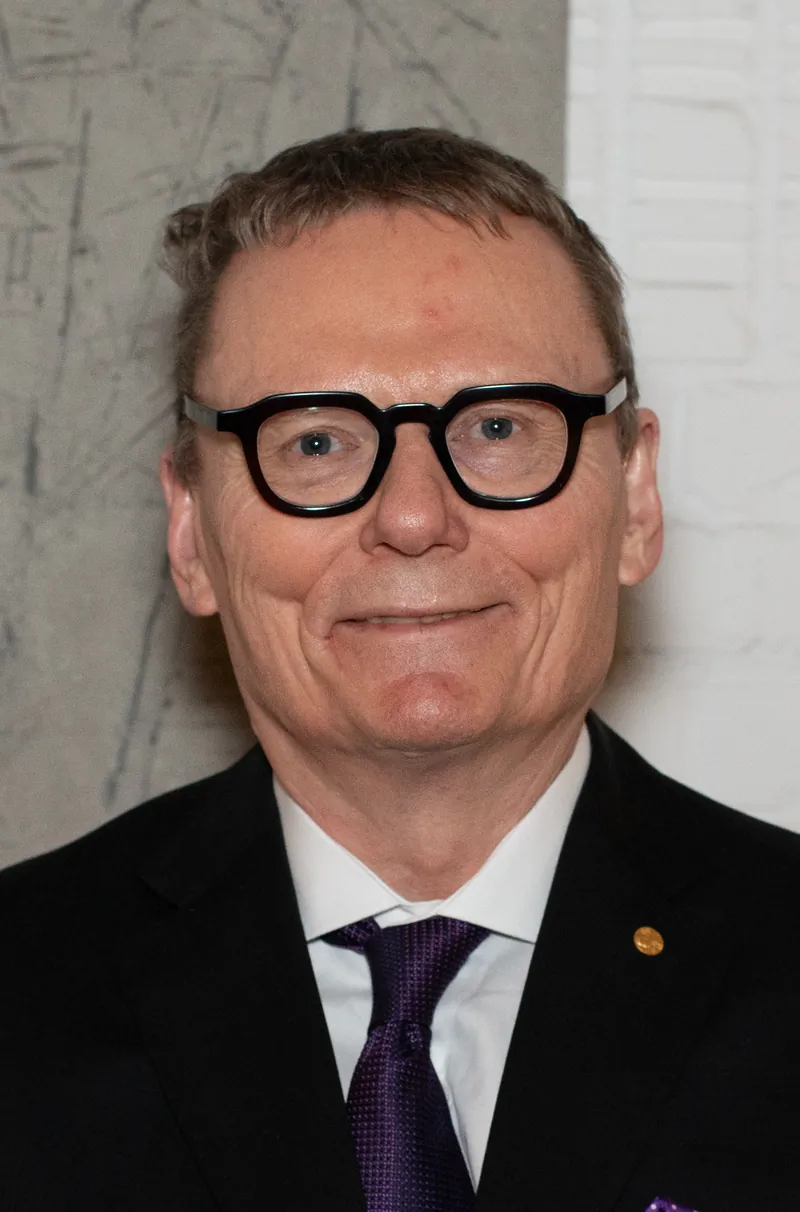
James A. Robinson
James Alan Robinson is a British-American economist and political scientist.
1 book reviewed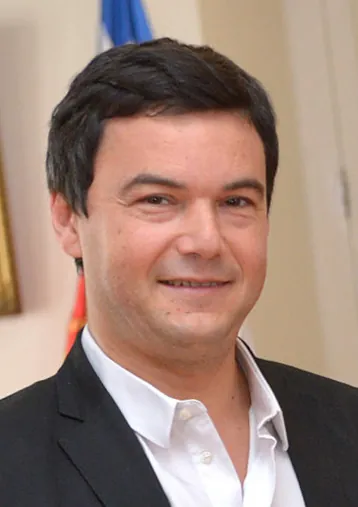
Thomas Piketty
Thomas Piketty is a French economist who is a professor of economics at the School for Advanced Studies in the Social Sciences, associate chair at the Paris School of Economics (PSE) and Centennial Professor of Economics in the International Inequalities Institute at the London School of Economics (LSE)..
1 book reviewed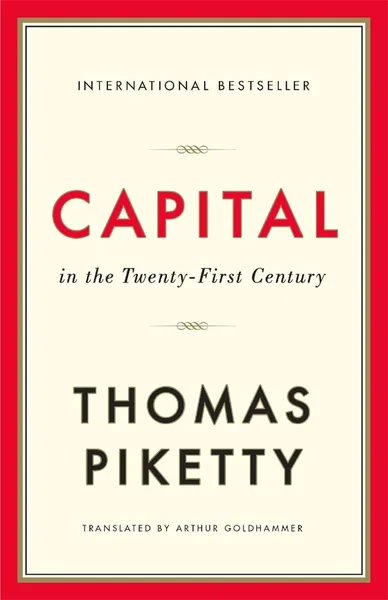
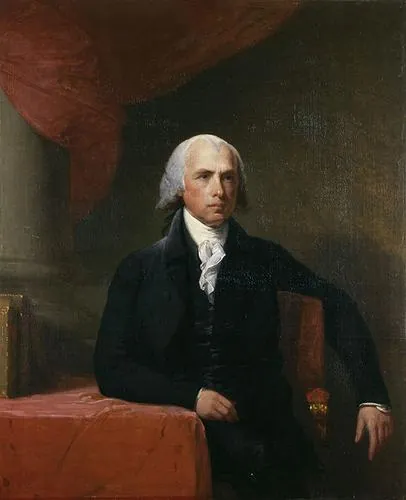
James Madison
James Madison, the pen name of Charles Aronstein (August 27, 1870 – March 27, 1943), was an American theatre manager, writer, and publisher, best known for writing and publishing the periodical *Madison's Budget*.
1 book reviewed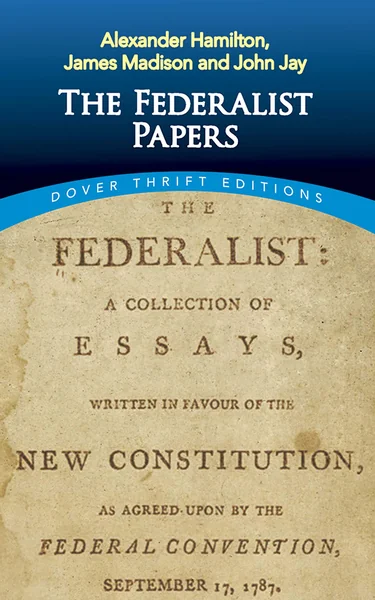
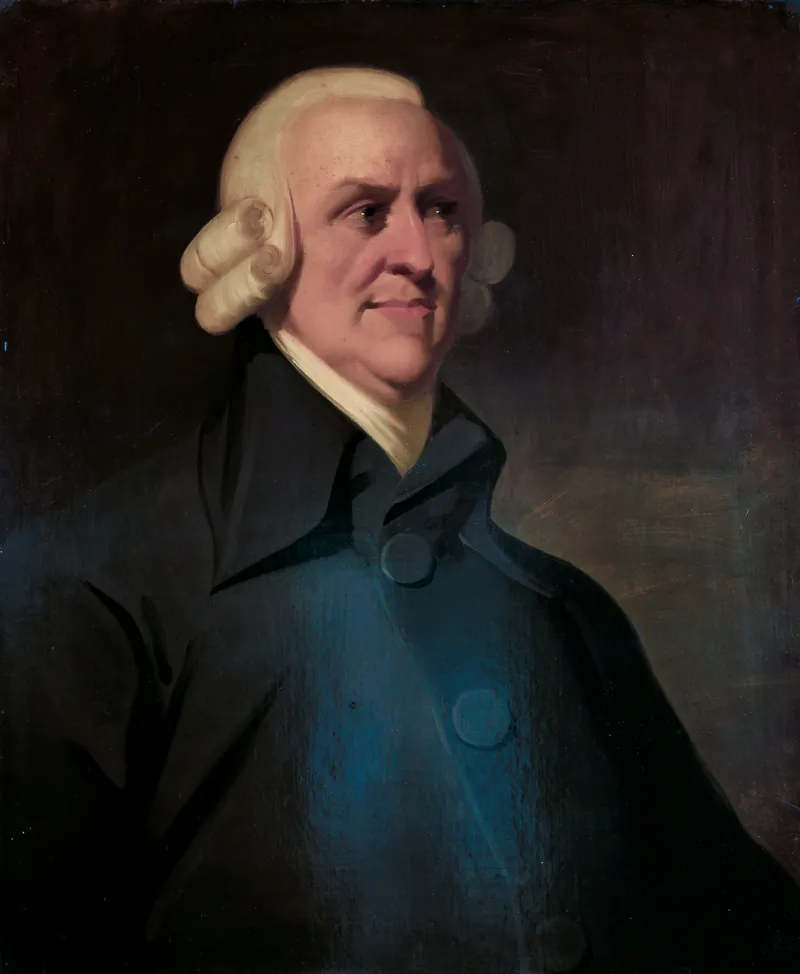
Adam Smith
Adam Smith was a Scottish economist and philosopher who was a pioneer in the field of political economy and key figure during the Scottish Enlightenment.
1 book reviewed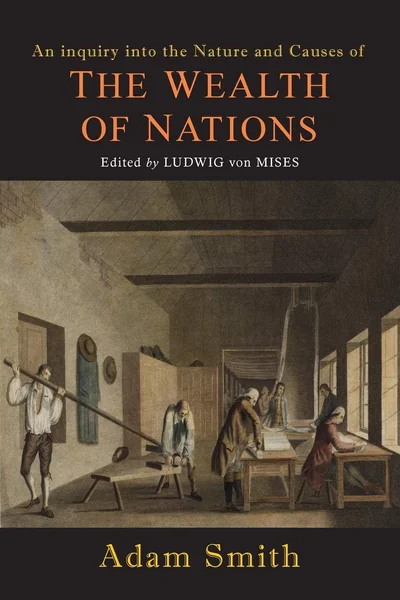
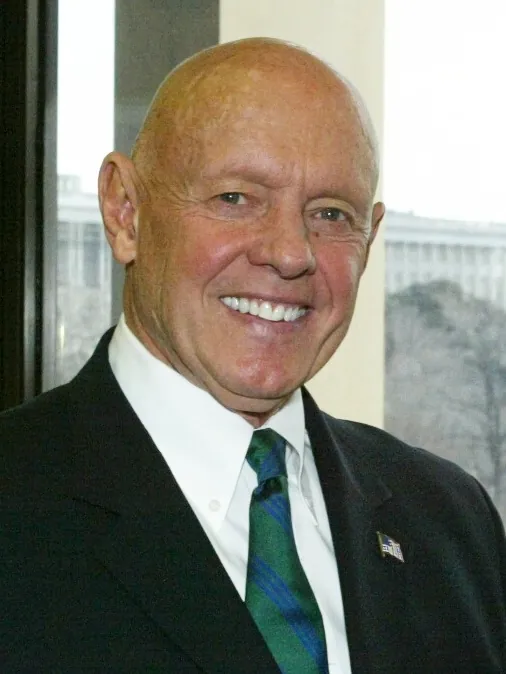
Stephen R. Covey
Stephen Richards Covey was an American educator, author, businessman, and speaker.
1 book reviewed