

Daron Acemoglu
1
Books ReviewedAsk LuvemBooks about Daron Acemoglu
- Where should I start?
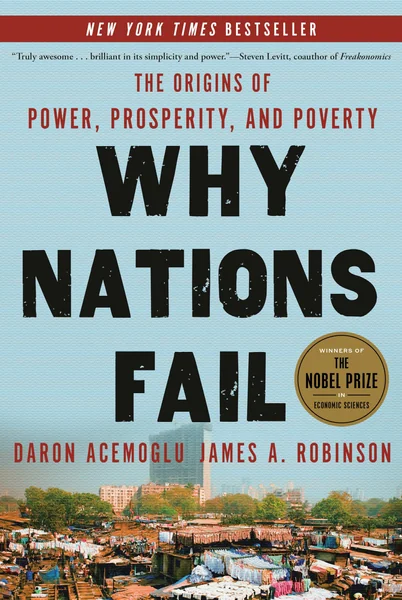
- If you are new to Acemoglu's work, Why Nations Fail is the natural entry point — and fortunately it is the book LuvemBooks has reviewed. It lays out his central thesis in full: that the gap between rich and poor countries is best explained by the quality of their political and economic institutions rather than by luck, resources, or geography. The writing is accessible and built around historical case studies, so it works well for readers without an economics background. Its 4.5/5 Amazon reader rating across more than ten thousand reviews suggests it delivers on that accessibility.
- What's their writing style?
- Acemoglu writes with the precision of an academic economist but consistently anchors his arguments in historical narrative, making abstract institutional theory legible through specific countries, turning points, and decisions. In Why Nations Fail he and Robinson build their case incrementally, introducing a concept and then stress-testing it against counterexamples — a structuring technique that gives the book an almost prosecutorial quality. The tone is confident and direct without being polemical; he is making a large claim about how the world works and is methodical about proving it rather than persuading through rhetoric.
- Books we've reviewed
- LuvemBooks has reviewed one book by Daron Acemoglu: Why Nations Fail: The Origins of Power, Prosperity, and Poverty (co-authored with James A. Robinson), a landmark work of political economy that argues inclusive institutions are the root cause of national wealth — rated 4.5/5 by over 10,000 Amazon readers.
- What genre do they write?
- Acemoglu's books sit in the Politics and Society section of most bookshops — specifically the subfield of political economy, which examines how political systems and economic outcomes shape each other. Why Nations Fail draws on economic history, comparative politics, and development economics to make its argument, so readers who enjoy works by authors like Francis Fukuyama, Timothy Snyder, or Jared Diamond often find themselves at home with his writing. It is non-fiction for readers who want rigorous argument alongside accessible prose.
- What should I read after Why Nations Fail?
- Readers who want to stay with Acemoglu and Robinson's institutional framework should look at The Narrow Corridor: States, Societies, and the Fate of Liberty, their 2019 follow-up, which explores how societies balance state power against individual liberty. For a different angle on related themes — particularly technology and inequality — Acemoglu's Power and Progress, co-written with Simon Johnson, is a natural next step. Outside Acemoglu's own catalogue, Francis Fukuyama's The Origins of Political Order covers overlapping ground on institutional development and makes a useful companion read.
Who is Daron Acemoglu?
Follow up
Synthesized from verified book data & published reviews · How we review
Press Enter to ask. Answers come from our editorial Q&A — start typing to see related questions.
Authors Like Daron Acemoglu

Thomas Piketty
Thomas Piketty is a French economist who is a professor of economics at the School for Advanced Studies in the Social Sciences, associate chair at the Paris School of Economics (PSE) and Centennial Professor of Economics in the International Inequalities Institute at the London School of Economics (LSE)..
1 book reviewed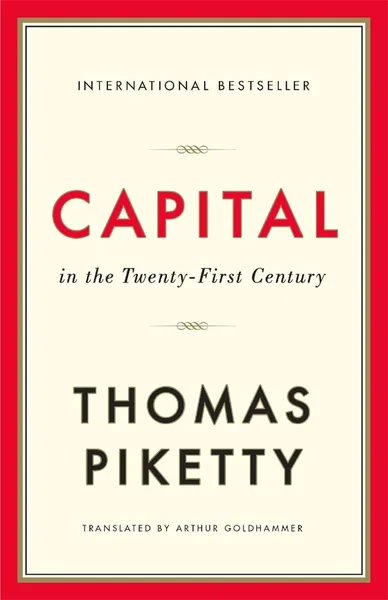
F. A. Hayek
This is the chronological list of books by the Austrian school economist and philosopher Friedrich Hayek.
1 book reviewed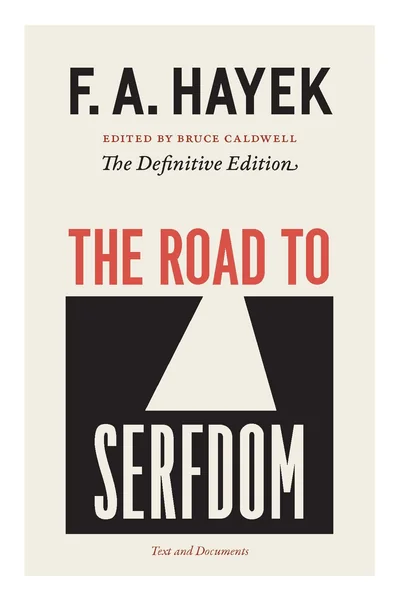
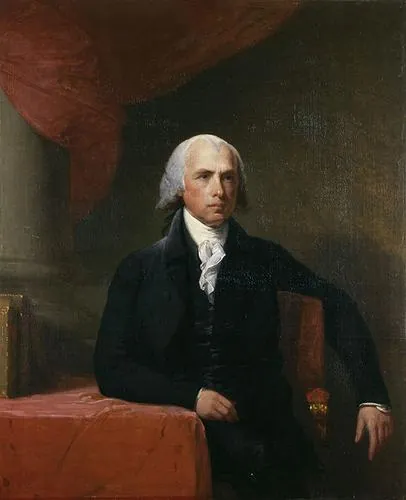
James Madison
James Madison, the pen name of Charles Aronstein (August 27, 1870 – March 27, 1943), was an American theatre manager, writer, and publisher, best known for writing and publishing the periodical *Madison's Budget*.
1 book reviewed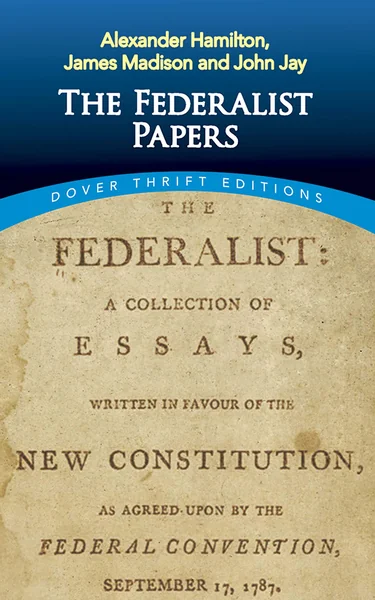
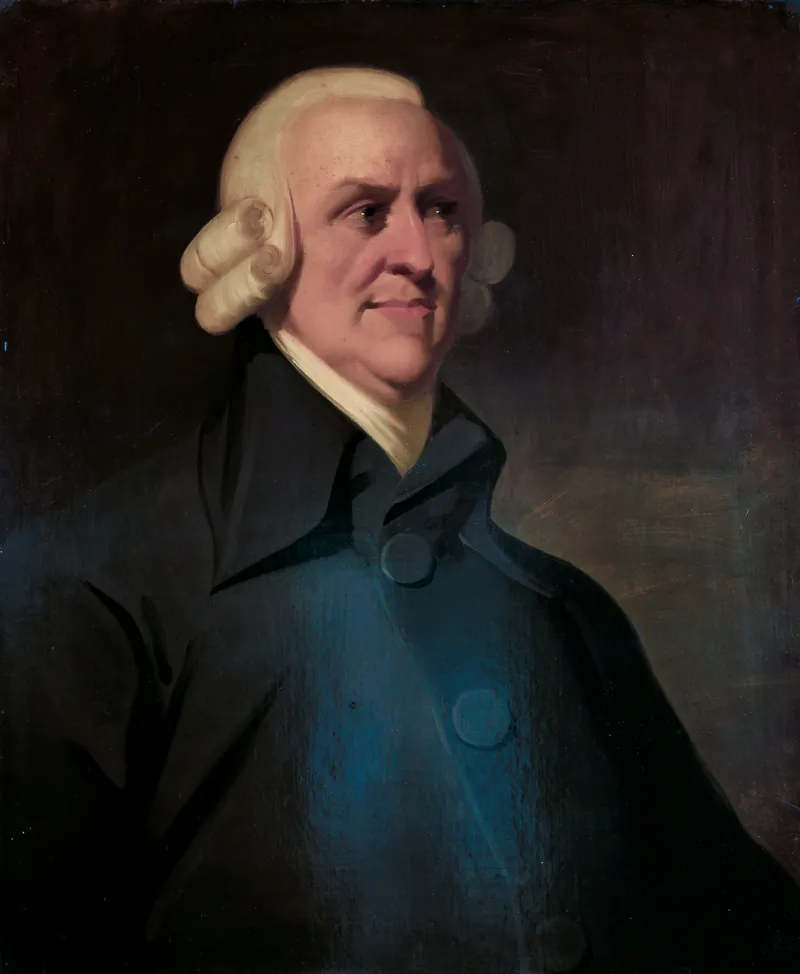
Adam Smith
Adam Smith was a Scottish economist and philosopher who was a pioneer in the field of political economy and key figure during the Scottish Enlightenment.
1 book reviewed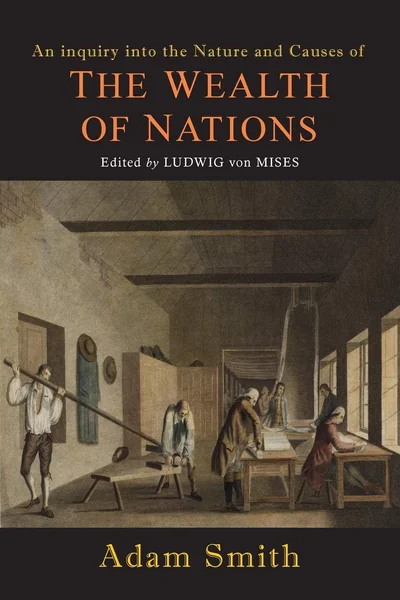
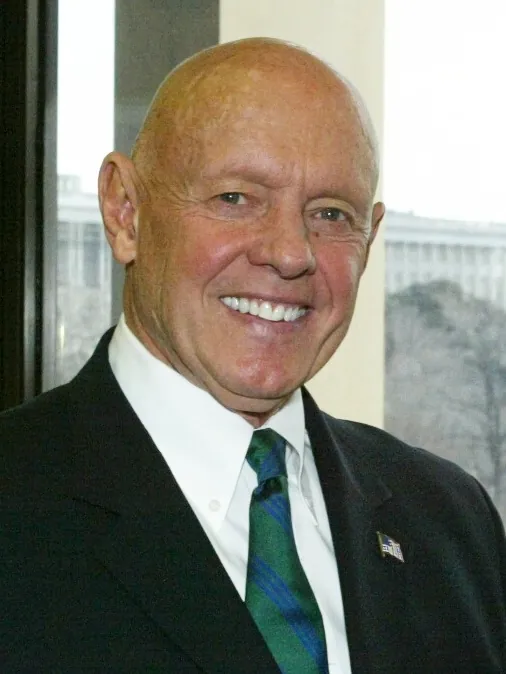
Stephen R. Covey
Stephen Richards Covey was an American educator, author, businessman, and speaker.
1 book reviewed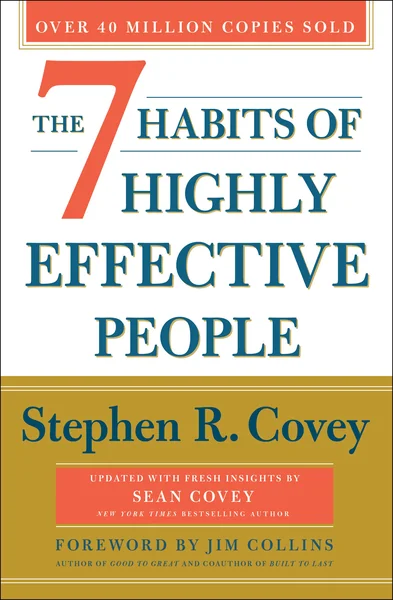
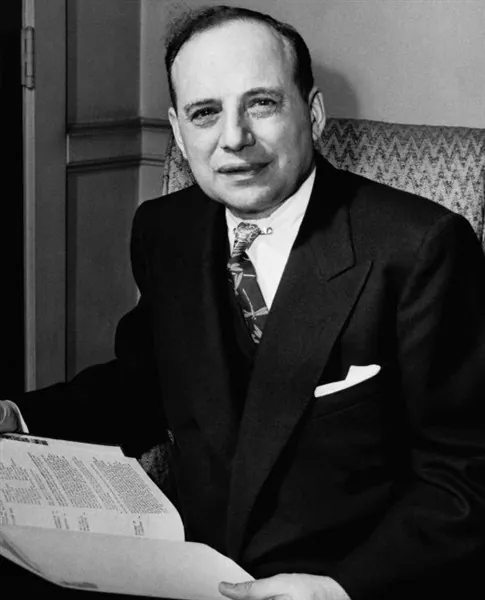
Benjamin Graham
Benjamin Graham was an English-American financial analyst, economist, accountant, investor and professor.
1 book reviewed