Viktor E. Frankl
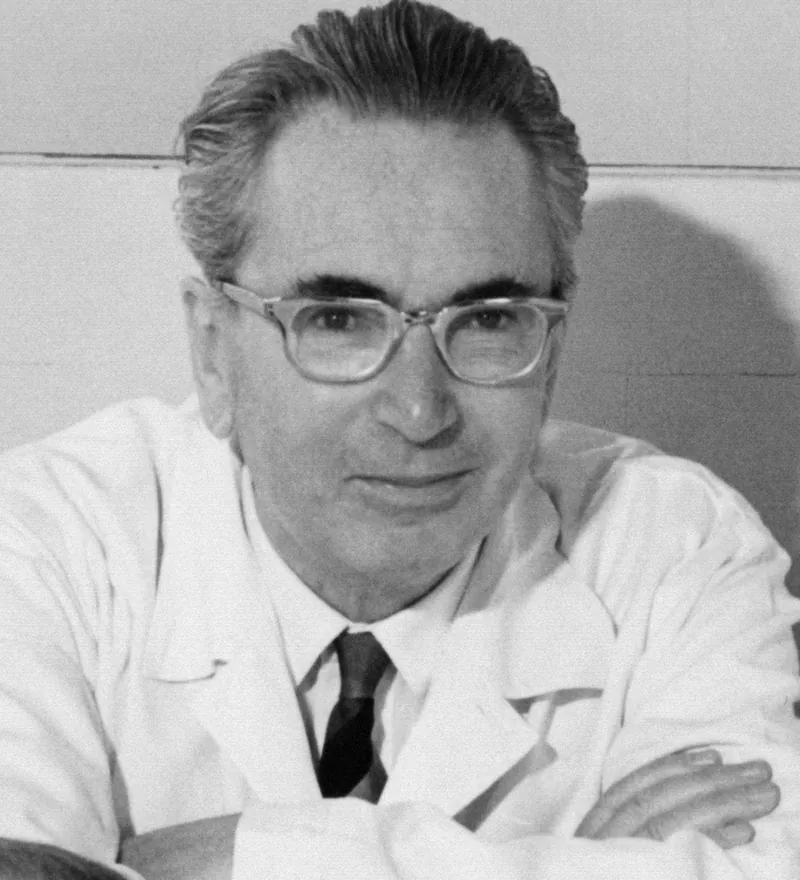
Viktor E. Frankl (March 26, 1905 – September 2, 1997) was an Austrian psychiatrist and psychotherapist born in Vienna, Austria. He developed logotherapy, known as the "Third Viennese School of Psychotherapy," a psychological approach centered on the importance of meaning in life. He is best known as the author of Man's Search for Meaning, a first-hand account of his experiences in Nazi concentration camps.
Biographical details sourced from Britannica.
On LuvemBooks, we've reviewed Man's Search for Meaning.
1
Books Reviewed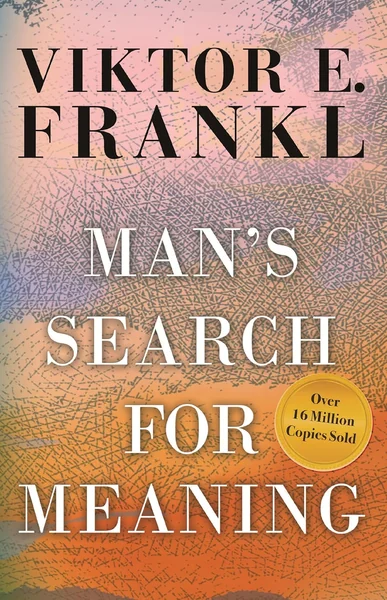
Ask LuvemBooks about Viktor E. Frankl
Viktor E. Frankl is represented on LuvemBooks by one reviewed title, Man's Search for Meaning, in which he draws directly on his survival of Nazi concentration camps to argue that the drive to find meaning — not pleasure or power — is the fundamental human motivation. Writing as both a witness and a clinician, he weaves autobiographical testimony together with the principles of his own psychotherapeutic school, logotherapy, giving the book an unusually dual authority: part memoir, part theoretical treatise. With an Amazon reader rating of 4.7/5 from nearly 100,000 ratings, it stands as one of the most consistently praised works in the Philosophy & Religion category.
- Where should I start?
- Man's Search for Meaning is both the natural and the only starting point among the books we've reviewed — and it happens to be one of the best entry points into Frankl's thought regardless. The first half reads as a harrowing first-person account of life in the concentration camps; the second half introduces logotherapy in accessible, jargon-light terms. Most readers find that the memoir section grounds the theory in a way that makes the psychology feel earned rather than abstract.
- What's their writing style?
- Frankl writes with the precision of a clinician and the restraint of someone who has genuinely experienced what he is describing — he rarely reaches for rhetorical flourish when a plain statement will do. In Man's Search for Meaning he alternates between close, observational prose in the memoir sections and a more structured, almost lecture-style exposition when explaining logotherapy, and the contrast between the two modes is itself part of what makes the book effective. His voice is calm to the point of being unsettling in places, and that understatement carries more weight than overt emotionality would.
- Books we've reviewed
- We have reviewed one book by Viktor E. Frankl on LuvemBooks: Man's Search for Meaning, a dual-part work combining a firsthand account of Nazi concentration camp survival with a plain-language introduction to logotherapy, carrying an Amazon reader rating of 4.7/5 from nearly 100,000 ratings.
- What genre do they write?
- Man's Search for Meaning is catalogued under Philosophy & Religion, but that label undersells how much it functions simultaneously as memoir, psychology, and self-help. Readers drawn to existential philosophy, Holocaust literature, or the history of psychotherapy will all find material relevant to their interests within a single short volume. If you typically read in any one of those areas, this book crosses into your territory.
- What should I read after Man's Search for Meaning?
- If the memoir dimension of Man's Search for Meaning resonated most, Primo Levi's If This Is a Man offers a comparably precise and morally searching account of Auschwitz survival. If the psychological framework was the main draw, Frankl's own The Will to Meaning extends the logotherapy argument in more depth. For a philosophical counterpoint on the same existential questions, Albert Camus's The Myth of Sisyphus makes a rigorous case for a very different answer.
Who is Viktor E. Frankl?
Where should I start?
What's their writing style?
Books we've reviewed
What genre do they write?
What should I read after Man's Search for Meaning?
Who is Viktor E. Frankl?
Viktor E. Frankl (1905–1997) was a Viennese psychiatrist and the founder of logotherapy, a form of psychotherapy built on the premise that the search for meaning is the primary motivating force in human life — a school sometimes called the 'Third Viennese School of Psychotherapy,' following Freud and Adler. He survived internment in several Nazi concentration camps, including Auschwitz, and went on to document those experiences alongside his therapeutic philosophy in Man's Search for Meaning. That book, first published in German in 1946, has since sold millions of copies worldwide and remains a foundational text in both psychology and existential philosophy.
Follow up
What is logotherapy?
What were Frankl's concentration camp experiences?
Synthesized from verified book data & published reviews · How we review
Press Enter to ask. Answers come from our editorial Q&A — start typing to see related questions.
Authors Like Viktor E. Frankl
M
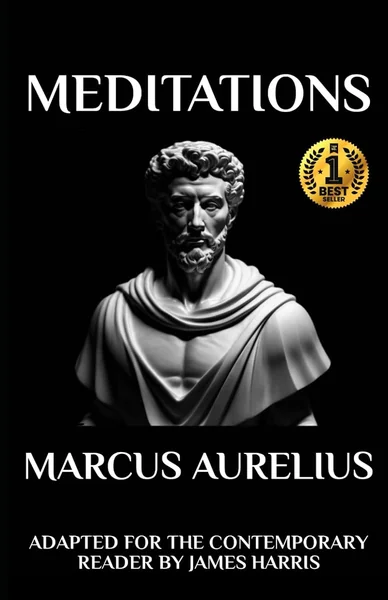
Marcus Aurelius
Philosophy & Religion
Marcus Aurelius's Meditations offers private Stoic writings on finding purpose under extreme pressure, echoing Frankl's focus on endurance and our control over responses to suffering.
2 books reviewed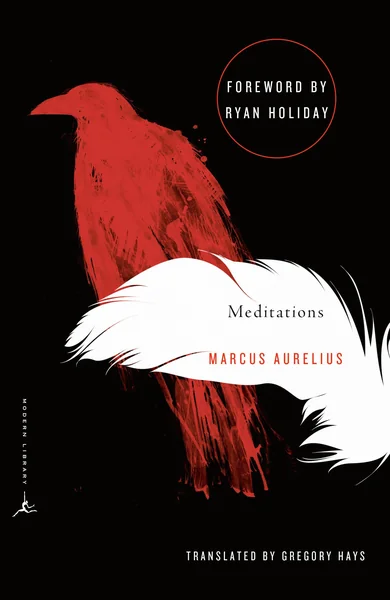
L
Lucius Annaeus Seneca
Philosophy & Religion
Politics & Society
Lucius Annaeus Seneca's Letters from a Stoic offers a classical counterpart to Frankl's existential framework, treating death, time, and suffering as philosophical problems to be solved.
1 book reviewed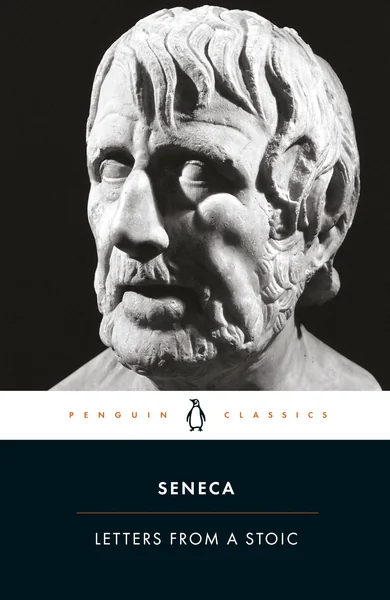

Massimo Pigliucci
Philosophy & Religion
Politics & Society
In How to Be a Stoic, Massimo Pigliucci explores how responding to uncontrollable circumstances fosters a meaningful life, applying ancient resilience philosophy to ordinary modern living.
1 book reviewed
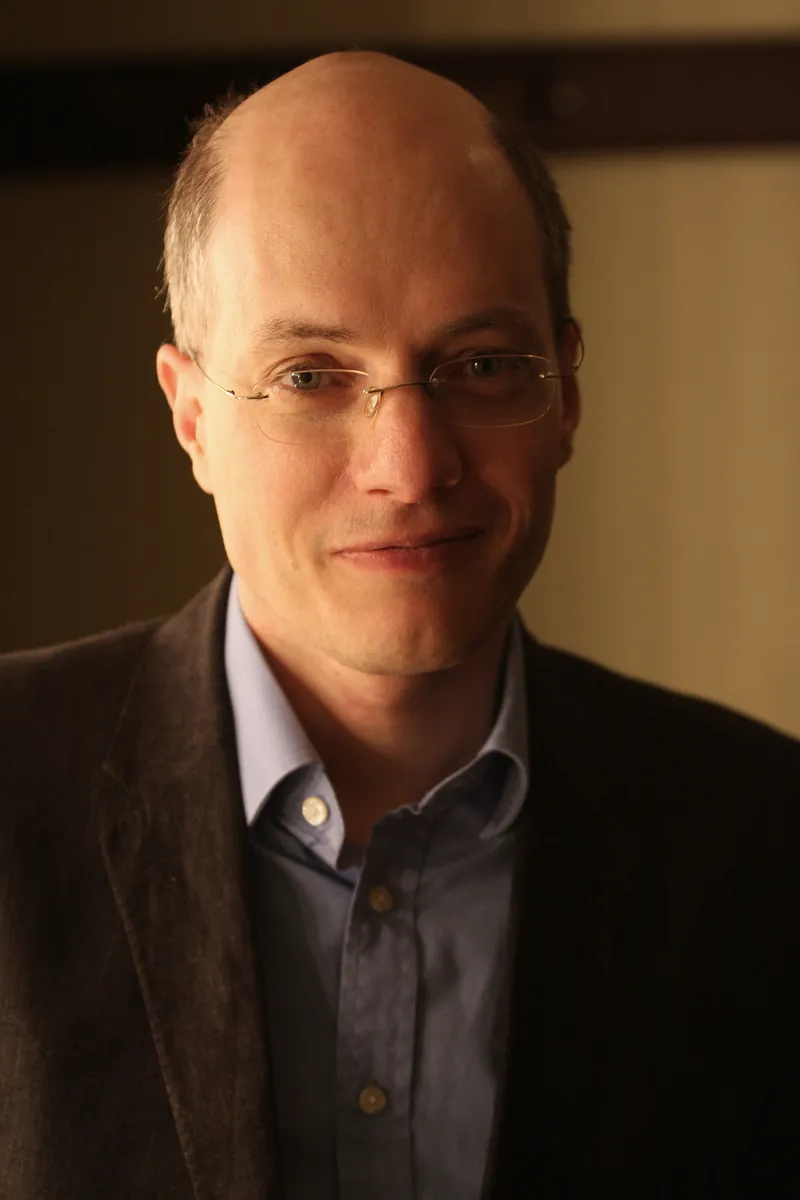
Alain De Botton
Philosophy & Religion
Alain De Botton's The Consolations of Philosophy applies philosophical frameworks to everyday hardship, offering a warm bridge to daily life from Frankl's existential depth.
1 book reviewed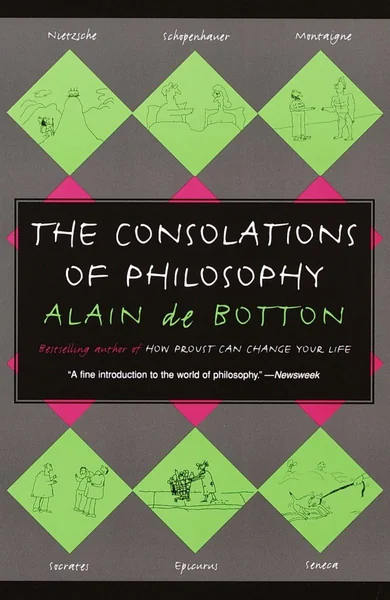
A
Ancius Boethius
Philosophy & Religion
Ancius Boethius's The Consolation of Philosophy was written in a prison cell awaiting execution, using philosophy as a survival tool to examine suffering and meaning under extreme conditions.
1 book reviewed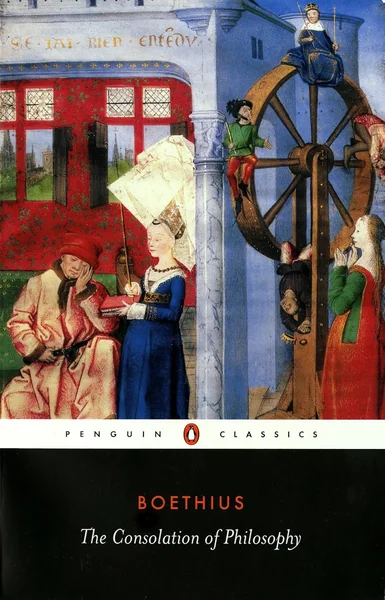
Friedrich Nietzsche
Philosophy & Religion
Politics & Society
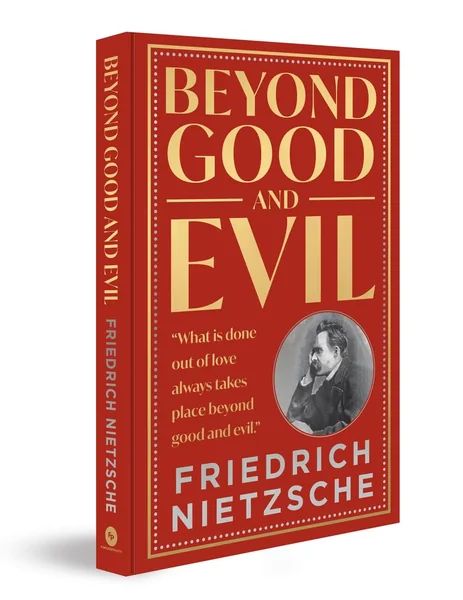
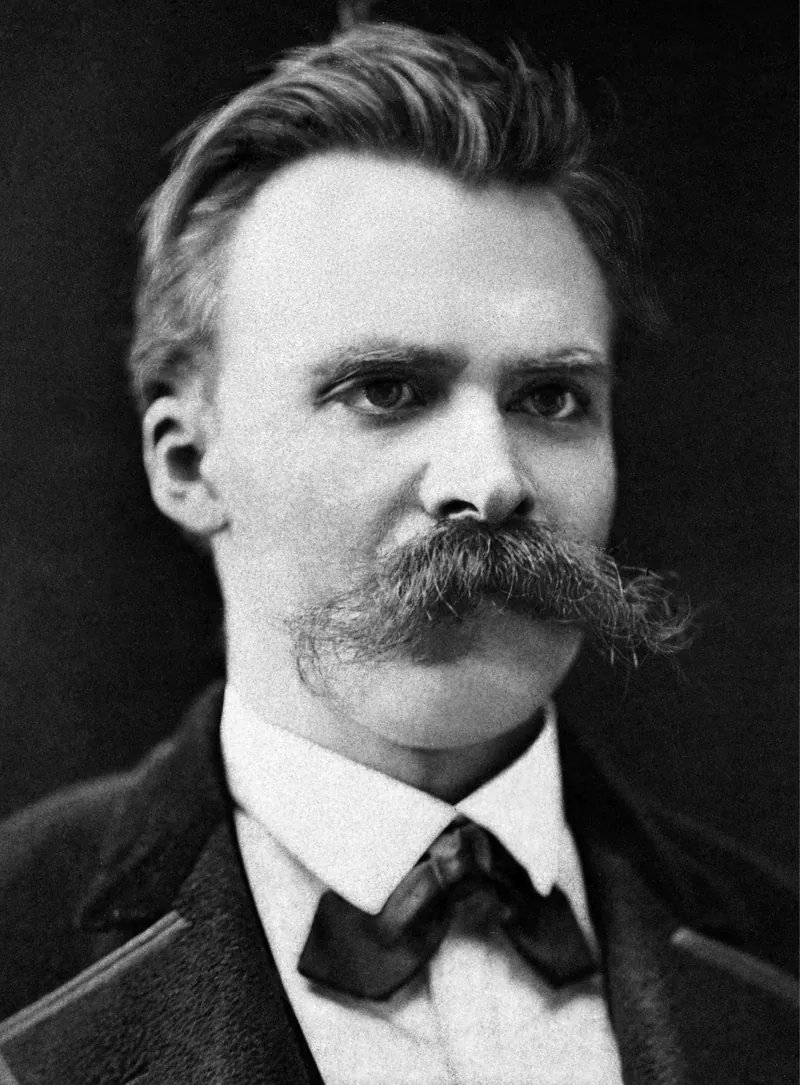
Friedrich Nietzsche's Beyond Good And Evil explores questions of value and meaning through philosophical provocation and abstraction rather than Frankl's grounded, lived experience.
1 book reviewed