Jonathan Haidt
3
Books ReviewedAsk LuvemBooks about Jonathan Haidt
- Where should I start?
- The Righteous Mind is the strongest entry point for most readers — it carries a reader rating of 4.6/5 from nearly 12,000 Amazon ratings, which signals broad and sustained appeal. It tackles why political and religious disagreements feel so intractable by showing how moral intuitions, not just reasoned arguments, shape our worldviews. If you're buying for a younger reader, The Amazing Generation with Catherine Price is a more age-appropriate choice.
- What's their writing style?
- Haidt writes as a researcher who genuinely wants to persuade rather than just inform — he structures his books around a central thesis and builds toward it methodically, using psychological studies, historical examples, and personal reflection in roughly equal measure. His tone is direct and occasionally combative, willing to tell readers their instincts are wrong and then explain why. The Righteous Mind in particular shows his habit of steelmanning opposing viewpoints before dismantling them, which gives his arguments unusual intellectual honesty.
- Books we've reviewed
- We've reviewed two of Haidt's books on LuvemBooks. The Righteous Mind is his landmark work on moral psychology and political polarization, rated 4.6/5 by readers across nearly 12,000 Amazon ratings. The Amazing Generation, co-authored with Catherine Price, is a children's guide rated 4.7/5 from 742 Amazon ratings, aimed at helping young people navigate independence and well-being.
- How do his books compare?
- The two reviewed titles serve very different purposes and audiences. The Righteous Mind is a serious, research-driven argument about why human beings disagree so deeply on moral and political questions — it's written for adults willing to sit with uncomfortable conclusions. The Amazing Generation, by contrast, is a practical, encouraging guide co-authored with Catherine Price and aimed at younger readers, focusing on personal freedom and well-being rather than social analysis. The link between them is Haidt's consistent interest in how psychology shapes human flourishing.
- What genre does Haidt write?
- Haidt's work sits primarily within popular psychology and social science non-fiction, with The Righteous Mind also touching on philosophy and politics. His books are grounded in academic research but written for general readers rather than specialists. The Amazing Generation, co-authored with Catherine Price, extends his reach into children's non-fiction, which is somewhat unusual for an author of his academic profile.
- What should I read after The Righteous Mind?
- If The Righteous Mind sparked your interest in Haidt's thinking, his earlier book The Happiness Hypothesis is a natural next step — it applies a similar method of testing ancient wisdom against modern psychology, and many readers find it a more personally affecting read. Beyond Haidt's own work, Daniel Kahneman's Thinking, Fast and Slow covers overlapping territory on intuition versus reasoning and is frequently recommended alongside The Righteous Mind.
Who is Jonathan Haidt?
Follow up
Synthesized from verified book data & published reviews · How we review
Press Enter to ask. Answers come from our editorial Q&A — start typing to see related questions.

The Anxious Generation: How the Great Rewiring of Childhood Is Causing an Epidemic of Mental Illness by Jonathan Haidt
4.6/5
Jonathan Haidt's The Anxious Generation (Penguin Press, March 2024) is a work of social-science argument that attributes a documented rise in teen mental illness to the spread of smartphones, social media, and what Haidt calls the shift from a "play-based" to a "phone-based" childhood. It is one of the most widely discussed nonfiction books of 2024, praised by many parents and educators as an urgent call to action — and challenged by researchers who question whether its causal claims hold up to scientific scrutiny. This review is based on the book's contents as described by the publisher and published critical sources, not hands-on application.
Reviewed Sep 9, 2026

The Amazing Generation: Your Guide to Fun and Freedom by Jonathan Haidt and Catherine Price
4.7/5
The Amazing Generation is a practical handbook for tweens aged 9–12, co-authored by social psychologist Jonathan Haidt and health journalist Catherine Price, designed to help young readers reclaim friendship, freedom, and fun from the pull of smartphone addiction — and reviewed here on the basis of its content and published critical reception, not hands-on use.
Reviewed Jul 14, 2026
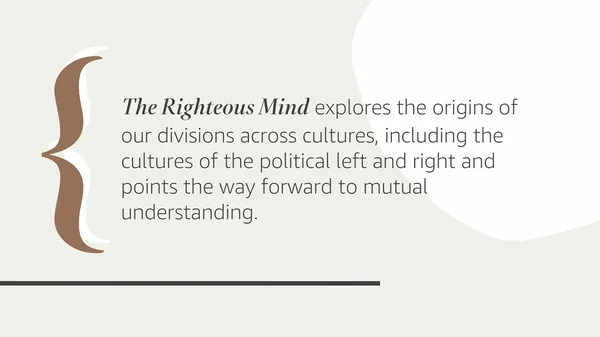
The Righteous Mind: Why Good People Are Divided by Politics and Religion by Jonathan Haidt
4.6/5
Jonathan Haidt's The Righteous Mind: Why Good People Are Divided by Politics and Religion is a social psychology book, originally published in 2012 and reissued by Vintage in 2013, that argues human morality is driven primarily by intuition rather than reason — and that this fundamental fact explains the chasm between liberals, conservatives, and libertarians in modern political life. Structured across three distinct arguments, the book introduces Haidt's moral foundations theory, mapping six dimensions of moral judgment — care/harm, fairness/cheating, loyalty/betrayal, authority/subversion, sanctity/degradation, and liberty/oppression — to show why different political tribes speak what amount to different moral languages. It is a challenging, research-grounded work that draws both strong admiration and pointed critique, and remains one of the most discussed social psychology books of the past decade.
Reviewed Feb 17, 2026
Authors Like Jonathan Haidt
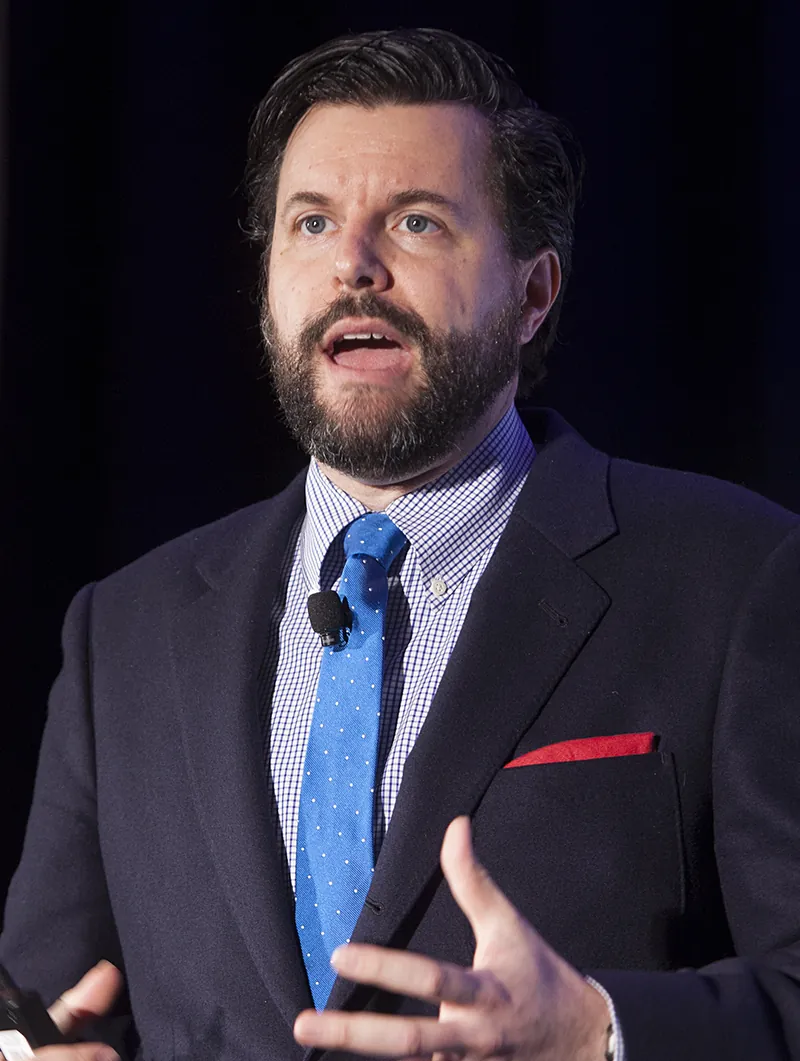
Charles Duhigg
Charles Duhigg is an American journalist and non-fiction author.
1 book reviewed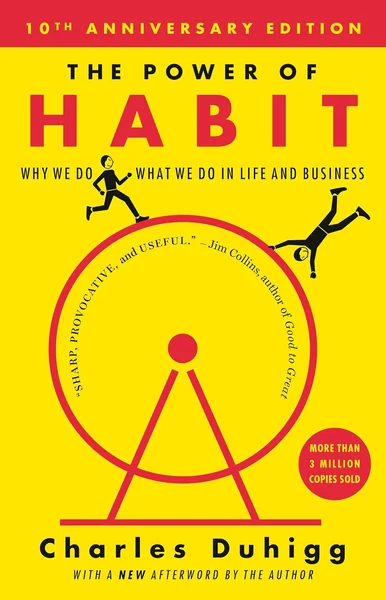
Paul Kleinman
Paul Kleinman was born in New York City, New York, and grew up in White Plains, New York. He graduated from the University of Wisconsin in 2009 with degrees in Art and Communication Arts: Radio, Television and Film. He is the author of works including *Philosophy 101: From Plato and Socrates to Ethics and Metaphysics, an Essential Primer on the History of Thought*.
2 books reviewed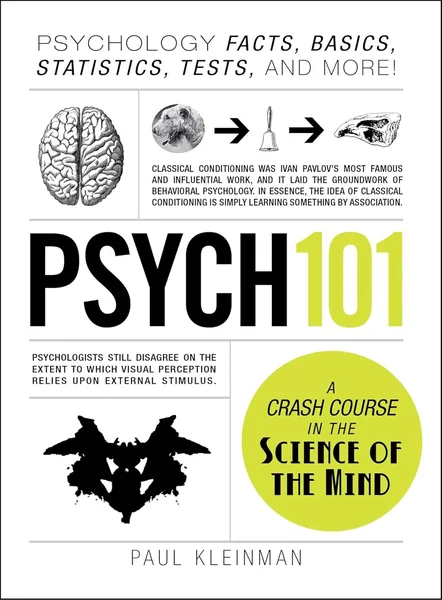


Kristin Neff
Kristin Neff, Ph.D., is an Associate Professor of Educational Psychology at the University of Texas at Austin and a pioneer in self-compassion research, having conducted the first empirical studies in the field. She is the author of Self-Compassion: The Proven Power of Being Kind to Yourself (William Morrow, 2011) and co-founded the nonprofit Center for Mindful Self-Compassion (CMSC).
1 book reviewed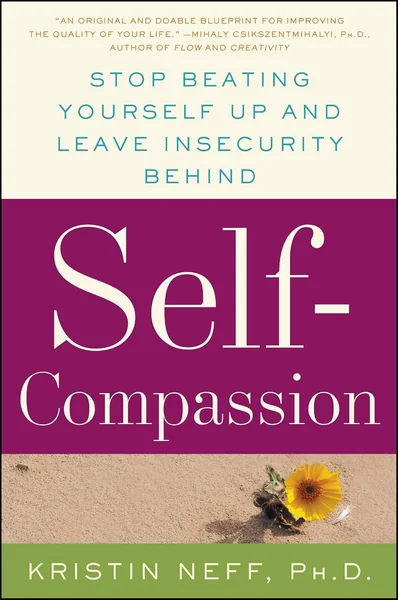

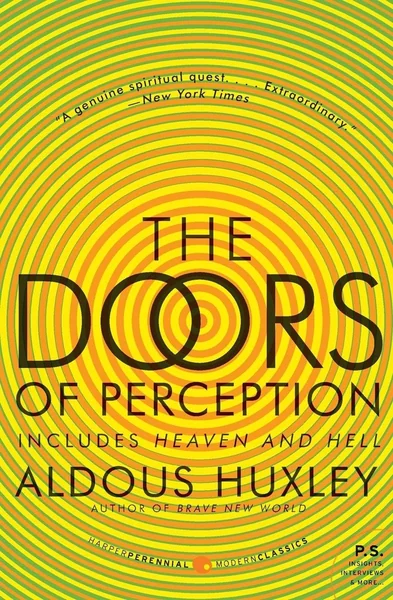
Aldous Huxley
Aldous Leonard Huxley was an English writer and philosopher.
3 books reviewed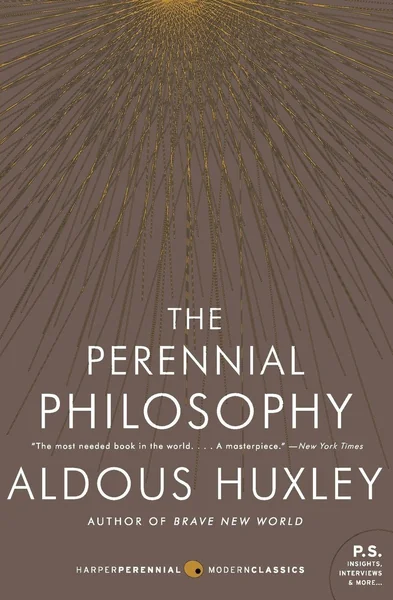

Robert Greene
Robert Greene is an American author of books on strategy, power, and seduction.
2 books reviewed

Don Miguel Ruiz
Miguel Ángel Ruiz Macías, better known as Don Miguel Ruiz, is a Mexican author of Toltec spiritual and personal development texts..
1 book reviewed