8 min read
4.6
· 3,396 Amazon ratingsShare This Review

Our review
The Courage to Be Happy
The Courage to Be Happy by Ichiro Kishimi & Fumitake Koga Review: A Bold Adlerian Sequel Worth Reading
The Courage to Be Happy is the follow-up to the international bestseller and TikTok sensation The Courage to Be Disliked, co-authored by Ichiro Kishimi and Fumitake Koga, using the same Socratic dialogue format to explore Alfred Adler's conclusion about "the biggest choice in life" and what it means to pursue genuine happiness. It earns attention as a standalone deepening of ideas that clearly resonated with a global audience.
LuvemBooks Verdict
Best for
Readers who finished The Courage to Be Disliked and want to go deeper into Adlerian psychology — particularly those drawn to philosophy-as-practice who respond to ideas tested through Socratic argument rather than prescriptive self-help frameworks.
Worth it if
Worth reading if you found The Courage to Be Disliked compelling but felt it stopped short of answering what living happily actually looks like in practice.
Skip if
Skip it if you prefer direct, action-oriented guidance — bullet points, clear frameworks, chapter summaries — because the Socratic dialogue format is deliberately discursive and, as andrewconner.com noted, can feel "directionless" and "contrived" at times.
What readers & critics say
Reader and blogger reception is broadly warm: empowerprocess.com calls it "a profound and potentially life-changing exploration of what it means to live a truly fulfilling life," while cravenwild.com praises it as "a really good one to get you thinking about how you want to live your life." A more measured note comes from andrewconner.com, which awarded a C+ and found the dialogue "even more contrived" than the first book, with sections that felt "a bit directionless."
Sources: empowerprocess.com, cravenwild.com, andrewconner.comAsk LuvemBooks
Was this helpful?
- Is it worth reading?
- For readers who finished The Courage to Be Disliked and found its ideas compelling but incomplete, The Courage to Be Happy is a genuinely worthwhile continuation — it tackles the harder, more constructive dimension of Adlerian psychology that the first volume left open. The Socratic dialogue format continues to make serious philosophy accessible without diluting it, and Koga's craft as an award-winning writer keeps the conversation engaging rather than academic. The main caveat is format: readers who prefer direct, action-oriented self-help with clear frameworks will find the book's deliberately discursive pace frustrating. Those who respond to philosophy-as-practice — readers drawn to Epictetus or Marcus Aurelius — are likely to find it rewarding.
- Similar books
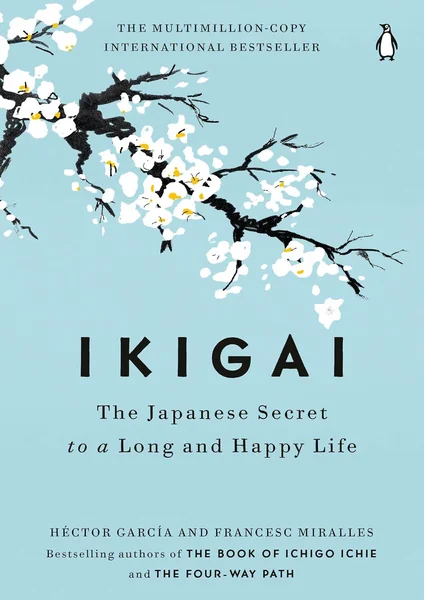
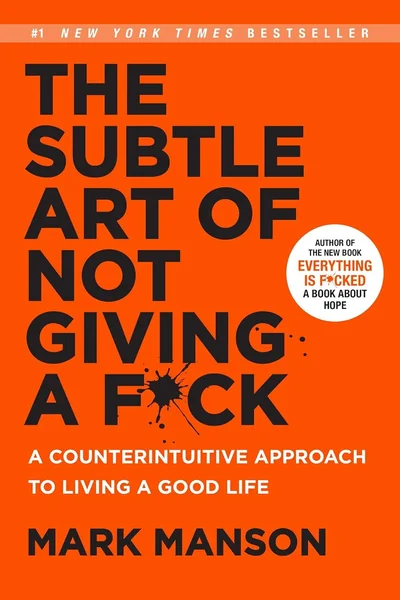
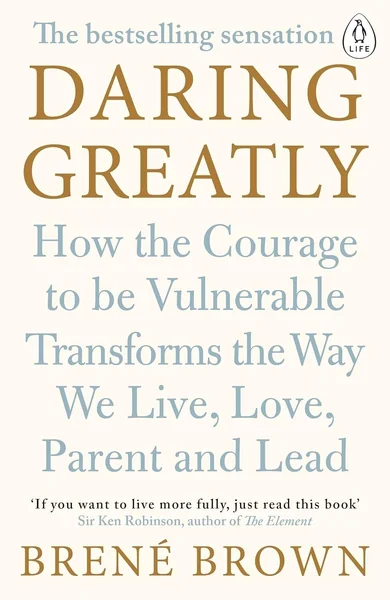
- Readers drawn to The Courage to Be Happy will find natural companions among the curated titles below. The obvious starting point is The Courage to Be Disliked by Ichiro Kishimi and Fumitake Koga — the first volume in this series and essential grounding for the sequel. For other philosophy-inflected approaches to happiness and meaning, The Art of Happiness: A Handbook for Living by the Dalai Lama offers a similarly dialogic structure rooted in a non-Western tradition. Ikigai: The Japanese Secret to a Long and Happy Life by Héctor García and Francesc Miralles shares the Japanese philosophical lens and the question of purposeful living. Daring Greatly by Brené Brown and The Subtle Art of Not Giving a F*ck by Mark Manson both engage, in different registers, with the counter-intuitive idea that a good life requires deliberate, uncomfortable choices — an argument at the heart of this series.
- Who should read this?
- The Courage to Be Happy is best suited to two audiences. First, readers who have already finished The Courage to Be Disliked and found its ideas compelling but incomplete — who wanted the 'what next' after being told that happiness is a choice. Second, anyone drawn to philosophy-as-practice rather than self-help-as-instruction: those who respond to Epictetus or Marcus Aurelius, or who appreciate ideas being tested through argument rather than delivered as answers. Readers new to Adlerian psychology can enter through the dialogue format, but will get the most from starting with the first volume. Those who prefer direct, prescriptive self-help with actionable frameworks and summaries will likely find the format too slow.
- About Ichiro Kishimi, Fumitake Koga
- Ichiro Kishimi and Fumitake Koga are the co-authors of The Courage to Be Disliked and its follow-up, The Courage to Be Happy, which extend their interpretation of Adlerian psychology. Koga, born in 1973, is an award-winning professional writer who encountered Adlerian psychology in his late twenties and was deeply affected by its conventional wisdom–defying ideas; he has also released numerous bestsellers.
- How does this compare to The Courage to Be Disliked?
- Both books share the same Socratic dialogue format — a debate between a Youth and a Philosopher — and the same Adlerian philosophical foundation. The key difference is scope: The Courage to Be Disliked focused on dismantling the excuses people use to avoid change and established the counter-intuitive premise that happiness is a choice, not a product of circumstance. The Courage to Be Happy takes on the harder, more constructive problem — articulating what it actually looks like to pursue genuine happiness once that premise is accepted, centering on what Adler called 'the biggest choice in life.' LuvemBooks finds the sequel a worthy deepening rather than a repetition, though its impact is most fully felt by readers who've already absorbed the first volume's groundwork.
- What are the main themes?
- The Courage to Be Happy explores several interconnected Adlerian themes: the rejection of Freudian determinism and the insistence that individuals are empowered by present choices rather than defined by past trauma; the idea that happiness is not a circumstance but a decision; and the concept Adler identified as 'the biggest choice in life' that each person must confront. The book also engages with letting go of 'the shackles of past trauma and the expectations of others' — a formulation consistent with Adlerian psychology's emphasis on social connection and authentic selfhood. Throughout, the Socratic dialogue format treats these themes as contested rather than settled, with the Youth repeatedly challenging the Philosopher's positions before each idea is earned.
Summarize this book
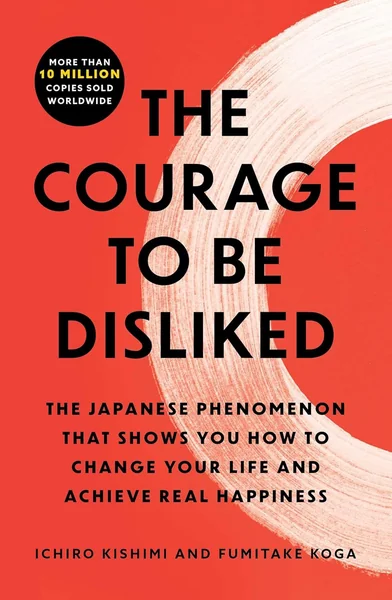
The Courage to Be Disliked: The Japanese Phenomenon That Shows You How by Ichiro Kishimi, Fumitake Koga
4.5
/ 5
The Courage to Be Disliked is a New York Times bestselling self-help book by Ichiro Kishimi and Fumitake Koga that uses a Socratic dialogue between a youth and a philosopher to present the core principles of Alfred Adler's psychology — arguing that happiness, freedom, and personal change are available to anyone willing to stop seeking others' approval and take full responsibility for their own choices.
View on LuvemBooks →
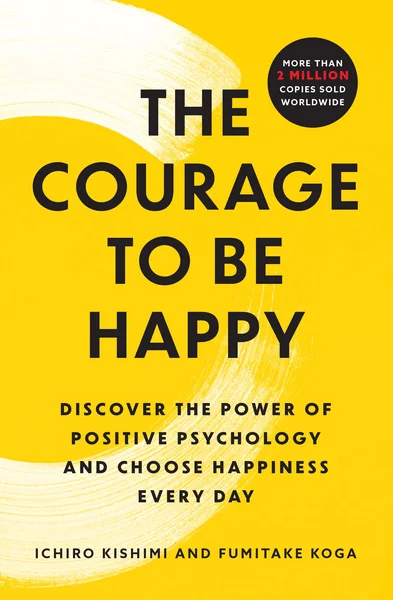
The Courage to Be Happy by Ichiro Kishimi, Fumitake Koga
4.6
/ 5
The Courage to Be Happy is the follow-up to the international bestseller and TikTok sensation The Courage to Be Disliked, co-authored by Ichiro Kishimi and Fumitake Koga, using the same Socratic dialogue format to explore Alfred Adler's conclusion about "the biggest choice in life" and what it means to pursue genuine happiness. It earns attention as a standalone deepening of ideas that clearly resonated with a global audience.
View on LuvemBooks →
Follow up
Synthesized from verified book data & published reviews · How we review
What would you like to know about The Courage to Be Happy?
Answers come from our editorial notes on this book. If we haven't covered something, we'll say so.
Readers often ask
Our Review
What the Book Is and How It Works
The Predecessor's Shadow and the Sequel's Stakes
The Distinctive Strengths of the Format
Genuine Limitations to Consider
Who This Book Is For
Sources & Further Reading
The key facts and claims in this review are grounded in the retrieved, verified sources listed below.
- Cited in this review
- 1
- Further reading
- 2
newbookrecommendation.com
- 3
anuradhasridharan.com
- 4
andrewconner.com
- 5
empowerprocess.com
- 6
- 7
parents.simonandschuster.com
- 8
- 9
Age & Reading Level
Recommended age
Adult
who it suits
Skip if You prefer direct, action-oriented self-help with clear frameworks and actionable takeaways rather than discursive philosophical dialogue.
Reader reviews
Be one of the first readers to answer.
Read it? Was it right for you?
Books like The Courage to Be Happy
Curated picks for readers who enjoyed The Courage to Be Happy, with our reasoning for each match.
If you liked The Courage to Be Happy