
8 min read
4.7
· 21,707 Amazon ratingsShare This Review
The Body: A Guide for Occupants by Bill Bryson Review: A Witty, Wide-Ranging Popular Science Tour
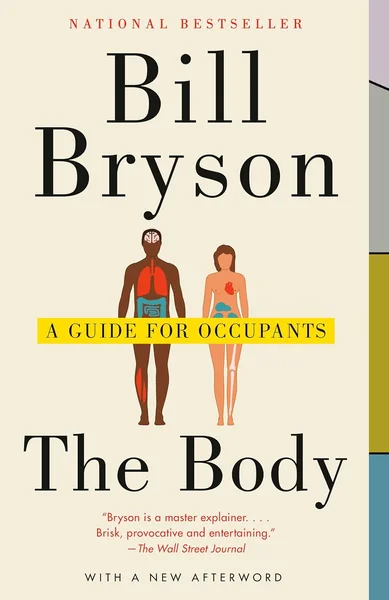
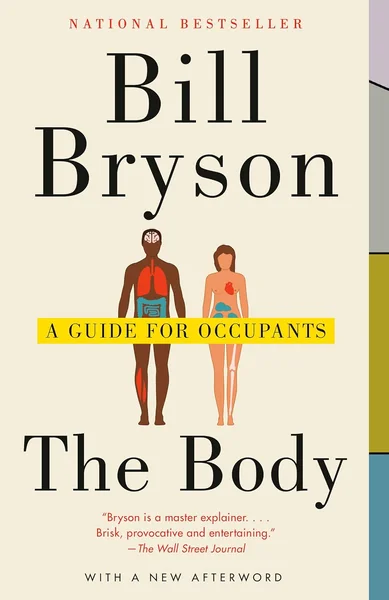
Bill Bryson's The Body: A Guide for Occupants, first published in 2019, is a popular science book that takes readers on a system-by-system journey through human biology — covering anatomy, physiology, the history of medical discovery, and the manifold ways the body can astound or betray its occupants. This review is based on published sources and critical reception; it does not reflect hands-on use or application of the book's content.
LuvemBooks Verdict
Best for
Curious adult general readers who want an entertaining, panoramic introduction to human biology — covering everything from the microbiome to the cardiovascular system — without needing a scientific background.
Worth it if
You want to come away genuinely astonished by the body you inhabit, and you appreciate a writer who can deliver substantive science through wit, anecdote, and the history of medical discovery.
Skip if
You are a medical professional, student, or specialist seeking clinical depth, rigorous citations, or actionable health guidance — or you need coverage of post-2019 advances in fast-moving fields like immunology and microbiome science.
What readers & critics say
Critical reception was broadly positive: Bookmarks Reviews aggregates an overall "Positive" rating across 14 reviews, with Bookreporter calling Bryson "an incomparable companion" whose book is "full of extraordinary facts and irresistible Brysonesque anecdotes." A notable outlier came from NPR, whose reviewer argued the book is missing the characteristic wit and the "ingenious way of analysis" that made A Short History of Nearly Everything transcend the common textbook.
“Missing his characteristic wit and ingenious way of analysis — without the magic touch that made his very big books transcend the common textbook.”
— NPRAsk LuvemBooks
Was this helpful?
- Is it worth reading?
- For adult general readers with curiosity about human biology and no specialist background, The Body earns its strong critical reception: critical coverage headlined its review 'a directory of wonders,' and The Independent praised both the breadth of facts and the 'inimitable Bryson style.' The book is less useful for readers seeking clinical depth — topics like immunology and neuroscience are treated at an introductory level by design — and its 2019 research base means some fast-moving areas, particularly the microbiome, may have advanced beyond what the text covers. Readers who want to be astonished and informed rather than instructed will find it rewarding.
- Similar books
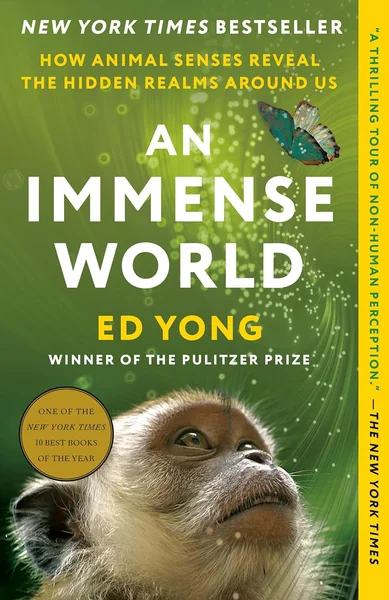
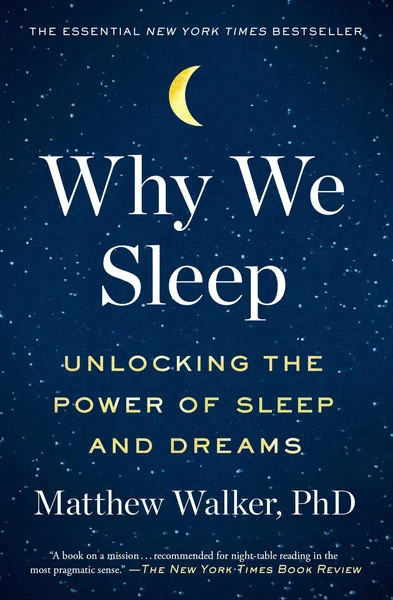
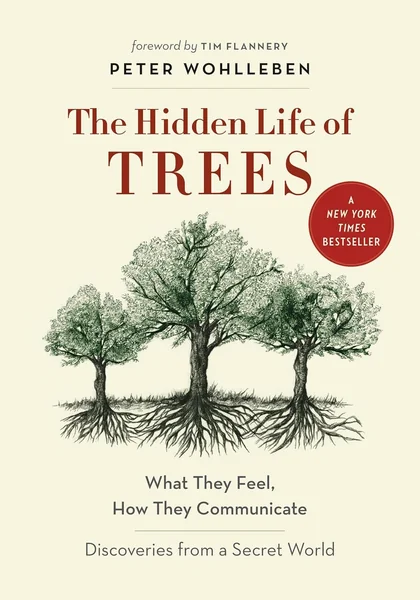
- Readers who enjoyed The Body have several strong options in the same popular-science tradition. Ed Yong's An Immense World brings the same spirit of biological wonder to animal sensory systems, while Matthew Walker's Why We Sleep applies deep research to a single human system in the accessible mode Bryson popularised. For those drawn to Bryson's habit of making unseen biology feel revelatory, Peter Wohlleben's The Hidden Life of Trees offers a comparable sense of astonishment about a non-human organism. Carl Sagan's The Demon-Haunted World shares Bryson's commitment to making science legible and meaningful to general readers. Bessel van der Kolk's The Body Keeps the Score takes a more clinically grounded approach to the body — specifically trauma's effects on it — and suits readers wanting more depth on mind-body connection.
- Who should read this?
- The Body is aimed squarely at adult general readers — not medical professionals, students seeking a clinical reference, or readers looking for actionable health guidance. It is ideal for anyone who wants to understand human biology in broad, accessible terms and who enjoys science communicated with wit and historical context. Readers who appreciate the history of medical discovery alongside the facts will get the most from Bryson's approach, as he consistently grounds biology in the stories of how difficult it was for medicine to learn what it now knows.
- About Bill Bryson
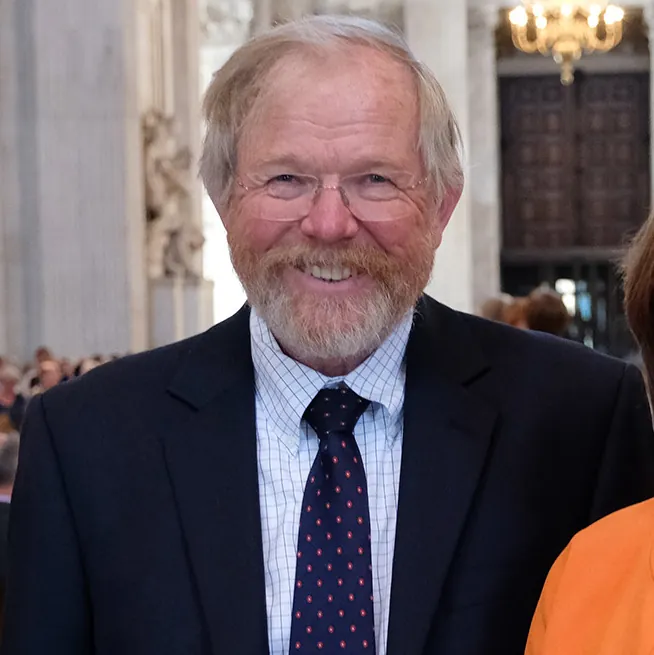
- William McGuire Bryson is an American journalist and author who was naturalized as a British citizen in 2014.
- How does this compare to Notes from a Small Island?
- Notes from a Small Island and The Body both showcase Bryson's wit and eye for the telling anecdote, but they occupy quite different modes. Notes from a Small Island is travel writing, grounded in place and personal observation, while The Body is popular science — Bookreporter notes that 'Bryson the humorist has largely given way to Bryson the polymath' in his later science work, though the humour remains a delivery mechanism throughout. Readers coming to The Body for the first time from his travel books will find the voice familiar but the structural ambition considerably larger.
- What are the book's limitations?
- Three limitations recur in critical coverage. First, the popular-science format means genuinely complex topics — immunology, neuroscience — receive treatment that specialists would consider introductory at best. Second, the book is weighted toward historical anecdote and biological statistics rather than actionable health guidance, which can disappoint readers hoping for practical instruction. Third, anchored in 2019 research, it will have been outpaced in fast-moving fields such as microbiome science, where the science has continued to evolve since publication.
Summarize this book
Follow up
Synthesized from verified book data & published reviews · How we review
Press Enter to ask. Answers come from our editorial Q&A — start typing to see related questions.
Age & Reading Level
Recommended age
Adult
Reading level
Adult
Skip if you want actionable health guidance or specialist clinical depth on topics like immunology or neuroscience.
Our Review
What the Book Actually Is and Does
The Argument at the Book's Core
Reception and Significance
Strengths: Accessibility and Narrative Drive
Genuine Limitations and Who May Struggle
Sources & Further Reading
The key facts and claims in this review are grounded in the retrieved, verified sources listed below.
- Cited in this review
- 1
Bill Bryson, Open Library, (2019)
- 2
- Further reading
- 3
Bill Bryson, Wikipedia
- 4
en.wikipedia.org
- 5
- 6
bookreporter.com
- 7
- 8
ratedreads.com
- 9
betaglyph.com
- 10
newbookrecommendation.com
- 11
littlerbooks.com
Books like The Body
Curated picks for readers who enjoyed The Body, with our reasoning for each match.
If you liked The Body
Why It’s Trending
Netflix Body-Themed Shows Are Sending Readers Back to Bryson's Human Biology Classic
With Netflix debuting a new series called The Body in November 2026, readers are circling back to Bill Bryson's beloved book of the same name. It's one of those happy coincidences where a title collision sends curious readers straight to a bookshelf classic.