7 min read
4.2
· 9,569 Amazon ratingsShare This Review
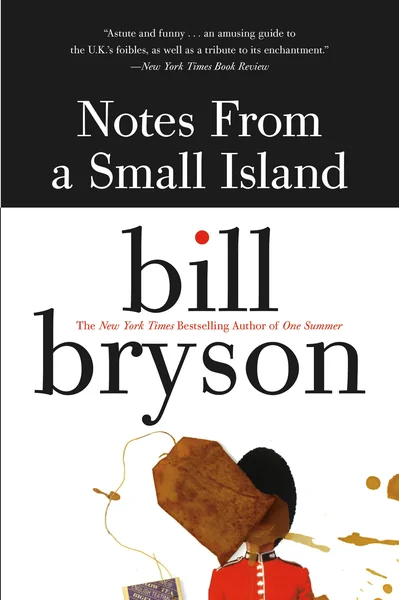
Notes from a Small Island by Bill Bryson Review: A Beloved Farewell Journey Across Britain
Bill Bryson's Notes from a Small Island is a humorous travel book in which the American author undertakes a final lap of Great Britain — the country he called home for over twenty years — before returning to the United States, blending sharp comic observation with genuine affection for the island's people, landscapes, and staggering historical heritage.
LuvemBooks Verdict
Best for
Readers who want to be charmed by Britain's quirks, history, and self-effacing culture through the eyes of a long-resident American — particularly those who enjoy humorous, essayistic travel writing over rigorous itinerary-driven narratives.
Worth it if
You're drawn to travel writing that balances genuine wit with affectionate cultural observation, and you're happy to treat the book as a richly funny period portrait of 1990s Britain rather than a current guide.
Skip if
You're looking for a practical, up-to-date travel reference to modern Britain, or you prefer tightly structured narratives with clear geographical chapters over an associative, meandering ramble.
What readers & critics say
Kirkus Reviews characterised the book as a warm, broadly smiling farewell to Britain's hills, High Streets, and hedgerows, with Bryson finding most of what he encountered very much to his liking. Barnes & Noble's editorial copy — drawing on contemporary critical blurbs — described it as "a kind of Dave Barry-meets-Paul Theroux in a British commuter train," with praise for its "belly laughs" and "deliciously satirical wit," while thebookbag.co.uk placed it in its Top Ten Books about Britain, calling it "an informative, personal and mostly warm portrait of this island and its inhabitants."
“Bryson found most of the towns and hummocks very much to his liking — who wouldn't smile broadly wandering through the environs of Horton in Ribblesdale or Giggleswick?”
— Kirkus ReviewsAsk LuvemBooks
Was this helpful?
- Is it worth reading?
- For readers drawn to humorous travel writing or British culture, Notes from a Small Island is widely regarded as essential. Its BBC Radio 4 World Book Day accolade — voted the book that best represents Great Britain by British listeners — signals a rare crossover authority for a book written by an American. Contemporary critics described it as delivering 'belly laughs' and 'deliciously satirical wit,' comparing it to a 'Dave Barry-meets-Paul Theroux in a British commuter train.' The chief caveat is that its portraits of towns, prices, and social life are now three decades out of date, making it a vivid period piece rather than a practical travel companion.
- Similar books
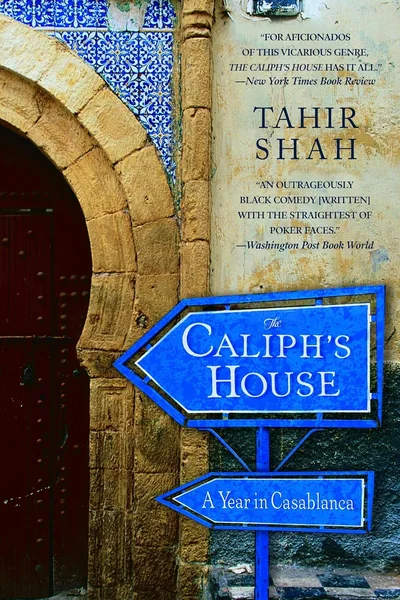
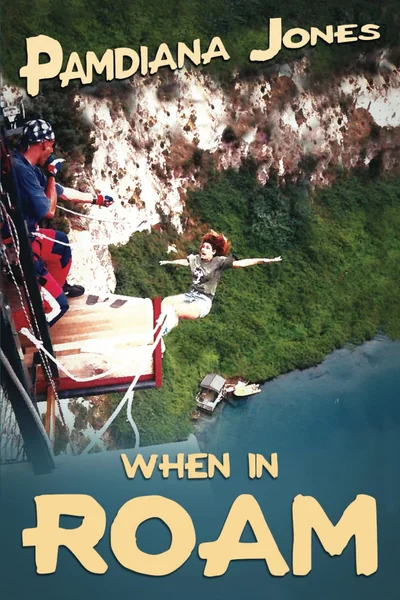
- Readers who enjoy Notes from a Small Island will find plenty of kindred spirit in the books curated below. Pete McCarthy's McCarthy's Bar offers a similarly affectionate, comic outsider's journey through Ireland. For adventure-infused travel memoir with a strong personal arc, Kevin Fedarko's A Walk in the Park delivers immersive storytelling with genuine stakes. Tahir Shah's The Caliph's House brings the same blend of cultural immersion, comic misadventure, and deep affection for a place — this time Morocco rather than Britain. Pamdiana Jones's When in ROAM and Albert Podell's Around the World in 50 Years both share Bryson's spirit of wide-ranging, globe-trotting curiosity.
- Who should read this?
- Notes from a Small Island is ideal for readers who love humorous travel writing with substance — those who want wit grounded in genuine cultural and historical detail, not just comic set-pieces. It will particularly resonate with Anglophiles, lovers of British history and heritage, and anyone planning a sentimental rather than practical journey around the country. It also works beautifully as an introduction to Bryson's broader body of work. Readers who prefer rigorously structured travel narratives with clear chapter-by-chapter geography may find the associative, essayistic ramble less satisfying, and those seeking a current practical guide will need to supplement it heavily.
- About Bill Bryson
- William McGuire Bryson is an American journalist and author who was naturalized as a British citizen in 2014.
- What are the main themes?
- At its heart, Notes from a Small Island is a meditation on national identity and the invisible extraordinary — the idea that Britain is quietly remarkable and that its inhabitants are largely oblivious to the fact. Bryson weaves in themes of belonging and the outsider's gaze, using his double identity as a long-term American resident to notice what the British take for granted. Heritage and preservation run throughout: the book marshals specific figures on listed buildings, medieval churches, and ancient footpaths to argue for the astonishing depth of Britain's history. Beneath the comedy there is also a thread of farewell and gratitude — an affection for a place and its people that prevents the satire from ever curdling into condescension.
- Where should I start with Bryson?
- Notes from a Small Island is one of the most celebrated entry points into Bryson's work, and its farewell-tour framing gives it an emotional coherence that makes it particularly rewarding for new readers. A Walk in the Woods — his account of hiking the Appalachian Trail with an unprepared friend — is equally beloved and shares the same brand of self-deprecating comic observation. Neither Here nor There, Bryson's earlier European travelogue, is a natural companion for those who want more of the same outsider-meets-unfamiliar-culture energy.
Summarize this book
Follow up
Synthesized from verified book data & published reviews · How we review
Press Enter to ask. Answers come from our editorial Q&A — start typing to see related questions.
Age & Reading Level
Recommended age
Adult
Reading level
Adult
Skip if you want a current, practical travel guide to Britain with up-to-date recommendations.
Our Review
What the Book Actually Is
Premise and Scope
Cultural Significance and Reception
Strengths: Wit, Warmth, and the Outsider Eye
Limitations and Who May Be Frustrated
Sources & Further Reading
The key facts and claims in this review are grounded in the retrieved, verified sources listed below.
- Cited in this review
- 1
- 2
bookfairydotcom.wordpress.com
- 3
en.wikipedia.org
- Further reading
- 4
Bill Bryson, Wikipedia
- 5
- 6
studysmarter.co.uk
- 7
- 8
writeoutloudblog.com
- 9
nateshivar.com
- 10
- 11
barnesandnoble.com
Books like Notes from a Small Island
Curated picks for readers who enjoyed Notes from a Small Island, with our reasoning for each match.
If you liked Notes from a Small Island