
BOOKS
Published
Read Time
6 min read
Our Rating
3.8
Reviewed by
LuvemBooks
Share This Review
The Obesity Code by Dr. Jason Fung - Book Review
Our Rating
3.8
A scientifically-grounded but somewhat one-sided exploration of intermittent fasting for weight loss that challenges conventional diet wisdom with medical authority, though it may oversimplify complex metabolic processes.
In This Review
- Challenging the Calorie-Counting Orthodoxy
- Fung's Medical Perspective on Weight Loss Science
- The Insulin-Centric Framework
- Scientific Evidence and Clinical Experience
- Practical Implementation and Real-World Application
- Where the Approach Falls Short
- Medical Credibility Versus Accessibility
Challenging the Calorie-Counting Orthodoxy
Is The Obesity Code worth reading for weight loss? A rigorous, persuasive case for rethinking weight loss — strongest when explaining why conventional dieting fails, weakest when it dismisses caloric balance entirely. Dr. Jason Fung's provocative challenge to conventional diet wisdom deserves serious consideration from anyone frustrated with failed weight loss attempts. This nephrologist's book dismantles the "calories in, calories out" model that has dominated weight loss advice for decades, replacing it with a hormone-centered approach that puts intermittent fasting at the center of sustainable weight management.
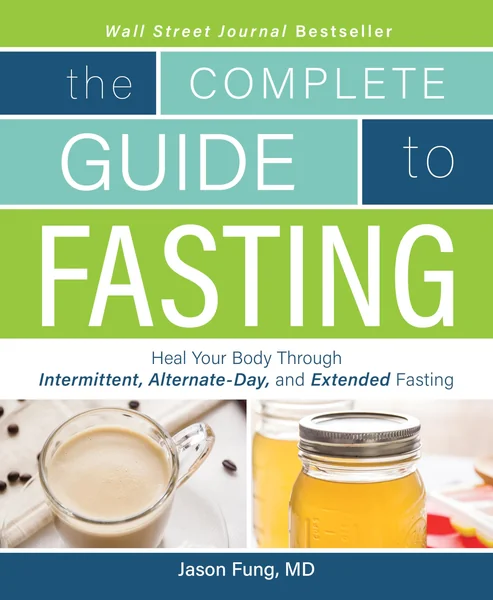
Fung's central thesis is radical yet compelling: obesity is fundamentally a hormonal disorder, not a caloric one. Where books like The Complete Guide to Fasting focus primarily on the practical aspects of intermittent fasting, The Obesity Code builds the scientific foundation for why traditional dieting fails and why insulin resistance drives weight gain.
Fung's Medical Perspective on Weight Loss Science
Dr. Jason Fung writes with the authority of someone who has treated thousands of diabetic patients, and his medical background permeates every chapter. His approach differs markedly from celebrity diet books or wellness influencers — this is clinical medicine applied to weight management. Fung systematically dismantles decades of nutritional dogma, arguing that hormonal regulation, particularly insulin control, determines body weight far more than caloric intake.
The writing style is accessible yet scientifically rigorous. Dr. Fung explains complex metabolic processes without dumbing them down, making endocrinology concepts understandable to lay readers. His tone carries the confidence of someone who has seen these principles work in clinical practice, though occasionally this confidence edges toward dismissiveness of alternative approaches.
The Insulin-Centric Framework
Rather than focusing on macronutrient ratios or portion control, Dr. Jason Fung centers his entire approach around insulin regulation. He argues that frequent eating—regardless of caloric content—maintains chronically elevated insulin levels, which prevents fat burning and promotes fat storage. The Obesity Code intermittent fasting approach emerges naturally from this framework: by extending periods without food intake, insulin levels drop, allowing the body to access stored fat for energy.
This hormonal model explains why caloric restriction often fails long-term. According to Fung, reducing calories while maintaining frequent meal timing keeps insulin elevated, forcing the body to reduce metabolic rate rather than burn fat. The intermittent fasting solution addresses the hormonal environment, not just the caloric equation.
Scientific Evidence and Clinical Experience
Dr. Fung supports his arguments with extensive research citations, though critics note he sometimes cherry-picks studies that support his thesis while downplaying contradictory evidence. The book's strength lies in synthesizing complex metabolic research into a coherent narrative that explains common weight loss frustrations. His clinical examples from treating diabetic patients add credibility to the theoretical framework.
However, the book's scientific presentation isn't without limitations. Some nutritional researchers argue that Fung oversimplifies the role of insulin while understating the importance of caloric balance. The hormonal model, while compelling, doesn't fully account for individual metabolic variations or the complexity of appetite regulation beyond insulin.
Practical Implementation and Real-World Application
Does The Obesity Code work for sustainable weight loss? The book provides a clear approach for implementing intermittent fasting protocols, from basic 12-hour fasts to extended fasting periods. Dr. Jason Fung's advice is notably flexible, emphasizing that fasting schedules should adapt to individual lifestyles rather than following rigid rules.
The practical advice focuses on when to eat rather than what to eat, though Fung does advocate for reducing refined carbohydrates and processed foods. This simplicity appeals to readers overwhelmed by complex diet protocols, though some may find the lack of detailed meal planning frustrating. The book assumes readers will combine intermittent fasting with generally healthy food choices.
Where the Approach Falls Short
The Obesity Code's greatest weakness may be its single-minded focus on insulin as the primary driver of obesity. While insulin resistance clearly plays a crucial role in weight regulation, the book sometimes reads as if hormonal control is the only factor that matters. Eating disorders, fraught food relationships, and the psychology of weight management get no space at all.
Additionally, Dr. Fung's dismissal of caloric intake may go too far. His critique of calorie-counting has merit, but ignoring energy balance oversimplifies metabolic reality. The book would benefit from acknowledging that both hormonal regulation and energy balance matter.
Medical Credibility Versus Accessibility
As a practicing nephrologist, Dr. Jason Fung brings legitimate medical expertise to weight loss discussions often dominated by unqualified influencers. His clinical experience with diabetic patients provides real-world context for the theoretical discussion of insulin resistance. Readers seeking emotional support around eating and weight, rather than clinical explanation, will find the book's medical tone a poor fit.
The book's medical framing is both a strength and a limitation. It lends credibility to the intermittent fasting approach, but may intimidate readers looking for lifestyle-oriented guidance rather than clinical argument.
Readers who are insulin-resistant, have repeatedly hit walls with calorie-counting diets, or want a medically grounded explanation for why conventional dieting fails will get the most from this book — the Amazon link in the sidebar has the current price.
Frequently Asked Questions
Is The Obesity Code: Unlocking the Secrets of Weight Loss by Dr. Jason Fung worth reading in 2026?
Based on my 3.8/5 rating, this book is worth reading if you're frustrated with traditional calorie-counting approaches and want to understand the hormonal theory of weight gain. Dr. Fung's challenge to conventional diet wisdom offers valuable insights, though his dismissal of calorie-counting may be too absolute for some readers.
Who should read The Obesity Code: Unlocking the Secrets of Weight Loss by Dr. Jason Fung?
This book is perfect for people who have struggled with multiple failed diet attempts and want to understand the science behind weight loss beyond simple calorie counting. It's especially valuable for those interested in intermittent fasting and willing to consider alternative approaches to mainstream diet advice.
How does The Obesity Code compare to other popular diet books?
Unlike most diet books that focus on what to eat, Dr. Fung's approach centers on when to eat and challenges the fundamental calorie-counting orthodoxy that dominates the weight loss industry. His medical background as a nephrologist gives the book more scientific credibility than typical celebrity diet books.
What is the main takeaway from The Obesity Code by Dr. Jason Fung?
The main takeaway is that obesity is primarily a hormonal disorder, not simply a matter of eating too many calories. Dr. Fung argues that intermittent fasting is the key to controlling weight because it addresses insulin resistance and hormonal imbalances that drive weight gain.
Does The Obesity Code adequately explain the science behind intermittent fasting?
Yes, Dr. Fung provides a thorough scientific explanation of how intermittent fasting works from a hormonal perspective, particularly focusing on insulin's role in weight regulation. However, some readers may find his complete dismissal of calorie-counting methods too one-sided given the complexity of weight loss.
At $5.36, is The Obesity Code: Unlocking the Secrets of Weight Loss worth buying?
At $5.36, this book offers excellent value for anyone seeking to understand alternative approaches to weight loss beyond traditional dieting. The price point makes it an affordable way to explore Dr. Fung's controversial but thought-provoking theories about obesity and intermittent fasting.
What are the potential drawbacks of The Obesity Code by Dr. Jason Fung?
The main drawback is Dr. Fung's tendency to completely dismiss calorie-counting approaches, which may be too absolute for readers who have found success with traditional methods. Some may also find his approach overly focused on hormonal factors while underplaying other contributing factors to obesity.
BEST DEAL
Related Reviews
Reviews of books we picked for readers who enjoyed The Obesity Code.
Reader Comments
No comments yet
Be the first to share your thoughts!