8 Classic Fiction Books Experiencing a Cultural Resurgence

8 books
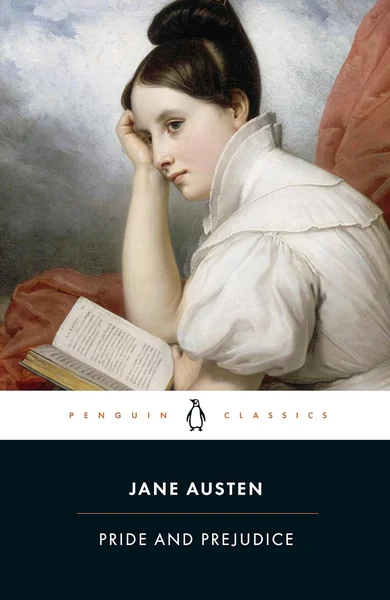
Pride and Prejudice by Jane Austen
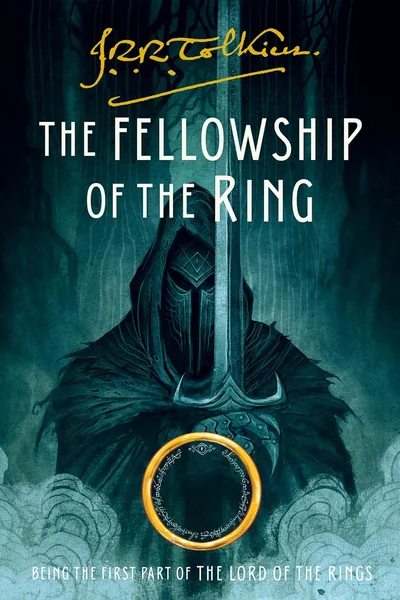
The Fellowship of the Ring: Being the First Part of The Lord of the Rings by J.R.R. Tolkien
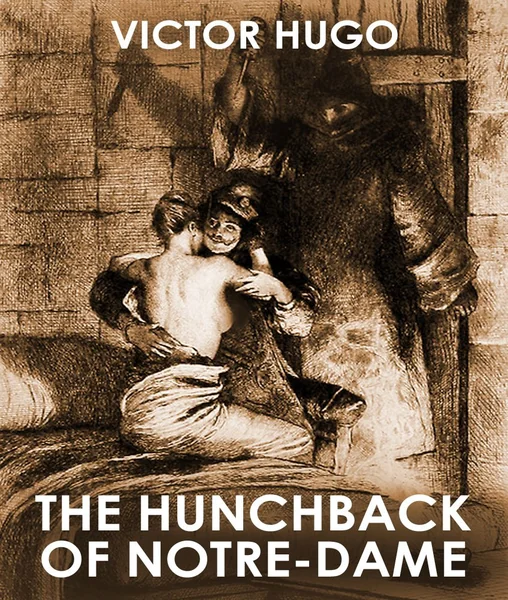
THE HUNCHBACK OF NOTRE DAME (illustrated, complete, and unabridged) by VICTOR HUGO
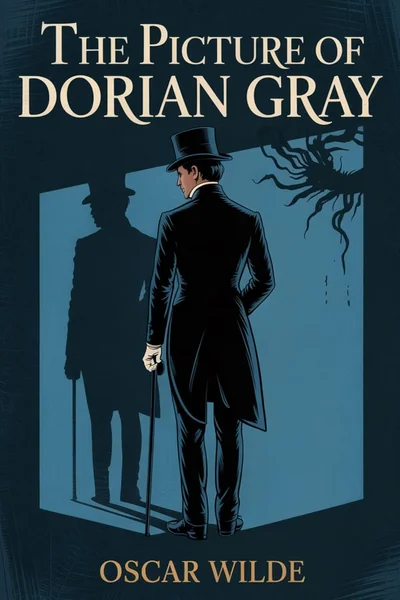
The Picture of Dorian Gray by Oscar Wilde
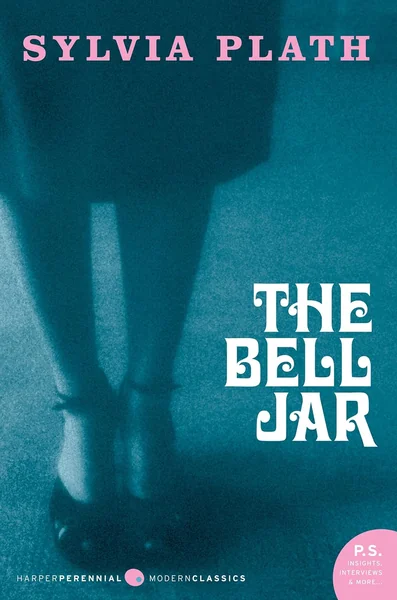
The Bell Jar: A Timeless Coming-of-Age Classic (Perennial Classics) by Sylvia Plath
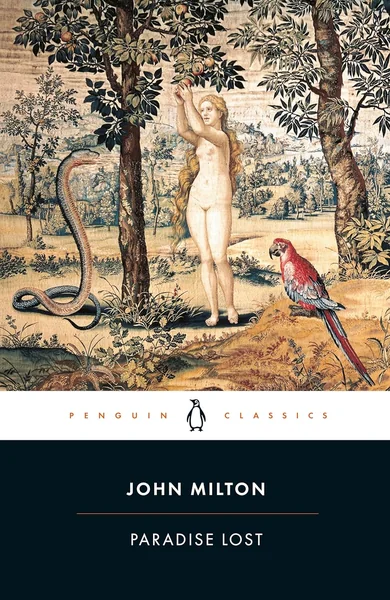
Paradise Lost by John Milton
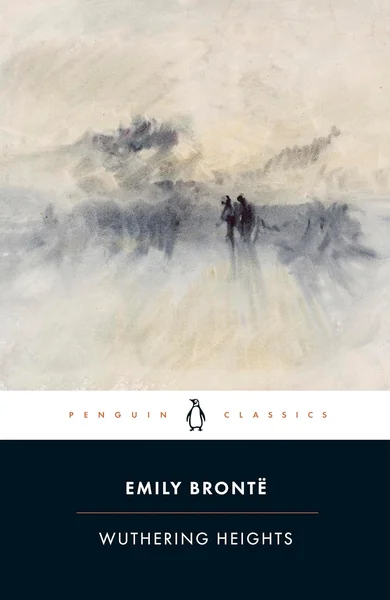
Wuthering Heights by Emily Brontë, Pauline Nestor
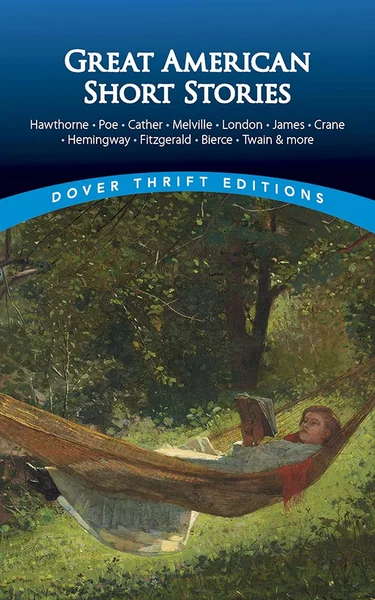
Great American Short Stories: Hawthorne, Poe, Cather, Melville, London, James, Crane, Hemingway by Paul Negri
Fiction

8 Classic Fiction Books Experiencing a Cultural Resurgence

Curated recommendations for readers rediscovering classic and backlist titles getting renewed attention

8 Books
4.3 Avg
Updated Jun 6, 2026

Some books never truly go away — they simply wait for the world to catch up with them again. Right now, a wave of renewed cultural interest is bringing beloved classic fiction back into the hands of new and returning readers alike. Whether it's a viral BookTok moment, a new film adaptation, or a collective hunger for stories with real depth and staying power, these titles are finding fresh audiences every day.

This list gathers eight works of fiction that are experiencing exactly that kind of cultural resurgence — from Jane Austen's razor-sharp social satire to the brooding Gothic intensity of Emily Brontë, and from Tolkien's world-building epic to Sylvia Plath's devastating psychological portrait. Each book on this list has earned its place in the literary canon, but more importantly, each one has something urgent and alive to say to modern readers. If you've been meaning to revisit these titles — or discover them for the very first time — there's never been a better moment to start.

#1
Pride and Prejudice by Jane Austen by Jane Austen - book cover
Pride and Prejudice by Jane Austen

by Jane Austen

4.7/5

Everyone knows *Pride and Prejudice* exists. Far fewer have actually read it — and that gap is exactly why it keeps experiencing revivals. Austen's wit still lands with the precision of a well-timed insult at a dinner party, and Elizabeth Bennet remains one of fiction's great protagonists: sharp, flawed, and stubbornly herself. If you've only encountered this story through film adaptations, the novel's psychological interiority will surprise you. Austen is funnier on the page than any screen version manages to capture. Fair warning: the ending does feel rushed compared to the novel's meticulous setup, and readers expecting sweeping romantic drama may find the social comedy takes precedence. But that *is* the point.
"Jane Austen's wit and structural intelligence make it essential reading."
N/A
Level: N/A
#2
The Fellowship of the Ring: Being the First Part of The Lord of the Rings by J.R.R. Tolkien by J.R.R. Tolkien - book cover
The Fellowship of the Ring: Being the First Part of The Lord of the Rings by J.R.R. Tolkien

by J.R.R. Tolkien

4.7/5

Half a century after its publication, The Fellowship of the Ring still gets rediscovered by readers who assumed they already knew what it was. They usually didn't. Tolkien didn't build a fantasy world so much as excavate one — the languages, histories, and mythologies existed before the story did, and that depth saturates every page. The Shire feels genuinely warm and lived-in; Moria feels genuinely ancient and dangerous. These aren't settings, they're *places*. That said, this is not a book that rushes toward its plot, and readers expecting the kinetic pace of modern fantasy will need to adjust their expectations. The opening third in particular moves at Hobbit-speed. Stick with it. The moment the journey darkens, something shifts — and you'll understand why this book keeps pulling new readers in decades after everyone declared it a classic.
"Middle-earth doesn't feel invented. It feels discovered."
N/A
Level: N/A
#3
THE HUNCHBACK OF NOTRE DAME (illustrated, complete, and unabridged) by VICTOR HUGO by VICTOR HUGO - book cover
THE HUNCHBACK OF NOTRE DAME (illustrated, complete, and unabridged) by VICTOR HUGO

by VICTOR HUGO

4.2/5

Most people think they know this story. They know the hunchback, the cathedral, possibly a handful of songs. What they don't know is Victor Hugo. The Hunchback of Notre-Dame in its complete form is less a Gothic romance than a furious argument about beauty, power, and who gets cast out of society — written, reportedly, to shame the city of Paris into preserving its crumbling cathedral before modernization swallowed it whole. Hugo's Quasimodo is not a figure of pathos designed to make readers feel noble for their sympathy. He is a mirror. The novel's tragic arc is genuinely devastating, and Hugo's characteristic digressions — long architectural meditations, sweeping historical asides — are part of the experience, not interruptions to it. Readers who loved Les Misérables will feel immediately at home. Those expecting a tidy narrative with a satisfying resolution should be gently warned: Hugo has no interest in comfort. Note that this particular edition is illustrated and adapted rather than fully unabridged; readers wanting every word of Hugo's original should seek a complete translation.
"A dense, devastating portrait of beauty, cruelty, and social exclusion."
N/A
Level: N/A
#4
The Picture of Dorian Gray by Oscar Wilde by Oscar Wilde - book cover
The Picture of Dorian Gray by Oscar Wilde

by Oscar Wilde

4.2/5

The portrait ages so Dorian doesn't have to — and watching that bargain unravel is still one of literature's great pleasures. Wilde's only novel earns its reputation through specifics rather than accumulated prestige: the central conceit is genuinely elegant, the prose has an almost musical quality, and the dialogue sparkles with epigrams sharp enough to quote a century later. What keeps it fresh isn't the Gothic horror (though the supernatural elements land) but the moral philosophy underneath — the way Dorian's angelic appearance becomes its own kind of lie, making his cruelty more disturbing rather than less. Readers who find Wilde's wit a little too pleased with itself may occasionally bristle, and a few passages tip into outright didacticism. But for anyone returning to this after a high school skim, it rewards slower reading than you probably gave it the first time.
"The rare classic that earns its reputation through specifics, not status."
N/A
Level: N/A
#5
The Bell Jar: A Timeless Coming-of-Age Classic (Perennial Classics) by Sylvia Plath by Sylvia Plath - book cover
The Bell Jar: A Timeless Coming-of-Age Classic (Perennial Classics) by Sylvia Plath

by Sylvia Plath

4.2/5

Few novels about mental illness have aged as honestly as The Bell Jar. Plath doesn't romanticize Esther Greenwood's breakdown — she renders it as slow suffocation, which is both what makes the book so hard to put down and, at times, so hard to sit with. The bell jar metaphor — that transparent barrier letting you see the world while keeping you sealed off from it — remains one of the most precise descriptions of depression in any genre. Plath's poet's eye shows up in every image: the mundane details of a 1950s magazine internship, the clinical fluorescence of a psychiatric ward, all described with the same careful attention. The autobiographical closeness gives the novel its power but occasionally narrows its scope; readers expecting a traditionally plotted narrative may find the fragmented structure disorienting. That disorientation, though, is largely the point.
"A rare novel that earns its reputation through unflinching specificity rather than accumulated prestige."
N/A
Level: N/A
#6
Paradise Lost by John Milton by John Milton - book cover
Paradise Lost by John Milton

by John Milton

4.2/5

Here's the honest case for returning to Paradise Lost: forget God, and read it for Satan. Milton's fallen angel is one of the most psychologically complex antagonists in the English language — charismatic, self-deceiving, genuinely tragic — and watching his gradual degradation from defiant archangel to desperate tempter creates dramatic tension that rivals anything written since. The blank verse is genuinely sublime in passages, especially the descriptions of celestial warfare and the unfallen Garden. That said, this is not a comfortable read. The 17th-century language demands patience, and Milton's theological scaffolding can feel remote to secular readers — though the questions underneath it (free will, pride, the cost of rebellion) are anything but. Come for the cosmic spectacle, stay for the character study. Readers who need narrative momentum may struggle across all twelve books; this rewards the kind of reading where you stop and sit with a passage.
"A theological epic whose psychological ambitions exceed its doctrinal ones — Satan compels where God instructs."
N/A
Level: N/A
#7
Wuthering Heights by Emily Brontë, Pauline Nestor by Emily Brontë, Pauline Nestor - book cover
Wuthering Heights by Emily Brontë, Pauline Nestor

by Emily Brontë, Pauline Nestor

4.2/5

Everyone thinks they know Wuthering Heights — the windswept moors, the brooding Heathcliff, the star-crossed romance. The cultural resurgence around this novel makes sense precisely because modern readers are finally ready to engage with what Emily Brontë actually wrote, not the softened adaptation version. This is not a love story. It's a portrait of mutual psychological destruction. Heathcliff and Catherine don't complete each other — they obliterate each other, and the damage ripples through a second generation before anyone gets free. Brontë's layered, fragmented narrative structure (multiple unreliable narrators, nonlinear time) initially feels disorienting, but that's the point: you piece together the truth like a reluctant witness, never fully trusting what you're told. It rewards the patient reader enormously. Fair warning: if you're coming for gothic romance, you'll find something far stranger and more honest. Readers who prefer emotional resolution may find the novel's deliberate refusal to comfort genuinely unsettling.
"Their famous declaration 'I am Heathcliff' sounds poetic until you realize it describes complete loss of individual identity."
Grades 10-12 / Adult
Level: Advanced / ~1100L
#8
Great American Short Stories: Hawthorne, Poe, Cather, Melville, London, James, Crane, Hemingway by Paul Negri by Paul Negri - book cover
Great American Short Stories: Hawthorne, Poe, Cather, Melville, London, James, Crane, Hemingway by Paul Negri

by Paul Negri

4.0/5

There's a quiet genius to an anthology that fits in a coat pocket but carries Poe, Hawthorne, Hemingway, Melville, Willa Cather, Henry James, Jack London, and Stephen Crane between its covers. Great American Short Stories, edited by Paul Negri, is a Dover Thrift edition — which means it costs almost nothing and makes almost no fuss about itself. No lengthy academic introductions, no footnotes competing with the fiction. Just eight writers who collectively built the architecture of American literary prose, doing what they do best. For readers rediscovering canonical short fiction, this is an ideal reentry point: compact, affordable, and genuinely well-curated rather than padded for the sake of bulk. The honest caveat is real, though — the absence of any editorial context or biographical notes means newer readers may feel unmoored without a supplementary guide. Pair it with an online resource or a good literary history, and this slim volume punches well above its price.
"The rare anthology that earns its keep through curation, not bulk."
Grades 10-12 / Adult
Level: Intermediate–Advanced
Final Thoughts

The beauty of classic fiction experiencing a resurgence is that you're never reading alone — millions of new readers are discovering these same pages right alongside you. Whether you begin with the drawing-room wit of Pride and Prejudice, lose yourself in the sweeping mythology of The Fellowship of the Ring, or sit with the quiet devastation of The Bell Jar, every book on this list offers something that only deepens with time and attention.

Don't let the word "classic" intimidate you. These are stories about desire, power, beauty, obsession, and what it means to be human — themes that feel just as alive today as when they were first written. Pick one up and see what all the renewed excitement is about.

Frequently Asked Questions

A combination of social media platforms like BookTok and Bookstagram, new film and television adaptations, and a general reader appetite for substance over trend has driven major interest in backlist titles. Books like Pride and Prejudice and The Picture of Dorian Gray regularly go viral because their themes — class, beauty, identity, obsession — feel strikingly relevant to modern life.
The Picture of Dorian Gray by Oscar Wilde is an excellent entry point. It's relatively short, reads at a gripping pace, and Wilde's wit and psychological sharpness feel surprisingly modern. Pride and Prejudice is another strong choice if you enjoy sharp social observation wrapped in romantic tension.
Absolutely. The Fellowship of the Ring offers an entirely different — and far richer — experience than the films. Tolkien's prose brings a depth of world-building, mythology, and moral nuance that no adaptation has fully captured. Readers consistently say the books reward the patience they require.
The Bell Jar by Sylvia Plath deals directly with depression, mental illness, and suicidal ideation, so it's worth approaching thoughtfully. That said, many readers find it profoundly validating and cathartic. It's widely taught at high school and university level, but individual sensitivity and readiness should guide the decision.
Paradise Lost is genuinely challenging, but it's far more accessible than its reputation suggests — especially if you use an edition with footnotes or a modern companion guide. The characterization of Satan alone makes it worth the effort, and many readers are surprised by how emotionally engaging and dramatically propulsive it becomes once you settle into the language.
Several of these titles are ideal for book club discussion. Wuthering Heights reliably sparks passionate debate about whether Heathcliff is romantic or monstrous. The Bell Jar opens rich conversations about mental health, gender, and society. Pride and Prejudice is a perennial favourite for groups, and the Great American Short Stories anthology works brilliantly if your club prefers shorter, self-contained readings across multiple sessions.
Reader Comments
V
VelvetPageTurner
3 days ago

This list is everything I needed right now. I reread <em>Wuthering Heights</em> last autumn after seeing it trending on BookTok and genuinely could not believe how differently it hit me as an adult. At 16 I thought Heathcliff was romantic. At 34, I found him terrifying. That shift alone tells you everything about why these books deserve to keep being read.

C
CozyReadingNook
5 days ago

love this list tbh. dorian gray and bell jar back to back is a JOURNEY. do not recommend unless you want to spiral (affectionately)

S
SkepticalReader
1 week ago

Solid list overall, but I'm a little surprised <em>Jane Eyre</em> didn't make the cut given how much traction it's been getting lately. Feels like an obvious inclusion for a resurgence list. That said, hard to argue with anything here — <em>Paradise Lost</em> in particular is an underrated pick.

L
LuvemBooks
Reviewer
6 days ago
Replying to SkepticalReader

Great point! <em>Jane Eyre</em> was genuinely on our radar and you're right that it's having a major moment right now. We kept this list tight at eight titles, but a Brontë-focused or Gothic fiction resurgence list is very much something we're considering for a future piece. Stay tuned!

N
nightowl_reader
1 week ago

currently 2am and three chapters into fellowship of the ring for the first time and i genuinely cannot believe i waited this long. the films are incredible but this is something else entirely. the shire chapters feel like being wrapped in a quilt.

T
TeacherReads
2 weeks ago

I assign <em>The Bell Jar</em> in my senior English class every year and the conversations it generates never get old. Students who've struggled with anxiety and depression often tell me it's the first book that's made them feel genuinely seen. Plath's precision is unmatched. Glad to see it on a list like this.

B
BookClubQueen
2 weeks ago

We just finished <em>Wuthering Heights</em> for our book club and I can confirm: four people left convinced Heathcliff is a tortured romantic hero, three left convinced he's an abuser, and two left convinced he's both simultaneously. Best discussion we've had in years. Highly recommend for any group that enjoys a heated debate.

P
parchment_and_tea
3 weeks ago

Quick question — for someone who's never tried Milton, is there a particular edition of <em>Paradise Lost</em> you'd recommend? I want to try it but don't want to feel completely lost without context.

L
LuvemBooks
Reviewer
3 weeks ago
Replying to parchment_and_tea

Such a good question! We'd suggest looking for an edition with inline annotations or a facing-page glossary — the <strong>Penguin Classics edition with notes by John Leonard</strong> is widely praised as reader-friendly without being dumbed down. Pairing it with a brief online synopsis of each book before you read can also make a huge difference. You've got this!

R
reader_8493
3 weeks ago

dorian gray deserves every bit of its resurgence. wildly readable for a Victorian novel. finished it in one sitting.

H
HistoryNerd42
4 weeks ago

The inclusion of <em>The Hunchback of Notre Dame</em> is the real sleeper pick here and I'm thrilled to see it. Most people only know the Disney version. The actual Hugo novel is dense, yes, but the sections on medieval Paris are extraordinary and his analysis of architecture as a form of human expression is unlike anything else I've ever read. Underappreciated masterpiece.

L
LitMomma3
1 month ago

I bought <em>Pride and Prejudice</em> for my daughter and ended up reading it myself in two days. I'd only ever seen the Colin Firth adaptation before (which, to be fair, is basically perfect). But the actual prose has this dry, razor-sharp humour that the screen can only partially capture. Now we're doing a mother-daughter read of <em>Wuthering Heights</em> and things are going... intensely.

C
CoffeeAndBooks
1 month ago

The Great American Short Stories anthology is such a smart inclusion. If you're intimidated by diving into a full classic novel, this is the perfect way to dip your toes in with Hawthorne, Poe, Hemingway — legends, all of them. Wish it had introductions per story, but for the price it's an absolute steal.

W
wandering_margins
1 month ago

I'll be honest — I bounced off <em>Paradise Lost</em> twice before it finally clicked on my third attempt. What changed? I stopped trying to read it like a novel and started reading it like a play, almost performing it aloud in my head. Once I did that, Satan's speeches became genuinely electrifying. Don't give up on it if your first attempt doesn't land.

8 Classic Fiction Books Experiencing a Cultural Resurgence | LuvemBooks