
8 min read
4.6
· 11,079 Amazon ratingsFeatured In
Share This Review
Speak by Laurie Halse Anderson Review: A Landmark YA Novel on Trauma and Voice
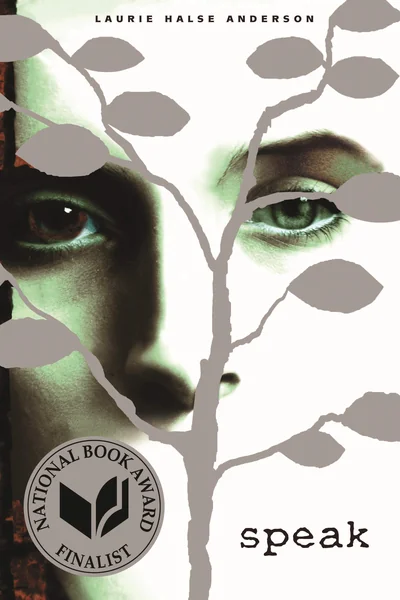
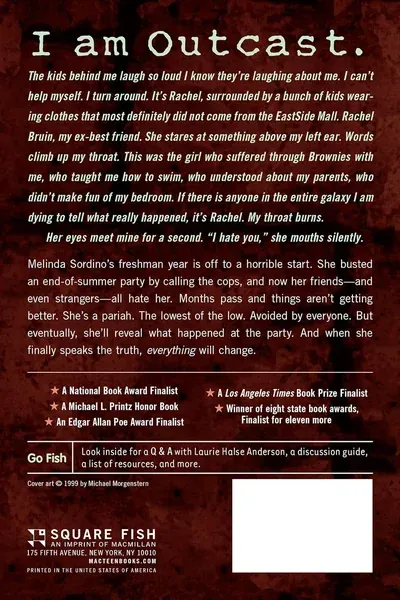
First published in 1999, Laurie Halse Anderson's Speak is a National Book Award Finalist and Michael L. Printz Honor Book that has sold more than 3.5 million copies and been translated into 35 languages — a genuine modern classic of young adult literature, and one of the most decorated and widely taught novels in its genre.
 Tap to enlarge
LuvemBooks Verdict
Best for
Young readers aged 12 and up — particularly those in grades 7–9 — navigating questions of consent, identity, and self-expression, as well as adults who want to understand why this novel has held such a singular place in YA literature for over two decades.
Worth it if
You value literary craft alongside emotional honesty and want a novel that takes both its protagonist and its subject — rape, survivor guilt, and the slow reclamation of identity — with complete seriousness and zero sentimentality.
Skip if
Readers or parents seeking a gentler introduction to themes of adolescent trauma should be aware that the novel's unflinching portrayal of sexual assault, depression, and social ostracism is genuinely demanding, and its fragmented, nonlinear diary structure will frustrate those who prefer a conventional narrative arc.
What readers & critics say
Kirkus Reviews calls it "a frightening and sobering look at the cruelty and viciousness that pervade much of contemporary high school life, as real as today's headlines," praising its gripping plot and powerfully drawn characters. Common Sense Media describes it as "one of the most devastatingly true and painful portrayals of high school to come along in a long time," highlighting Melinda's realistic and compelling healing process.
“A frightening and sobering look at the cruelty and viciousness that pervade much of contemporary high school life, as real as today's headlines.”
— kirkusreviews.com“One of the most devastatingly true and painful portrayals of high school to come along in a long time.”
— commonsensemedia.orgAsk LuvemBooks
Was this helpful?
- Is it worth reading?
- For readers who can engage with its subject matter, Speak is widely regarded as one of the most important YA novels of the past three decades — a National Book Award Finalist, Michael L. Printz Honor Book, Golden Kite Award winner, and TIME Magazine pick for best YA books of all time. Scholar Barbara Tannert-Smith has argued that the novel's sustained commercial success — over 3.5 million copies sold and translations into 35 languages — stems from its rare ability to speak the reader's language in a way that more distanced treatments of similar subject matter cannot. Its unflinching portrayal of rape, survivor guilt, and social ostracism is demanding, and that is precisely what makes it necessary for the right reader.
- Who should read this?
- Speak is designed for readers aged 12 and up, and is commonly taught in grades 7 through 9. It is a strong choice for young readers navigating questions of consent, identity, and self-expression, and for adults who want to understand why this novel has occupied such a singular place in YA literature for over 25 years. Readers who value literary craft alongside emotional honesty — who want a novel that takes both its protagonist and its subject seriously — will find Speak as relevant now as when it first appeared in 1999.
- What age is it for?
- Best for ages 12 and up. Speak is commonly taught in grades 7 through 9 and is designed for readers ready to engage with its subject matter: the aftermath of rape, survivor guilt, depression, and social ostracism. The content is direct and unflinching — it is one of the most challenged books in American schools — and adults and parents should weigh a younger reader's readiness before assigning or recommending it.
- Similar books
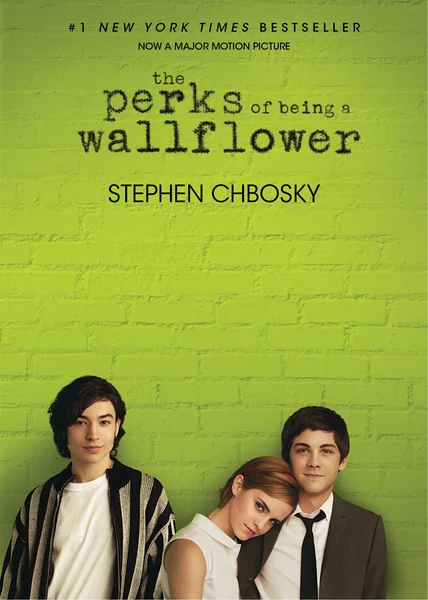
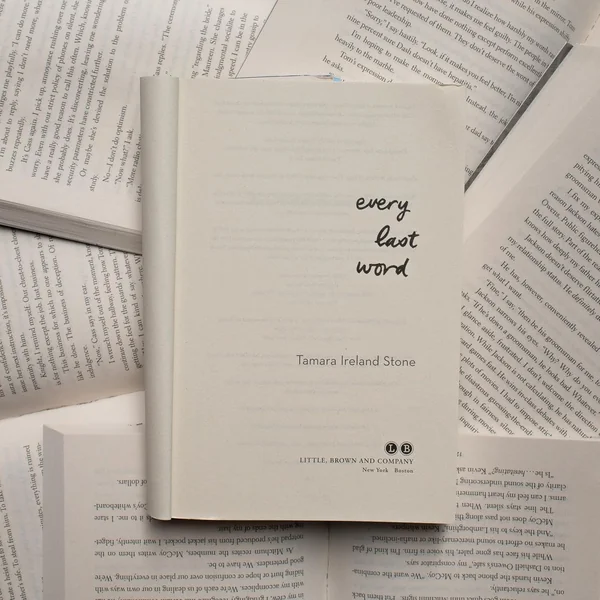
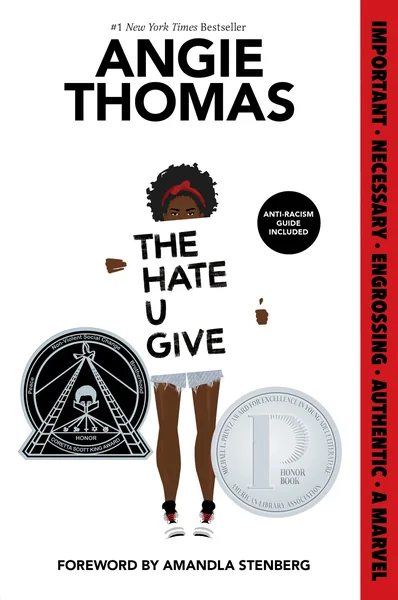
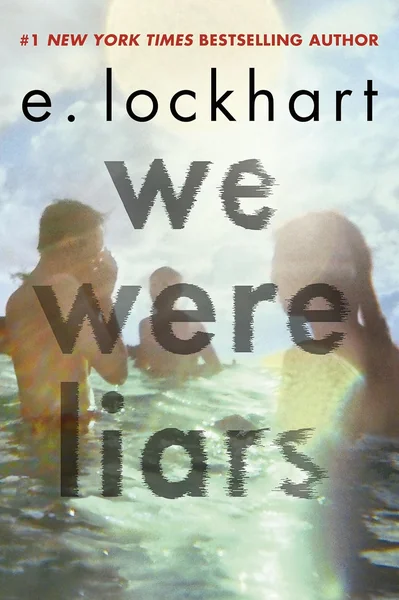
- Readers drawn to Speak's unflinching treatment of adolescent trauma and identity will find strong companions in several adjacent titles. Kathleen Glasgow's Girl in Pieces similarly centers a young woman's recovery from severe trauma with raw emotional honesty, while Stephen Chbosky's The Perks of Being a Wallflower shares Speak's diary format and its portrait of a teenager navigating trauma, silence, and social outsiderdom. Angie Thomas's The Hate U Give tackles the experience of a young woman forced to speak a truth the world around her would rather suppress — a thematic echo of Melinda's journey. Tamara Ireland Stone's Every Last Word and E. Lockhart's We Were Liars round out the list for readers who value psychologically authentic, structurally inventive YA fiction.
- About Laurie Halse Anderson
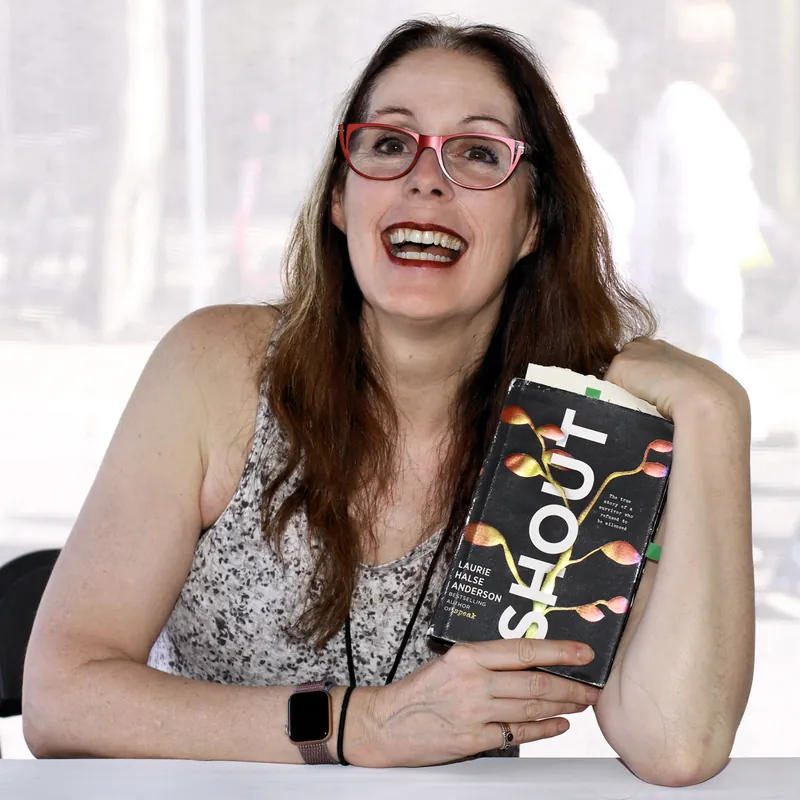
- Born in 1961, Laurie Halse Anderson has become one of the most influential voices in young adult literature, fearlessly addressing the difficult realities that teenagers face.
- Tell me about the adaptations
- Speak has expanded into a rich multimedia universe. A 2004 film adaptation directed by Jessica Sharrar stars Kristen Stewart as Melinda Sordino, bringing the novel's central story to a wider screen audience. In 2018, the novel was adapted into a graphic novel — Speak: The Graphic Novel — with artwork by Eisner Award–winner E.M. Carroll, offering a visually distinctive interpretation of Melinda's fragmented inner world. A 20th anniversary edition of the novel was also released in 2019, alongside Anderson's verse memoir Shout, with additional content for longtime readers and newcomers alike.
- What are the main themes?
- At its core, Speak is about silence and the reclamation of voice — Melinda Sordino's near-total withdrawal from speech after being raped by Andy Evans is both literal and symbolic, and the novel charts her slow, painful movement toward being able to name what happened to her. Alongside this central arc, Anderson weaves themes of survivor guilt, social ostracism, identity, and the role of art as a channel for what cannot be said aloud, with Melinda's relationship with her teacher Mr. Freeman and her developing art project functioning as the structural spine of her recovery. The novel also places Melinda's experience within broader cultural frameworks — drawing on Hawthorne's The Scarlet Letter, fairy-tale imagery, and Maya Angelou — to examine how society enforces women's silence around trauma and shame.
Summarize this book
Follow up
Synthesized from verified book data & published reviews · How we review
Press Enter to ask. Answers come from our editorial Q&A — start typing to see related questions.
Age & Reading Level
Recommended age
Ages 12–15
Reading level
Young adult
4 content notes · who it suits
Content to know about
Best for: Ages 12+ — the novel deals directly with the aftermath of rape, depression, and social ostracism; commonly taught in grades 7–9, but individual readiness should be considered for younger or more sensitive readers.
Skip if you're looking for a gentle or hopeful coming-of-age story — Speak is unflinching about trauma and does not soften its subject matter.
Our Review
What the Novel Is and What It Portrays
Craft and Narrative Structure
Significance and Recognition
Genuine Limitations and Reader Considerations
Who This Novel Is For
Sources & Further Reading
The key facts and claims in this review are grounded in the retrieved, verified sources listed below.
- Cited in this review
- 1
- 2
us.macmillan.com
- 3
thepigeonpress.org
- Further reading
- 4
Laurie Halse Anderson, Wikipedia
- 5
en.wikipedia.org
- 6
frappesandfiction.com
- 7
yabookscentral.com
- 8
Books like Speak
Curated picks for readers who enjoyed Speak, with our reasoning for each match.
If you liked Speak
Why It’s Trending
Speak Is Making the Rounds on TikTok Again
Laurie Halse Anderson's Speak is getting fresh attention on TikTok, with clips about the book's quotes and its 2004 film adaptation circulating widely. It's also showing up on banned books lists and 'books like Thirteen Reasons Why' roundups, keeping it in front of new readers.