At a glance
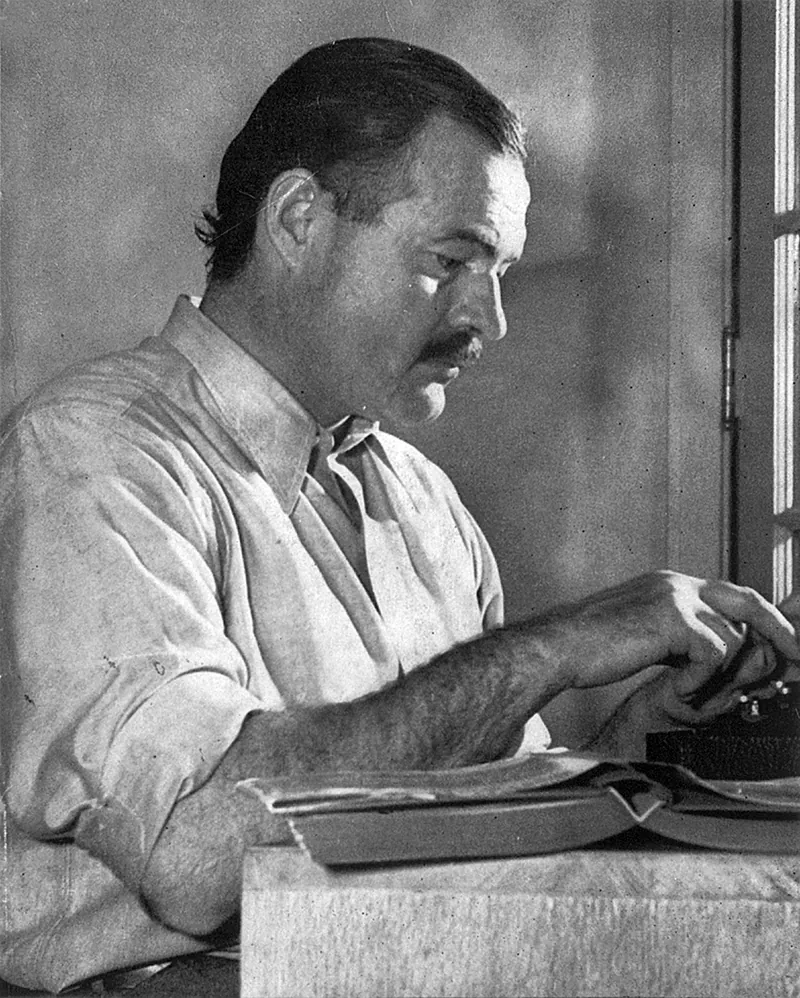
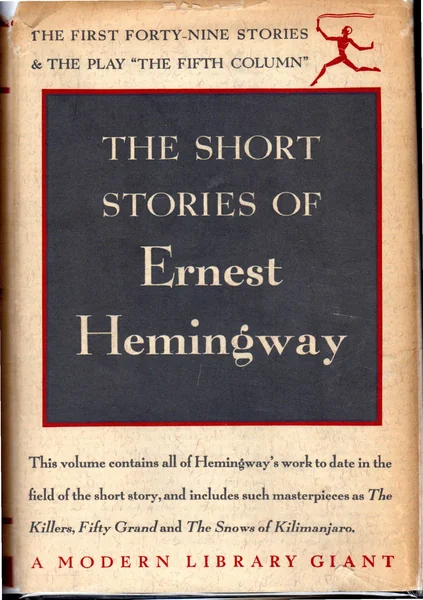
The Short Stories of Ernest Hemingway
LuvemBooks Verdict
Best for: General readers and students who want a single, durable Modern Library hardcover gathering Hemingway's most celebrated short fiction — from the Nick Adams cycle to "Hills Like White Elephants" — without the critical apparatus of a scholarly edition.
Worth it? Skip it? Read the full verdict →Ask LuvemBooks
Was this helpful?
- Is it worth reading?
- For anyone serious about the American short story or twentieth-century prose style, the Modern Library edition of The Short Stories of Ernest Hemingway is essential reading. Literary critic Edmund Wilson described Hemingway's writing style as "of the first distinction," and F. Scott Fitzgerald, reviewing Hemingway's early work in The Bookman, called the Nick Adams stories "temperamentally new" in American fiction — assessments that have proved durable. The collection is a foundational text, not an exhaustive archive, and readers who want the widest possible gathering will want to supplement with the 1987 Finca Vigía Edition, which adds 21 additional stories and seven previously unpublished pieces.
- Similar books
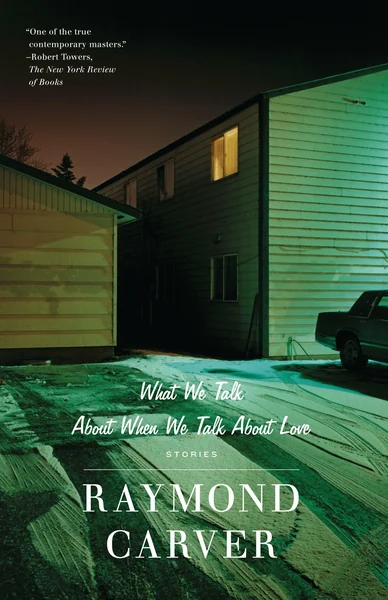
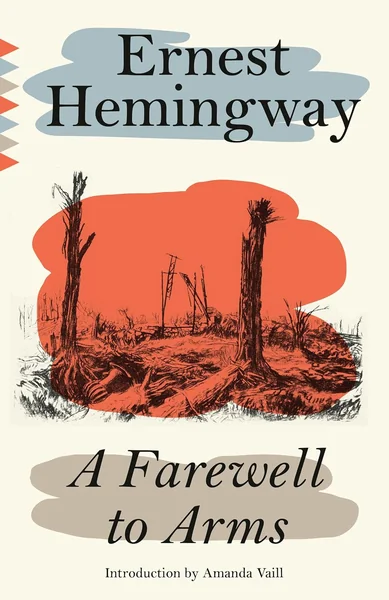
- Readers drawn to Hemingway's short fiction will find natural companions in the curated titles below. Raymond Carver's What We Talk About When We Talk About Love is perhaps the most direct successor in the minimalist American tradition — Carver's stripped-down prose and oblique emotional depth owe an acknowledged debt to Hemingway's iceberg theory. For more Hemingway, A Farewell to Arms extends the Spanish Civil War and wartime themes of the stories into novel form, showing how his spare style operates at longer length. The Sun Also Rises (Hemingway), The Complete Stories (Flannery O'Connor), In Our Time (Hemingway), The Collected Stories (John Cheever), and Selected Stories (Anton Chekhov) round out the broader landscape of essential short fiction for readers who want to trace the form's development.
- Who should read this?
- The Modern Library edition is best suited to general readers and students who want a reliable, durable-format presentation of Hemingway's short fiction without the critical apparatus of an annotated scholarly edition. It is also a natural choice for collectors drawn to the Modern Library imprint's tradition of presenting canonical texts in a consistent, well-regarded format. Those with a specific interest in Hemingway's unpublished work, his Spanish Civil War stories in their full context, or the editorial history of his fiction will want to supplement this edition with the 1987 Finca Vigía Edition or the 2018 annotated edition.
- About Ernest Hemingway
- Born in Oak Park, Illinois in 1899, Ernest Hemingway became one of America's most celebrated and influential writers, transforming both literature and the public's perception of what it meant to be an author.
- How does this compare to other Hemingway editions?
- The Modern Library edition is a foundational text presenting Hemingway's celebrated short fiction — including the First Forty-Nine stories — in a reliable, durable hardcover format. The 1987 Complete Short Stories of Ernest Hemingway: The Finca Vigía Edition expanded the canon significantly, adding 21 additional stories and seven previously unpublished pieces, along with a foreword by Hemingway's sons. The 2018 annotated edition edited by Hemingway's grandson Seán Hemingway goes further still, including rare early work such as "The Judgment of Manitou" (Hemingway's first published story, written in high school), drafts, correspondence, and an out-of-print essay by Hemingway on the short story — making it the choice for scholarly readers.
- How does the iceberg theory work in these stories?
- Hemingway's iceberg theory — also called his theory of omission — holds that the dignity of movement in an iceberg comes from the seven-eighths beneath the surface, and that a story's emotional weight is carried by what is left unsaid as much as by what is written. In practice, this means compressed sentence structure, dialogue stripped of attributive decoration, and scenes that trust readers to supply the grief or desire the prose refuses to name. "Hills Like White Elephants" is perhaps the most studied example: the entire emotional stakes of the story are conducted through elliptical dialogue, with the central subject never directly named. "A Clean, Well-Lighted Place" achieves a similar effect, building an entire meditation on nothingness and despair from a scene that, on the surface, is simply two waiters discussing a late-night customer.
Summarize this book
Follow up
Synthesized from verified book data & published reviews · How we review
Press Enter to ask. Answers come from our editorial Q&A — start typing to see related questions.
Age & Reading Level
Recommended age
Adult
Reading level
Adult
4 content notes · who it suits
Content to know about
Skip if you prefer richly annotated editions with scholarly apparatus, drafts, and the full range of Hemingway's unpublished work — this edition predates the more comprehensive 1987 Finca Vigía and 2018 annotated collections.
Editorial Review
Published by Modern Library, The Short Stories of Ernest Hemingway gathers the core of a writer whose spare, revolutionary prose reshaped English-language fiction in the twentieth century — essential reading for anyone serious about the American short story.
Read the Full ReviewBooks like The Short Stories of Ernest Hemingway
Curated picks for readers who enjoyed The Short Stories of Ernest Hemingway, with our reasoning for each match.
If you liked The Short Stories of Ernest Hemingway