Ernest Hemingway
3
Books ReviewedAsk LuvemBooks about Ernest Hemingway
- Where should I start?
- The Hemingway Boxed Set is the most practical starting point for a new reader, collecting several of his major works in one package and earning a reader rating of 4.7 out of 5 from over 1,200 Amazon reviewers — the highest of his reviewed titles on LuvemBooks. If you prefer to begin with a standalone novel, A Farewell to Arms offers a focused introduction to his voice: a love story set against the backdrop of World War I that demonstrates his economy of language and emotional restraint in a single, sustained narrative.
- What's their writing style?
- Hemingway's prose is defined by deliberate economy: short declarative sentences, sparse adjectives, and dialogue that sounds transcribed rather than composed. He developed what he called the iceberg theory — the idea that a story's emotional and thematic weight should sit below the surface, implied rather than stated, so that the reader does the work of feeling what the characters will not say aloud. This restraint is consistent whether you are reading a short story from The Short Stories of Ernest Hemingway or a full novel like A Farewell to Arms, giving his body of work an immediately recognisable voice.
- Books we've reviewed
- LuvemBooks has reviewed three Hemingway titles. The Short Stories of Ernest Hemingway collects his short fiction and is the best place to encounter the iceberg theory in its most concentrated form. The Hemingway Boxed Set bundles several major works together and holds a reader rating of 4.7 out of 5, making it the highest-rated title in his reviewed catalogue. A Farewell to Arms (Vintage Classics) is his World War I novel — a spare, unsentimental account of love and loss that carries a reader rating of 4.1 out of 5.
- How do his books compare?
- The three reviewed titles sit at different points on the spectrum from concentrated to expansive. The Short Stories of Ernest Hemingway is the purest distillation of his technique — each piece strips the iceberg theory down to its essentials with no room for filler. A Farewell to Arms (reader rating 4.1 out of 5) applies the same restraint to a full novel arc, trading compression for emotional accumulation across a sustained narrative. The Hemingway Boxed Set (reader rating 4.7 out of 5) offers the broadest range and is the most practical option for a reader who wants to see how his voice evolved across different subjects and forms before committing to a single title.
- What genre does Hemingway write?
- Hemingway worked primarily in literary fiction and short fiction, with several of his most celebrated works classified more specifically as war fiction — A Farewell to Arms being the clearest example among his reviewed titles. His short stories resist easy genre labels, ranging from realist slice-of-life sketches to pieces with a strong existential undertow. Across all of it, the unifying characteristic is less genre than mode: a journalistic, stripped-back prose that treats understatement as a moral as much as an aesthetic position.
- What should I read after the Boxed Set?
- If the Hemingway Boxed Set has given you a broad overview and you want to go deeper, A Farewell to Arms is the natural next step for a sustained look at his war fiction in a single, carefully controlled narrative. Readers who found themselves most engaged by the shorter pieces in the boxed set should turn to The Short Stories of Ernest Hemingway, which collects his short fiction comprehensively and lets you spend more time with the form where many critics believe his technique is most precise.
Who is Ernest Hemingway?
Follow up
Synthesized from verified book data & published reviews · How we review
Press Enter to ask. Answers come from our editorial Q&A — start typing to see related questions.
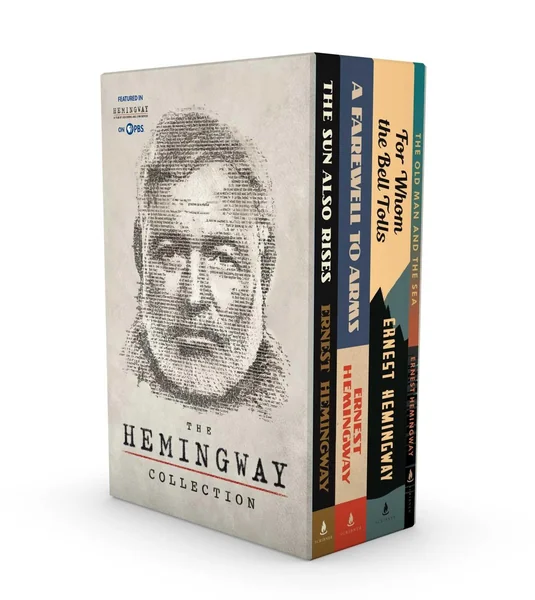
Hemingway Boxed Set by Ernest Hemingway
4.7/5
Published by Simon & Schuster in 2021 and timed to coincide with Ken Burns and Lynn Novick's PBS documentary, the Hemingway Boxed Set gathers four of Ernest Hemingway's most celebrated novels — The Sun Also Rises, A Farewell to Arms, For Whom the Bell Tolls, and The Old Man and the Sea — into a single trade paperback collection, offering both longtime admirers and new readers a definitive entry point into the work of a Nobel Prize–winning author whose spare, economical prose reshaped the course of American literature.
Reviewed Feb 18, 2026
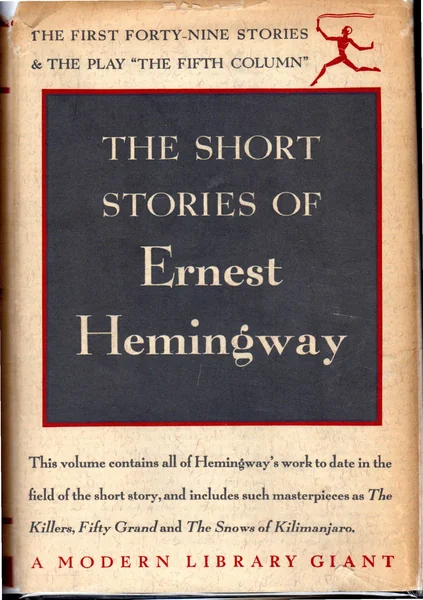
The Short Stories of Ernest Hemingway by Ernest Hemingway
/5
Published by Modern Library, The Short Stories of Ernest Hemingway gathers the core of a writer whose spare, revolutionary prose reshaped English-language fiction in the twentieth century — essential reading for anyone serious about the American short story.
Reviewed Feb 18, 2026

A Farewell to Arms (Vintage Classics) by Ernest Hemingway
4.1/5
First published in 1929 and now reissued in a Vintage Classics edition with a new introduction by Amanda Vaill, Ernest Hemingway's A Farewell to Arms remains what Wikipedia's reception summary records as "the premier American war novel from World War I" — a spare, devastating account of love and loss set against the Italian campaign that cemented Hemingway's place in the canon and became his first bestseller.
Reviewed May 4, 2026
Authors Like Ernest Hemingway
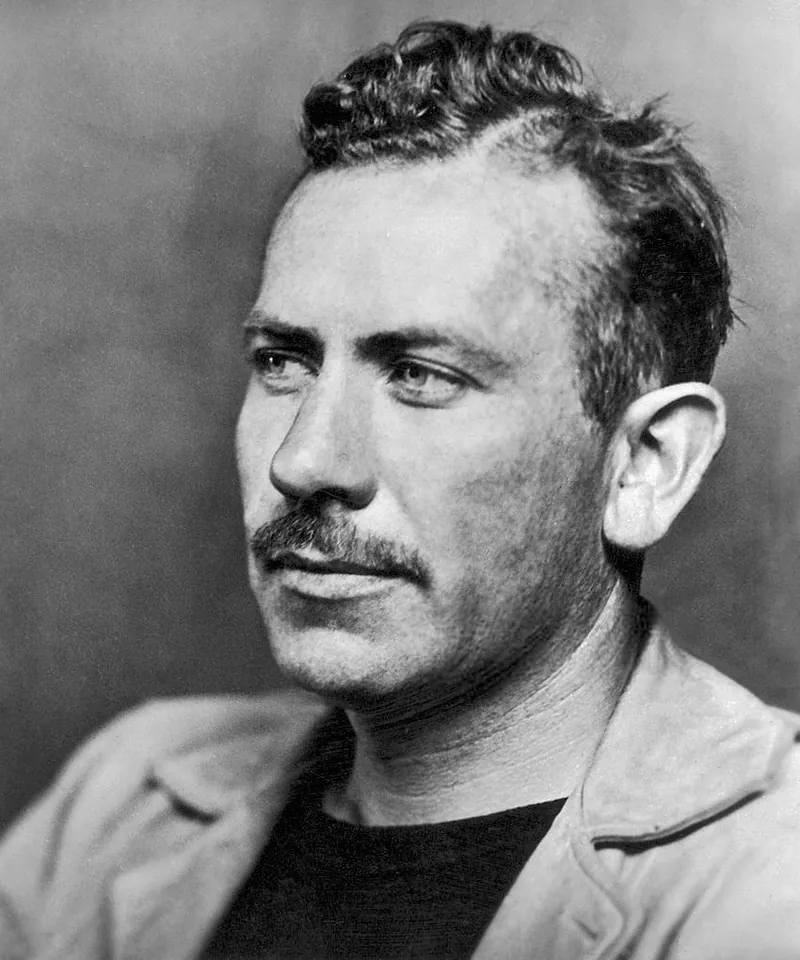
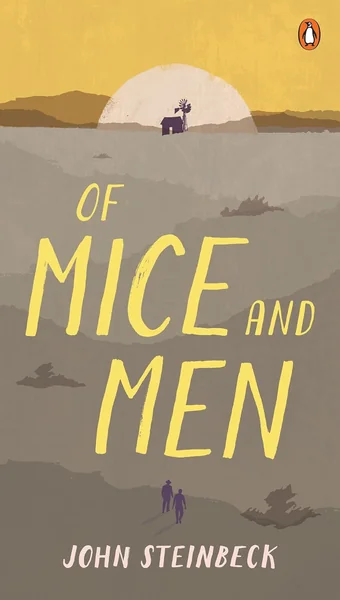
John Steinbeck
John Ernst Steinbeck was an American writer and novelist.
2 books reviewed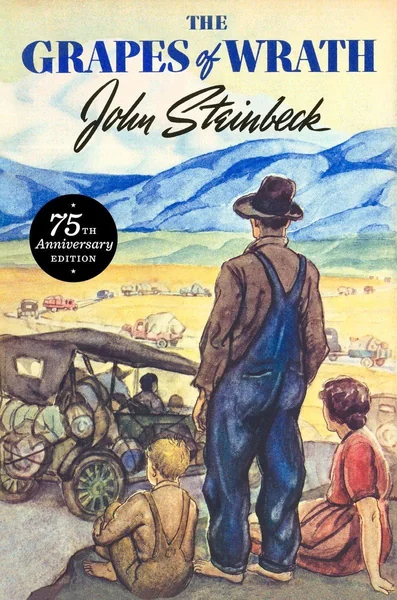

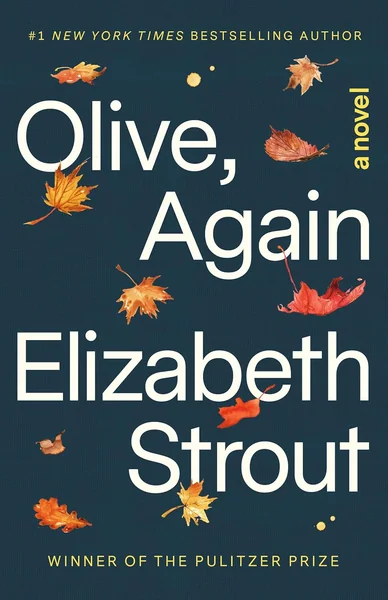
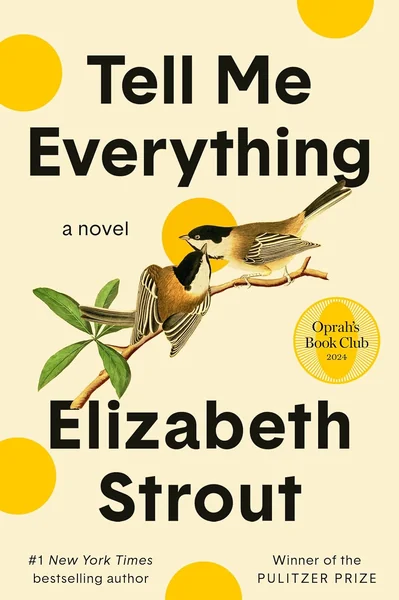
Elizabeth Strout
Elizabeth Strout is an American novelist and author.
4 books reviewed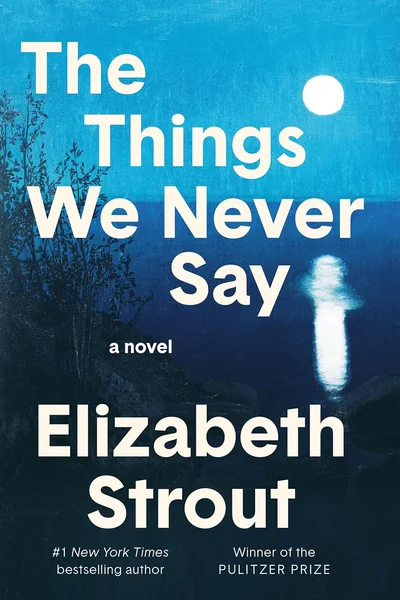
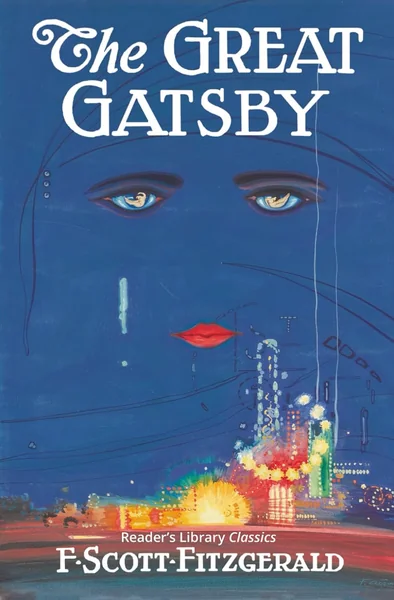
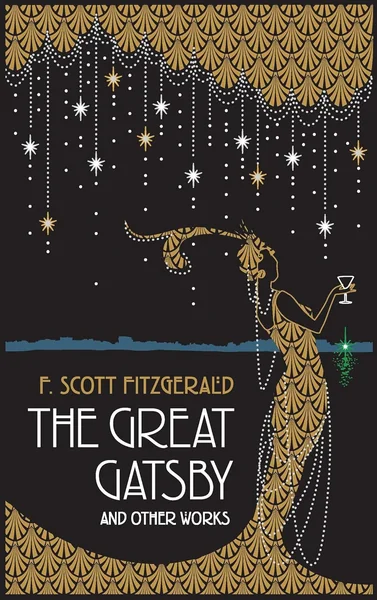
F. Scott Fitzgerald
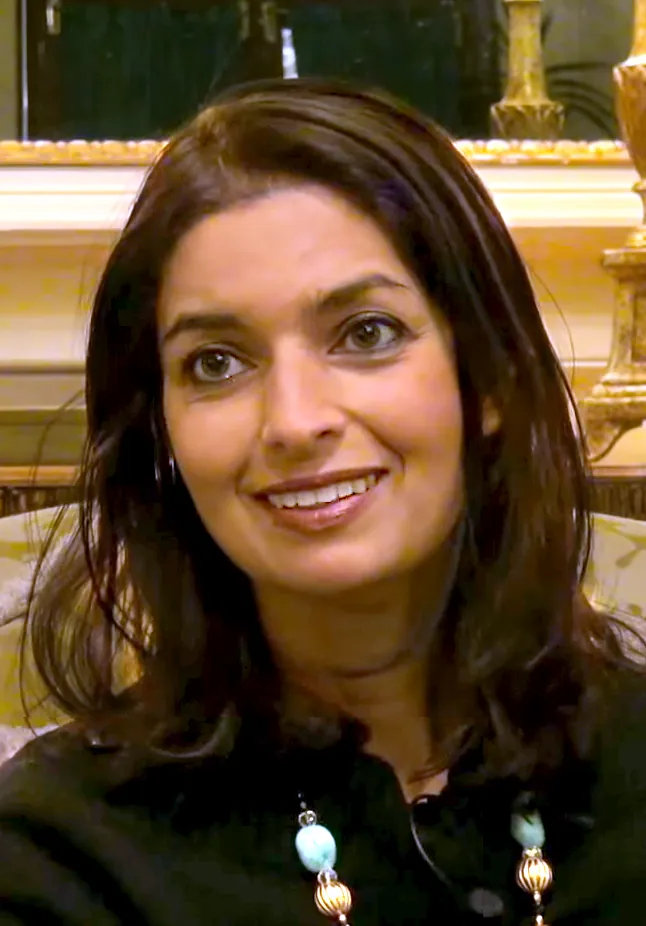
Jhumpa Lahiri
Nilanjana Sudeshna "Jhumpa" Lahiri is a British-American author known for her short stories, novels, and essays in English and, more recently, in Italian..
1 book reviewed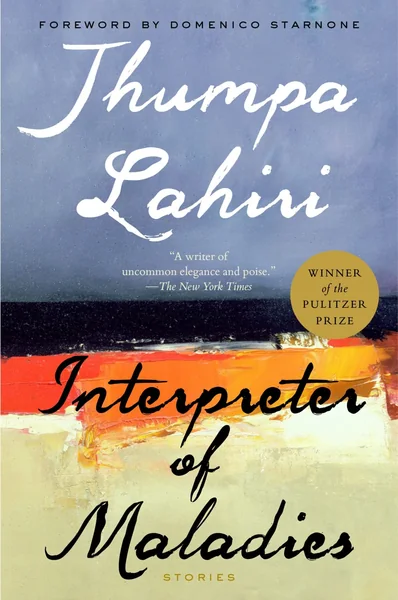
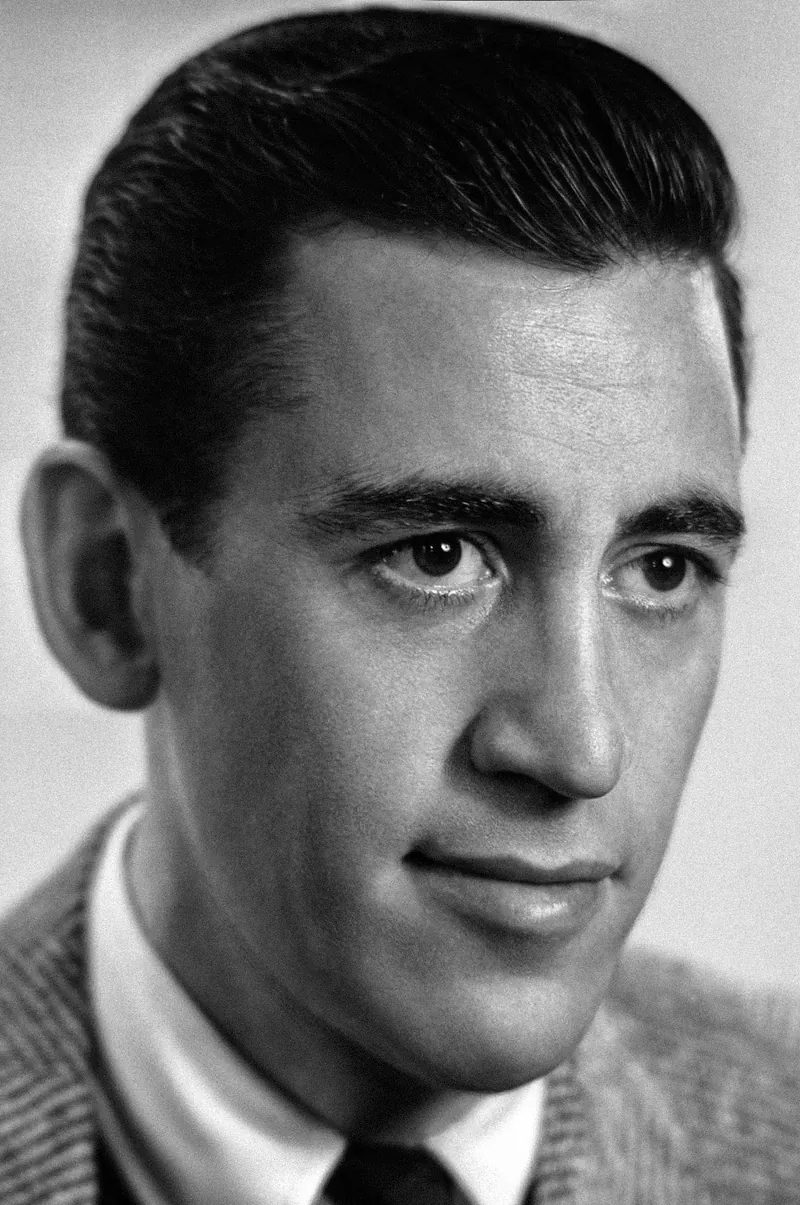
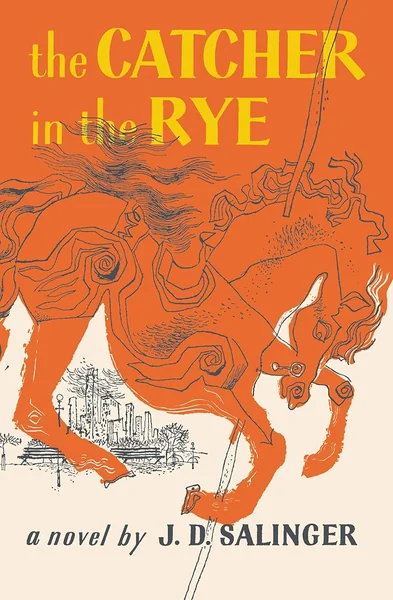
J. D. Salinger
Jerome David Salinger was an American author best known for his 1951 novel The Catcher in the Rye.
2 books reviewed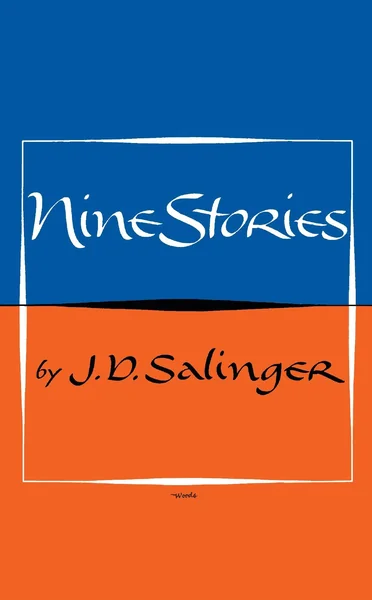

Taylor Jenkins Reid
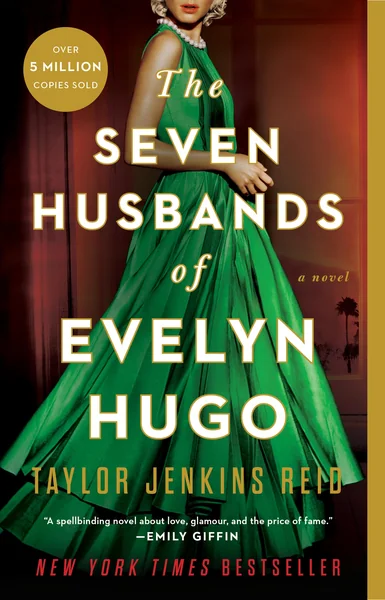
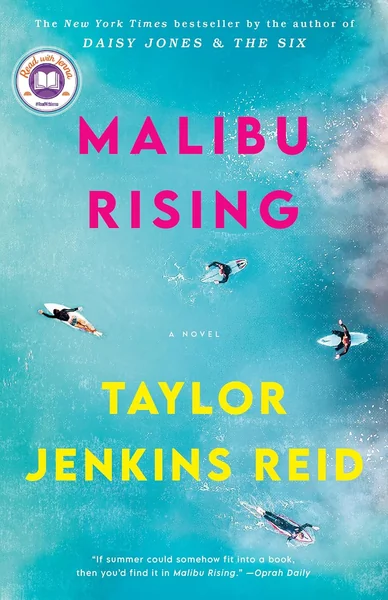
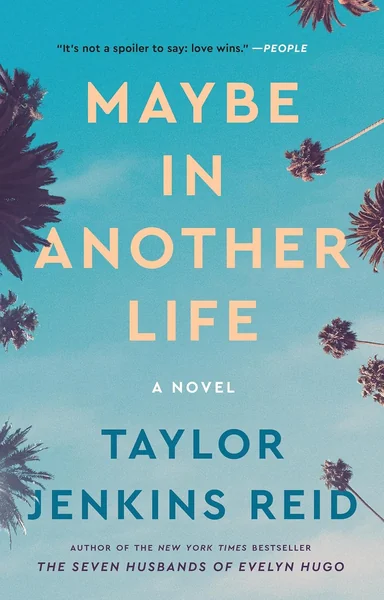
Taylor Jenkins Reid is an American author best known for her novels The Seven Husbands of Evelyn Hugo, Daisy Jones & the Six, One True Loves, Malibu Rising, Carrie Soto Is Back, and Atmosphere.
3 books reviewed