6 min read
4.2
· 2,111 Amazon ratings, as of Oct 2026Share This Review
Our review
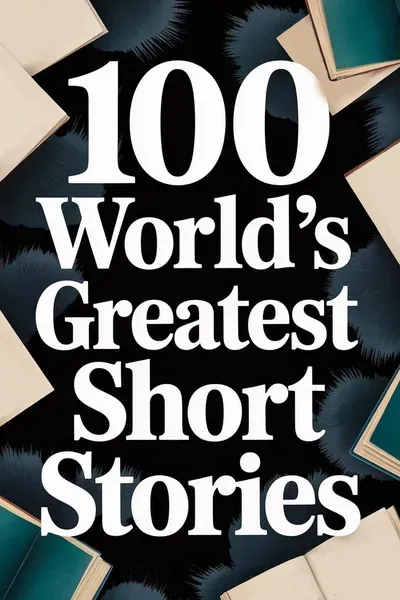
100 World's Greatest Short Stories
100 World's Greatest Short Stories by Various Review: A Curated Global Short Fiction Anthology
100 World's Greatest Short Stories is a curated anthology of 100 short stories drawn from literary masters across cultures and eras, published by Grapevine as a collectible edition. Authors represented include Anton Chekhov, Edgar Allan Poe, Mark Twain, O. Henry, Oscar Wilde, Virginia Woolf, and Rabindranath Tagore, among others. It is designed for readers who want to explore classic short fiction from around the world in a single volume.
LuvemBooks Verdict
Best for
Readers who want a broad, dip-in-and-out sampler of canonical short fiction — from Chekhov and Poe to Tagore — across many cultures, themes, and tones in a single collectible volume.
Worth it if
Worth reading if you enjoy sampling classic short fiction from multiple literary traditions in short daily sessions without committing to a single author or era.
Skip if
Skip it if you are looking for contemporary, genre-specific, or experimental short fiction, or want to explore any one author's work in depth rather than encounter brief highlights from many.
Ask LuvemBooks
Was this helpful?
- Is it worth reading?
- For its intended audience, the anthology delivers exactly what it promises: a broad, dip-in-and-out sampler of canonical short fiction across many cultures and eras, well suited to daily reading in short sessions. The format is particularly valuable for readers encountering authors like Tagore or Chekhov for the first time, offering a low-commitment entry point before pursuing a single author's collected works. The key caveat is scope — the breadth that makes it ideal for samplers means any one story receives only a brief showcase rather than the fuller context of an author-specific collection.
- Who should read this?
- The anthology is best suited to two distinct groups: readers new to classic short fiction who want to survey many traditions — from Poe's psychological eeriness to Tagore's lyrical observation — before committing to a single author, and experienced readers who enjoy revisiting familiar titles in a curated, collectible format. Those who already own single-author collections by Chekhov, Wilde, or Woolf will find the most value in the anthology's cross-cultural breadth rather than any individual story's depth.
- Similar books
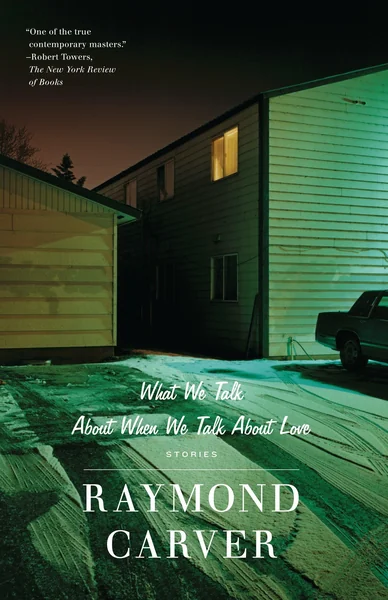
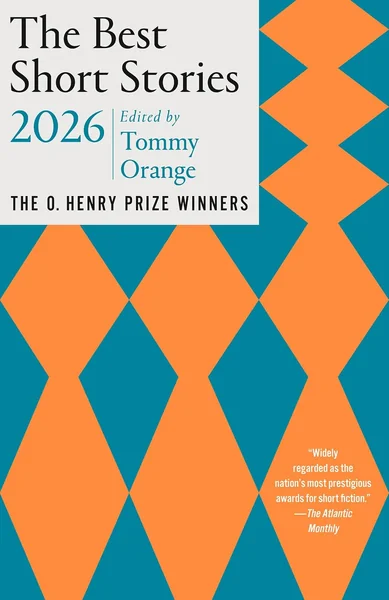
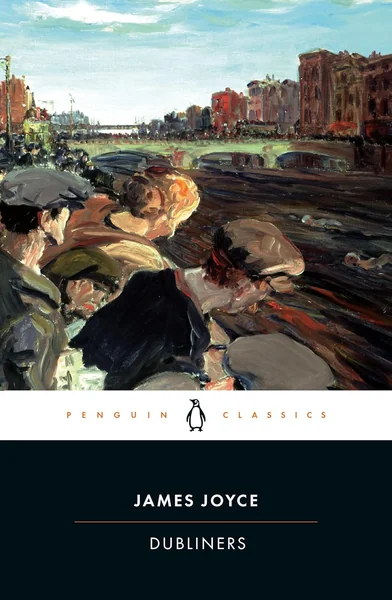
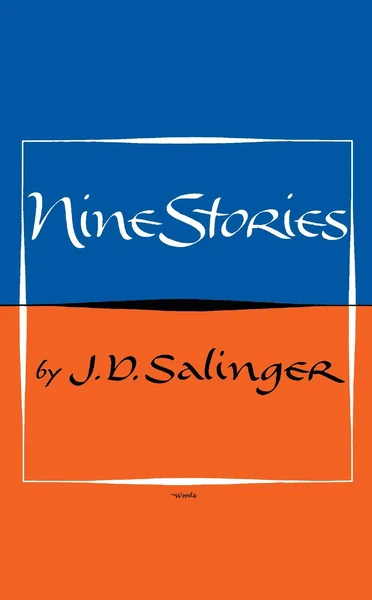
- Readers drawn to this anthology's broad sweep of classic short fiction may also enjoy Dubliners by James Joyce, which offers fifteen thematically unified stories of Irish life — a contrast of depth over breadth. For contemporary prize-winning short fiction, The Best Short Stories 2026: The O. Henry Prize Winners edited by Tommy Orange is a natural next step. Those who want to explore a single master of the form more fully might turn to Nine Stories by J.D. Salinger or What We Talk About When We Talk About Love by Raymond Carver, both of which reward slower, closer reading.
- Other books in this series or publisher
- Grapevine's Collectable Edition series also includes Greatest Greek Philosophers — another volume LuvemBooks has reviewed — which follows the same format of gathering canonical texts from multiple voices into a single curated, collectible volume. Readers who appreciate the anthology approach of 100 World's Greatest Short Stories may find that series a useful reference point for other subject areas.
- How does the reading experience work?
- Because each of the 100 stories is self-contained, the anthology is designed for non-linear, session-by-session reading rather than cover-to-cover consumption. The publisher's thirteen thematic groupings — love and loss, isolation and connection, coming of age, and others — offer loose navigational anchors, but readers can equally move freely between Poe's psychological tales and Twain's satirical sketches without losing continuity. This flexibility makes it particularly suited to readers with limited daily reading time.
- How heavy is the content?
- The anthology spans a wide tonal range — from lighter, ironic slices of everyday life to haunting psychological tales dealing with death, war, oppression, and moral failure. Readers sensitive to themes of death and the afterlife, war and peace, or freedom and oppression will encounter those subjects, though the classical short story form tends toward suggestion and implication rather than graphic depiction. The overall register varies story by story, reflecting the breadth of the canonical tradition rather than any single sustained tone.
Summarize this book
Follow up
Synthesized from verified book data & published reviews · How we review
What would you like to know about 100 World's Greatest Short Stories?
Answers come from our editorial notes on this book. If we haven't covered something, we'll say so.
Readers often ask
Our Review
We review the evidence: published critics, reader verdicts and BookTube reviews, gathered and weighed with AI assistance and edited by LuvemBooks, rather than one reader's first-hand take.
What It Is
What It Covers
Who It's For
Where It Sits
Sources & Further Reading
The key facts and claims in this review are grounded in the retrieved, verified sources listed below.
- 1
- 2
Age & Reading Level
Recommended age
Ages 16+
Reading level
Older teens & adults
4 content notes · who it suits
Content to know about
Best for: Adults and mature teens (16+) — classical prose styles and recurring themes of mortality, war, psychological horror, and oppression suit experienced readers.
Skip if you are looking for contemporary, genre-specific, or experimental short fiction, or want to explore any single author's work in depth rather than encounter brief highlights from many.
Reader reviews
Be one of the first readers to answer.
Read it? Was it right for you?
Books like 100 World's Greatest Short Stories
Curated picks for readers who enjoyed 100 World's Greatest Short Stories, with our reasoning for each match.
If you liked 100 World's Greatest Short Stories