8 min read
Share This Review
Daring Greatly by Brené Brown Review: A Research-Backed Case for Vulnerability
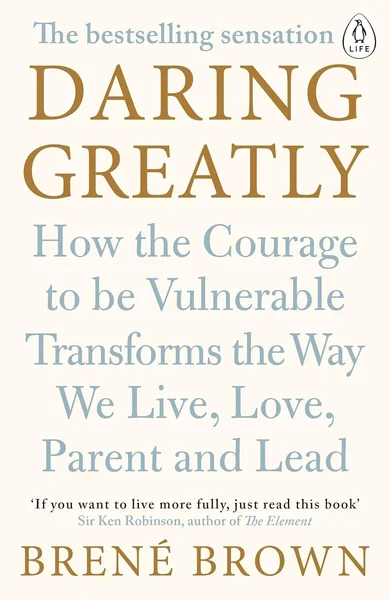
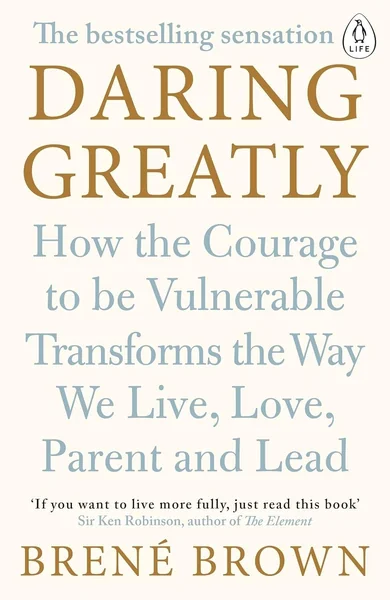
Daring Greatly is a self-help book by Brené Brown, PhD, MSW, rooted in twelve years of research, that argues vulnerability is not weakness but the truest measure of courage — a New York Times bestseller that has sold more than two million copies and shaped how readers across personal, professional, and parenting contexts think about shame, worthiness, and authentic engagement.
LuvemBooks Verdict
Best for
Readers who feel held back by shame, fear of failure, or the urge to self-protect, and who want a research-backed, accessible framework for understanding vulnerability across their relationships, work, and parenting life.
Worth it if
The combination of a credentialed scholar's twelve years of research and conversational, story-driven prose is exactly what you need to move from abstract self-awareness to practical steps toward courage and shame resilience.
Skip if
If you've already absorbed Brown's TED Talk and earlier books, or if you're seeking deep, domain-specific guidance on leadership or parenting rather than a unified cross-domain framework, you may find the foundational sections familiar and individual chapters too compressed.
What readers & critics say
Kirkus Reviews praised it as "a straightforward approach to revamping one's life from an expert on vulnerability," noting Brown's decade-plus of research and her effective challenge of common myths around shame and weakness. Penguin Random House reports the book has sold more than two million copies and reached the #1 spot on the New York Times bestseller list, reflecting wide and sustained mainstream readership.
“A straightforward approach to revamping one's life from an expert on vulnerability.”
— Kirkus ReviewsAsk LuvemBooks
Was this helpful?
- Is it worth reading?
- For readers new to Brené Brown's work, Daring Greatly is a well-regarded and widely validated starting point — a New York Times bestseller with more than two million copies sold, praised by Publishers Weekly for its clarity and by leadership writer Daniel Pink for offering "a valuable guide to the real reward of vulnerability: greater courage." The combination of twelve years of academic research with what one endorser called "kitchen table story-telling" makes the material feel accessible without sacrificing empirical grounding. The main caveat is for readers already familiar with Brown's TED Talk on vulnerability or her earlier books: the foundational sections cover well-trodden ground before the more applied material on shame resilience arrives.
- Similar books
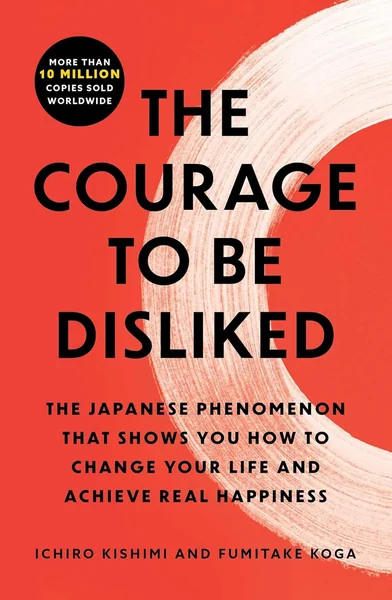
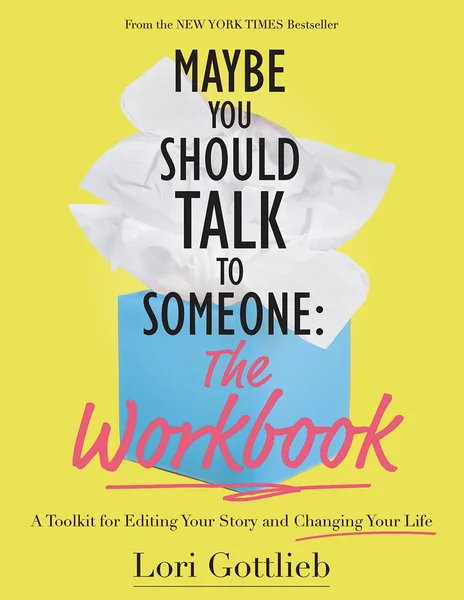
- Readers drawn to Daring Greatly have several strong options nearby. Brown's own The Gifts of Imperfection covers adjacent ground on worthiness and letting go of who we think we should be, making it a natural companion read. The Courage to Be Disliked by Ichiro Kishimi and Fumitake Koga takes a philosophical dialogue approach to freedom and self-acceptance that resonates with Brown's core themes. Maybe You Should Talk to Someone by Lori Gottlieb explores emotional vulnerability and human connection through a therapist's dual perspective. The Four Agreements by Don Miguel Ruiz and The Let Them Theory by Mel Robbins both offer accessible, framework-driven guidance for readers interested in personal growth and authentic living.
- Who should read this?
- Daring Greatly is designed for general adult readers across personal, professional, and parenting contexts — anyone who wants to understand how shame and vulnerability operate in their own life and work. Its cross-domain design makes it particularly valuable for readers who occupy multiple roles: a manager who is also a parent, for instance, will find the framework applied across both settings. Readers brand-new to Brown's work are its clearest audience; those already familiar with her TED Talk on vulnerability or earlier books may want to skip ahead, as the foundational sections can feel familiar before the book reaches its more applied material.
- About Brené Brown
- Casandra Brené Brown is an American academic and podcaster who holds the Huffington Foundation's Brené Brown Endowed Chair at the University of Houston's Graduate College of Social Work and is a visiting professor in management at the McCombs School of Business at the University of Texas at Austin.
- How does this compare to The Gifts of Imperfection?
- Both books emerge from Brené Brown's research on shame and worthiness, but Daring Greatly operates at a larger scale. Where The Gifts of Imperfection focuses on personal wholehearted living, Daring Greatly extends the vulnerability framework into leadership, organizational culture, parenting, and education — applying a single coherent argument across multiple life domains within one volume. Readers who found The Gifts of Imperfection valuable will encounter familiar foundational ideas here before the book moves into its more applied and cross-domain material.
- How research-based is it?
- Brown holds a PhD and an MSW, and Daring Greatly is explicitly grounded in more than twelve years of academic research into vulnerability, shame, and human connection. The book's arguments emerge from that documented empirical foundation, yet the framework is written to reach general readers rather than specialists — a balance that one endorser quoted by the publisher described as "the unique combination of solid research and kitchen table story-telling." Critical coverage characterized the overall approach as "straightforward," and Publishers Weekly specifically praised its clarity on the research-derived guilt-versus-shame distinction.
Summarize this book
Follow up
Synthesized from verified book data & published reviews · How we review
Press Enter to ask. Answers come from our editorial Q&A — start typing to see related questions.
Age & Reading Level
Recommended age
Adult
Reading level
Adult
who it suits
Skip if you're seeking an in-depth, standalone treatment of leadership, parenting, or relationships rather than a unified cross-domain framework
Our Review
What the Book Is and What It Argues
Scope and Structure
Reception and Cultural Reach
Genuine Strengths
Considerations for Prospective Readers
Sources & Further Reading
The key facts and claims in this review are grounded in the retrieved, verified sources listed below.
- Cited in this review
- 1
en.wikipedia.org
- 2
penguinrandomhouse.com
- 3
forwardfitnessstl.com
- Further reading
- 4
Brené Brown, Wikipedia
- 5
brenebrown.com
- 6
conshycoaching.com
- 7
lifeclub.org
- 8
shahnasarpi.com
- 9
- 10
- 11
fourminutebooks.com
Books like Daring Greatly
Curated picks for readers who enjoyed Daring Greatly, with our reasoning for each match.
If you liked Daring Greatly