At a glance
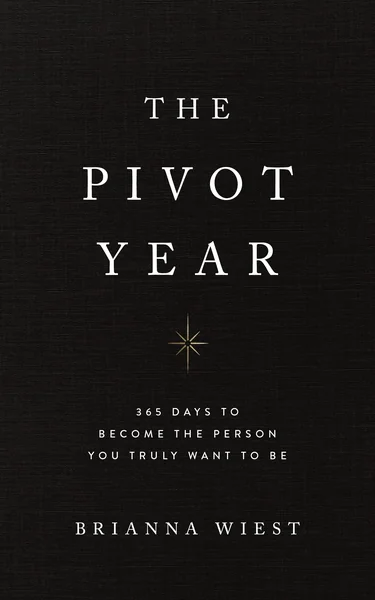
The Pivot Year
LuvemBooks Verdict
Best for: Readers at a genuine inflection point — navigating a career change, recovering from a loss, or feeling their daily life has drifted from their values — who thrive with structured, incremental support and respond well to emotionally direct, motivational language.
Worth it? Skip it? Read the full verdict →Ask LuvemBooks
Was this helpful?
- Is it worth reading?
- For readers who are at a genuine inflection point — considering a career change, recovering from a loss, or feeling their daily life has drifted from their values — The Pivot Year delivers exactly what it promises. Harper's Bazaar called it "a year-long guide" that "might just help you finish that project or land that new job by encouraging a different way of thinking," and Yoga Journal praised its ability to draw readers in and sustain engagement throughout the full year. The caveat is the commitment the format demands: 365 daily entries require consistent engagement over a full year, and the sustained lyrical-reflective tone may feel repetitive to readers who prefer varied argumentative or narrative structures.
- Similar books
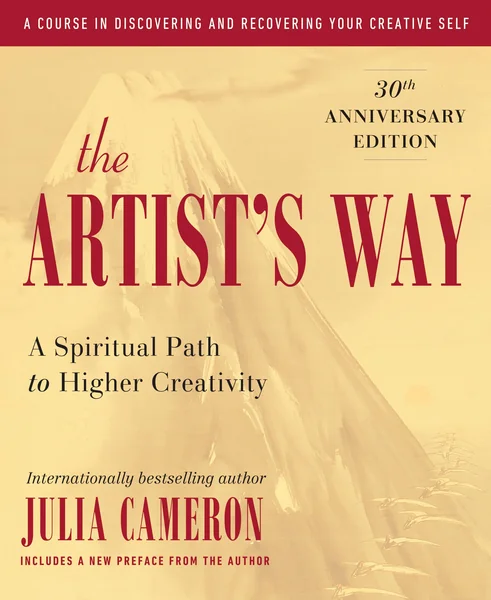
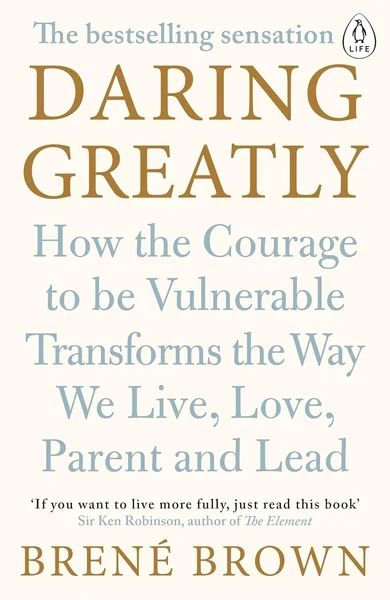
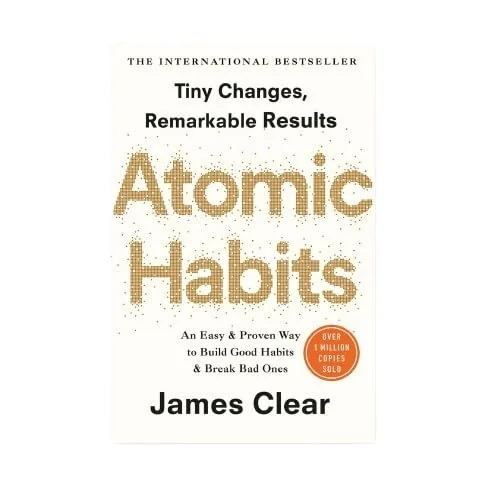
- Readers drawn to The Pivot Year will find strong company in several titles. Julia Cameron's The Artist's Way similarly offers a structured, week-by-week framework for self-discovery and creative unblocking. Brené Brown's Daring Greatly shares Wiest's emphasis on vulnerability and authenticity as foundations for personal transformation. For habit-based personal development with a concrete daily framework, James Clear's Atomic Habits is a natural companion. Don Miguel Ruiz's The Four Agreements and Ichiro Kishimi and Fumitake Koga's The Courage to Be Disliked both explore overcoming internalized barriers to authentic living, echoing the thematic core of Wiest's collection.
- Who should read this?
- The Pivot Year is designed for readers at a genuine inflection point — those considering a career change, recovering from a loss, or feeling their daily life has drifted from their values. It works best for readers who respond well to structured, incremental support and are already oriented toward self-examination and open to motivational framing. Fans of Wiest's earlier titles like The Mountain Is You will find it a natural continuation; those new to her work will find it a self-contained entry point. The publisher recommends it for readers twelve and up, making it accessible across a wide age range.
- What age is it for?
- Best for ages 12 and up. The publisher recommends The Pivot Year for readers twelve and older — the reflective, motivational register is accessible to confident younger readers, while the themes of career change, loss, and life values will resonate most deeply with older teens and adults navigating real inflection points. There are no heavy-content themes that would make it unsuitable for the recommended age floor.
- About Brianna Wiest
- Brianna Wiest is an internationally bestselling author whose books have sold millions of copies and regularly appear on global bestseller lists. Her titles include 101 Essays That Will Change The Way You Think, The Mountain Is You, The Pivot Year, When You're Ready This Is How You Heal, Salt Water, Ceremony, and more. She has over one million followers on Instagram.
- What are the main themes?
- The Pivot Year is organised around the idea that transformation is not a single event but the cumulative result of daily practice, confrontation, and recommitment to one's authentic self. SuperSummary's thematic analysis identifies recurring threads: the role of mindfulness in achieving goals, the power of daily practice in personal transformation, and overcoming barriers to authenticity. The book's dedication frames its animating premise — that the outside world gradually quiets an interior vision, and that reclaiming that vision requires sustained, deliberate effort across a full year.
- Is it a good book club pick?
- The Pivot Year is an unconventional book club pick: its 365-entry daily format is designed for individual, sustained practice over a full year rather than linear cover-to-cover reading that lends itself to group discussion at a fixed endpoint. That said, the book's rich thematic core — authenticity, daily practice, life transitions — offers ample discussion material, and a group committed to reading and reflecting together over a longer shared period could find it a meaningful shared experience. It is better suited to a year-long reading group than a monthly club.
Summarize this book
Follow up
Synthesized from verified book data & published reviews · How we review
Press Enter to ask. Answers come from our editorial Q&A — start typing to see related questions.
Age & Reading Level
Recommended age
Ages 12–18
Reading level
Young adult
who it suits
Best for: Ages 12+ — the reflective, motivational register and themes of self-discovery are accessible to confident younger readers; the publisher sets the recommended floor at twelve.
Skip if You prefer self-directed, non-linear reading or find sustained motivational-reflective prose repetitive over long periods.
Editorial Review
Brianna Wiest's The Pivot Year (Thought Catalog Books, April 25, 2023) is a collection of 365 daily meditations designed to guide readers through a year-long journey of self-discovery and personal growth, drawing on the themes and voice that made her earlier works widely popular.
Read the Full ReviewBooks like The Pivot Year
Curated picks for readers who enjoyed The Pivot Year, with our reasoning for each match.
More by Brianna Wiest
If you liked The Pivot Year