8 min read
4.4
· 607 Amazon ratingsShare This Review
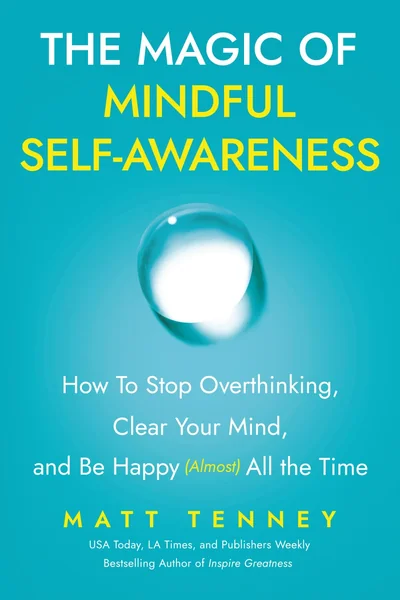
The Magic of Mindful Self-Awareness by Matt Tenney Review: A Compact, Practice-First Mindfulness Guide
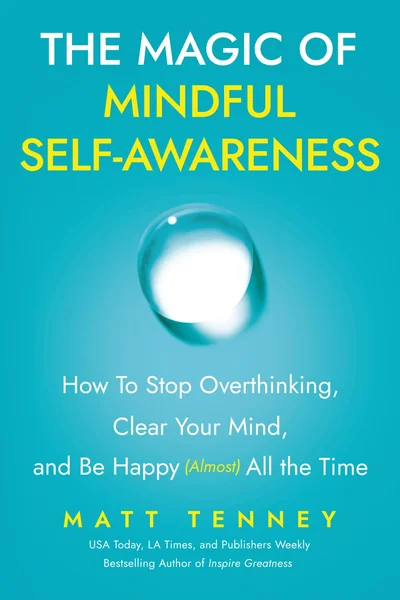
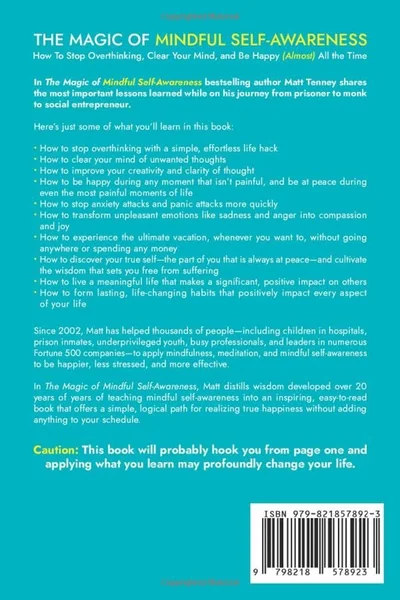
Published by PeopleThriver in March 2025, The Magic of Mindful Self-Awareness distills more than two decades of Matt Tenney's mindfulness teaching — spanning prison cells, monastery walls, and Fortune 500 boardrooms — into a concise self-help guide designed to help readers stop overthinking, clear mental clutter, and reduce stress through structured, practical exercises.
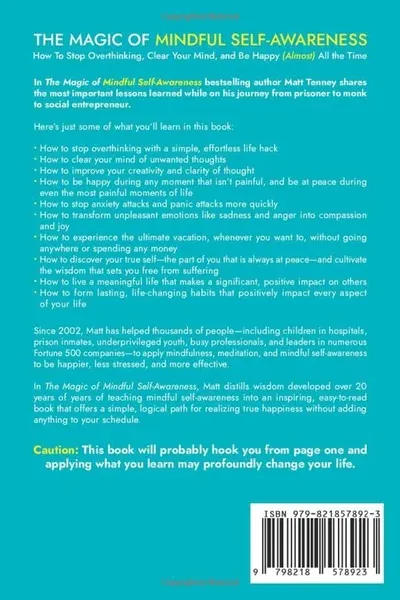 Tap to enlarge
LuvemBooks Verdict
Best for
Beginners dealing with chronic overthinking or stress who want a structured, low-barrier introduction to mindful self-awareness — grounded in an author's lived journey from incarceration and monastic practice to corporate consulting — rather than a research-heavy or philosophically advanced treatment.
Worth it if
You're new to mindfulness and want a concise, habit-focused guide with built-in practice prompts, guided audio sessions, and a companion tracker to support real-world follow-through beyond the reading itself.
Skip if
You already have a solid mindfulness foundation — the book's explicitly introductory scope and compact length are unlikely to offer new depth or technique for experienced practitioners.
What readers & critics say
According to The Inside Review, reader reception has been overwhelmingly positive among those seeking practical strategies for overthinking and stress, with frequent praise for the concise format and tangible takeaways, though minor criticisms flag occasional repetition and slower pacing in certain sections. BestPodReviews.site describes it as "a deeply inspiring and practical guide," singling out Tenney's personal journey as adding authenticity and depth to his lessons.
Sources: The Inside Review, BestPodReviews.siteAsk LuvemBooks
Was this helpful?
- Is it worth reading?
- For readers new to mindfulness who want a structured, low-barrier introduction, The Magic of Mindful Self-Awareness delivers real value: concise chapters, concrete exercises, and a companion resource ecosystem that extends the book's practical reach. Reader commentary aggregated by The Inside Review has been overwhelmingly positive among those seeking practical strategies for managing overthinking and stress, with Tenney's personal anecdotes frequently praised for keeping the content grounded rather than abstract. The key caveat is for readers already experienced in mindfulness — the introductory scope means they are unlikely to find significant new depth, and some readers do note occasional repetition and slower pacing in certain sections.
- Similar books
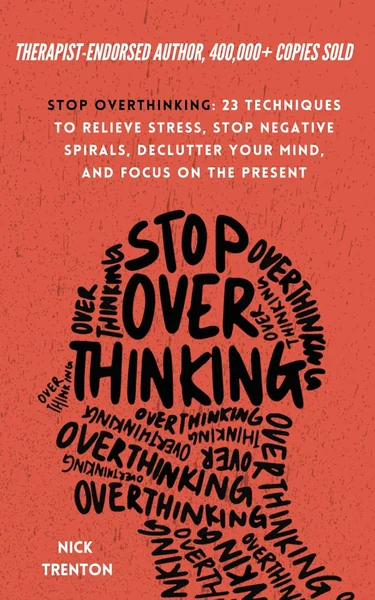
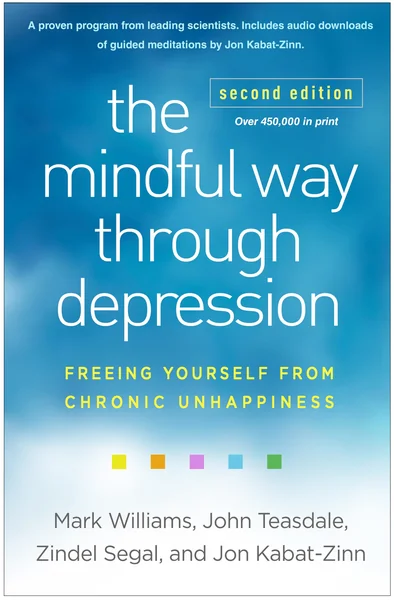
- Readers drawn to The Magic of Mindful Self-Awareness will find strong companions on the curated shelf below. Stop Overthinking by Nick Trenton covers similar terrain with 23 concrete techniques for breaking negative thought spirals. For a clinically grounded mindfulness approach, The Mindful Way through Depression by Mark Williams, John Teasdale, Zindel Segal, and Jon Kabat-Zinn offers greater research depth. Those interested in the broader philosophy of personal freedom and habit change may also find The Four Agreements by Don Miguel Ruiz and Atomic Habits by James Clear rewarding reads alongside Tenney's guide.
- Who should read this?
- The Magic of Mindful Self-Awareness is most squarely aimed at adults encountering overthinking or chronic stress who want a structured, low-barrier introduction to mindfulness practice — particularly those who have struggled to build a consistent habit from longer or denser titles. Readers who value an author's lived experience as a lens for instruction, rather than purely clinical or academic framing, will find Tenney's journey from prisoner to monk to social entrepreneur a meaningful throughline. Those seeking advanced mindfulness technique or a thorough survey of mindfulness research should look to more comprehensive resources, as the book's accessible, introductory scope is a deliberate design choice.
- About Matt Tenney
- From prisoner to monk to social entrepreneur, Matt Tenney has traveled an extraordinary path that gives him unique insights into human potential and transformation.
- What are the main themes?
- The Magic of Mindful Self-Awareness centres on three interlocking themes: overcoming overthinking, clearing mental clutter, and reducing stress and emotional fluctuation through the deliberate practice of mindful self-awareness. Tenney grounds these themes in his own biography — the discipline cultivated through incarceration and monastic practice, and the practical application refined through years of corporate consulting — making personal transformation a recurring throughline. The book also treats habit formation as central, with each chapter's exercises and the companion Practice Tracker reinforcing the idea that mindful self-awareness is a skill built through consistent, structured daily practice rather than a passive insight.
- How does it compare to Inspire Greatness?
- While both books draw on Tenney's background as a mindfulness practitioner and bestselling author, The Magic of Mindful Self-Awareness is explicitly an inward-focused guide — aimed at helping individual readers manage overthinking and stress — whereas Inspire Greatness is oriented toward leadership and organisational application, reflecting Tenney's work with Fortune 500 companies. Readers who came to Tenney through Inspire Greatness for its professional and leadership focus will find this newer title a more personal, foundational companion rather than a direct continuation.
Summarize this book
Follow up
Synthesized from verified book data & published reviews · How we review
Press Enter to ask. Answers come from our editorial Q&A — start typing to see related questions.
Age & Reading Level
Recommended age
Adult
Reading level
Adult
who it suits
Skip if you are already well-versed in mindfulness practice and are looking for advanced techniques or in-depth research coverage.
Our Review
What the Book Is and What It Sets Out to Do
The Author's Background and Why It Shapes the Content
Structure, Format, and Companion Resources
Reception and Genuine Limitations
Who This Book Is Genuinely For
Sources & Further Reading
The key facts and claims in this review are grounded in the retrieved, verified sources listed below.
- 1
matttenney.com
- 2
- 3
Books like The Magic of Mindful Self-Awareness
Curated picks for readers who enjoyed The Magic of Mindful Self-Awareness, with our reasoning for each match.
If you liked The Magic of Mindful Self-Awareness