8 min read
4.8
· 9,698 Amazon ratingsShare This Review
The Fifth Agreement by don Miguel Ruiz Review: A Toltec Sequel Built for Self-Mastery
The Fifth Agreement is a self-help audiobook by don Miguel Ruiz and don Jose Ruiz, published by Amber Allen Publishing and narrated by Peter Coyote, that builds on the globally popular Four Agreements framework by introducing a fifth principle — "be skeptical, but learn to listen" — designed to deepen self-awareness and personal authenticity. This review covers the audiobook's content and structure, along with its reception from published sources, and does not reflect hands-on use or application of its teachings.
LuvemBooks Verdict
Best for
Existing fans of The Four Agreements who want to deepen their engagement with Ruiz's Toltec-inspired philosophy and are ready to explore a more nuanced, spiritually inflected framework for self-awareness.
Worth it if
You've already absorbed The Four Agreements and are looking for a structured, accessible next step — especially in audiobook form — that builds meaningfully on that foundation rather than simply restating it.
Skip if
You're coming to Ruiz's work for the first time, or you want evidence-based, clinically grounded self-improvement methodology rather than a mythic, metaphor-driven philosophical system.
What readers & critics say
Reader Views Archives found the book's recap of the original four agreements a springboard for fresh perspective rather than mere repetition, and noted the father-son collaboration as adding special resonance. The Storygraph reader community reflects a more divided response, with some praising the book's wisdom and depth while others found it overly repetitive and in need of tighter editing.
Sources: Reader Views Archives, The StoryGraphAsk LuvemBooks
Was this helpful?
- Is it worth reading?
- For listeners already embedded in the Four Agreements ecosystem, The Fifth Agreement delivers a meaningful extension of the framework rather than a simple repackaging. The fifth agreement itself — be skeptical, but learn to listen — is genuinely more philosophically complex than its predecessors, and the three-stage developmental arc (victims, warriors, masters) provides a clear and cumulative structure. At under four and a half hours unabridged, the audiobook is a low-commitment entry point. The key caveat is for newcomers: a significant portion recaps the original four agreements before the new material arrives, and those seeking evidence-based methodology will find the Toltec approach more spiritual and metaphorical in orientation.
- Similar books
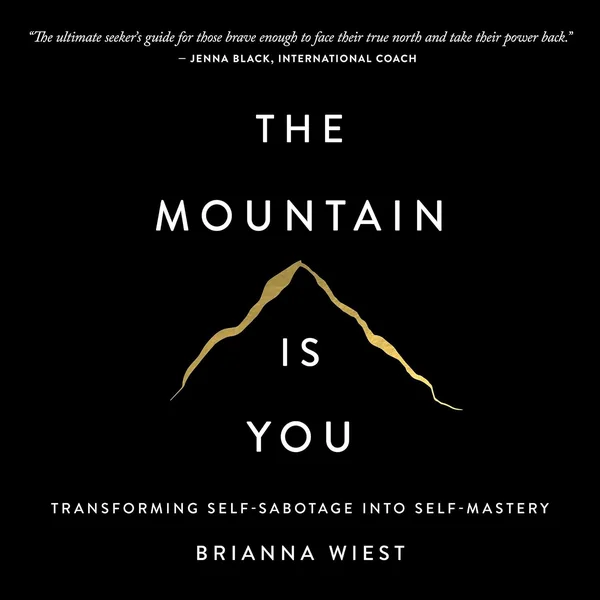
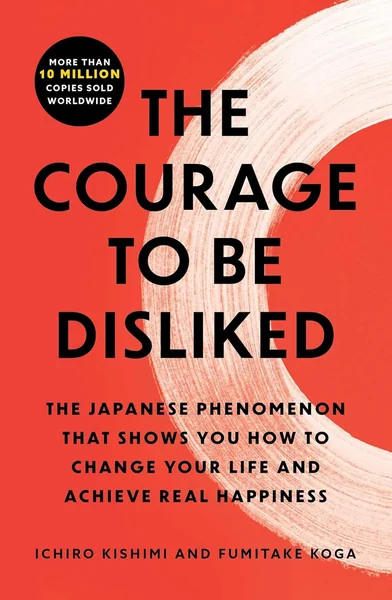
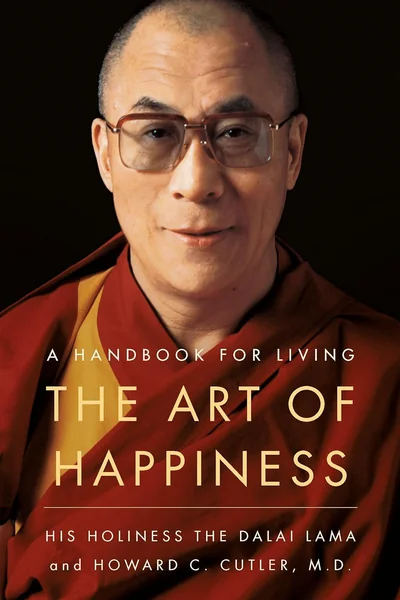
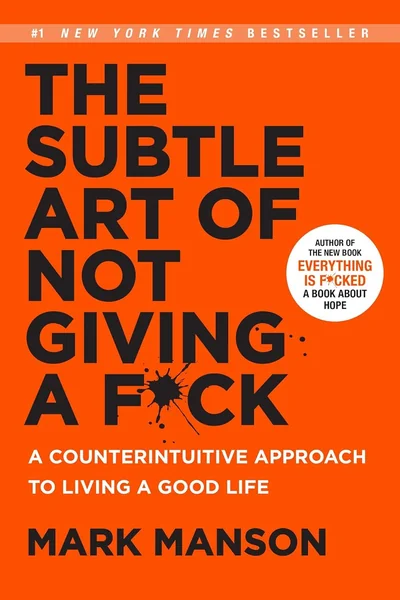
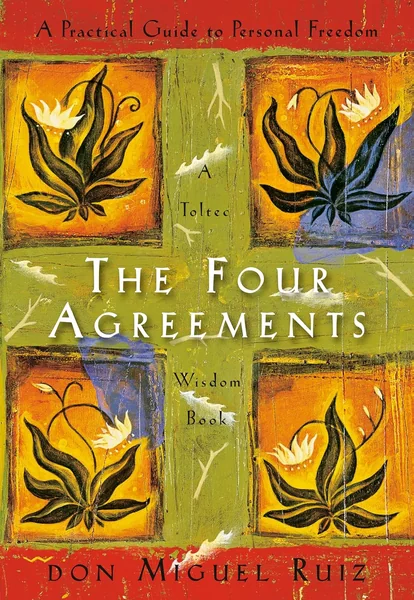
- Readers drawn to The Fifth Agreement will find the most direct companion in don Miguel Ruiz's original The Four Agreements: A Practical Guide to Personal Freedom, which establishes the entire framework this sequel builds upon. For a similarly philosophy-driven approach to authenticity and personal freedom — but rooted in Adlerian psychology — The Courage to Be Disliked by Ichiro Kishimi and Fumitake Koga offers a compelling parallel. The Art of Happiness: A Handbook for Living by the Dalai Lama shares the accessible, wisdom-tradition register of Ruiz's work. Those drawn to the self-mastery angle may also appreciate The Mountain Is You: Transforming Self-Sabotage into Self-Mastery by Brianna Wiest, and for a sharper, more irreverent take on shedding unhelpful mental frameworks, The Subtle Art of Not Giving a F*ck by Mark Manson rounds out the neighborhood.
- Who should read this?
- The Fifth Agreement is best suited to readers who have already engaged with The Four Agreements and are ready to deepen that framework rather than encounter it for the first time. It will resonate with listeners drawn to spiritually inflected, philosophy-based self-help in the Toltec Wisdom tradition — those comfortable with mythic and metaphorical rather than clinical or empirical approaches to personal development. The audiobook format, narrated by Peter Coyote at under four and a half hours, also makes it a strong fit for commuters or busy listeners who want substantive content in a compact runtime.
- About don Miguel Ruiz
- Miguel Ángel Ruiz Macías, better known as Don Miguel Ruiz, is a Mexican author of Toltec spiritual and personal development texts.
- How does this compare to The Four Agreements?
- The Fifth Agreement is explicitly designed as a sequel to The Four Agreements — one of modern self-help's most enduring titles and a New York Times bestseller with over a decade on the list. Where The Four Agreements introduced four memorable, relatively simple principles, The Fifth Agreement extends the framework with a notably more complex directive: be skeptical, but learn to listen. It also adds a new structural layer — the three-stage progression through victims, warriors, and masters — and benefits from the generational dimension of co-authorship with don Jose Ruiz. Listeners who found the original rewarding will find this a substantive evolution; those who have not read the original will spend a meaningful portion of the runtime on recap.
- Where should I start with don Miguel Ruiz?
- The Four Agreements: A Practical Guide to Personal Freedom is the unambiguous starting point for any reader new to don Miguel Ruiz's work. It is the foundational text of the Toltec Wisdom Book series, a New York Times bestseller with over a decade on the list, and the framework that The Fifth Agreement directly assumes the reader has absorbed. Beginning with The Fifth Agreement without that grounding means spending a significant portion of the audiobook on recap rather than new material.
Summarize this book
Follow up
Synthesized from verified book data & published reviews · How we review
Press Enter to ask. Answers come from our editorial Q&A — start typing to see related questions.
Age & Reading Level
Recommended age
Adult
Reading level
Adult
Skip if you're seeking evidence-based behavioral science or clinical self-improvement methodology rather than a spiritually inflected, Toltec philosophical framework.
Our Review

What the Book Is and What It Argues
Structure and Scope
Significance and Place in the Toltec Wisdom Series
Strengths for the Intended Audience
Limitations and Honest Caveats
Sources & Further Reading
The key facts and claims in this review are grounded in the retrieved, verified sources listed below.
- Cited in this review
- 1
- 2
- 3
- Further reading
- 4
Don Miguel Ruiz, Wikipedia
- 5
- 6
- 7
files.spiritmaji.com
- 8
app.thestorygraph.com
- 9
tatteredcover.com
- 10
newbookrecommendation.com
- 11
Books like The Fifth Agreement
Curated picks for readers who enjoyed The Fifth Agreement, with our reasoning for each match.
If you liked The Fifth Agreement