At a glance
LuvemBooks Verdict
Best for: Readers who want to understand the intellectual roots of the American self-help and motivational tradition — whether as true believers seeking a modernised entry point to Hill's 14 principles or as cultural historians tracing the lineage of a genre that has shaped generations of success coaches and practitioners.
Worth it? Skip it? Read the full verdict →Ask LuvemBooks
Was this helpful?
- Is it worth reading?
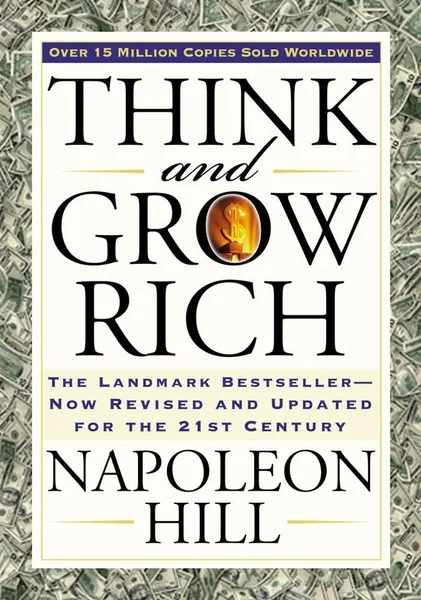
- For readers who want to understand where figures like Og Mandino, Tony Robbins, and a generation of success coaches drew their intellectual foundations, Think and Grow Rich is an indispensable primary source — a book that ranked as the sixth best-selling paperback business book on BusinessWeek's list a full 70 years after its original publication. However, no honest assessment can ignore that historians have established there are no known records of Hill meeting most of the famous figures he claimed to have interviewed, which directly undermines the book's core evidentiary authority. Readers seeking empirically grounded, evidence-based guidance on wealth or professional development will find the framework's factual basis thin by contemporary standards; those drawn to the mindset tradition Hill helped create will find the Pell revision a convenient, modernized entry point.
- Similar books
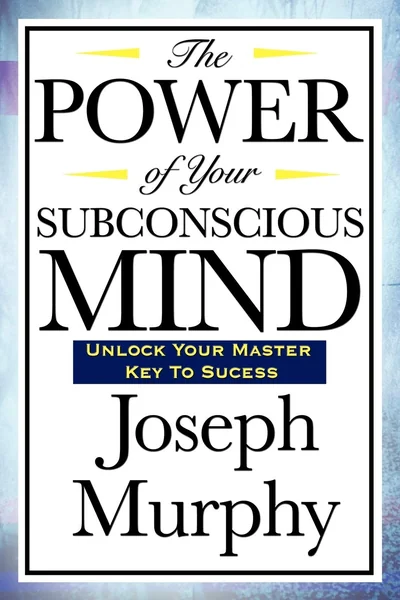
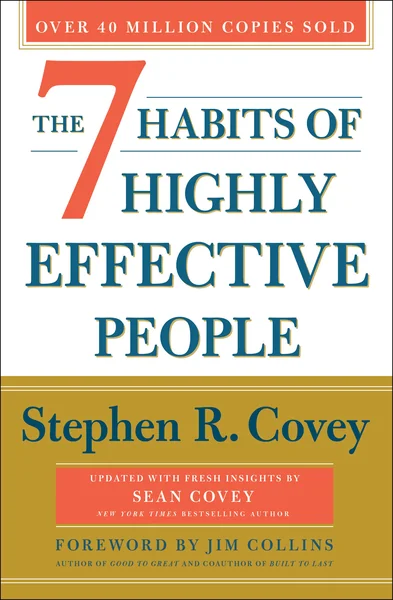
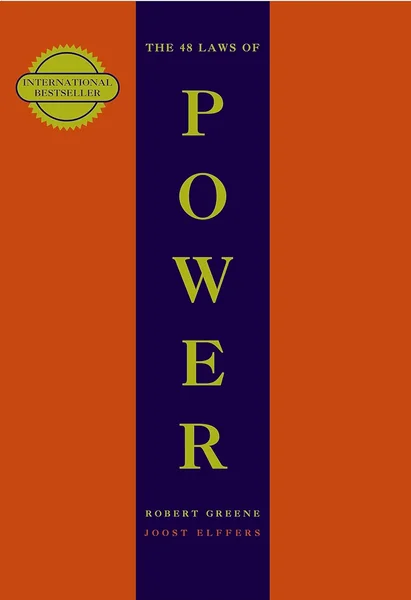
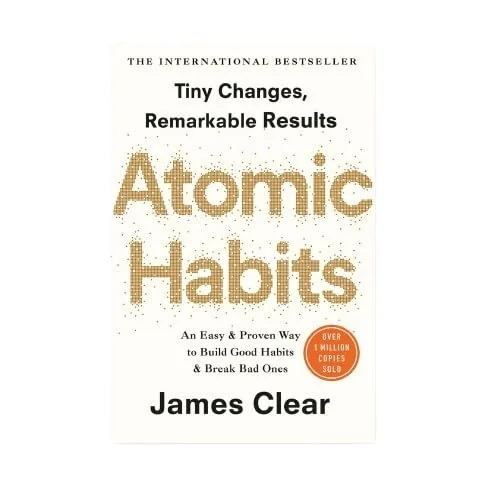
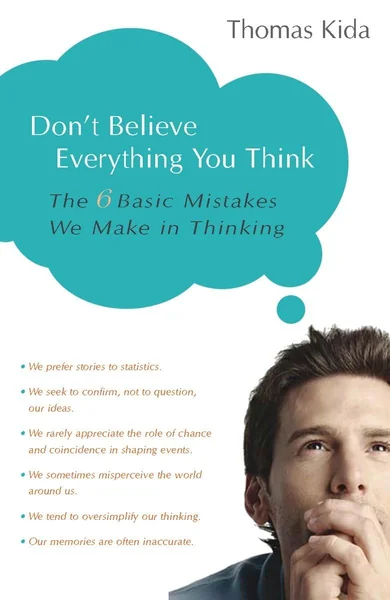
- Readers who connect with Think and Grow Rich's emphasis on mindset and subconscious programming will find Joseph Murphy's The Power of Your Subconscious Mind a natural companion — another foundational text in the tradition Hill helped create. For more structured, evidence-adjacent frameworks, Stephen R. Covey's The 7 Habits of Highly Effective People and James Clear's Atomic Habits offer step-by-step approaches grounded in behavioral principles rather than mythology. Robert Greene's The 48 Laws of Power shares Hill's interest in the mechanics of success and influence, while Ramit Sethi's I Will Teach You to Be Rich provides the kind of empirically grounded, practical financial guidance that Think and Grow Rich explicitly does not. For readers unsettled by the book's contested claims, Thomas E. Kida's Don't Believe Everything You Think offers a useful critical counterweight.
- Who should read this?
- This revised edition is ideal for readers who want to understand the foundations of American motivational literature — those curious about where figures like Og Mandino, Tony Robbins, and a generation of success coaches built their philosophies. It suits self-help enthusiasts already committed to the mindset tradition, for whom the Pell revision offers a convenient, modernized entry point to Hill's original framework of desire, faith, auto-suggestion, and organized planning. Readers seeking rigorously sourced, evidence-based frameworks for wealth-building or professional development will find it a poor fit, as historians have established that the book's foundational claims about Hill's interviews with Carnegie, Edison, and Ford do not hold up to modern scrutiny.
- About Napoleon Hill
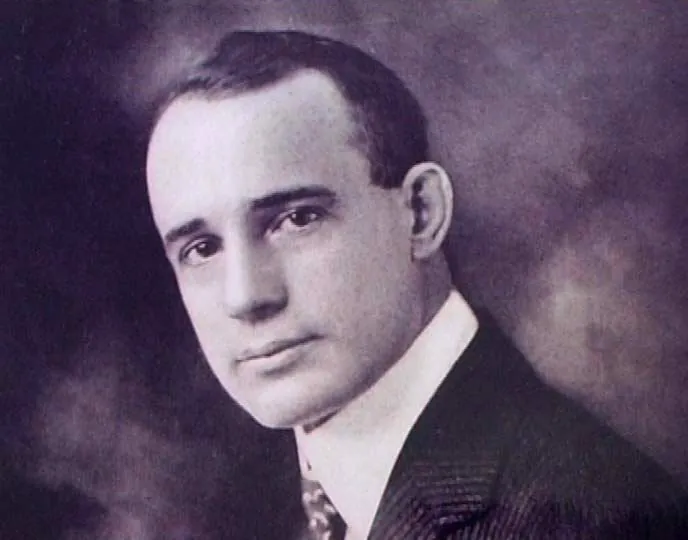
- Oliver Napoleon Hill was an American self-help author and con man who is best known for his book Think and Grow Rich (1937), which is among the best-selling self-help books of all time.
- Are the historical claims in this book accurate?
- This is one of the most important questions any reader of Think and Grow Rich should ask. According to historians, there are no known records of Hill meeting most of the famous figures — Andrew Carnegie, Henry Ford, and others — he claimed to have interviewed extensively, with the exception of a brief encounter with Thomas Edison. Historians also doubt Hill's central claim that Carnegie personally inspired him to undertake his research. These are not minor editorial quibbles: the entire framework of the book rests on the authority of those alleged relationships, and the Pell revised edition does not substantially revisit or address these foundational questions.
- What did Arthur R. Pell change in this edition?
- Arthur R. Pell, Ph.D. — described by the publisher as a nationally known author, lecturer, and consultant in human resources management — updated Hill's 1937 framework by weaving in accounts of later figures such as Bill Gates, Mary Kay Ash, Dave Thomas, and Sir John Templeton alongside Hill's original Depression-era examples of Carnegie, Edison, and Ford. The revision's explicit goal, as positioned by the publisher, was to make Hill's philosophy relevant to the 21st century without dismantling its foundational architecture. Crucially, however, Pell's changes modernize the illustrative examples while leaving the book's contested historical claims and Hill's personal mythology substantially unaddressed.
- What is this book's legacy and influence?
- Think and Grow Rich is widely credited as the foundational text of the personal development genre — the book that set the standard for motivational thinking that followed. Having sold 15 million copies worldwide, it was ranked by BusinessWeek as the sixth best-selling paperback business book a full 70 years after its original publication, a rare commercial feat. Og Mandino, author of The Greatest Salesman in the World, credited Hill's philosophy with changing his life, and figures like Tony Robbins have drawn directly from the tradition Hill established — making this book an essential document for understanding where the entire genre came from.
Summarize this book
Follow up
Synthesized from verified book data & published reviews · How we review
Press Enter to ask. Answers come from our editorial Q&A — start typing to see related questions.
Age & Reading Level
Recommended age
Adult
Reading level
Adult
1 content note · who it suits
Content to know about
Skip if you want empirically grounded, evidence-based guidance on wealth-building or professional development.
Editorial Review
Originally published in 1937 and revised for the 21st century by Arthur R. Pell, Ph.…
Read the Full ReviewBooks like Think and Grow Rich
Curated picks for readers who enjoyed Think and Grow Rich, with our reasoning for each match.
If you liked Think and Grow Rich