9 min read
4.6
· 27,667 Amazon ratingsShare This Review

Our review
How to Stop Worrying and Start Living
How to Stop Worrying and Start Living by Dale Carnegie Review: A Landmark Self-Help Classic Worth Revisiting
Dale Carnegie's How to Stop Worrying and Start Living is one of the foundational texts of the self-improvement genre, offering structured, practical frameworks for breaking the cycle of anxiety and replacing it with proactive problem-solving. More than six million readers have turned to it across its decades in print, and this Gallery Books revised paperback edition keeps that tradition alive. This review is based on the book's contents and published reception, not hands-on application.

 Tap to enlarge
LuvemBooks Verdict
Best for
Readers new to the self-help genre — or new to Carnegie specifically — who want a structured, principle-based starting point for managing everyday anxiety through actionable frameworks rather than clinical theory.
Worth it if
You're drawn to the classic self-help tradition of concrete rules, illustrative real-life stories, and a motivational conversational tone, and you want a broad-spectrum introduction to dismantling habitual worry across work, finances, sleep, and criticism.
Skip if
You expect research-backed guidance grounded in clinical studies or neuroscience, need deep specialized treatment of a single issue like chronic anxiety, or find mid-twentieth-century cultural references and anecdote-heavy argumentation a stylistic dealbreaker.
What readers & critics say
Reviewers at empowerprocess.com rate the book "an indispensable guide" and highlight its enduring relevance and practical approach as fundamental to the self-help genre. Goroundtable.com found Carnegie's worry-dissolving tips "incredibly practical and helpful" even for contemporary readers, while calvinrosser.com notes that the worry-analysis frameworks are especially useful in business and professional contexts, where anxiety about outcomes can destroy the ability to concentrate.
Sources: empowerprocess.com, goroundtable.com, calvinrosser.com, somanybooksblog.com, vocal.mediaPreview the book
Ask LuvemBooks
Was this helpful?
- Is it worth reading?
- For readers drawn to the classic self-help tradition — concrete rules, illustrative real-life stories, and a motivational, conversational tone — How to Stop Worrying and Start Living remains a genuinely valuable read, and its more than six million readers across generations attest to its sustained relevance. Its worry-analysis framework and structured approach to breaking anxiety habits are among the most cited structures in popular productivity and wellness writing. The important caveat is that readers accustomed to research-backed self-help citing clinical studies or neuroscience may find Carnegie's reliance on personal anecdotes and testimonials a stylistic mismatch, and the book's breadth means topics like insomnia, finances, and criticism are treated as introductions rather than deep dives.
- Similar books
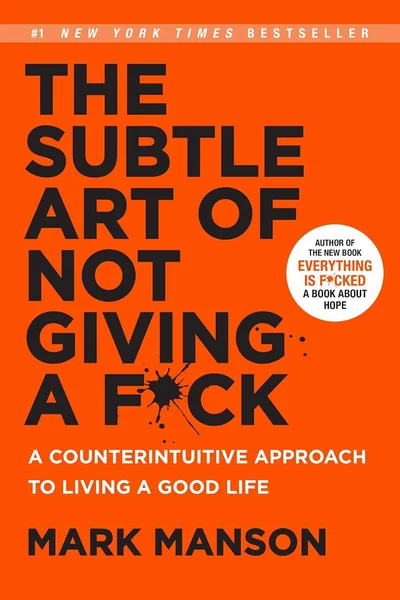
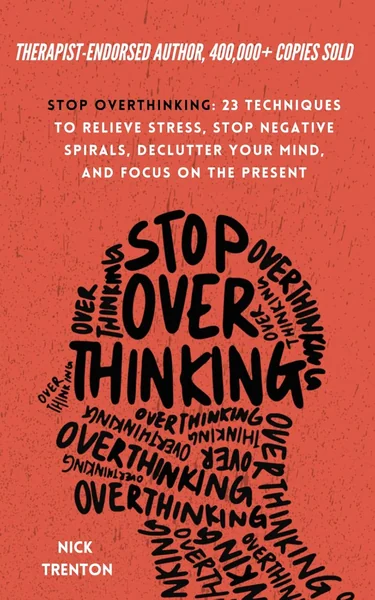
- Readers who respond to Carnegie's structured, principle-based approach to managing anxiety and building better habits will find strong companions in several books curated alongside this one. Atomic Habits by James Clear shares Carnegie's focus on systematic behavior change, while Stop Overthinking by Nick Trenton addresses rumination and anxious thought patterns with a similar practical orientation. For a more therapeutically grounded take on worry specifically, The Anxiety and Worry Workbook by David A. Clark and Aaron T. Beck offers the clinical, research-backed framework that Carnegie's book deliberately avoids. The 7 Habits of Highly Effective People by Stephen R. Covey occupies similar territory in the classic self-help canon, and The Subtle Art of Not Giving a F*ck by Mark Manson offers a contemporary, more irreverent take on redirecting mental energy away from unproductive anxiety.
- Who should read this?
- How to Stop Worrying and Start Living is best suited to readers who want a clear, principle-based starting point for managing everyday anxiety and who are drawn to the classic self-help tradition — concrete actionable rules, motivational tone, and illustrative real-life stories rather than therapeutic or research-heavy frameworks. It is particularly well-matched for professionals dealing with business and financial anxiety, given that commentary from sources including calvinrosser.com highlights the worry-analysis frameworks as especially useful in professional contexts. It is also an ideal entry point for anyone new to Carnegie or to the self-help genre altogether, since so much of what followed it in the genre traces a direct line back to the methods collected here.
- Is this a good book club pick?
- How to Stop Worrying and Start Living can work well for a book club interested in the self-help tradition or in the psychology of anxiety, particularly because its broad scope — covering finances, sleep, criticism, fatigue, and gratitude — gives a group a wide range of principles and real-life examples to debate and compare with personal experience. Its conversational, accessible style means participants won't need specialist knowledge to engage with it. However, groups accustomed to narrative-driven or research-heavy selections may find its anecdote-and-assertion structure a less natural fit for deep analytical discussion.
- Where should I start with Carnegie?
- Carnegie's two most enduring works are How to Win Friends and Influence People (1936) and How to Stop Worrying and Start Living. How to Win Friends and Influence People came first and established Carnegie as one of the most influential popular writers of the twentieth century, focusing on interpersonal skills and communication. How to Stop Worrying and Start Living extended that legacy into the territory of anxiety and mental well-being. Readers new to Carnegie could begin with either: How to Win Friends is the more foundational text for understanding his overall philosophy, while How to Stop Worrying is the more focused choice for readers whose primary concern is anxiety management.
- What are its key limitations?
- Three limitations stand out in LuvemBooks' assessment. First, the book argues from personal anecdotes and testimonials rather than clinical or scientific evidence, which is a genuine mismatch for readers accustomed to research-backed self-help that cites studies or neuroscience. Second, the cultural references and social context embedded in mid-twentieth-century examples can feel dated to contemporary readers. Third, the book's scope is deliberately broad — covering insomnia, finances, criticism, fatigue, and gratitude — meaning no single topic receives the sustained, specialized treatment a dedicated volume on any one subject would provide.
Summarize this book
Follow up
Synthesized from verified book data & published reviews · How we review
What would you like to know about How to Stop Worrying and Start Living?
Answers come from our editorial notes on this book. If we haven't covered something, we'll say so.
Readers often ask
Our Review
We review the evidence: published critics, reader verdicts and BookTube reviews, gathered and weighed with AI assistance and edited by LuvemBooks, rather than one reader's first-hand take.
What the Book Actually Is and Does
Place in the Self-Help Canon
Core Strengths: Structure and Accessibility
Genuine Limitations: Age, Anecdote, and Audience Fit
Who This Book Is For Today
Sources & Further Reading
The key facts and claims in this review are grounded in the retrieved, verified sources listed below.
- Cited in this review
- 1
- 2
- Further reading
- 3
- 4
- 5
- 6
- 7
- 8
- 9
- 10
- 11
newbookrecommendation.com
- 12
- 13
- 14
Age & Reading Level
Recommended age
Adult
who it suits
Skip if you prefer self-help grounded in clinical research, neuroscience, or peer-reviewed evidence rather than personal anecdotes and testimonials.
Reader reviews
Be one of the first readers to answer.
Read it? Was it right for you?
Books like How to Stop Worrying and Start Living
Curated picks for readers who enjoyed How to Stop Worrying and Start Living, with our reasoning for each match.

If you liked How to Stop Worrying and Start Living