Skip to content
Reviewed

Read Time

6 min read

Our age bandAdult
Reader rating
4.6 · 1,022 Amazon ratings, as of Nov 2026
reader ratings, not a LuvemBooks score
Curated & edited by

LuvemBooks Editorial

How we create our reviews →
Share This Review
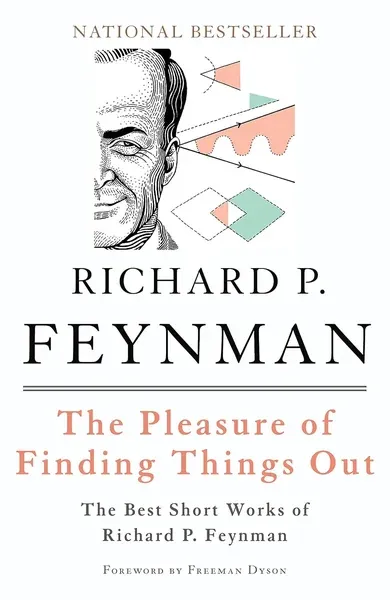
The Pleasure of Finding Things Out: The Best Short Works of Richard P. Feynman by Richard P. Feynman front cover

Our review

The Pleasure of Finding Things Out: The Best Short Works

The Pleasure of Finding Things Out by Richard P. Feynman Review: A Posthumous Scientific Treasury

Richard P. Feynman’s posthumous anthology gathers thirteen essential essays, interviews, and lectures that span his career in physics and public discourse. Critics note the volume delivers brilliant scientific insights alongside frustrating inconsistencies, making it a compelling but uneven read for dedicated fans.

Our age band: Adultcomplex scientific theory · historical events (atomic bomb, Challenger disaster)

LuvemBooks Verdict

Best for

Best for dedicated physics enthusiasts and science historians who value primary archival material over a cohesive memoir.

Worth it if

Worth reading if you want to access essential foundational lectures like 'There's Plenty of Room at the Bottom' and the Challenger minority report in a single volume.

Skip if

Skip it if you expect a tightly woven biographical narrative, as the disjointed format and significant overlap with his previously published memoirs will likely feel redundant.

Wikipedia's summary of the critical reception notes a split between readers and critics, with American Scientist calling the collection 'vintage Feynman' but 'badly organized,' while Salon described it as 'as illuminating, pleasurable and frustrating as the scientist himself.'

Sources: Wikipedia, StoryGraph, LibraryThing
4.6from 1,022 Amazon ratings, as of Nov 2026— reader ratings, not a LuvemBooks score

Ask LuvemBooks

Was this helpful?

This posthumous anthology gathers thirteen essential essays, interviews, and lectures that span Richard P. Feynman's career in physics and public discourse. Readers seeking a cohesive memoir will find the significant overlap with his works frustrating, while dedicated enthusiasts will appreciate the archival value of The Pleasure of Finding Things Out. The collection functions as a necessary companion to his famous biographies but remains a secondary recommendation for general audiences.
Is it worth reading?
Yes, for dedicated physics enthusiasts and science historians who value primary archival material. The collection preserves Feynman's unvarnished voice and includes foundational texts like his Challenger analysis. However, readers expecting a polished biographical narrative may find the overlapping content frustrating.
Similar books
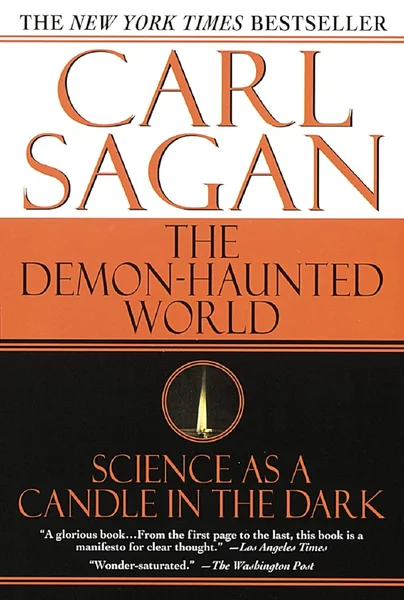
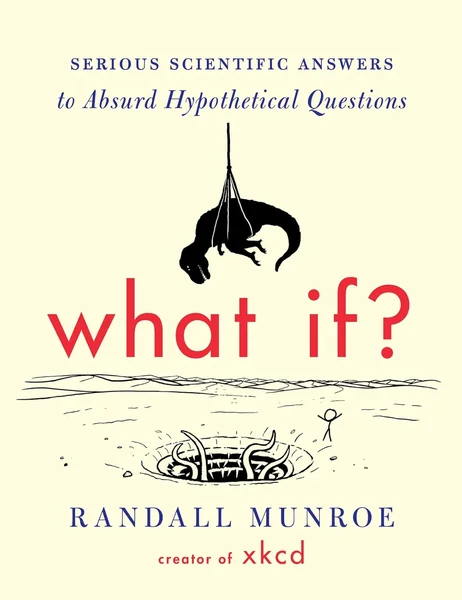
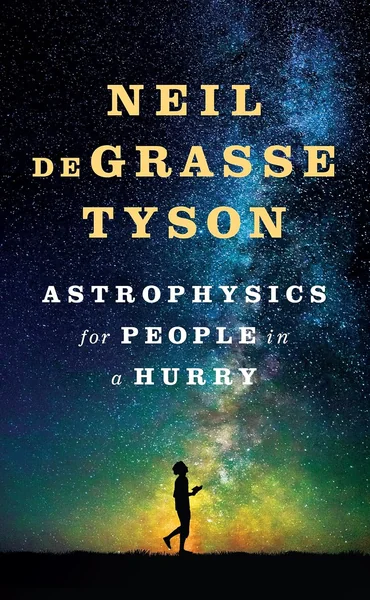
Readers interested in Feynman's work will appreciate The Demon-Haunted World: Science as a Candle in the Dark by Carl Sagan, which explores science communication. For accessible scientific reasoning, What If?: Serious Scientific Answers to Absurd Hypothetical Questions by Randall Munroe offers a similar blend of rigor and humor. Astrophysics for People in a Hurry by Neil deGrasse Tyson provides another concise entry into cosmological concepts.
Who should read this?
This collection is best suited for physics enthusiasts, historians, and readers who enjoy original documents over polished memoirs. It serves as a valuable guide for those examining Feynman's scientific legacy and public commentary. The lack of narrative cohesion and thematic repetition may prove less engaging.
What age is it for?
Written for adults due to its complex scientific concepts and historical discussions. The material assumes a baseline familiarity with physics terminology and expects readers to engage with dense, unpolished archival transcripts. It is not recommended for middle-grade or young adult audiences seeking accessible science.
What is the reading experience like?
The heavy reliance on speeches means the text often lacks the narrative polish of a traditional memoir. Critics note that several pieces overlap significantly with Feynman's previously published biographical books, making the reading experience feel redundant for those already familiar with his life stories. Pacing varies across the collection, with some readers finding it flows seamlessly while others note a lack of narrative drive.
How does this book relate to his legacy?
The compilation cements Feynman's importance by including his Nobel Prize address and the 1959 lecture 'There's Plenty of Room at the Bottom.' It provides a direct window into the mind of the physicist who reshaped quantum electrodynamics. The collection successfully captures his ruminations on the role of culture in modern society and his reflections on faith.
Summarize this book

Summarize this book

The book compiles thirteen distinct pieces of nonfiction, originally published in 1999, ranging from the 1959 lecture 'There's Plenty of Room at the Bottom' to Feynman's report on the Challenger disaster. It functions as a treasury of short writings rather than a continuous memoir, capturing his ruminations on scientific culture alongside his thoughts on science and religion. Readers will encounter his direct, lightly edited voice across decades of scientific and cultural commentary.

Follow up

What specific lectures are highlighted?
How do critics view the organization?

Synthesized from verified book data & published reviews · How we review

Ask LuvemBooks

What would you like to know about The Pleasure of Finding Things Out: The Best Short Works?

Answers come from our editorial notes on this book. If we haven't covered something, we'll say so.

Readers often ask

Our Review

We review the evidence: published reviews and reader verdicts, gathered and weighed with AI assistance and edited by LuvemBooks, rather than one reader's first-hand take.
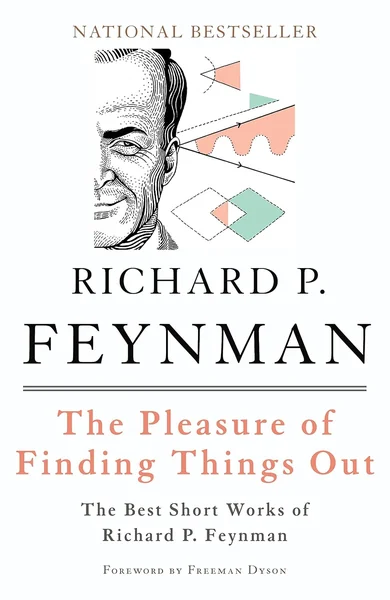
This posthumous collection of essays and lectures captures the physicist's brilliant mind, though its uneven organization and reliance on lightly edited speeches may frustrate readers seeking a cohesive narrative.
The Pleasure of Finding Things Out: The Best Short Works of Richard P. Feynman by Richard P. Feynman front cover

What the Book Actually Covers

The Pleasure of Finding Things Out: The Best Short Works of Richard P. Feynman compiles thirteen distinct pieces of nonfiction, originally published in 1999, ranging from the 1959 lecture "There's Plenty of Room at the Bottom" to Feynman's minority report on the Space Shuttle Challenger disaster. The collection also includes his 1974 Caltech commencement address where he coined the term "cargo cult science" and an opening transcript of his 1981 BBC Horizon interview.
These texts explore his private life, his work on the atomic bomb, and his broader conclusions on the explosion of the space shuttle Challenger. The volume functions as a treasury of short writings rather than a continuous memoir.
Readers will encounter his ruminations on the role of scientific culture in modern society alongside his thoughts on the relation of science and religion.

Critical Reception of the Compilation

Critics quoted in Wikipedia's summary of the reception offer divided opinions on the book's editorial coherence. According to Wikipedia, American Scientist acknowledged the pieces as "vintage Feynman" while criticizing the volume as badly organized and targeted at no obvious audience.
Another review quoted in the same reception summary described the book as matching the scientist himself in its illumination, pleasure, and frustration. Other outlets, including Wired and The American Biology Teacher, provided additional commentary on the compilation.
The divergence in critical response highlights the challenge of compiling a posthumous archive from disparate speeches and articles. Some reviewers prioritize the historical significance of the texts, while others judge them strictly as a unified literary work.

Structural Strengths of the Collection

The primary appeal lies in the enduring value of the core scientific lectures and public addresses contained within the pages. Reviewers consistently point to specific texts like "There's Plenty of Room at the Bottom" and the Challenger report as the main reasons to collect the essays.
The volume successfully preserves Feynman's direct, lightly edited voice across decades of scientific and cultural commentary. Readers seeking his unvarnished perspectives on science and society will find the archival value undeniable.
The inclusion of his Nobel Prize acceptance speech further cements the book's importance for understanding his scientific philosophy. These foundational texts provide a direct window into the mind of a physicist who fundamentally reshaped quantum electrodynamics.

Practical Limitations and Editorial Gaps

The heavy reliance on lightly edited speeches means the text often lacks the narrative polish of a traditional memoir. Critics note that several pieces overlap significantly with Feynman's previously published biographical books, such as Surely You're Joking, Mr. This repetition can make the reading experience feel redundant for those already familiar with his life stories.
Pacing varies across the collection, with some readers finding it flows seamlessly while others note a lack of narrative drive. The editorial decision to prioritize raw archival material over cohesive storytelling inevitably leaves some passages feeling disjointed.
Readers expecting a tightly woven narrative will likely encounter frustration alongside their intellectual rewards.

Is It Worth Reading?

Weighing these reviews, the book serves as an essential archive for physicists and science enthusiasts rather than a casual introduction to Feynman's life. The tension between brilliant archival preservation and frustrating editorial disorganization defines its appeal.
It points directly toward dedicated fans who value primary scientific sources over polished biographical narratives. Conversely, casual readers may find the disjointed format and overlapping content more of a chore than a pleasure.
The collection remains a necessary companion to his famous memoirs but stands as a secondary recommendation for general audiences. Those seeking a rigorous examination of his scientific legacy will appreciate the compilation, while those looking for a streamlined biography should look elsewhere.

Sources & Further Reading

The key facts and claims in this review are grounded in the retrieved, verified sources listed below.

  1. 1
  2. 2
  3. 3
  4. 4
  5. 5
  6. 6
  7. 7

Age & Reading Level

Our age band

Adult

Our age band groups books for browsing; it isn't an age a review gave.

Content to know about

complex scientific theory
historical events (atomic bomb, Challenger disaster)

Best for: Adults — complex scientific concepts and dense archival transcripts require mature comprehension.

Skip if you expect a tightly woven biographical narrative

From our readers

Reader reviews

No LuvemBooks readers have answered yet.

Read it? Was it right for you?

Books like The Pleasure of Finding Things Out: The Best Short Works

Curated picks for readers who enjoyed The Pleasure of Finding Things Out: The Best Short Works, with our reasoning for each match.

Discussion

Reader comments