Skip to content
Reviewed

Read Time

7 min read

Our age bandAdult
Reader rating
4.6 · 38,188 Amazon ratings, as of Nov 2026
reader ratings, not a LuvemBooks score
Curated & edited by

LuvemBooks Editorial

How we create our reviews →
Share This Review
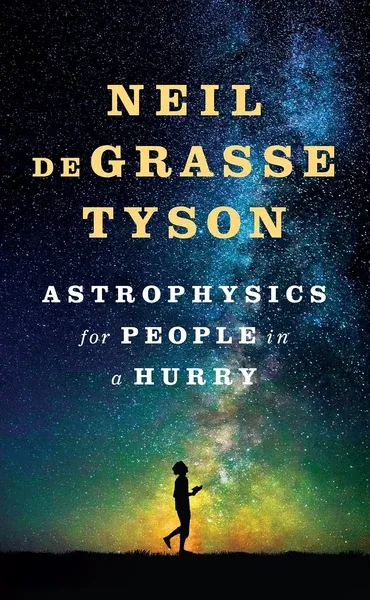
Astrophysics for People in a Hurry by Neil deGrasse Tyson front cover

Our review

Astrophysics for People in a Hurry

Astrophysics for People in a Hurry by Neil deGrasse Tyson Review: A Concise Primer

Neil deGrasse Tyson’s Astrophysics for People in a Hurry delivers a rapid, accessible overview of modern astrophysics through twelve concise essays. The collection rewards casual curiosity with clear explanations, though readers should anticipate a format that prioritizes brevity over deep philosophical critique.

Our age band: Adult

LuvemBooks Verdict

Best for

Readers who want a rapid, accessible overview of modern astrophysics will appreciate its clear explanations and concise essays tailored for general interest.

Worth it if

Worth reading if you want a concise, engaging introduction to cosmic concepts that you can tackle in short bursts without prior scientific training.

Skip if

Skip it if you expect a comprehensive academic textbook or are looking for extensive philosophical and political commentary on the human condition.

Where reviewers agree and split

Readers rate it 4.6 on Amazon. The reviews we read that discuss it in depth split on some points:

  • Positive

    The Washington Independent Review of Books · Press review: praises accessible, fun, and well-designed slim science overview

  • Negative

    Equip · Book blog: critiques materialist worldview and missed cosmic design signs

  • Positive

    WSHU · Book blog: praises cosmic perspective but notes content requires slow reading

  • Positive

    Tales of Belle · Book blog: recommends as a fun, concise, and accessible introduction to astrophysics

  • Positive

    Writing In Obscurity · Book blog: praises clear explanations but notes lack of human commentary in main text

    Overall verdicts are our summary of each review we read, from its headline, rating and conclusion.

    Critics broadly commend Tyson’s lucid, metaphor-rich prose for making complex astrophysics accessible to lay readers (Writing In Obscurity). However, reviewers note that the book’s brevity sacrifices deeper analysis, and its materialist framework draws specific theological pushback (WSUH, Equip).

    “slim but satisfying read about the nature of the universe”

    — Washington Independent Review of Books
    Sources: The Washington Independent Review of Books, Writing In Obscurity, Tales of Belle, Equip
    4.6from 38,188 Amazon ratings, as of Nov 2026— reader ratings, not a LuvemBooks score

    What Comes Next? reviews Astrophysics for People in a Hurry

    A detailed review exploring the strengths and reading challenges of Neil deGrasse Tyson's Astrophysics for People in a Hurry.

    A BookTube review by What Comes Next?, 2020 · 852 views · 2.7K subscribers · Watch on YouTube ·

    Their views, not ours. The points are our AI summary of what they say, each playing from where they say it.

    Another view · loved it
    Samuel really liked the book, despite initially worrying that the subject matter of astrophysics would be boring or difficult to get into. They found Tyson's exploration of mind-bending concepts—from dark matter to vacuum energy—engaging and unexpectedly sensible. Samuel was particularly moved by the book's ending, calling it one of the most beautiful conclusions they have ever read. Sam Belman on YouTube

    Evocative and vivid writing

    Tyson explains complex cosmological ideas with rich descriptions that help readers picture concepts clearly in their imagination.

    Difficult to digest in text

    Grasping vast cosmic scales and subatomic particles felt difficult through prose alone, leaving the reviewer wishing for visual aids and forcing frequent re-reading.

    Dense and comprehensive content

    Across its 208 pages, the book covers a tremendous breadth of astrophysics topics, including dark matter, dark energy, galaxy clusters, and cosmic expansion.

    The cosmic perspective

    The concluding chapter provides an impactful reflection on human insignificance within the cosmos, while acknowledging that many people facing hardship lack the luxury of contemplating such themes.

    Ask LuvemBooks

    Was this helpful?

    Astrophysics for People in a Hurry delivers a rapid overview of the field through twelve concise essays that prioritize readability for a general audience over deep philosophical critique. While the collection successfully bridges the gap between professional astronomy and public understanding, readers should anticipate a format that sacrifices broader context for brevity. It stands as a definitive, accessible starting point for navigating cosmic questions without wading through complex mathematics.
    Is it worth reading?
    Yes, for readers seeking a rapid-fire survey of modern cosmology. Critics praised its lucid, readable fashion and conversational tone, with the BBC Sky at Night magazine noting it provides a solid understanding of the known universe. However, WSHU cautioned that the dense material isn't always easy to digest quickly, advising readers to go slow and reflect.
    Similar books
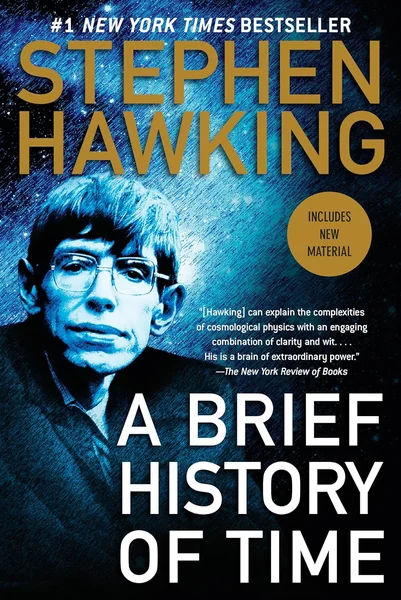
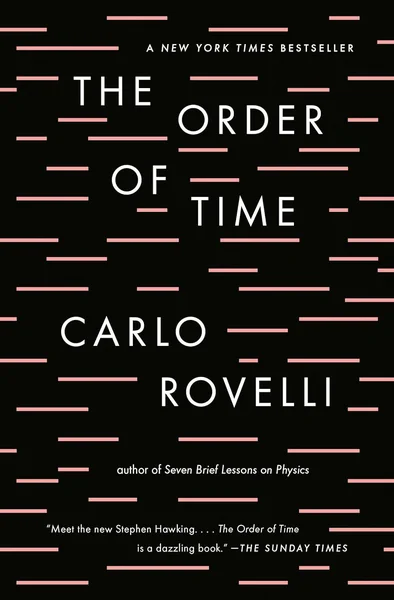
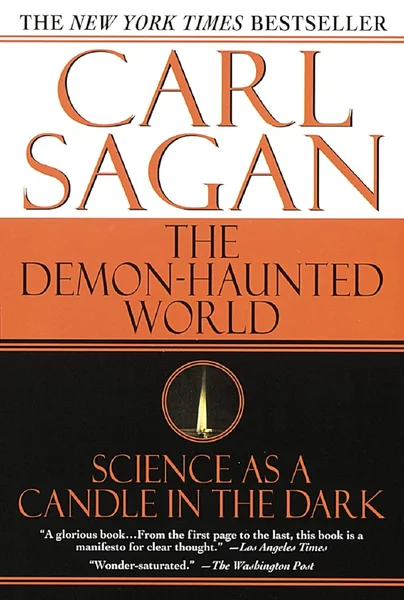
    Readers who enjoy Tyson's approach will appreciate A Brief History of Time by Stephen Hawking for its foundational cosmic overview, The Order of Time by Carlo Rovelli for its philosophical exploration of physics, and The Demon-Haunted World by Carl Sagan for its accessible breakdown of mind-bending concepts. The review also notes comparisons to Sagan’s Cosmos regarding its effect on lay audiences.
    Who should read this?
    This book is written for adults who want a concise, engaging introduction to cosmic concepts they can tackle in short bursts. It is ideal for casual readers and busy professionals seeking a foundational overview.
    What age is it for?
    Written for adults, the book explores complex astrophysical concepts that may challenge readers seeking theological or philosophical commentary. The abstract ideas and dense scientific vocabulary require confident reading comprehension.
    Is it actually fast to read?
    Re-read. Reflect." Its condensed structure creates a focused product, but the density of scientific information requires active engagement rather than passive skimming.
    Summarize this book

    Summarize this book

    It functions as a streamlined introduction to fundamental astrophysical questions, originally compiled from magazine columns between 1997 and 2007. The text addresses cosmic origins, gravity, light, dark matter, and humanity's place in the universe through twelve standalone chapters designed for fragmented reading.

    Follow up

    Does it require prerequisite knowledge?
    How long is it?

    Synthesized from verified book data & published reviews · How we review

    Ask LuvemBooks

    What would you like to know about Astrophysics for People in a Hurry?

    Answers come from our editorial notes on this book. If we haven't covered something, we'll say so.

    Readers often ask

    Our Review

    We review the evidence: reader verdicts, gathered and weighed with AI assistance and edited by LuvemBooks, rather than one reader's first-hand take.
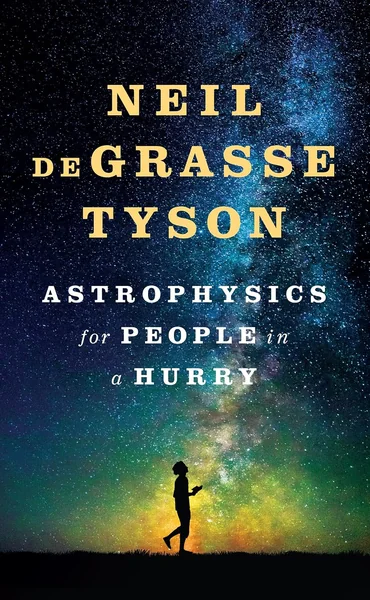
    This popular science collection offers an accessible overview of modern astrophysics that rewards casual curiosity, though pacing is debated.
    Astrophysics for People in a Hurry by Neil deGrasse Tyson front cover
    Astrophysics for People in a Hurry by Neil deGrasse Tyson front cover

    The Scope of the Cosmic Primer

    Astrophysics for People in a Hurry functions as a streamlined introduction to the fundamental questions of modern astrophysics. Neil deGrasse Tyson originally compiled the material for these chapters during his tenure writing for Natural History magazine between 1997 and 2007.
    The text addresses the origin and structure of the universe, the mechanics of gravity, and the nature of light. Tyson also dedicates space to exploring dark matter, dark energy, and humanity's precise location within the cosmos.
    The book consists of twelve short chapters that operate as standalone essays. Each section targets the massive scale of existence while maintaining a focus on scientific discovery.
    The publisher describes the work as bringing the universe down to Earth through succinct and clear chapters. Readers seeking a foundational overview will find the material organized to accommodate fragmented reading habits.

    Accessibility and Narrative Style

    The primary design of the book prioritizes readability for a general audience without requiring prior scientific training. Critics noted Tyson's "down-to-earth wit" and praised his ability to explain complex scientific concepts in a lucid, readable fashion.
    The BBC Sky at Night magazine highlighted this accessible language, suggesting that readers who engage with the text will gain a solid understanding of the known universe. Tales of Belle observed that Tyson frequently employs metaphors and humor to break up denser scientific explanations.
    This approach allows non-specialists to navigate topics ranging from the Big Bang to black holes and quarks to quantum mechanics. The writing style avoids complicated terminology to ensure the material remains consumable for busy schedules.
    Tales of Belle specifically praised the audiobook narration, noting that Tyson reading his own work highlights his genuine enthusiasm for the subject matter. The combination of conversational tone and scientific accuracy makes the dense material feel remarkably approachable.

    Structural Focus and Philosophical Gaps

    The deliberate brevity of the chapters creates a focused product that avoids meandering into tangential topics. The reviewer at Writing in Obscurity compared the work to Carl Sagan’s Cosmos, noting that Tyson achieves a similar effect by breaking down mind-bending concepts for a lay audience.
    However, that same reviewer pointed out that the book's compressed format sacrifices the broader political commentary on the human condition found in Sagan’s work. The final chapter, titled "Reflections on the Cosmic Perspective," attempts to bridge this gap by arguing against a strictly human-centric worldview.
    Joan Baum of WSUH noted that this eloquent conclusion emphasizes the interconnectedness of all matter and urges readers to shed their inflated ego. Baum cautioned that the book "isn't that easy to digest especially for people in a hurry" and advised readers to "Go slow. Re-read. Reflect."

    Scientific Perspectives and Critiques

    The book's materialist framework has drawn specific pushback from astronomers who perceive theological implications in the data it presents. Guillermo Gonzalez writing for Equip criticized Tyson's "materialist blinders" and his reliance on the "dethronement narrative" of Earth and humanity.
    Gonzalez argued that Tyson equates anthropocentrism with disreputable geocentrism, ultimately offering a specialness cast in exclusively existential terms. Gonzalez specifically challenged Tyson's dismissal of the coincidence that the Moon and Sun appear the same size in our sky, calling it evidence of design rather than random chance.
    Despite these philosophical disagreements, the scientific content remains grounded in established astronomical research.

    Is Astrophysics for People in a Hurry Worth Reading?

    Analyzing these reviews reveals a book that succeeds brilliantly as an introductory gateway but demands active engagement for lasting impact. The collection operates as a rapid-fire survey of astrophysics that rewards casual curiosity and provides a solid vocabulary for further exploration.
    Readers who prefer dense, comprehensive textbooks or those seeking extensive philosophical or political critique may find the format too abbreviated. The book remains a highly effective primer for anyone who wants to understand modern cosmology without wading through complex mathematics.
    Its enduring popularity, marked by over one million copies sold within a year, confirms its broad appeal.
    The work stands as a definitive, accessible starting point for navigating the vast questions of space and time.

    Sources & Further Reading

    The key facts and claims in this review are grounded in the retrieved, verified sources listed below.

    1. Cited in this review
    2. 1
    3. Further reading
    4. 2

      Neil deGrasse Tyson, LuvemBooks

    5. 3
    6. 4
    7. 5
    8. 6
    9. 7
    10. 8
    11. 9
    12. 10

    Age & Reading Level

    Our age band

    Adult

    Our age band groups books for browsing; it isn't an age a review gave.

    From our readers

    Reader reviews

    No LuvemBooks readers have answered yet.

    Read it? Was it right for you?

    Discussion

    Reader comments