
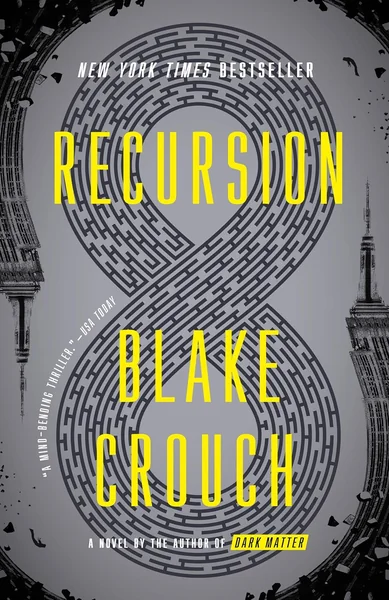
At a glance

LuvemBooks Verdict
Best for: Readers who want high-concept science fiction anchored in genuine emotional stakes — particularly those drawn to grief, memory, and identity explored through a tightly engineered thriller framework with a dual-protagonist structure.
Worth it? Skip it? Read the full verdict →Ask LuvemBooks
Was this helpful?
- Is it worth reading?
- Recursion earned strong notices across major trade and mainstream outlets — a starred review from Publishers Weekly called it an 'intelligent, mind-bending thriller' and praised Crouch's ability to integrate sophisticated philosophical concepts without sacrificing accessibility. Kirkus Reviews recognized its treatment of grief and memory as substantive thematic territory beneath the thriller surface, and The New York Times positioned it as both compulsively readable and culturally resonant. The key caveat is that Recursion is emphatically a thriller first: readers seeking ruminative literary prose or expansive world-building may find the accelerated pacing leaves less room for those textures.
- Similar books
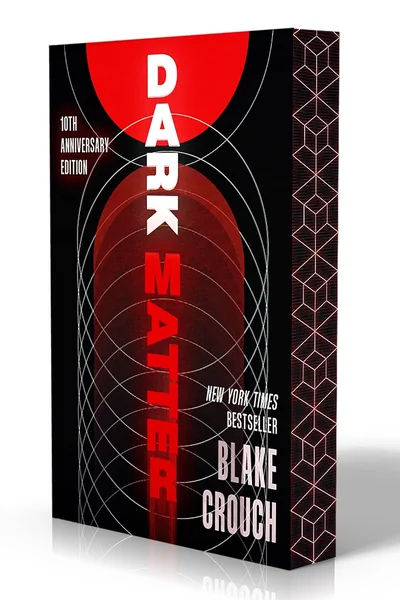
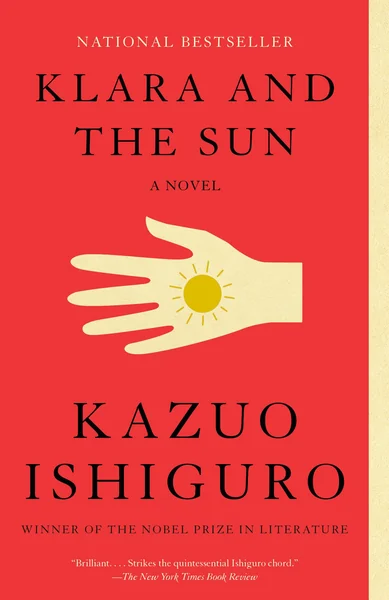
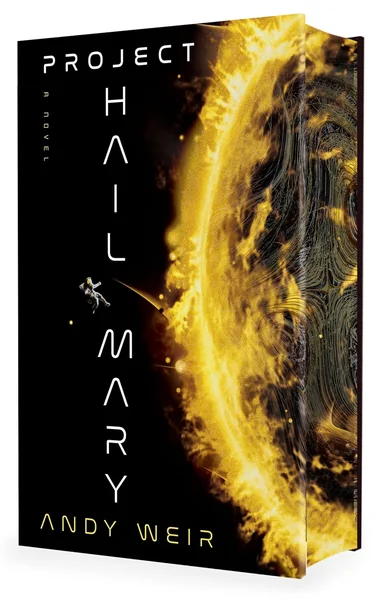
- Readers drawn to Recursion's blend of high-concept science fiction and emotional urgency have several strong options nearby. Blake Crouch's own Dark Matter: A Novel operates in a very similar register — high-concept speculative fiction driven by character grief and relentless momentum — and critics received Recursion as a confident work in that same vein. Project Hail Mary by Andy Weir shares the propulsive, ideas-first pacing and the sense of a protagonist working through an impossible scientific puzzle with genuine stakes. Klara and the Sun by Kazuo Ishiguro approaches questions of memory, identity, and what makes a self from a quieter, more literary angle — a useful companion for readers who want to explore those themes at a slower pace. Claire North's The First Fifteen Lives of Harry August and Kurt Vonnegut's Slaughterhouse-Five are also frequently cited in the same conversation for their inventive approaches to time and identity, though those titles are not currently in the LuvemBooks catalogue.
- Who should read this?
- Recursion is well-suited to readers who want speculative fiction with genuine emotional stakes alongside its conceptual puzzles — particularly those who respond to grief and identity as thematic engines rather than decoration. The novel's combination of a detective procedural opening, a neuroscience-driven sci-fi engine, and dual protagonists working across rewritten timelines gives it broad appeal within the genre. Readers already familiar with Blake Crouch's Dark Matter will find Recursion operates in a confident, fully realized version of that same mode. Those who come to science fiction primarily for world-building depth or slow, literary prose may find the thriller-first pacing a trade-off.
- About Blake Crouch
- Born in North Carolina in 1978, Blake Crouch is a bestselling novelist and screenwriter who has become one of contemporary fiction's most compelling voices in speculative thriller territory.
- What are the main themes?
- At its core, Recursion interrogates how memory defines identity — and what happens to a person's sense of self when those memories are rewritten, erased, or multiplied across timelines. Grief is a second major engine: Barry Sutton's motivation is the death of his daughter Meghan, and Helena Smith grapples with the scientific and moral consequences of technology that can circumvent loss. The novel also engages with questions of ethical responsibility — what it means to alter the past and who bears the cost of those alterations — framing its time-travel mechanics as a vehicle for genuine philosophical inquiry rather than pure plot device.
- How does it compare to Dark Matter?
- Recursion and Dark Matter: A Novel share a recognizable Crouch signature: both are high-concept science fiction novels driven by a protagonist's grief, built around a speculative technology with reality-altering consequences, and engineered for relentless narrative momentum. Critics received Recursion as a confident, fully realized work in that same vein. The key difference is structural — Recursion's dual-protagonist format, alternating between Barry Sutton's detective procedural and Helena Smith's neuroscience-driven storyline, gives it a broader thematic canvas and a more elaborate recursive loop mechanic than Dark Matter's single-protagonist setup.
Summarize this book
Follow up
Synthesized from verified book data & published reviews · How we review
Press Enter to ask. Answers come from our editorial Q&A — start typing to see related questions.
Age & Reading Level
Recommended age
Adult
Reading level
Adult
2 content notes · who it suits
Content to know about
Skip if you prefer ruminative, world-building-focused science fiction over propulsive thriller pacing.
Editorial Review
Blake Crouch's Recursion, published by Crown Publishing Group in June 2019, is a thriller science fiction novel that fuses breakneck pacing with genuine intellectual weight, earning starred praise from critical coverage and a spot in critical coverage as summer reading that resonates at an "anxious frequency."
Read the Full ReviewBooks like Recursion
Curated picks for readers who enjoyed Recursion, with our reasoning for each match.
If you liked Recursion
Why It’s Trending
Blake Crouch Teases New Sci-Fi Books as Dark Matter Returns to Apple TV+
Blake Crouch just teased upcoming sci-fi projects alongside news of Dark Matter's Apple TV+ return, putting a spotlight on his whole catalog — including Recursion. If you haven't read it yet, now's a great time to catch up.