Self-Perception as an Essayist
Huxley admits he does not think he ever wrote a truly great novel, viewing himself more accurately as an essayist utilizing novelistic form.
“perhaps I really am an essayist who uses the novelistic form”


Aldous Huxley reflects on his writing career, mescaline, and the prophetic accuracy of Brave New World in a 1958 interview for the BBC arts programme Monitor.
Recorded 1958 · Uploaded by BBC Archive, 2023 · Watch on YouTube
Huxley admits he does not think he ever wrote a truly great novel, viewing himself more accurately as an essayist utilizing novelistic form.
“perhaps I really am an essayist who uses the novelistic form”
Huxley says he is at work on a reverse Brave New World about realising human potential (what became Island, 1962), calling it "a topian rather than a utopian fantasy": one grounded in what is realistically possible.
“what may be called a topian rather than a utopian fantasy”
Who is Aldous Huxley?
Follow up
Synthesized from verified book data & published reviews · How we review
Press Enter to ask. Answers come from our editorial Q&A — start typing to see related questions.
4.6/5
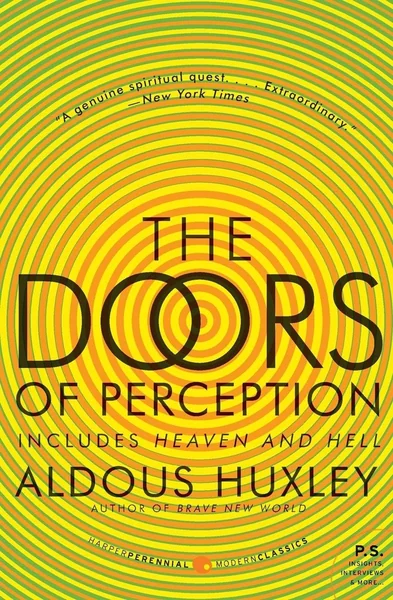
reader rating · 4,992 ratingsAldous Huxley's paired essays — The Doors of Perception and Heaven and Hell — remain essential documents in the literature of consciousness, philosophy of mind, and the cultural history of psychedelics, offering a uniquely erudite account of one writer's mescaline experience and its far-reaching implications.
Reviewed Jun 22, 2026
4.4/5
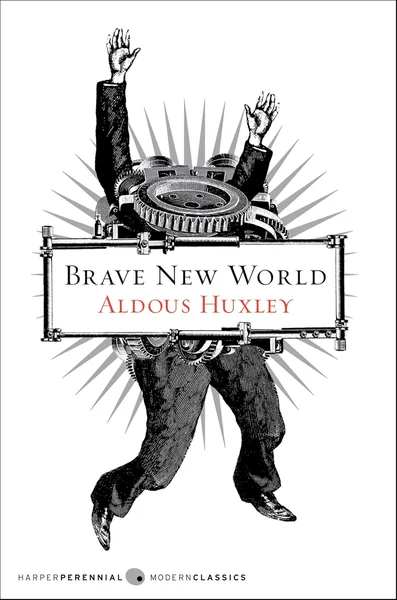
reader rating · 47,369 ratingsFirst published in 1932, Aldous Huxley's Brave New World remains one of the most celebrated and challenged dystopian novels in the English language — ranked number 5 on the Modern Library's list of the 100 Best Novels in English of the 20th century, and a perennial fixture on banned-books lists. Set in a future World State where citizens are biologically engineered into a rigid caste hierarchy and kept compliant through psychological conditioning and the pleasure-drug soma, the novel uses protagonist John the Savage to expose the hidden violence beneath a society engineered for contentment. Huxley's dense, philosophically charged prose rewards patient readers willing to wrestle with its ideas about freedom, technology, and the cost of stability.
Reviewed Mar 30, 2026
4.7/5
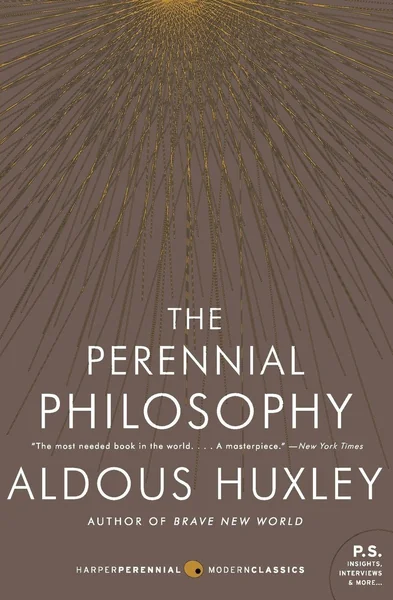
reader rating · 977 ratingsFirst published in 1945 and reissued in a Harper Perennial Modern Classics edition in 2009, Aldous Huxley's The Perennial Philosophy remains one of the most ambitious anthological studies of mysticism in the English language — assembling sacred texts and mystical writings from across the world's great religious traditions to argue for a common spiritual ground beneath them all.
Reviewed May 9, 2026

Kazuo Ishiguro
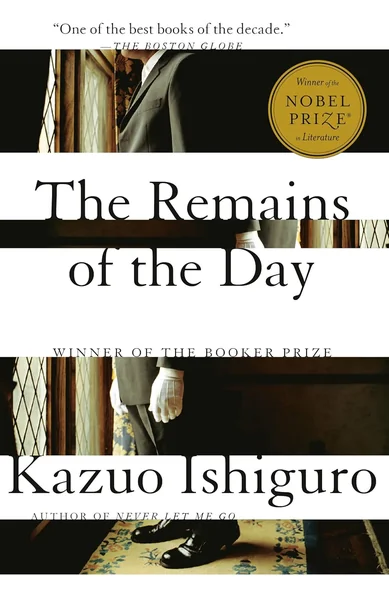
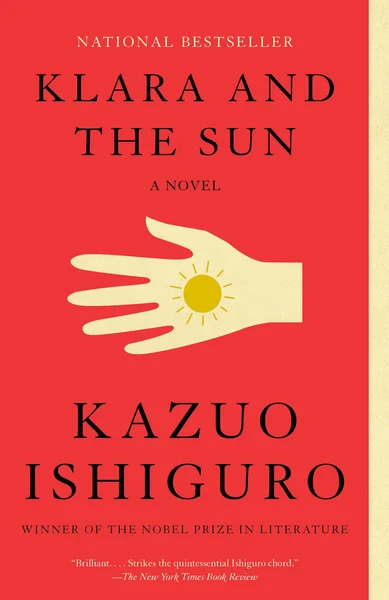
Nicole Marie

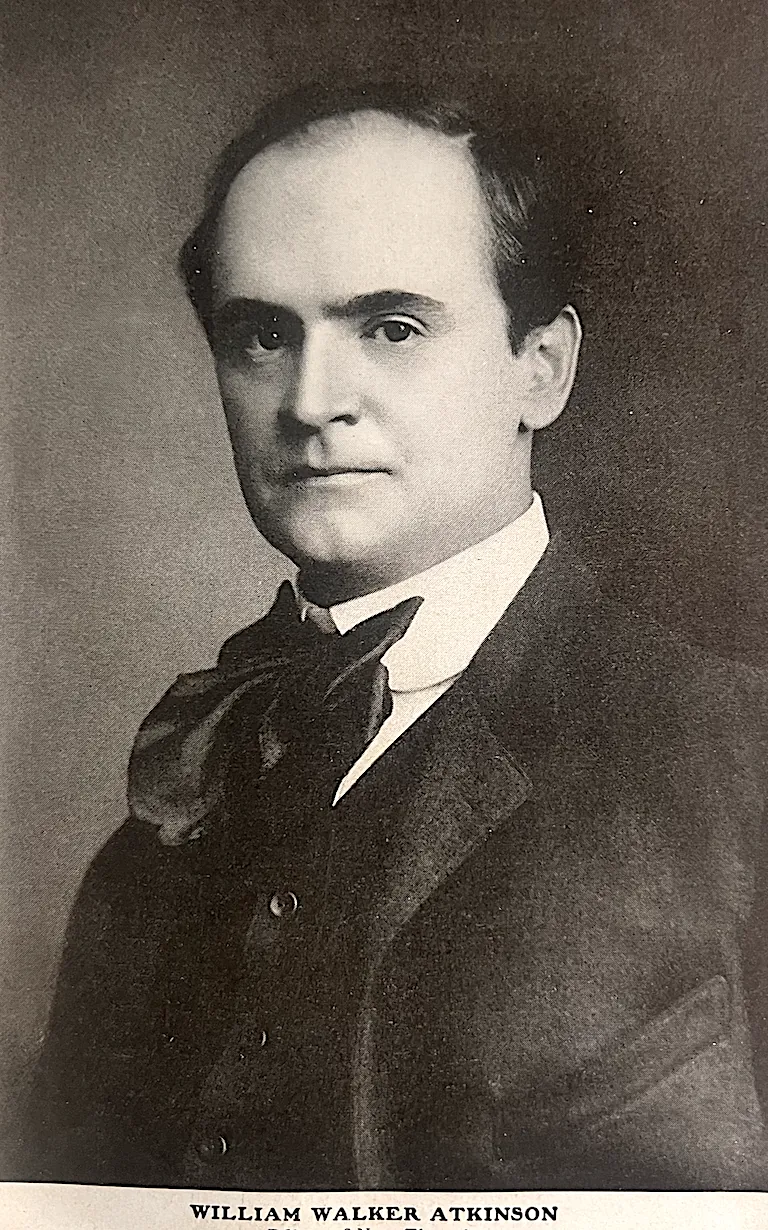
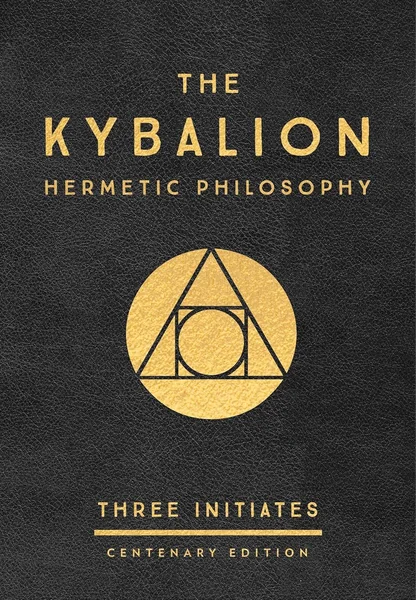
Three Initiates
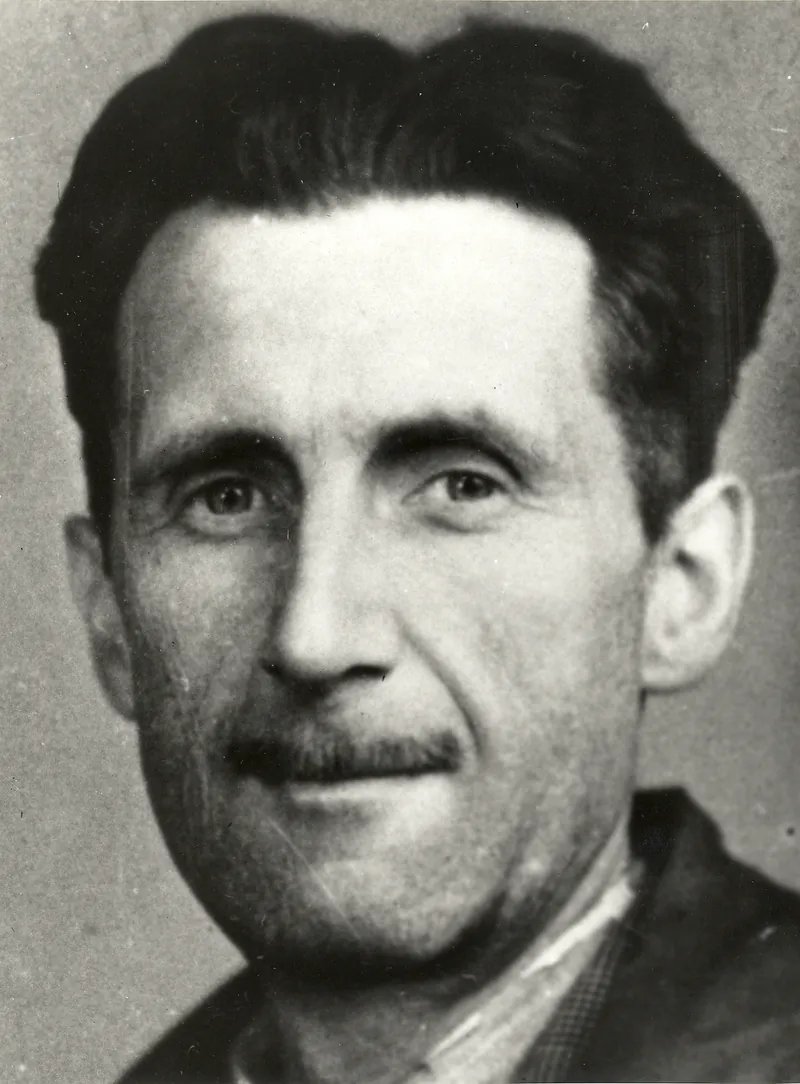
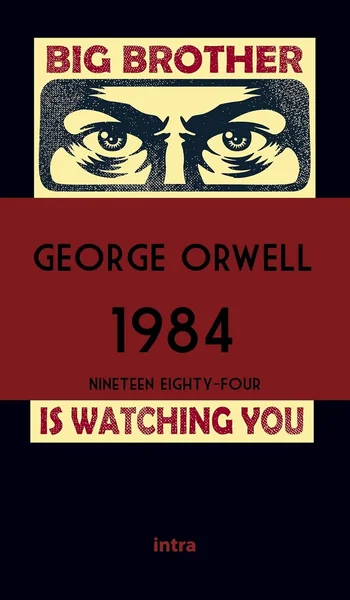
George Orwell
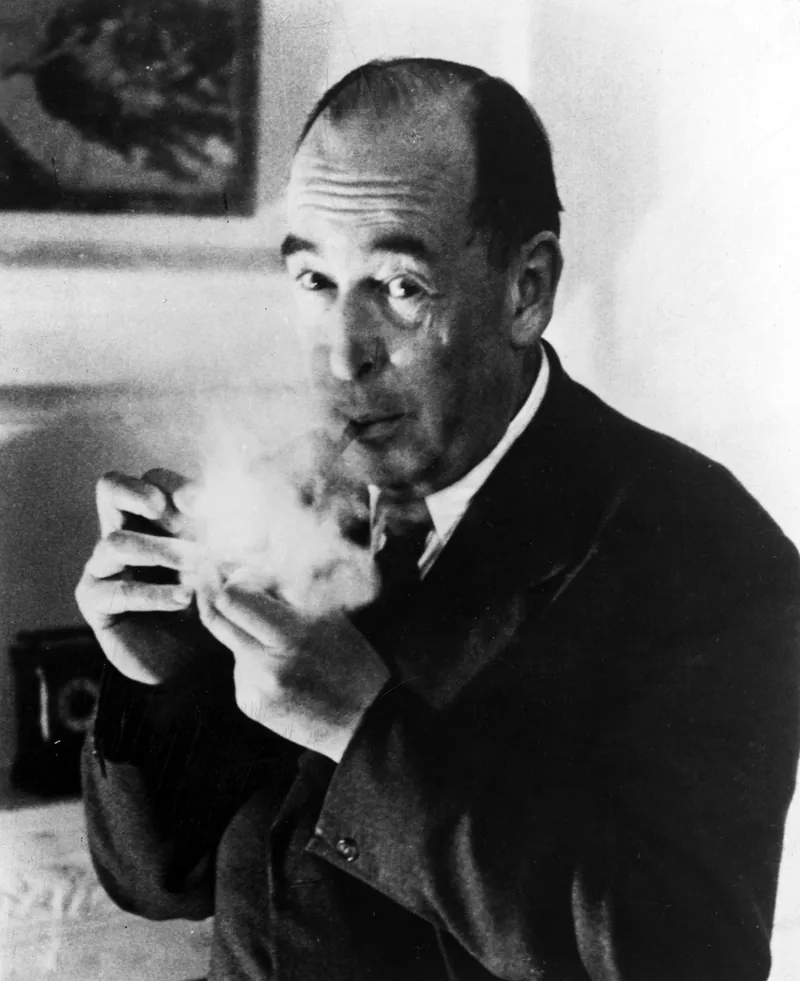
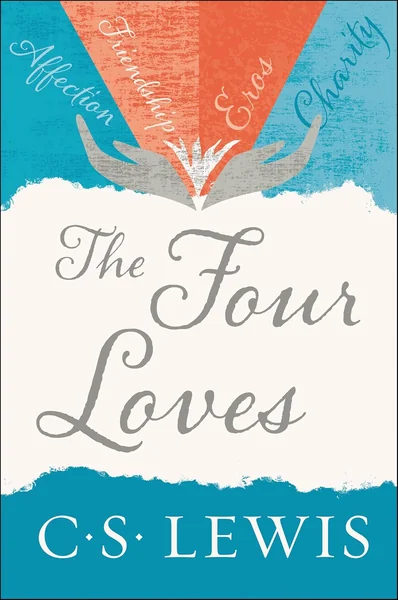
C. S. Lewis
Viktor E. Frankl