Best Aldous Huxley Books on Philosophy & Religion

2 books
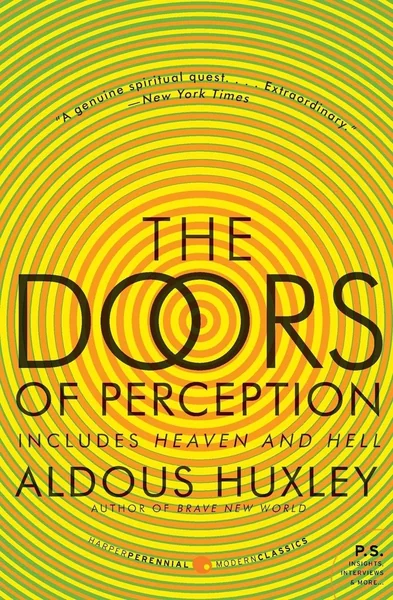
The Doors of Perception and Heaven and Hell (P.S.) by Aldous Huxley
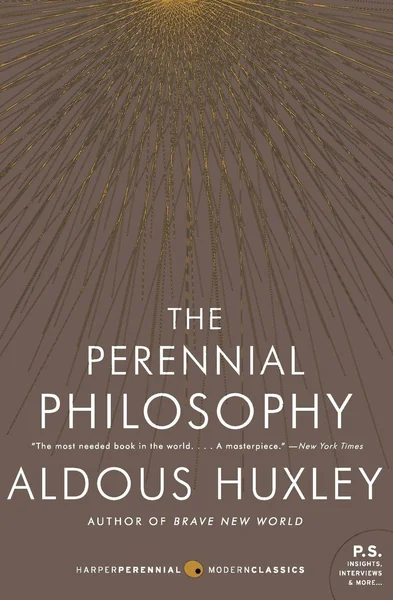
The Perennial Philosophy: A Study of Universal Mystical Philosophy (Harper Perennial by Aldous Huxley
Philosophy & Religion

Best Aldous Huxley Books on Philosophy & Religion

Curated recommendations for fans of Aldous Huxley and readers of books

2 Books
4.7 Avg
Updated Jul 8, 2026

Aldous Huxley occupies a rare position in twentieth-century literature — a novelist, essayist, and philosophical visionary whose work moves fluidly between fiction, spirituality, and the deepest questions about human consciousness. If you're curious about where to begin with his writing, the challenge isn't finding quality; it's knowing which door to open first.

This curated list brings together three essential works that collectively reveal the full range of Huxley's intellectual and spiritual preoccupations. From the chilling social critique of Brave New World to the mystical explorations of The Perennial Philosophy and the boundary-dissolving essays of The Doors of Perception, these books form a natural conversation with one another. Together, they offer new readers a rich, layered introduction to one of the most restlessly curious minds of the modern age.

#1
The Doors of Perception and Heaven and Hell (P.S.) by Aldous Huxley by Aldous Huxley - book cover
The Doors of Perception and Heaven and Hell (P.S.) by Aldous Huxley

by Aldous Huxley

4.6/5

If you've only encountered Huxley as a novelist, The Doors of Perception and Heaven and Hell will introduce you to a very different writer — intimate, speculative, and genuinely strange. Written after he took mescaline in 1953, the first essay is part personal account, part philosophy of mind, part art criticism. Huxley doesn't just describe what he saw; he builds an argument about what perception ordinarily conceals from us, drawing on Bergson, Blake, and Buddhist thought in the span of a few pages. Heaven and Hell extends this into a meditation on visionary art and religious experience across cultures. Together they form one of the most erudite explorations of consciousness ever written in under 200 pages. Be warned: readers expecting either a drugs memoir or a tidy philosophical treatise will find neither. This is essayistic thinking at its most associative, and it rewards patience more than it rewards skimming.
"Huxley uses the experience as a springboard, tracing insights that he characterises as ranging from the 'purely aesthetic' to what he calls 'sacramental vision.'"
Level: Advanced
#2
The Perennial Philosophy: A Study of Universal Mystical Philosophy (Harper Perennial by Aldous Huxley by Aldous Huxley - book cover
The Perennial Philosophy: A Study of Universal Mystical Philosophy (Harper Perennial by Aldous Huxley

by Aldous Huxley

4.7/5

By the mid-1940s, Huxley had moved decisively away from fiction toward a lifelong inquiry into the nature of spiritual experience, and The Perennial Philosophy is the fullest expression of that turn. Rather than writing a straightforward argument, he built an anthology — gathering passages from the Bhagavad-Gita, Chuang Tzu, St. John of the Cross, Sufi poets, and dozens of other sources — and wove them together with his own commentary to argue that the world's mystical traditions, beneath their doctrinal differences, share a common core. It is less a book you read than one you inhabit gradually, returning to chapters on charity, time, self-knowledge, and grace as your own questions evolve. The method is more curatorial than argumentative, which can frustrate readers wanting a linear thesis. But for anyone drawn to Huxley's philosophical preoccupations — consciousness, transcendence, the limits of rational materialism — this is the volume where those threads converge most completely. Expect to read slowly and to follow up on sources you didn't know you needed.
"Huxley's method is curatorial and argumentative at once — the anthology as much an act of excavation as synthesis."
Level: Advanced
Final Thoughts

Whether you begin with Huxley's fiction or dive straight into his philosophical essays, you'll quickly discover a writer of remarkable intellectual range and spiritual sincerity. Each of these two books rewards patient reading and invites genuine reflection — not just about Huxley's world, but about our own.

The beauty of starting here is that these works genuinely illuminate each other. Reading them together, rather than in isolation, reveals the thread of consciousness and meaning that runs through everything Huxley wrote. Pick up whichever title calls to you most and trust that the rest will follow naturally.

Frequently Asked Questions

For most readers, Brave New World is the ideal entry point. It's Huxley's most celebrated and accessible work, and its themes of social control, happiness, and human freedom introduce the philosophical questions he spends his entire career exploring. Once you've read it, the ideas in The Perennial Philosophy and The Doors of Perception take on even greater depth.
He's genuinely both — and that's what makes him so distinctive. Brave New World demonstrates his gifts as a storyteller, while works like The Perennial Philosophy show him as a serious comparative philosopher and mystic. Most readers find that engaging with both sides of his writing gives a much fuller picture of who Huxley was.
The Perennial Philosophy is Huxley's study of the common mystical thread running through the world's major spiritual traditions — from Christianity and Buddhism to Sufism and Vedanta. Drawing on primary texts and his own commentary, Huxley argues that beneath different religions lies a universal truth about the nature of consciousness and the divine. It remains one of the most thoughtful introductions to comparative mysticism available.
Not at all. Huxley approaches spirituality with the curiosity of a scientist and the sensibility of a literary humanist, making his philosophical works accessible to secular readers and believers alike. The Doors of Perception, for instance, is as much a work of psychology and aesthetics as it is a spiritual document. An open mind matters far more than any prior religious conviction.
Brave New World is essentially a philosophical thought experiment in fictional form. Huxley uses its dystopian society — built on pleasure, conformity, and the suppression of genuine experience — to interrogate the very questions he later addresses directly in his essays: What does it mean to be conscious? What is the cost of traded freedom for comfort? The novel and his later non-fiction works are deeply in dialogue with one another.
Yes — Huxley writes with remarkable clarity and literary grace, making complex ideas about perception and consciousness genuinely readable. The Doors of Perception in particular is short, vivid, and gripping, even for readers with no background in philosophy or psychology. It's a wonderful companion piece to Brave New World, offering a non-fiction lens on many of the same themes about the nature of human experience.
Best Aldous Huxley Books on Philosophy & Religion | LuvemBooks