7 min read
Share This Review
Our review
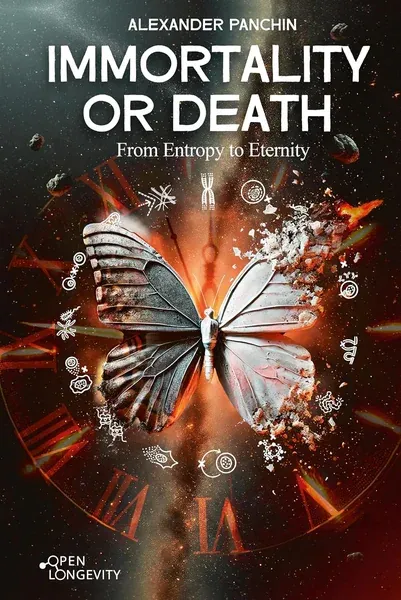
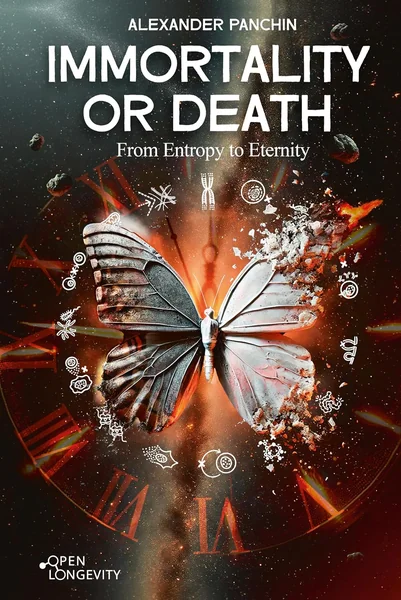
Immortality or Death: From Entropy to Eternity
Immortality or Death by Alexander Panchin Review: Debunking Biohacking
Alexander Panchin’s rigorous survey separates evidence-based longevity science from modern biohacking trends. It offers a compelling but dense guide for readers seeking a skeptical look at life extension. The text rewards patience with a clear map of biological decay and the realistic pathways to reversing it.
LuvemBooks Verdict
Best for
Readers who seek a skeptical, evidence-based understanding will find this book provides a clear map of biological decay and realistic pathways to reversing it.
Worth it if
Worth reading if you are prepared to engage with dense scientific terminology and a systematic review of extensive research to understand the actual mechanics of the subject.
Skip if
Skip it if you expect a light, anecdotal wellness guide, as the text’s academic depth will overwhelm casual readers.
What readers & critics say
Reviewers on Play Books describe the work as a celebration of scientific strides, while Storytel highlights its meticulously detailed exploration and balanced debunking of biohacking trends.
Sources: Play Books, StorytelAsk LuvemBooks
Was this helpful?
- Is it worth reading?
- The book is worth reading for those prepared to engage with dense academic language and a systematic review of the literature to understand longevity. It rewards patience with a clear, witty narrative that distinguishes speculative trends from actionable progress. However, casual readers seeking a quick or easily digestible guide to anti-aging will likely find the rigorous analysis overwhelming.
- Similar books
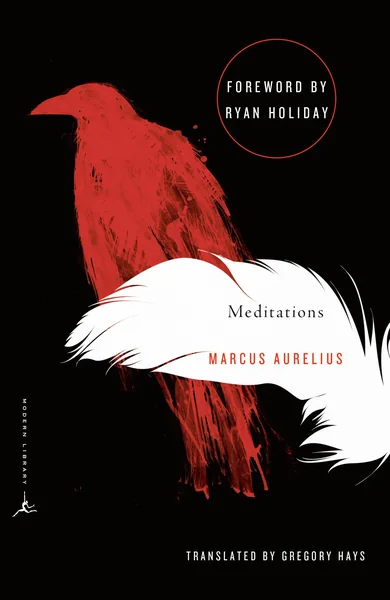
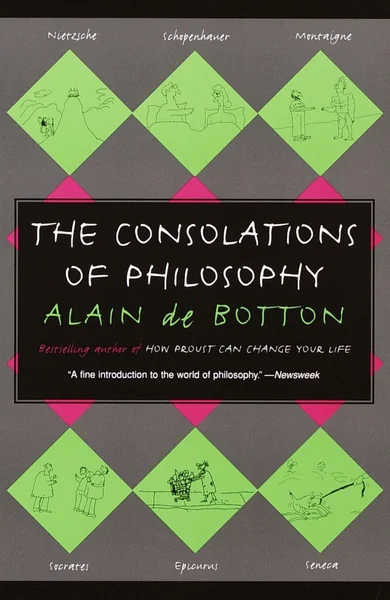
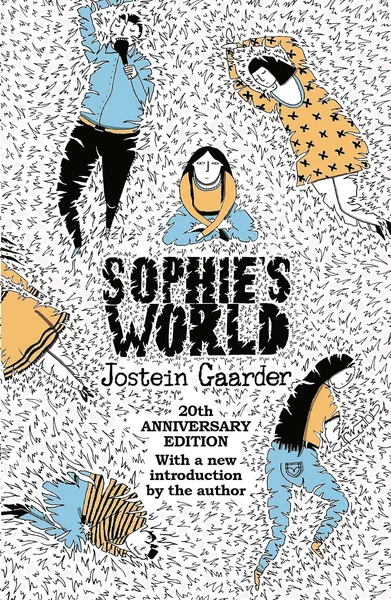
- Readers interested in this rigorous exploration of aging and philosophy might also enjoy How to Be a Stoic by Massimo Pigliucci for its grounded approach to ancient wisdom, or Meditations by Marcus Aurelius for its timeless reflections on mortality. Those seeking a broader philosophical context for existence could turn to The Art of Living a Meaningless Existence by Robert Pantano, The Consolations of Philosophy by Alain De Botton, or Sophie's World by J. Gaarder.
- Who should read this?
- This book is primarily aimed at academic readers, biogerontology specialists, and individuals deeply interested in the ethical implications of aging. It suits readers who want to grasp the fundamentals of aging and are willing to engage with dense research. It is less suitable for those expecting a casual health book or a superficial overview of health trends.
- How does the book relate to OPEN LONGEVITY?
- The work is published in collaboration with OPEN LONGEVITY, the longevity organization led by Alexander Panchin. Readers should recognize this direct alignment when evaluating its perspective on extending the human lifespan.
- What are the main themes?
- The book explores the biological mechanisms of aging, the distinction between legitimate longevity research and speculative practices, alongside the moral dimensions of extending the lifespan. It challenges outdated notions about the pursuit of immortality, reframing it as a deeply human and ethical mission. The narrative also addresses the cultural shift required to make aging a treatable condition.
- What should I expect regarding the reading experience?
- Readers should expect a dense, rigorous survey that requires patience and scientific literacy. The narrative is described as clear and witty, but it relies heavily on rigorous academic analysis rather than personal anecdotes. Engaging with the dense research material is necessary to fully appreciate its arguments and its function as an analytical guide.
- How is the book structured?
- The narrative moves from foundational theories to emerging innovations, systematically reviewing extensive research to map future developments in the field. It operates as both an analytical framework and a cultural guide, challenging established beliefs about extending the human lifespan. The structure serves to distinguish unproven claims from verified findings through rigorous analysis.
Summarize this book
Follow up
Synthesized from verified book data & published reviews · How we review
What would you like to know about Immortality or Death: From Entropy to Eternity?
Answers come from our editorial notes on this book. If we haven't covered something, we'll say so.
Readers often ask
Our Review
We review the evidence: published reviews and reader verdicts, gathered and weighed with AI assistance and edited by LuvemBooks, rather than one reader's first-hand take.
The Premise and Scientific Scope
Critical Reception and the Longevity Argument
Strengths: Accessibility and Skepticism
Limitations and Commercial Context
Is the Book Worth Reading?
Sources & Further Reading
The key facts and claims in this review are grounded in the retrieved, verified sources listed below.
- Cited in this review
- 1
openlongevity.org
- 2
- Further reading
- 3
immortalityordeath.com
- 4
- 5
- 6
- 7
Age & Reading Level
Our age band
Adult
Our age band groups books for browsing; it isn't an age a review gave.
2 content notes · who it suits
Content to know about
Best for: Adults — complex biological terminology and academic density require mature reading comprehension.
Skip if you are looking for a light, anecdotal wellness guide
Reader reviews
No LuvemBooks readers have answered yet.
Read it? Was it right for you?
Books like Immortality or Death: From Entropy to Eternity
Curated picks for readers who enjoyed Immortality or Death: From Entropy to Eternity, with our reasoning for each match.
If you liked Immortality or Death: From Entropy to Eternity