Financial Literacy for Young Adults Simplified: Discover How to Manage, Save, and Invest Money
by Raman Keane
At a glance
Be one of the first readers to answer.
Read it? Was it right for you?
Financial Literacy for Young Adults Simplified
Discover How to Manage, Save, and Invest Money
by Raman Keane
LuvemBooks Verdict
Best for: Young adults — first-job earners, students, or recent graduates — who have no prior personal finance background and want a single, accessible starting point covering budgeting, saving, investing, cryptocurrency basics, and income diversification.
Worth it? Skip it? Read the full verdict →Ask LuvemBooks
Was this helpful?
- Is it worth reading?
- For its intended audience — young adults who are just beginning to earn a steady income and have not yet developed systematic money habits — Financial Literacy for Young Adults Simplified delivers meaningful value. Reader commentary on the audiobook edition reflects the kind of impact Keane targets: one reader noted it 'helped me realize the importance of being financially responsible and also the significance of investing' after a period of impulsive spending. The guide's unusually wide topic range, from cryptocurrency cautions to passive income streams, reflects an awareness of the financial landscape today's young adults actually encounter. Experienced readers or those already conversant with personal finance fundamentals will likely find the coverage of any individual topic relatively introductory, and the book's independent publication means it lacks the editorial vetting of traditionally published titles — so supplementing it with additional sources is advisable for critical decisions.
- Similar books
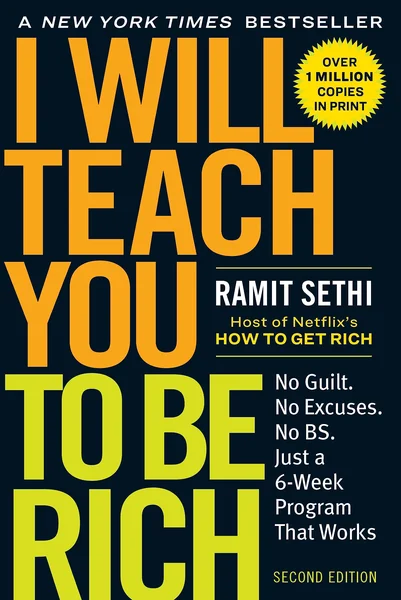
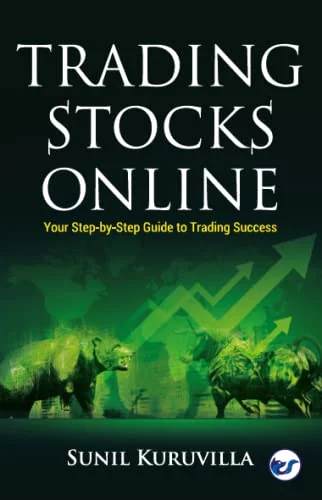
- Readers who connect with Financial Literacy for Young Adults Simplified will find strong companions in the curated titles below. Morgan Housel's The Psychology of Money explores the behavioural and emotional drivers behind financial decisions — a natural complement to Keane's mindset-first framing. Ramit Sethi's I Will Teach You to Be Rich is another action-oriented guide aimed at young adults, with a more prescriptive, step-by-step approach to automating finances. For a philosophical take on wealth-building and long-term thinking, The Almanack of Naval Ravikant by Eric Jorgenson offers a framework for financial and personal leverage. Vicki Robin's Your Money or Your Life brings a values-based perspective to money management, while Sunil Kuruvilla's Trading Stocks Online suits readers ready to move into more hands-on market participation.
- Who should read this?
- Keane explicitly designed Financial Literacy for Young Adults Simplified for young adults who are just beginning to earn a steady income but have not yet developed systematic money habits — readers who, as the book's own premise states, 'are just starting out, want a lot of stuff, and are not earning the big bucks yet.' Early-career earners, recent graduates, and anyone approaching financial independence for the first time will find the most value here. The guide's coverage of cryptocurrency cautions, passive income, and entrepreneurship also makes it relevant for young adults navigating the specific financial landscape of today, rather than a generic introduction built around an older financial era. Readers already fluent in personal finance basics, or those seeking advanced treatment of any single topic, are better served by more specialised titles.
- About Raman Keane
- Raman Keane is an author focused on personal finance, best known for his debut book Financial Literacy for Young Adults Simplified, which earned praise for its relatable, practical approach. He has since authored several additional books, simplifying complex financial concepts into accessible strategies designed to help readers build wealth, avoid debt, and make confident financial decisions.
- How does this compare to Financial Literacy for Young Adults Amplified?
- Financial Literacy for Young Adults Simplified is Keane's debut and is explicitly designed as an entry-level guide for readers with no prior finance background, covering a wide range of foundational topics in plain, accessible language. Financial Literacy for Young Adults Amplified, also reviewed by LuvemBooks, is Keane's follow-up title in the same series. Readers who have worked through Simplified and are looking to build on that foundation will find Amplified the natural next step, while complete beginners are best served starting with Simplified.
- Is this a good guide for understanding crypto basics?
- Financial Literacy for Young Adults Simplified offers a measured and grounded introduction to cryptocurrency rather than a speculative or promotional one. Keane covers the mechanics of blockchain technology and explains distinctions between public keys, private keys, and recovery seed phrases — territory that many entry-level personal finance guides skip entirely. Crucially, rather than hyping digital assets, he cautions against investing in cryptocurrency without sufficient understanding. Readers looking for an in-depth technical or investment-focused treatment of crypto will need to look elsewhere, but for a cautious, beginner-level orientation within a broader financial context, the book provides a solid foundation.
Summarize this book
Follow up
Synthesized from verified book data & published reviews · How we review
Press Enter to ask. Answers come from our editorial Q&A — start typing to see related questions.
Editorial Review
Financial Literacy for Young Adults Simplified by Raman Keane is an independently published personal finance guide designed to walk young adults through the core pillars of money management — from budgeting and debt reduction to cryptocurrency basics, tax planning, and building multiple income streams. This review is based on the book's contents and available published commentary, not hands-on application.
Read the Full ReviewBooks like Financial Literacy for Young Adults Simplified
Curated picks for readers who enjoyed Financial Literacy for Young Adults Simplified, with our reasoning for each match.
If you liked Financial Literacy for Young Adults Simplified